 Preview
 Send
Send Share
Share
 Details

 Download
 Similars
 X-Ray
X-Ray Diaporama
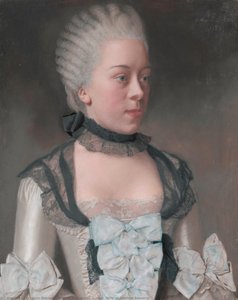
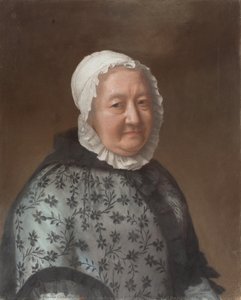
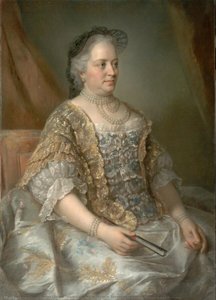
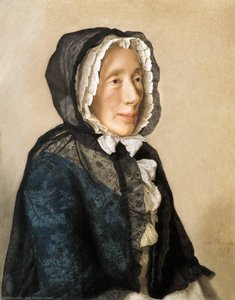
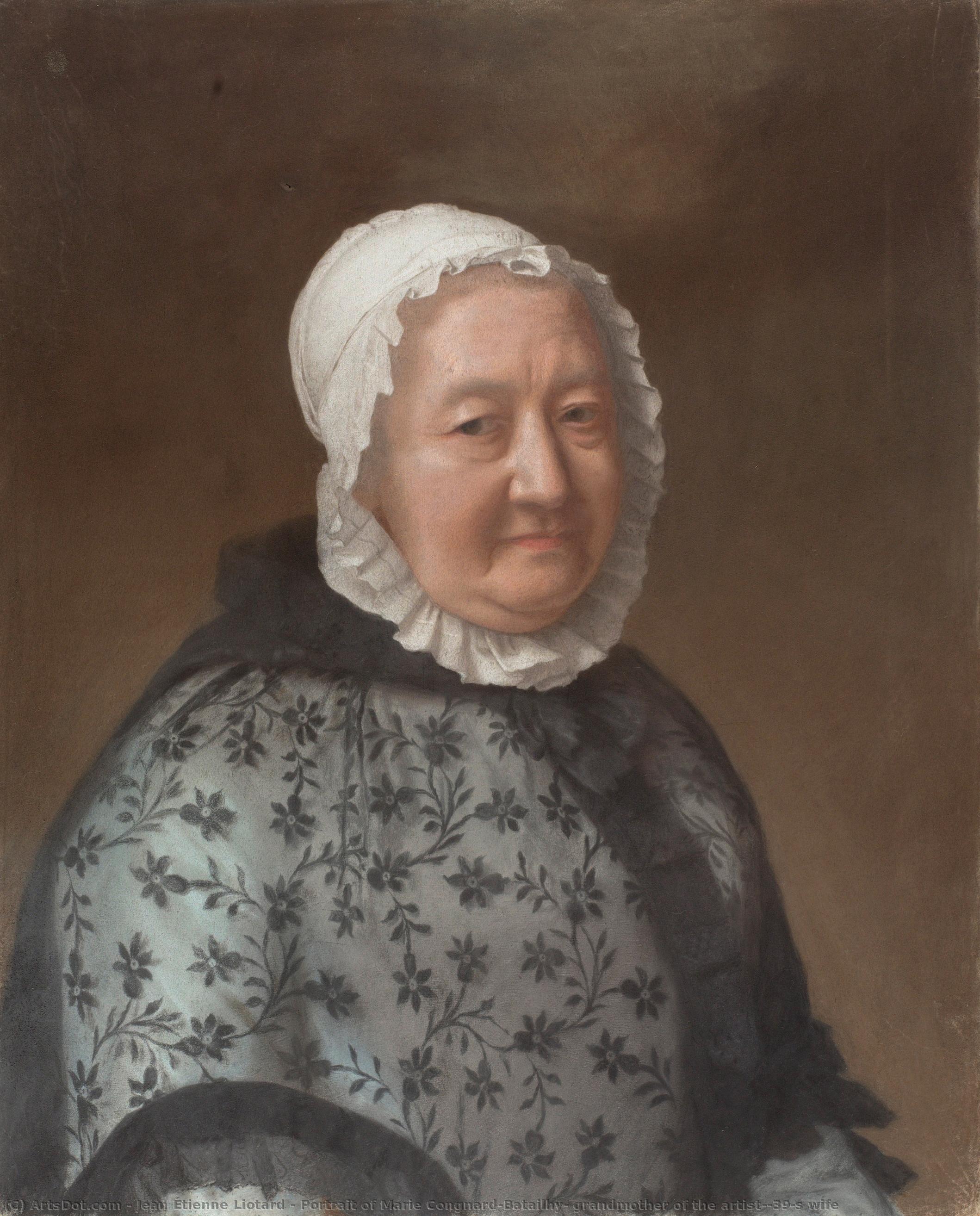
Portrait of Marie Congnard-Batailhy, grandmother of the artist's wife


 Read More
Hand Made Oil Reproduction
Hand-painted oil on canvas in your size and frame, made to order by our artists. ( Buy Print Buy Image)




P118B $10

P118H $10

P118W $10

P438Z $10

P508JH $12

P508YH $12

P805H $10

P805Z $10

P919BZ $10

P919G $10

P919XJ $10

P959ZH $10

P968JZ $12

W106C $8

W218G $10

W218JH $8

W218Y $10

W307PJ $10

W316G $10

W316PJ $8

W316Y $10

W398PJ $8

W4111J $10

W500HY $15

W500JH $15

W692G $12

W849H $8

W940BG $15

W953PJ $8




Pick from our preset sizes that match the artwork's original proportions.

You may enter your own dimensions to fit a specific frame or space. If your selected size does not match the original image's proportions, we will either crop the artwork or extend the painting with additional hand-painted elements. A digital mockup will be sent for your approval before production begins.
Please note that the on-screen preview does not reflect the actual cropping or extension. Only the mockup will accurately show the final composition.
While custom sizes are available, we recommend selecting a dimension from the predefined list to preserve the original proportions.
After order, ArtsDot.com team will email client for instructions and provide a mockup preview
Worldwide Delivery () in 3/4 weeks instead of standard 5 weeks. (16 August). No compromise on quality.

Free Worldwide Express Shipping

High-Quality Linen Canvas

Full Shipping Insurance

Customs Tax Refund Guarantee

True Color Matching Guarantee

60-Day Return Policy (Defects Only)

100% Money-Back Guarantee

Bulk Discount Offer
 Glass option is only available in size under 110 CM

Portrait of Marie Congnard-Batailhy, grandmother of the artist's wife
Reproduction Medium
Reproduction Size
-


Total Price
$ 263
Artwork Description
A Gaze Across Time: Jean-Étienne Liotard’s Portrait of Marie Congnard-Batailhy
Jean-Étienne Liotard's "Portrait of Marie Congnard-Batailhy, grandmother of the artist’s wife," painted in 1757, is more than a simple likeness; it’s a meticulously crafted window into the social and artistic sensibilities of Rococo France. This pastel masterpiece, now housed within the Rijksmuseum in Amsterdam, reveals a profound understanding of light, texture, and the subtle language of expression—elements that define Liotard's unique and enduring legacy.
The subject herself, Marie Congnard-Batailhy, embodies the aristocratic poise characteristic of her era. Her direct gaze, framed by a delicately draped bonnet adorned with lace, immediately commands attention. There’s an undeniable strength in her expression – not one of overt defiance, but rather a quiet dignity and perhaps even a hint of melancholy. Liotard masterfully captures this complexity, avoiding sentimentality while simultaneously conveying a sense of profound inner life.
The Delicate Dance of Pastel
Liotard’s choice of pastel is crucial to the painting's impact. Unlike oil paints, which rely on layering and blending, pastels offer an unparalleled ability to capture fleeting moments of light and shadow. Liotard utilizes this medium with breathtaking precision, building up color through subtle strokes that create a remarkable sense of depth and luminosity. The delicate application mimics the texture of fabric – the folds of her dress, the lace edging her bonnet – inviting the viewer to almost feel the material beneath their fingertips.
The artist’s technique is particularly noteworthy for its use of *sfumato*, a blurring effect achieved through layering translucent pastel strokes. This creates an atmospheric haze around Marie's face and garments, softening edges and lending an ethereal quality to the portrait. It’s a masterful demonstration of how Liotard could render both realistic detail and evocative mood simultaneously.
A Window into 18th-Century Society
To fully appreciate “Portrait of Marie Congnard-Batailhy,” it's essential to understand the context in which it was created. The Rococo period, flourishing in France during the mid-18th century, was characterized by a celebration of beauty, elegance, and aristocratic leisure. Portraits like this one served not only as visual records but also as symbols of status and refinement. The elaborate dress, the carefully arranged accessories – all contribute to a meticulously constructed image of wealth and social standing.
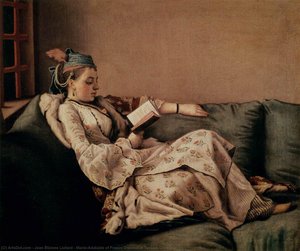
Furthermore, Liotard’s travels throughout Europe—to Paris, Rome, Istanbul, and Vienna—exposed him to diverse artistic traditions and cultural influences. This is particularly evident in his depictions of Turkish domestic scenes, which demonstrate a fascination with the exotic and an openness to incorporating non-Western aesthetics into his work.
Symbolism and Emotional Resonance
While seemingly straightforward, the portrait holds subtle layers of symbolic meaning. The direct gaze of Marie Congnard-Batailhy can be interpreted as a challenge—a quiet assertion of her presence and authority within her family and society. The dark background, contrasting sharply with the light pastel tones of her attire, draws attention to her face and emphasizes her importance.
Ultimately, “Portrait of Marie Congnard-Batailhy” is a testament to Liotard’s artistic genius—a captivating blend of technical skill, psychological insight, and cultural awareness. It's a timeless portrait that continues to resonate with viewers today, offering a glimpse into the world of 18th-century France and the enduring power of art to capture both beauty and complexity.
Related Artworks
Artist Biography
early life and training
jean-étienne liotard, a renowned genevan painter, art connoisseur, and dealer, was born on december 22, 1702, in geneva, switzerland. his parents, french protestants, had fled to geneva after 1685. liotard's artistic journey began under the guidance of professors daniel gardelle and petitot, whose enamels and miniatures he skillfully replicated.artistic career
liotard's travels took him to various european capitals, including paris, rome, istanbul, and vienna, where his portraits were highly sought after. in 1725, he studied under jean-baptiste massé and françois lemoyne in paris. his time in constantinople (1738-1742) significantly influenced his work, as evident in his numerous pastel depictions of turkish domestic scenes.notable works and style
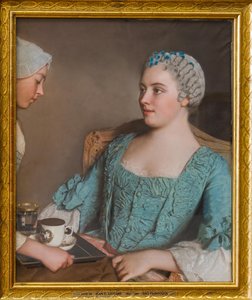
liotard's mastery of pastel is showcased in works like:- dutch girl at breakfast (ca. 1756, oil on canvas, rijksmuseum), demonstrating his versatility.
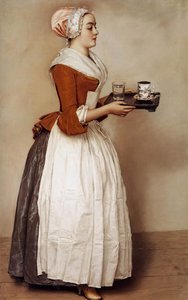
- la liseuse, the chocolate girl, and la belle lyonnaise at the dresden gallery, exemplifying his delicate pastel drawings.
- maria frederike van reede-athlone at seven (j. paul getty museum), a testament to his naturalistic portraiture.
legacy and later life
liotard's later years were marked by the publication of his treatise, traité des principes et des règles de la peinture (1781). he continued to paint still lifes and landscapes until his passing on june 12, 1789, in geneva. key links:- jean-étienne liotard | ArtsDot.com (artist page)
- jean-étienne liotard | wikipedia
- a woman in turkish dress | ArtsDot.com (painting)
museums and collections:
- the museum private collection (geneva, switzerland), featuring an impressive array of liotard's works.
- musée d'art et d'histoire (geneva, switzerland), housing a significant collection of liotard's pastels and drawings.
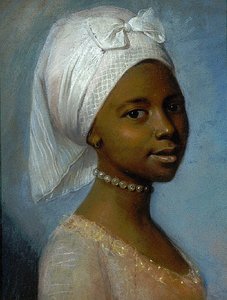
jean-étienne liotard
1702 - 1789 , Switzerland
Quick Facts
- Artistic Movement Or Style: Pastoralism
- Artists Or Movements Influenced By This Artist:
- Jean Baptiste Massé
- François Lemoyne
- Artists Who Influenced This Artist:
- Daniel Gardelle
- Petitot
- Date Of Birth: December 22, 1702
- Date Of Death: June 12, 1789
- Full Name: Jean-Étienne Liotard
- Nationality: Swiss
- Notable Artworks:
- Dutch Girl at Breakfast
- La Liseuse, The Chocolate Girl
- Maria Frederike van Reede-Athlone at Seven
- Place Of Birth: Geneva, Switzerland
Related Articles
Jean-Étienne Liotard: Rococo Portraiture & the Pursuit of Naturalism
Explore the exquisite Rococo portraits of Jean-Étienne Liotard, a master of pastel and enamel. Discover his innovative techniques, captivating Turkish scenes, and lasting influence on art history. Learn more at ArtsDot.

The Enduring Legacy of Oil on Canvas: Technique, History & Aesthetic Impact
Explore the rich history & techniques of oil painting – from Renaissance masters to Impressionism. Discover pigments, layering methods, and why this timeless medium endures. Expert insights for artists & art enthusiasts.

Oil on Canvas: A Historical & Technical Exploration of a Timeless Artistic Medium
Explore the rich history & enduring techniques of oil painting on canvas. Discover the science behind its longevity, conservation practices, and contemporary relevance. Expert insights for art enthusiasts.

The Enduring Power of Painting: A Historical & Contemporary Exploration of Form and Emotion
Explore the rich history & enduring techniques of oil painting with ArtsDot. Discover masterpieces, learn about art collecting, and find authentic handmade reproductions crafted by skilled artists.

The Enduring Legacy of Oil on Canvas: Technique, History & Contemporary Practice
Explore the rich history & enduring techniques of oil painting on canvas. Discover the science behind its longevity, conservation practices, and contemporary relevance. Expert insights for art enthusiasts.