 Preview
 Send
Send Share
Share
 Details

 Download
 Similars
 X-Ray
X-Ray Diaporama
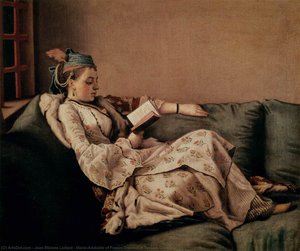
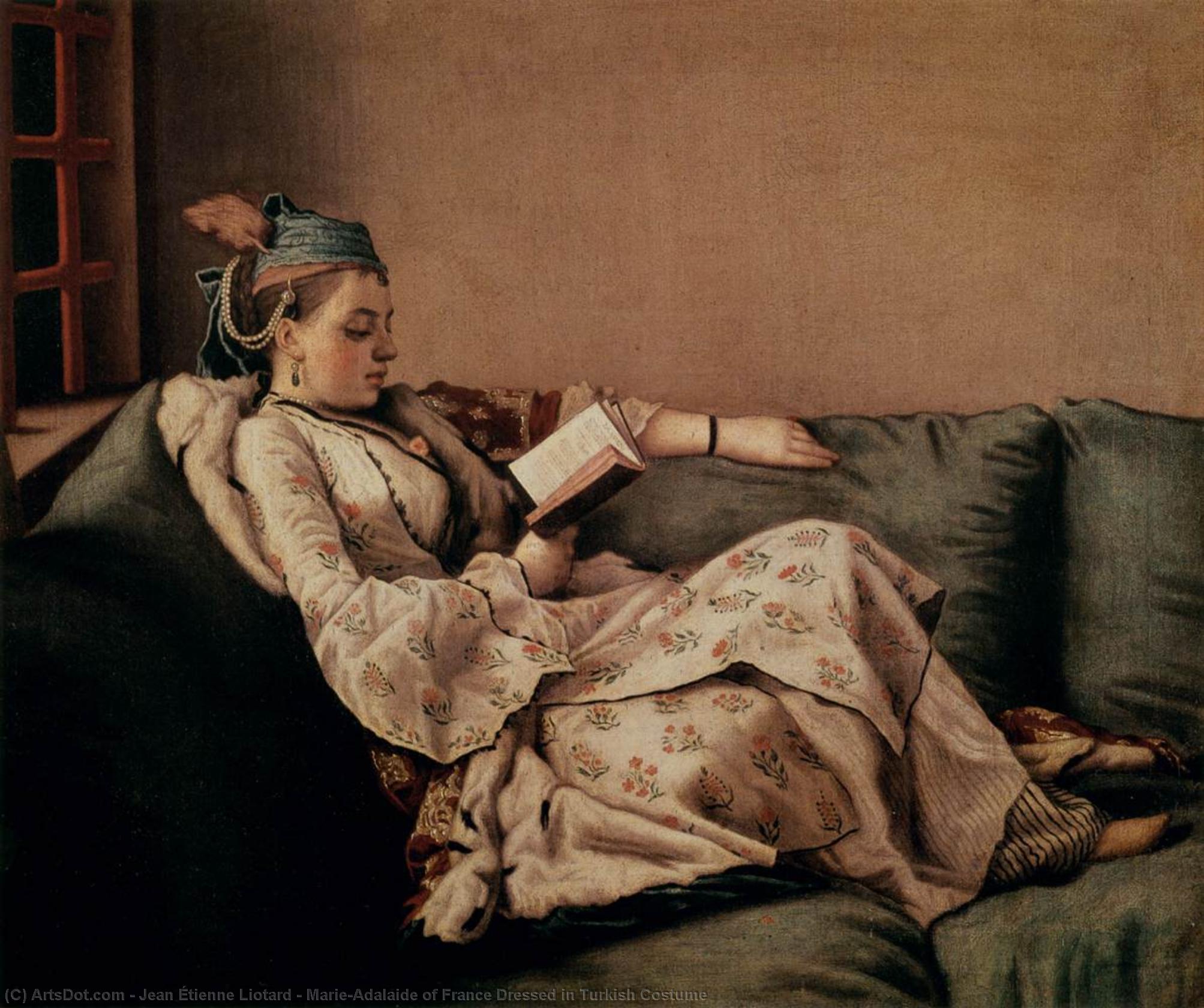
Marie-Adalaide of France Dressed in Turkish Costume
 Oil On Canvas
- WallArt
- Rococo Portraiture
 1753
1753 50.0 x 56.0 cm
 Galleria degli Uffizi
 Read More
Hand Made Oil Reproduction
Hand-painted oil on canvas in your size and frame, made to order by our artists. ( Buy Print Buy Image)




P118B $10

P118H $10

P118W $10

P438Z $10

P508JH $12

P508YH $12

P805H $10

P805Z $10

P919BZ $10

P919G $10

P919XJ $10

P959ZH $10

P968JZ $12

W106C $8

W218G $10

W218JH $8

W218Y $10

W307PJ $10

W316G $10

W316PJ $8

W316Y $10

W398PJ $8

W4111J $10

W500HY $15

W500JH $15

W692G $12

W849H $8

W940BG $15

W953PJ $8




Pick from our preset sizes that match the artwork's original proportions.

You may enter your own dimensions to fit a specific frame or space. If your selected size does not match the original image's proportions, we will either crop the artwork or extend the painting with additional hand-painted elements. A digital mockup will be sent for your approval before production begins.
Please note that the on-screen preview does not reflect the actual cropping or extension. Only the mockup will accurately show the final composition.
While custom sizes are available, we recommend selecting a dimension from the predefined list to preserve the original proportions.
After order, ArtsDot.com team will email client for instructions and provide a mockup preview
Worldwide Delivery () in 3/4 weeks instead of standard 5 weeks. (5 September). No compromise on quality.

Free Worldwide Express Shipping

High-Quality Linen Canvas

Full Shipping Insurance

Customs Tax Refund Guarantee

True Color Matching Guarantee

60-Day Return Policy (Defects Only)

100% Money-Back Guarantee

Bulk Discount Offer
 Glass option is only available in size under 110 CM

Marie-Adalaide of France Dressed in Turkish Costume
Reproduction Medium
Reproduction Size
-


Total Price
$ 263
A Glimpse of Parisian Elegance: Marie-Adelaide Dressed in Turkish Costume by Jean-Étienne Liotard
Jean-Étienne Liotard’s “Marie-Adalaide of France Dressed in Turkish Costume” is more than just a portrait; it's a meticulously crafted window into the opulent world of 18th-century European aristocracy and the burgeoning fascination with the Orient. Painted in 1753, this pastel masterpiece captures a moment of deliberate exoticism, revealing a carefully constructed tableau of luxury, diplomacy, and the allure of the unfamiliar. The painting depicts Marie-Adalaide, the third daughter of Louis XV, seated on a plush couch, her posture radiating an air of quiet contemplation as she reads a book. Her attire—a vibrant Turkish costume adorned with intricate embroidery and shimmering fabrics—immediately draws the eye, establishing a striking contrast against the relatively restrained backdrop of the room.
Liotard’s genius lies not merely in his technical skill but in his ability to evoke atmosphere and narrative through subtle details. The room itself is rendered with remarkable precision – a window offering a glimpse of natural light, a clock marking the passage of time, and the carefully arranged furniture all contribute to a sense of domestic tranquility. Yet, it’s the Turkish costume that dominates the composition, immediately transporting the viewer to a distant land. This wasn't simply a fashionable trend; the depiction of Eastern dress was deeply intertwined with European diplomacy at the time. The French court actively cultivated relationships with Ottoman dignitaries, and such portraits served as visual representations of these alliances, subtly conveying power and prestige.
The Pastel Master: Liotard’s Technique and Artistic Vision
Liotard was a pioneer in the use of pastel on canvas, a medium he elevated to an extraordinary level of detail and luminosity. Unlike traditional oil paints, pastels offer unparalleled subtlety and nuance, allowing for delicate gradations of tone and color that mimic the effects of charcoal or pencil. In “Marie-Adalaide,” Liotard’s mastery is immediately apparent in the rendering of textures – the luxurious sheen of the silk fabrics, the intricate embroidery, and even the folds of the woman's clothing are depicted with astonishing realism. The artist employs a technique known as ‘stippling,’ creating texture and depth through the rapid application of countless tiny dots of pastel pigment. This method gives the painting an almost velvety quality, inviting close inspection and revealing the incredible labor involved in its creation.
Furthermore, Liotard’s use of color is remarkably restrained yet highly effective. He favors muted tones—soft blues, greens, and browns—that create a sense of depth and atmosphere. The vibrant hues of the Turkish costume are strategically placed to draw attention to the subject while maintaining a harmonious balance within the composition. His palette reflects his time in Constantinople, where he was exposed to the rich colors and textures of the Ottoman world.
Symbolism and Context: A Portrait of Power and Diplomacy
Beyond its aesthetic beauty, “Marie-Adalaide” is laden with symbolic meaning. The act of reading suggests an educated and cultured woman, aligning her with the ideals of Enlightenment society. The Turkish costume itself represents a deliberate attempt to emulate the exotic allure of the Ottoman Empire—a power that was both admired and feared by European monarchs. This wasn’t simply about fashion; it was a strategic tool used to enhance diplomatic relations and project an image of sophistication and worldly knowledge.
The inclusion of the clock, a recurring motif in Liotard's work, subtly underscores the passage of time and the fleeting nature of beauty and power. It serves as a reminder that even the most opulent displays are ultimately transient. The painting’s historical context is crucial to understanding its significance; it reflects the complex political landscape of 18th-century Europe, where diplomacy and trade were inextricably linked with artistic expression.
A Timeless Masterpiece: Reproduction and Appreciation
Reproduced faithfully in a high-quality print, “Marie-Adalaide of France Dressed in Turkish Costume” remains a captivating work of art. Its delicate pastel tones, intricate details, and evocative atmosphere continue to resonate with viewers today. Whether adorning a formal salon or a private study, this painting offers a glimpse into a bygone era—a testament to the artistry of Jean-Étienne Liotard and his remarkable ability to capture both beauty and meaning on canvas.
Related Artworks

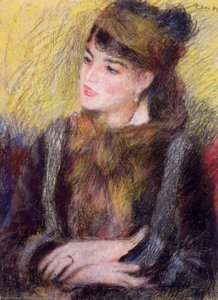
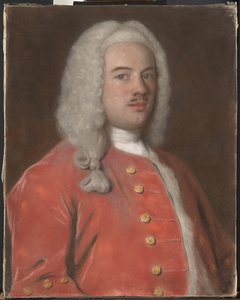
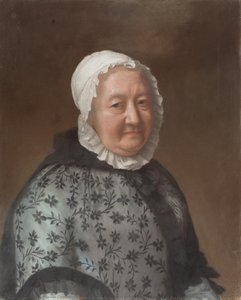
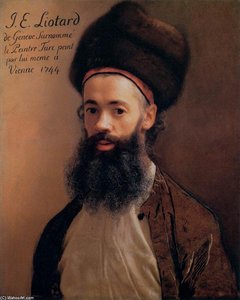
Artist Biography
early life and training
jean-étienne liotard, a renowned genevan painter, art connoisseur, and dealer, was born on december 22, 1702, in geneva, switzerland. his parents, french protestants, had fled to geneva after 1685. liotard's artistic journey began under the guidance of professors daniel gardelle and petitot, whose enamels and miniatures he skillfully replicated.artistic career
liotard's travels took him to various european capitals, including paris, rome, istanbul, and vienna, where his portraits were highly sought after. in 1725, he studied under jean-baptiste massé and françois lemoyne in paris. his time in constantinople (1738-1742) significantly influenced his work, as evident in his numerous pastel depictions of turkish domestic scenes.notable works and style
liotard's mastery of pastel is showcased in works like:- dutch girl at breakfast (ca. 1756, oil on canvas, rijksmuseum), demonstrating his versatility.
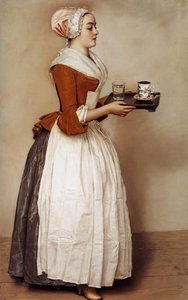
- la liseuse, the chocolate girl, and la belle lyonnaise at the dresden gallery, exemplifying his delicate pastel drawings.
- maria frederike van reede-athlone at seven (j. paul getty museum), a testament to his naturalistic portraiture.
legacy and later life
liotard's later years were marked by the publication of his treatise, traité des principes et des règles de la peinture (1781). he continued to paint still lifes and landscapes until his passing on june 12, 1789, in geneva. key links:- jean-étienne liotard | ArtsDot.com (artist page)
- jean-étienne liotard | wikipedia
- a woman in turkish dress | ArtsDot.com (painting)
museums and collections:
- the museum private collection (geneva, switzerland), featuring an impressive array of liotard's works.
- musée d'art et d'histoire (geneva, switzerland), housing a significant collection of liotard's pastels and drawings.
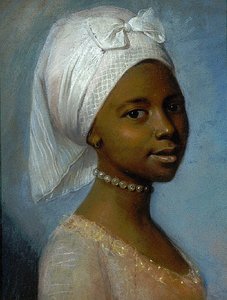
jean-étienne liotard
1702 - 1789 , Switzerland
Quick Facts
- Artistic Movement Or Style: Pastoralism
- Artists Or Movements Influenced By This Artist:
- Jean Baptiste Massé
- François Lemoyne
- Artists Who Influenced This Artist:
- Daniel Gardelle
- Petitot
- Date Of Birth: December 22, 1702
- Date Of Death: June 12, 1789
- Full Name: Jean-Étienne Liotard
- Nationality: Swiss
- Notable Artworks:
- Dutch Girl at Breakfast
- La Liseuse, The Chocolate Girl
- Maria Frederike van Reede-Athlone at Seven
- Place Of Birth: Geneva, Switzerland
Related Articles
Jean-Étienne Liotard: Rococo Portraiture & the Pursuit of Naturalism
Explore the exquisite Rococo portraits of Jean-Étienne Liotard, a master of pastel and enamel. Discover his innovative techniques, captivating Turkish scenes, and lasting influence on art history. Learn more at ArtsDot.
Maurice Quentin de La Tour: Light, Shadow & the Rococo Portrait
Explore the captivating world of Maurice Quentin de La Tour, a master of Rococo portraiture. Discover his innovative pastel techniques, intimate depictions of French aristocracy, and lasting artistic legacy. Learn more at ArtsDot.

Rococo's Radiant Legacy: 10 Masterpieces for Your Home |
Indulge in the elegance of Rococo! Explore 10 masterpieces by Fragonard, Boucher & Watteau. Discover the stories behind these iconic paintings and bring timeless art to your home with museum-quality reproductions from .

The Rococo Aesthetic: Opulence, Rebellion & the Pursuit of Pleasure in 18th-Century Art
Explore the opulent world of Rococo art! Discover its origins, key artists like Watteau & Boucher, and lasting influence on design. Expert insights for collectors & enthusiasts.
Charles-André van Loo: A Study in Rococo Portraiture & the French Court's Artistic Dynamics
Explore the elegant world of Charles-André van Loo, a master of Rococo portraiture at the French court. Discover his life, techniques, and enduring influence on 18th-century art. Hand-painted reproductions available.