

 Preview
 Send
Send Share
Share
 Details

 Download
 Similars
 X-Ray
X-Ray Diaporama
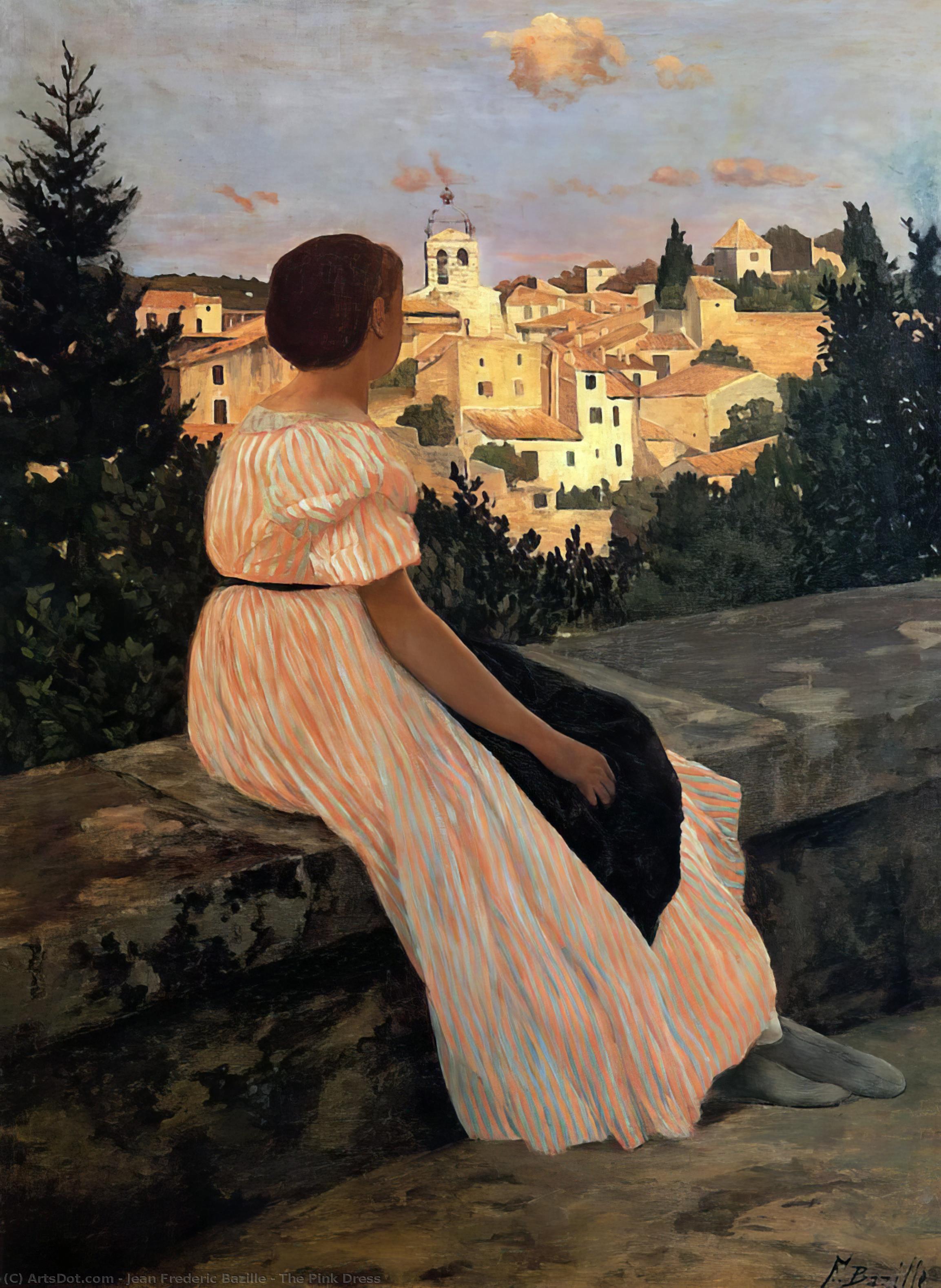
The Pink Dress


 Read More
Purchase a high-resolution, enhanced digital image, far superior to the online preview.
Each file is meticulously prepared by our in-house specialists using advanced tools and expert manual retouching. We ensure every image has exceptional clarity, precise color accuracy, and fine detail.
The final file is delivered via email within 72 hours, optimized for immediate use in professional, editorial, and print environments. This is the same quality trusted by top-tier design studios, publishers, and galleries.
Digital Image
Download a high-resolution file for personal display, printing, and creative projects. ( Buy Print Buy Hand Made Painting)
Included in Every Digital Image Order
Expert Digital Delivery, Guaranteed
When you choose ArtsDot.com, you're not just getting an image - you're receiving a professionally enhanced digital artwork, crafted with precision and backed by a satisfaction guarantee. Here's everything that comes with your order, automatically:

Fast Email Delivery
Your high-resolution digital image file will be emailed to you within 72 hours of ordering - ready for immediate use.

AI-Enhanced Digital File
Your artwork is professionally optimized using advanced AI tools and manual editing, ensuring maximum detail, clarity, and color accuracy.

Free Lifetime Re-Delivery
Accidentally deleted or lost your file? No worries - we'll resend it to you anytime, free of charge.

No Import Fees - Ever
Enjoy your artwork instantly with zero customs, duties, or delivery fees - digital downloads are always tax-free.

Color Accuracy Guarantee
We ensure your digital image reflects the original colors as closely as possible using professional tools and color management.

60-Day Satisfaction Guarantee
If you're not satisfied with your digital image, we'll revise it or refund 100% within 60 days - no questions asked.

100% Money-Back Guarantee
Not satisfied? Get a full refund within 60 days of receiving your digital file - no questions asked.

Bulk Order Discounts
Buy 3 images, save 10% - Buy 5, save 15% - Buy 10+, save 20%. Great for creative projects, galleries, and agencies.
Collectible Description
The Enigmatic Pink Dress of Marilyn Monroe
Marilyn Monroe’s “Pink Dress,” designed by William Travilla for Howard Hawks’ 1953 film *Gentlemen Prefer Blondes*, transcends mere costume; it embodies an enduring symbol of glamour, ambition, and the seductive allure of Hollywood. The dress itself—a shocking pink silk satin gown adorned with black satin lining and a large bow—represents more than just fabric and embellishments; it encapsulates a pivotal moment in cinematic history and continues to fascinate audiences today.
- Design & Construction: Travilla meticulously crafted the gown, prioritizing movement and elegance. Recognizing the challenges posed by filming choreography, he cleverly incorporated a slit at the back of the dress to allow for fluid motion during Monroe’s iconic performance of “Diamonds Are a Girl’s Best Friend.” The bow—a substantial element of the design—served as both decorative flourish and structural support.
- Material & Technique: Silk satin, chosen for its luxurious sheen and drape, was skillfully pleated to create volume and enhance visual impact. Travilla utilized meticulous hand sewing techniques to attach embellishments like sequins and rhinestones, ensuring precision and durability. The dress’s construction demanded considerable artistry and attention to detail.
A Reflection of Hollywood Glamour
The film *Gentlemen Prefer Blondes* arrived at a time when Marilyn Monroe was establishing herself as an international superstar—a figure synonymous with femininity, sophistication, and unapologetic confidence. The pink dress wasn’t merely a garment; it was a carefully curated visual statement designed to amplify Monroe's charisma and solidify her image as the embodiment of Hollywood glamour.
- Historical Context: Released during the Eisenhower administration, *Gentlemen Prefer Blondes* captured the spirit of postwar America—a period characterized by optimism, consumerism, and a fascination with celebrity culture. The dress’s appearance coincided with growing anxieties surrounding Monroe's sexuality, prompting Travilla to deliberately minimize overt sensuality in its design.
- Symbolism: The shocking pink hue itself carries significant symbolic weight, representing boldness, passion, and defiance of convention. Coupled with the opulent embellishments—diamonds and sequins—the dress symbolizes wealth, desirability, and the pursuit of unattainable dreams.
Enduring Legacy & Artistic Inspiration
The “Pink Dress” has achieved iconic status within popular culture, inspiring countless reproductions and reinterpretations across various artistic mediums. Madonna’s 1985 music video for “Material Girl”—a masterful homage to Monroe—cemented the dress's place in cinematic history as a symbol of female empowerment and rebellious glamour.
- Contemporary Relevance: The dress continues to resonate with designers and artists today, serving as a source of inspiration for fashion collections and visual artworks alike. Its timeless elegance and evocative symbolism demonstrate the enduring power of art to capture cultural moments and convey profound emotional truths.
- Reproductions & Artistic Interpretations: High-quality reproductions of Marilyn Monroe’s “Pink Dress” are available from reputable art dealers and publishers, allowing collectors and enthusiasts to experience the dress's beauty firsthand. Artists have explored diverse interpretations of the garment—from sculptural installations to digital animations—further enriching its cultural significance.
A Masterpiece of Costume Design
William Travilla’s “Pink Dress” stands as a testament to the transformative potential of costume design—a discipline capable of elevating film narratives and shaping perceptions of celebrity culture. Its meticulous craftsmanship, symbolic richness, and enduring legacy solidify its position as one of Hollywood's most unforgettable sartorial achievements.
Related Artworks
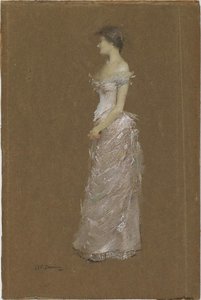
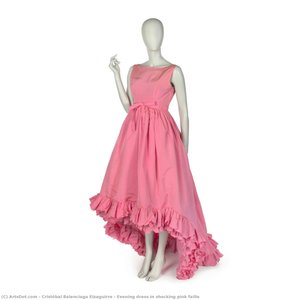
Artist Biography
The Brief Radiance of Jean Frédéric Bazille
Jean Frédéric Bazille’s story is one of immense promise tragically cut short, a fleeting yet significant contribution to the burgeoning Impressionist movement. Born in Montpellier, France, on December 6, 1841, into a prosperous Protestant family involved in wine production, Bazille initially seemed destined for a life far removed from the world of art. His parents, while supportive, insisted he pursue medical studies alongside his artistic inclinations – a compromise reflecting the societal expectations of the time and their desire for his financial security. This duality would shape his early years, dividing his attention between anatomical dissection and the captivating allure of color and light. However, it was within the vibrant atmosphere of Paris, where he relocated in 1862 to continue his medical training, that Bazille’s artistic path truly began to unfold.
Forging a Path Amongst Giants
Paris proved to be a crucible for young Bazille. He quickly fell in with a circle of artists who would become synonymous with Impressionism: Claude Monet, Pierre-Auguste Renoir, and Alfred Sisley. Studying under Charles Gleyre provided him with formal training, but it was the shared passion and radical ideas exchanged amongst these friends that truly ignited his artistic vision. Bazille’s financial stability – a fortunate contrast to the often precarious existence of his companions – allowed him to generously support them, offering studio space and materials. This generosity wasn't merely practical; it stemmed from a deep camaraderie and belief in their collective potential. He became a vital hub for this emerging group, fostering an environment of experimentation and mutual encouragement. His early works, like The Pink Dress (c. 1864), already demonstrate a keen eye for capturing fleeting moments and the effects of light – hallmarks that would define Impressionism. He wasn’t simply mimicking established styles; he was actively participating in the creation of something entirely new.
A Style Defined by Light and Friendship
Bazille's artistic style, though developing rapidly, possessed a unique character within the broader Impressionist aesthetic. While sharing their fascination with *plein air* painting – working outdoors to directly capture the nuances of natural light – his compositions often exhibited a more structured quality than Monet’s or Renoir’s. He frequently combined figure painting with landscape, placing his subjects thoughtfully within their environment, as seen in masterpieces like Family Reunion (1867-1868). This work is not merely a depiction of familial gathering; it's an exploration of light filtering through the trees, animating the scene and imbuing it with a sense of warmth and intimacy. His paintings weren’t just about *what* he saw, but *how* he saw it – the emotional resonance evoked by color, form, and light. He was deeply influenced by Eugène Delacroix, whose vibrant use of color resonated with his own artistic sensibilities, yet he moved beyond academic conventions to embrace a more modern sensibility.
A Life Interrupted: Legacy and Remembrance
The blossoming career of Jean Frédéric Bazille was brutally interrupted by the Franco-Prussian War in 1870. Driven by a sense of patriotic duty, he joined a Zouave regiment just months after the conflict erupted. Tragically, he was killed in action on November 28, 1870, at the young age of 28, near Beaune-la-Rolande. His death sent shockwaves through the artistic community, robbing them of a talented friend and generous benefactor. His premature demise meant his work remained relatively unknown for many years. However, in recent decades, Bazille’s contributions have been increasingly recognized and celebrated. Today, his paintings are held in prestigious museums like the Musée d'Orsay in Paris, and reproductions allow art lovers worldwide to experience the beauty and innovation of his vision. Bazille’s legacy extends beyond his artistic output; he embodies the spirit of youthful idealism, unwavering dedication, and the power of friendship that defined the early days of Impressionism. He remains a poignant reminder of the potential lost, yet also a testament to the enduring impact of a brief but brilliant career.
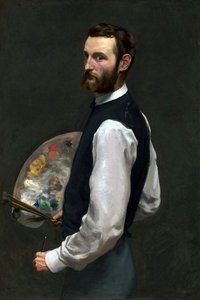
Frédéric Bazille
1841 - 1870 , France
Quick Facts
- Artistic Movement Or Style: Impressionism
- Artists Or Movements Influenced By This Artist: ['Impressionism']
- Artists Who Influenced This Artist: ['Eugène Delacroix']
- Date Of Birth: December 6, 1841
- Date Of Death: November 28, 1870
- Full Name: Jean Frédéric Bazille
- Nationality: French
- Notable Artworks:
- The Pink Dress
- Family Reunion
- Studio in Rue de Furstenberg
- Bathers (Summer Scene)
- Place Of Birth: Montpellier, France

