 Preview
 Send
Send Share
Share
 Details

 Download
 Similars
 X-Ray
X-Ray Diaporama
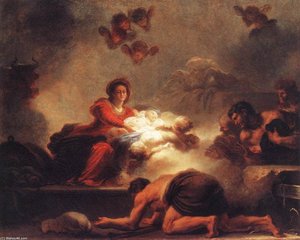
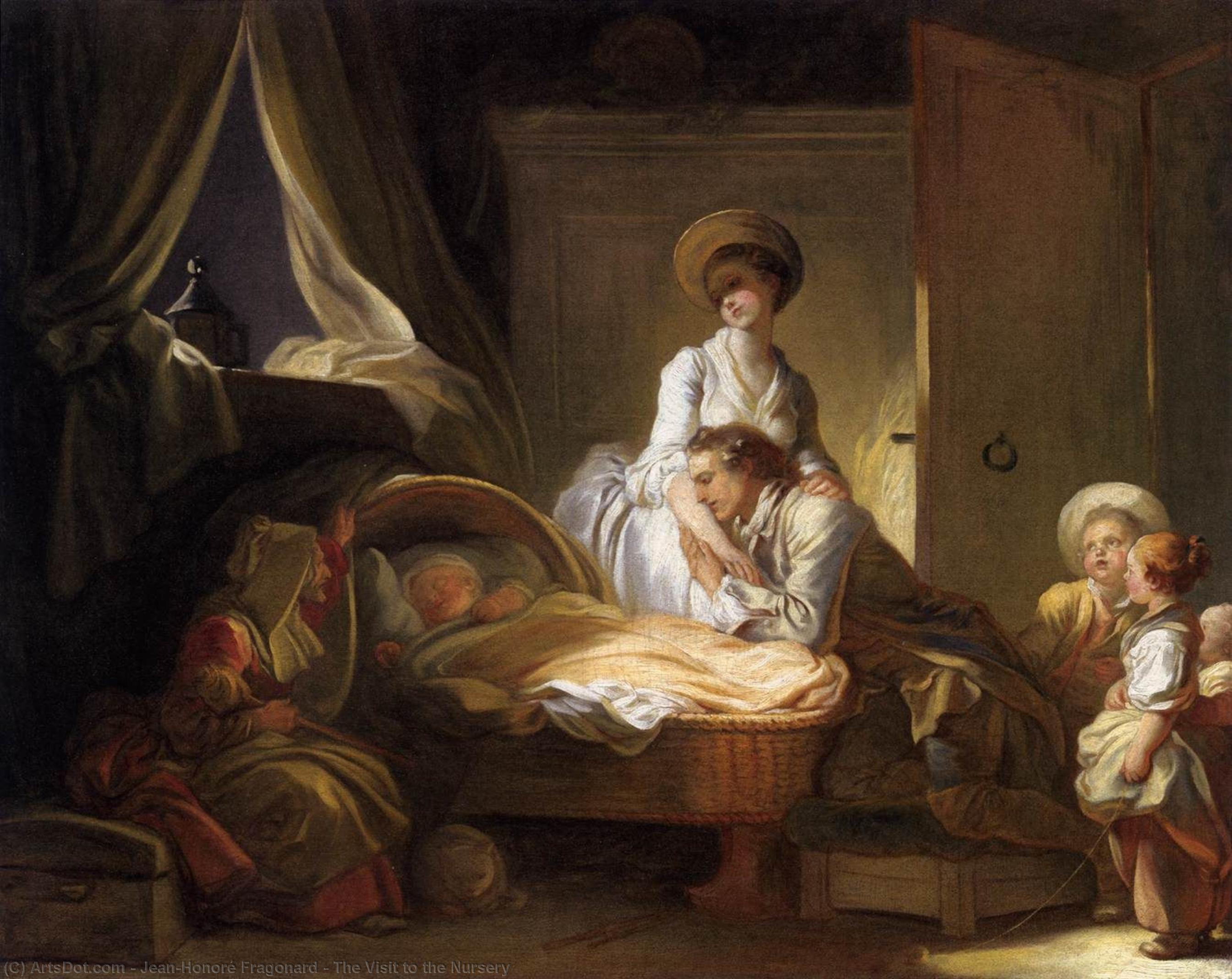
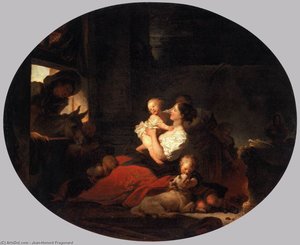
The Visit to the Nursery
 Oil On Canvas
- WallArt
- Rococo
 1775
1775 73.0 x 92.0 cm
 National Gallery of Art
 Read More
Giclée / Art Print
Museum-quality giclée or canvas print with fast production and flexible finish options. ( Buy Hand Made Painting Buy Image)




P118B $10

P118H $10

P118W $10

P438Z $10

P508JH $12

P508YH $12

P805H $10

P805Z $10

P919BZ $10

P919G $10

P919XJ $10

P959ZH $10

P968JZ $12

W106C $8

W218G $10

W218JH $8

W218Y $10

W307PJ $10

W316G $10

W316PJ $8

W316Y $10

W398PJ $8

W4111J $10

W500HY $15

W500JH $15

W692G $12

W849H $8

W940BG $15

W953PJ $8




Pick from our preset sizes that match the artwork's original proportions.

You may enter your own dimensions to fit a specific frame or space. If your selected size does not match the original image's proportions, we will either crop the artwork or extend the image with a mirrored or solid-fill edge. A digital mockup will be sent for your approval before production begins.
Please note that the on-screen preview does not reflect the actual cropping or extension. Only the mockup will accurately show the final composition.
While custom sizes are available, we recommend selecting a dimension from the predefined list to preserve the original proportions.
Worldwide Delivery () in 2 weeks instead of standard 4/5 weeks. (16 August)

Free Worldwide Express Shipping

High-Quality Linen Canvas

Full Shipping Insurance

Customs Tax Refund Guarantee

True Color Matching Guarantee

60-Day Return Policy (Defects Only)

100% Money-Back Guarantee

Bulk Discount Offer
 Glass option is only available in size under 110 CM

The Visit to the Nursery
Giclée / Art Print
Reproduction Size
-


Total Price
$ 63
Collectible Description
A Moment of Tender Vigilance: Jean-Honoré Fragonard’s “The Visit to the Nursery”
Jean-Honoré Fragonard's "The Visit to the Nursery," painted around 1775, is more than just a charming domestic scene; it’s a poignant meditation on motherhood, vulnerability, and the quiet strength of familial love. Held within the esteemed collection of the National Gallery of Art in Washington D.C., this Rococo masterpiece invites us into a world of delicate beauty and subtle emotion, capturing a fleeting moment of profound connection between a woman and her sleeping infant.
The painting immediately establishes a sense of serene tranquility. A young girl, dressed in a vibrant pink gown, playfully interacts with a man – likely the child’s father – while his wife attentively watches over their sleeping baby nestled within a woven basket. The composition is masterfully executed, adhering to the principles of Rococo art through its pyramidal structure and emphasis on graceful forms. Fragonard skillfully employs light and shadow to draw our attention to the central figures, particularly the faces of the women, imbuing them with an air of both tenderness and quiet concern.
The Language of Rococo: Style and Technique
Fragonard’s style is quintessential Rococo – characterized by its lightness, elegance, and a deliberate avoidance of rigid formality. Unlike the grand narratives favored in earlier periods, this painting focuses on intimate details and subtle gestures. The brushwork is remarkably fluid and loose, creating a sense of movement and spontaneity that mirrors the playful interaction between the figures. Notice how Fragonard uses delicate layering of paint to render the textures of the fabrics – the soft folds of the gown, the rough weave of the basket – adding depth and realism to the scene.
The color palette is dominated by warm, inviting tones: creams, browns, and golds create a sense of warmth and domestic comfort. Subtle touches of cooler blues and whites in the background provide contrast and enhance the overall harmony of the composition. The artist’s masterful use of chiaroscuro – the interplay of light and shadow – dramatically highlights key areas, drawing our eye to the faces of the figures and emphasizing their emotional expressions.
A Window into 18th-Century Life
"The Visit to the Nursery" offers a fascinating glimpse into the social and cultural landscape of 18th-century France. During this period, motherhood was increasingly valued as a cornerstone of society, and the image of the devoted mother nurturing her children held immense symbolic significance. Fragonard’s painting reflects these prevailing attitudes while simultaneously imbuing the scene with a sense of understated elegance and charm.
The setting itself – a nursery filled with simple comforts and surrounded by lush greenery – speaks to the growing emphasis on domesticity during this era. The inclusion of the young girl adds a touch of youthful innocence, further reinforcing the painting’s theme of familial love and continuity. It's important to note that Fragonard was working in a time when depictions of motherhood were evolving, moving away from purely religious themes towards more secular representations of family life.
Symbolism and Emotional Resonance
Beyond its surface beauty, “The Visit to the Nursery” is rich in symbolism. The sleeping infant represents vulnerability and innocence, while the attentive mother embodies protection and care. The man’s presence suggests a shared responsibility for nurturing the child, highlighting the importance of both parents in raising a family. The playful interaction between the girl and her father hints at the joys of childhood and the promise of future generations.
Ultimately, Fragonard's masterpiece evokes a powerful sense of tenderness and quiet devotion. It’s a reminder of the profound emotional bonds that connect us to our families and the enduring beauty of simple moments shared within the walls of home. The painting’s timeless appeal lies in its ability to resonate with viewers across generations, capturing a universal truth about the joys and challenges of motherhood.
Related Artworks


Artist Biography
A Life Bathed in Light: The World of Jean-Honoré Fragonard
Born amidst the fragrant fields of Grasse, France, in 1732, Jean-Honoré Fragonard’s artistic journey began not with grand ambition but a quiet relocation to Paris with his family. It was there, under the initial guidance of Jean Siméon Chardin – a master of everyday life and subtle observation – that young Fragonard first encountered the possibilities of paint and canvas. However, it was within the atelier of François Boucher, the celebrated painter to the court of Louis XV, that his true stylistic foundations were laid. Boucher’s influence instilled in Fragonard a love for graceful forms, delicate colors, and the playful spirit that would come to define his oeuvre. Winning the prestigious Prix de Rome in 1752 marked a pivotal moment, affording him the opportunity to immerse himself in the classical world of Italy for several years. This period wasn’t merely about copying ancient masters; it was an awakening – a chance to absorb the vibrancy and sensuality that would later infuse his own unique vision.The Rococo Master: A Celebration of Pleasure and Intrigue
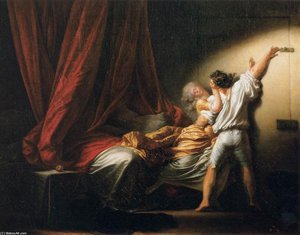
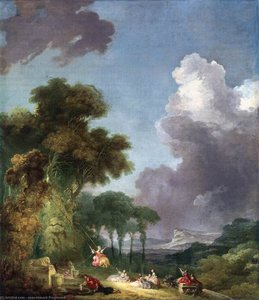
Upon returning to Paris, Fragonard swiftly established himself as a leading figure in the burgeoning Rococo movement. This wasn’t simply about adopting a style; it was about embodying an entire worldview – one that celebrated pleasure, intimacy, and the fleeting beauty of life. His paintings weren't intended for grand public display but rather for the private salons of aristocrats seeking works that whispered secrets and hinted at hidden desires. The Swing, perhaps his most iconic creation, perfectly encapsulates this spirit. A young woman playfully kicks off her shoe as a bishop pushes her swing, while a hidden lover gazes up from below – it’s a scene brimming with mischievous energy and veiled eroticism. Other works like The Bolt and Love Vow continue this exploration of clandestine encounters and the delicate dance between attraction and restraint. Fragonard didn't merely depict scenes of love; he created an atmosphere, a mood – one that was both alluring and slightly dangerous. His brushwork became increasingly fluid and spontaneous, capturing not just appearances but also the very essence of fleeting moments.Beyond the Salon: Experimentation and Evolving Styles
While Fragonard achieved considerable success within the established art world, he wasn’t one to remain confined by its conventions. He experimented with different genres and techniques throughout his career, demonstrating a remarkable versatility. His early attempts at history painting, though initially praised, didn't fully satisfy him; he found greater freedom in exploring more intimate and personal subjects. A brief flirtation with Neoclassicism – evident in portraits like that of Denis Diderot – showcased his willingness to engage with contemporary artistic trends, but it was the Rococo sensibility that ultimately defined his legacy. He also excelled as a draftsman, producing countless sketches and drawings that reveal his masterful command of line and form. These weren’t merely preparatory studies; they were often works of art in their own right, capturing fleeting impressions and intimate moments with remarkable sensitivity.A Legacy Enduring Through Time
The French Revolution brought a dramatic shift in artistic tastes, and Fragonard's lighthearted, aristocratic style fell out of favor. He retreated to his hometown of Grasse for a time, returning to Paris only after the political turmoil subsided. Though he held administrative positions at the Louvre during this period, his creative output diminished. However, his influence continued to resonate through subsequent generations of artists. His emphasis on color, light, and sensuality paved the way for Impressionism, while his playful spirit and rejection of academic constraints inspired a more liberated approach to artmaking. Today, Fragonard’s works are celebrated in museums around the world – from the Louvre in Paris to the National Gallery of Art in Washington D.C. His paintings continue to captivate audiences with their beauty, wit, and enduring appeal, reminding us of a time when life was meant to be savored, and pleasure was considered an art form itself.Notable Works & Collections
- The Swing (L'Escarpolette): Wallace Collection, London – A quintessential example of Rococo exuberance.
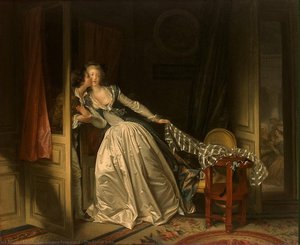
- The Bolt: View on ArtsDot - A captivating scene of domestic intrigue and playful tension.
- Love Vow: Discover more about Fragonard’s works on ArtsDot – A tender depiction of romantic commitment.
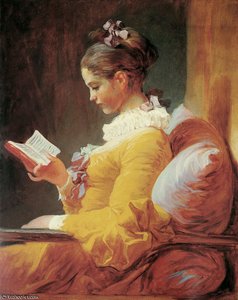
- Young Girl Reading: Featured in artworks databases, showcasing his mastery of portraiture and light.
- Works are also prominently displayed at the Musée du Louvre, Grasse Cathedral, The Metropolitan Museum of Art, and The Frick Collection.
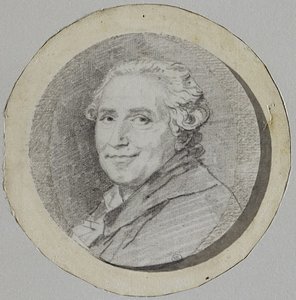
Jean-Honoré Fragonard
1732 - 1806 , France
Quick Facts
- Artistic Movement Or Style: Rococo
- Artists Or Movements Influenced By This Artist: Subsequent art movements
- Artists Who Influenced This Artist:
- François Boucher
- Charles-André van Loo
- Date Of Birth: April 4, 1732
- Date Of Death: August 22, 1806
- Full Name: Jean-Honoré Fragonard
- Nationality: French
- Notable Artworks:
- The Swing
- The Bolt
- Love Vow
- Young Girl Reading
- Place Of Birth: Grasse, France
Related Articles
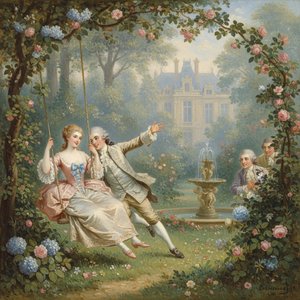
The Rococo Reverie of Fragonard: Love, Leisure & Pleasure in 18th-Century France
Explore the captivating world of Jean-Honoré Fragonard! Discover his Rococo masterpieces, intimate portraits & the allure of 18th-century French art. Learn about 'The Progress of Love' and more at ArtsDot.

Rococo's Radiant Legacy: 10 Masterpieces for Your Home |
Indulge in the elegance of Rococo! Explore 10 masterpieces by Fragonard, Boucher & Watteau. Discover the stories behind these iconic paintings and bring timeless art to your home with museum-quality reproductions from .
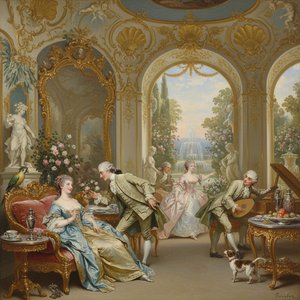
The Rococo Aesthetic: Opulence, Rebellion & the Pursuit of Pleasure in 18th-Century Art
Explore the opulent world of Rococo art! Discover its origins, key artists like Watteau & Boucher, and lasting influence on design. Expert insights for collectors & enthusiasts.
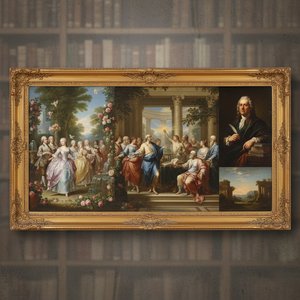
Illuminating the Enlightenment: A Comprehensive Exploration of 18th-Century Painting
Explore the captivating world of 18th-century painting! Discover Rococo's playful elegance & Neoclassicism’s Enlightenment ideals with expert insights into Fragonard, David, and more. A comprehensive guide for art enthusiasts.

Oil on Canvas: A Historical & Technical Exploration of a Timeless Artistic Medium
Explore the rich history & enduring techniques of oil painting on canvas. Discover the science behind its longevity, conservation practices, and contemporary relevance. Expert insights for art enthusiasts.