 Preview
 Send
Send Share
Share
 Details

 Download
 Similars
 X-Ray
X-Ray Diaporama
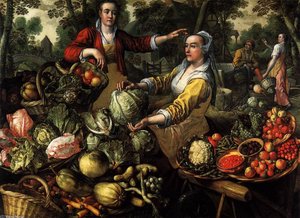
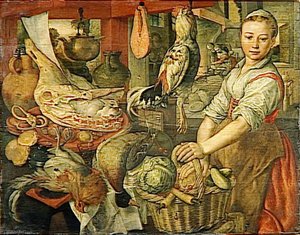
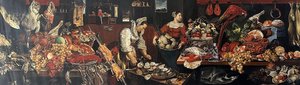
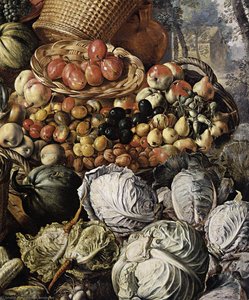
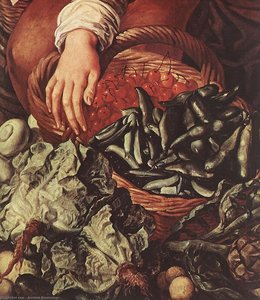
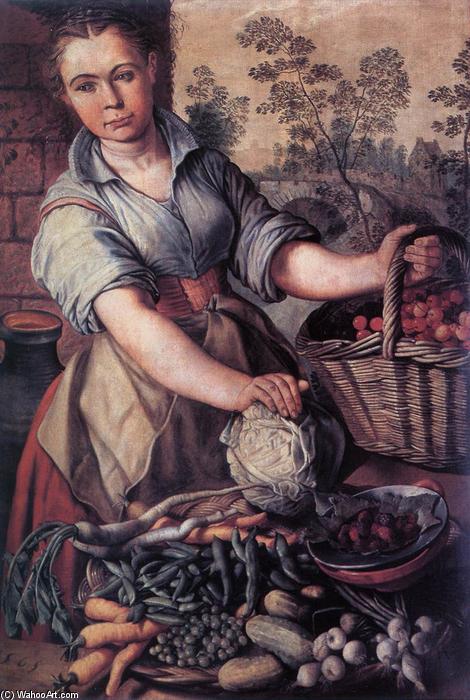
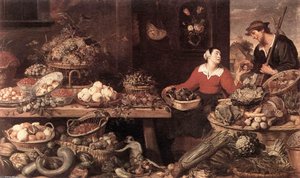
Vegetable Seller
 Oil
Oil- WallArt
- Baroque Realism
 Renaissance
 111.0 x 81.0 cm
 Museum Mayer van den Bergh
 Read More
Hand Made Oil Reproduction
Hand-painted oil on canvas in your size and frame, made to order by our artists. ( Buy Print Buy Image)




P118B $10

P118H $10

P118W $10

P438Z $10

P508JH $12

P508YH $12

P805H $10

P805Z $10

P919BZ $10

P919G $10

P919XJ $10

P959ZH $10

P968JZ $12

W106C $8

W218G $10

W218JH $8

W218Y $10

W307PJ $10

W316G $10

W316PJ $8

W316Y $10

W398PJ $8

W4111J $10

W500HY $15

W500JH $15

W692G $12

W849H $8

W940BG $15

W953PJ $8




Pick from our preset sizes that match the artwork's original proportions.

You may enter your own dimensions to fit a specific frame or space. If your selected size does not match the original image's proportions, we will either crop the artwork or extend the painting with additional hand-painted elements. A digital mockup will be sent for your approval before production begins.
Please note that the on-screen preview does not reflect the actual cropping or extension. Only the mockup will accurately show the final composition.
While custom sizes are available, we recommend selecting a dimension from the predefined list to preserve the original proportions.
After order, ArtsDot.com team will email client for instructions and provide a mockup preview
Worldwide Delivery () in 3/4 weeks instead of standard 5 weeks. (17 August). No compromise on quality.

Free Worldwide Express Shipping

High-Quality Linen Canvas

Full Shipping Insurance

Customs Tax Refund Guarantee

True Color Matching Guarantee

60-Day Return Policy (Defects Only)

100% Money-Back Guarantee

Bulk Discount Offer
 Glass option is only available in size under 110 CM

Vegetable Seller
Reproduction Medium
Reproduction Size
-


Total Price
$ 263
Artwork Description
Joachim Beuckelaer: The Quiet Triumph of Observation
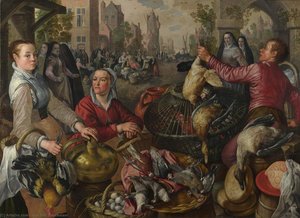
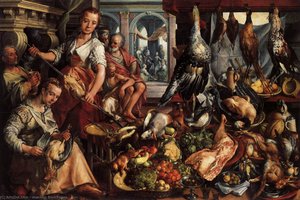
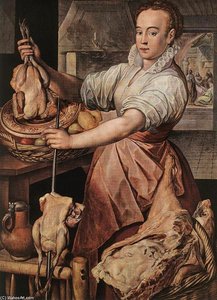
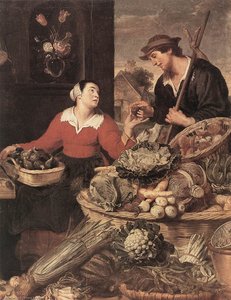
Joachim Beuckelaer stands as an intriguing figure in the constellation of Flemish Renaissance painters—a master whose influence resonates through generations, yet whose name often lacks the immediate recognition afforded to his contemporaries like Pieter Bruegel or Rubens. He carved out a distinctive niche within the artistic landscape of Antwerp and beyond, specializing in scenes depicting everyday life, particularly bustling marketplaces and domestic interiors populated by meticulously rendered figures engaged in commonplace activities. While overshadowed by more flamboyant personalities, Beuckelaer’s work possesses a remarkable subtlety—a quiet triumph of observation that anticipates the burgeoning genre of still life art and elevates the mundane to an aesthetic level worthy of contemplation.- A Pioneer of Market Views: Beuckelaer's contribution to art history lies primarily in his masterful depiction of market scenes. Unlike many artists of his time who focused on grand narratives or mythological allegories, he turned his gaze inward, capturing the vibrant energy and sensory richness of a typical Flemish marketplace. His paintings aren’t merely representations of commerce; they are carefully constructed compositions designed to convey a sense of realism and immediacy—a feat achieved through painstaking detail and masterful use of perspective.
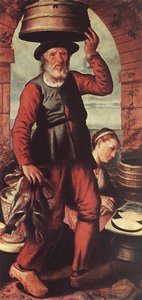
- The Influence of Pieter Aertsen: Beuckelaer's artistic development was profoundly shaped by his teacher, Pieter Aertsen, who is credited with initiating the genre of market view. Aertsen’s pioneering explorations into portraying domestic interiors and marketplaces established a precedent for subsequent artists—including Beuckelaer—to delve deeper into capturing the textures and nuances of everyday life.
- Symbolism Embedded in Detail: Beyond mere visual accuracy, Beuckelaer's paintings are imbued with symbolic meaning. Like Aertsen before him, he skillfully incorporated religious iconography into his market scenes—often subtly referencing biblical narratives through architectural elements or depictions of figures engaged in ritualistic gestures. These additions elevate the artwork beyond a simple depiction of daily life, inviting viewers to consider broader themes of faith and morality.
- Technique: Chalk Ground and Layered Paint: Beuckelaer’s technique exemplifies the meticulous craftsmanship characteristic of Flemish painting during the Renaissance. He began by applying a chalk ground to his oak panels—a preparatory layer that ensured optimal adhesion for subsequent paint layers. The artist then meticulously built up the image using thin, translucent glazes—a technique perfected by Aertsen—allowing him to achieve remarkable luminosity and depth.
- The Legacy of Observation: Perhaps Beuckelaer’s most enduring legacy is his unwavering commitment to observing and representing the world around him with unflinching honesty. He eschewed grand gestures or stylized conventions, opting instead for a quiet realism that anticipates the stylistic innovations of later artists—particularly those who would champion the genre of still life art. His work reminds us that beauty can be found in the simplest of subjects—a testament to Beuckelaer’s profound understanding of artistic expression as a means of capturing and conveying the essence of human experience.
Notable Works: The Vegetable Market and Beyond
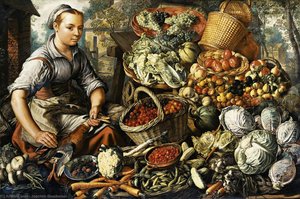
Among Beuckelaer's oeuvre, *The Vegetable Market* stands out as arguably his most celebrated masterpiece—a luminous depiction of a Flemish marketplace brimming with fresh produce and populated by figures engaged in the transaction of goods. Executed in 1567, this painting exemplifies Beuckelaer’s signature style: meticulous detail combined with subtle symbolic resonance. The artwork's vibrant colors—particularly the reds and greens—capture the vitality of the scene, while its composition draws inspiration from Pieter Aertsen’s pioneering explorations into market views. Recent conservation efforts revealed hidden layers of varnish and retouching, highlighting the challenges faced by preserving artworks from bygone eras.Further Research
Detailed analysis of Beuckelaer's artistic process—including his use of underdrawings and glazing techniques—provides invaluable insight into the evolution of Renaissance painting. Examination of related works by Pieter Aertsen illuminates the shared influences that shaped their artistic vision, demonstrating a collaborative spirit within Antwerp’s artistic community. Ongoing scholarly research continues to refine our understanding of Beuckelaer's life and career, uncovering new information about his family background and his role in shaping the cultural landscape of 16th-century Flanders. KMSKA’s comprehensive documentation of *The Vegetable Market* offers a valuable resource for art historians and enthusiasts alike—a testament to the enduring fascination with this remarkable artist and his contribution to the history of visual culture.Related Artworks
Artist Biography
A Life Immersed in the Everyday: Joachim Beuckelaer and the Dawn of Still Life
Joachim Beuckelaer, a name perhaps less instantly recognizable than his contemporaries, occupies a pivotal position in the history of Flemish painting. Born around 1533 in Antwerp, a city then pulsing with artistic innovation, he emerged as a master of scenes depicting the bustling world of markets and kitchens. These weren’t merely depictions of daily life; they were carefully constructed narratives, often subtly interwoven with religious symbolism, that signaled a shift in artistic focus—a move towards observing and celebrating the tangible realities of existence alongside traditional spiritual themes. Beuckelaer wasn't simply *painting* what he saw; he was elevating the commonplace to a level worthy of artistic attention, laying crucial groundwork for the development of still life as an independent genre. His family background steeped in artistry—his father, Mattheus Beuckeleer, and uncle, Pieter Aertsen, were both established painters—provided him with early exposure and training. It was within his uncle’s workshop that he likely honed his skills, absorbing Aertsen's pioneering approach to market scenes before ultimately surpassing him in technical prowess and nuanced storytelling.The Antwerp Workshop and Artistic Development
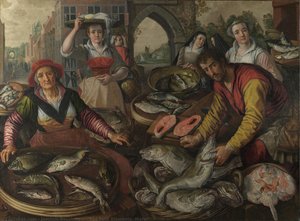
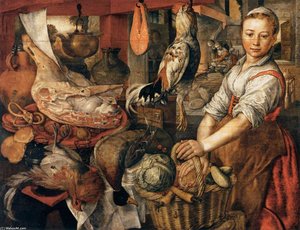
Antwerp during the 16th century was a vibrant hub of commerce and culture, and Beuckelaer’s art reflects this energy. He became an independent master within the Guild of Saint Luke in 1560, solidifying his place within the artistic community. However, he didn't simply replicate Aertsen’s style; he refined it, adding layers of complexity and detail. While Aertsen often presented a somewhat chaotic abundance, Beuckelaer brought a greater sense of order and clarity to his compositions. His scenes are meticulously arranged, with each object rendered with remarkable precision—the glistening scales of fish, the plumpness of fruit, the sheen of pewter vessels. This dedication to realism wasn’t merely about technical skill; it was about imbuing these everyday objects with a sense of presence and significance. The Four Elements series stands as a testament to this approach—a set of paintings depicting fish markets that simultaneously celebrate the bounty of nature and subtly allude to biblical narratives, with twelve varieties of fish representing the apostles and Christ’s miracle of the loaves and fishes unfolding in the background. This ability to seamlessly blend the secular and the sacred became a hallmark of his work.Kitchens as Canvases: Symbolism and Narrative
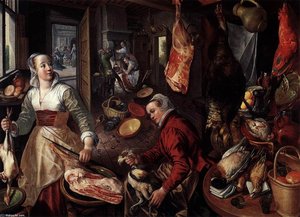
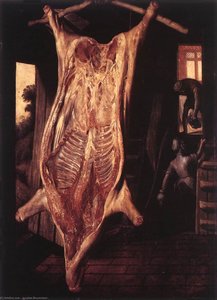
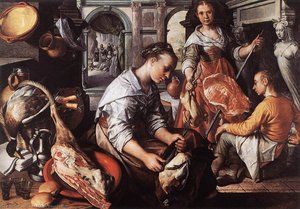
Beyond market scenes, Beuckelaer also excelled at depicting kitchens—spaces brimming with activity and symbolic potential. His Kitchen Scene with Christ at Emmaus, for example, is a particularly striking example of his innovative approach. He doesn’t simply depict the biblical story as a separate scene; he integrates it directly into the bustling environment of a kitchen, where preparations for a meal are underway. This juxtaposition creates a powerful sense of immediacy and invites viewers to contemplate the spiritual significance of everyday acts. The abundance of food in these scenes wasn't merely decorative; it often carried symbolic weight—representing prosperity, fertility, or even temptation. Beuckelaer’s skill lay in his ability to imbue these seemingly mundane settings with layers of meaning, transforming them into compelling visual narratives. He also ventured into pure still life compositions, such as Still Life of a Carcass (1563), considered one of the earliest dated examples of this subject, further demonstrating his mastery of detail and realism and pushing the boundaries of artistic convention.Legacy and Influence: A Bridge to New Artistic Horizons
Joachim Beuckelaer’s influence extended far beyond his own lifetime. His detailed depictions of everyday life paved the way for a new generation of artists who would further explore the possibilities of still life painting. Artists like Frans Snyders, known for his lavish and elaborate displays of food, directly built upon the foundations laid by Beuckelaer. His impact wasn’t limited to Northern Europe; his work also resonated with Italian painters such as Vincenzo Campi, demonstrating the widespread appeal of his innovative approach. By shifting the focus from primarily religious themes towards more secular subjects—while still retaining a subtle spiritual undercurrent—Beuckelaer played a crucial role in transforming Flemish art and anticipating the artistic trends that would define the centuries to come. He died around 1573, leaving behind a body of work that continues to captivate and inspire, reminding us of the beauty and significance hidden within the ordinary moments of life.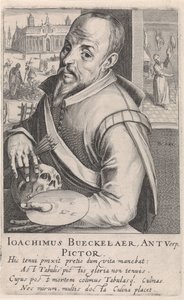
Joachim Beuckelaer
1533 - 1573 , Belgium
Quick Facts
- Artistic Movement Or Style: Renaissance art
- Artists Or Movements Influenced By This Artist:
- Frans Snyders
- Vincenzo Campi
- Artists Who Influenced This Artist: ['Pieter Aertsen']
- Date Of Birth: c. 1533
- Date Of Death: c. 1573
- Full Name: Joachim Beuckelaer
- Nationality: Flemish
- Notable Artworks:
- Four Elements series
- Kitchen Scene with Christ
- Still Life of a Carcass
- Place Of Birth: Antwerp, Belgium
Related Articles
Verdant Visions: Exploring the Symbolism & Aesthetic Impact of Green in Art History
Explore the rich history & symbolism of green in art! Discover iconic paintings, techniques, and how to bring verdant harmony into your home with ArtsDot's expert guide.
Dark Olive Green Masterpieces: 10 Iconic Paintings & Decor Ideas
Explore 10 iconic paintings where dark olive green reigns supreme! From Van Gogh to Rembrandt, discover art history's most captivating masterpieces & the stories behind them. Find museum-quality reproductions and curated decor ideas at .

Crimson Threads of Narrative: Exploring Symbolism & Representation in Artworks Featuring the Red Dress
Explore the rich symbolism of the red dress in art history! From ancient power displays to iconic portraits like Cézanne’s 'Madame Cezanne', discover the cultural and artistic significance behind this captivating color. Expert analysis & insights.
Chrome Green Masterpieces: 10 Famous Paintings & Their Alluring Hues |
Explore 10 famous paintings where 'Chrome Green' reigns supreme! Discover Monet, Manet & Van Gogh’s masterpieces. Learn the stories behind these iconic artworks and find museum-quality art reproductions for your home at .

Emerald Visions: Top 10 Paintings Dominated by Cadmium Green |
Explore 10 iconic paintings where cadmium green reigns supreme! From Monet to Van Gogh, discover the stories behind these masterpieces & the power of color. Find museum-quality art reproductions and elevate your home decor on .