

 Preview
 Send
Send Share
Share
 Details

 Download
 Similars
 X-Ray
X-Ray Diaporama
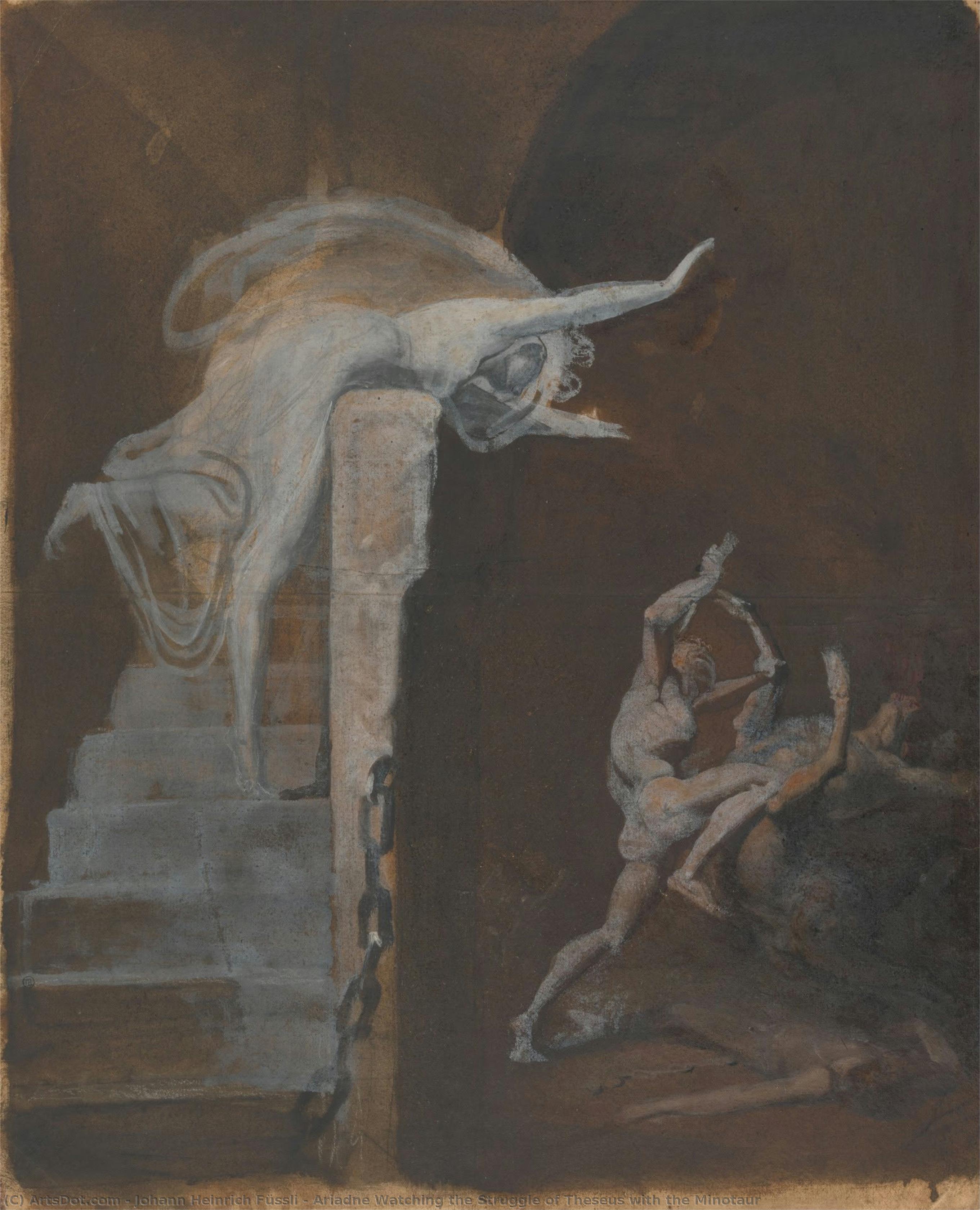
Ariadne Watching the Struggle of Theseus with the Minotaur
 Oil On Canvas
- WallArt
- Romanticism
 1820
1820 61.0 x 50.0 cm
 Yale Center for British Art
 Read More
Purchase a high-resolution, enhanced digital image, far superior to the online preview.
Each file is meticulously prepared by our in-house specialists using advanced tools and expert manual retouching. We ensure every image has exceptional clarity, precise color accuracy, and fine detail.
The final file is delivered via email within 72 hours, optimized for immediate use in professional, editorial, and print environments. This is the same quality trusted by top-tier design studios, publishers, and galleries.
Digital Image
Download a high-resolution file for personal display, printing, and creative projects. ( Buy Print Buy Hand Made Painting)
Included in Every Digital Image Order
Expert Digital Delivery, Guaranteed
When you choose ArtsDot.com, you're not just getting an image - you're receiving a professionally enhanced digital artwork, crafted with precision and backed by a satisfaction guarantee. Here's everything that comes with your order, automatically:

Fast Email Delivery
Your high-resolution digital image file will be emailed to you within 72 hours of ordering - ready for immediate use.

AI-Enhanced Digital File
Your artwork is professionally optimized using advanced AI tools and manual editing, ensuring maximum detail, clarity, and color accuracy.

Free Lifetime Re-Delivery
Accidentally deleted or lost your file? No worries - we'll resend it to you anytime, free of charge.

No Import Fees - Ever
Enjoy your artwork instantly with zero customs, duties, or delivery fees - digital downloads are always tax-free.

Color Accuracy Guarantee
We ensure your digital image reflects the original colors as closely as possible using professional tools and color management.

60-Day Satisfaction Guarantee
If you're not satisfied with your digital image, we'll revise it or refund 100% within 60 days - no questions asked.

100% Money-Back Guarantee
Not satisfied? Get a full refund within 60 days of receiving your digital file - no questions asked.

Bulk Order Discounts
Buy 3 images, save 10% - Buy 5, save 15% - Buy 10+, save 20%. Great for creative projects, galleries, and agencies.
Collectible Description
A Descent Into Darkness: Johann Heinrich Füssl's "Ariadne Watching the Struggle of Theseus with the Minotaur"
Johann Heinrich Füssl’s “Ariadne Watching the Struggle of Theseus with the Minotaur,” completed in 1820, stands as a haunting testament to Romantic artistic sensibilities and a masterful exploration of mythic drama. More than just a depiction of classical legend, this monumental canvas delves into profound psychological anxieties and embodies the era’s fascination with the sublime—that unsettling blend of beauty and terror that confronts us with the immensity of nature and the fragility of human existence.Composition and Dramatic Tension
The painting's central achievement lies in its masterful composition. Füssl employs a triangular arrangement, anchoring the viewer’s gaze on Ariadne perched atop a staircase or platform—a deliberate gesture elevating her position as an observer above the brutal confrontation unfolding below. Theseus and the Minotaur engage in a visceral struggle at the base of the frame, creating a palpable sense of depth and perspective that draws us into the labyrinthine scene. Diagonal lines dominate the composition, mirroring the movement of figures and amplifying the dramatic tension inherent in the narrative. The architectonic elements—columns and stairs—further contribute to the oppressive atmosphere of confinement and underscore the perilous nature of Theseus’s quest.Color Palette and Atmospheric Mood
Füssli eschews vibrant hues, opting instead for a deliberately muted color palette dominated by browns, grays, and blacks. This somber tonal scheme isn't merely aesthetically restrained; it actively reinforces the painting’s emotional core—a pervasive sense of dread and unease. Subtle highlights in flesh tones provide fleeting glimpses of humanity amidst the darkness, while creamy whites illuminate key areas, emphasizing musculature and conveying a glimmer of hope against overwhelming odds. The overall effect is akin to peering into a shadowed abyss, mirroring the psychological turmoil explored within the artwork.Technique: Impasto and Expressionistic Brushwork
Füssli’s technique—primarily oil on canvas—is characterized by impasto, a bold application of thick brushstrokes that imbues the surface with textural richness and dynamism. This method isn't simply about replicating visual detail; it serves as an expressive tool, channeling Füssl’s emotional intensity onto the canvas. The artist’s brushwork is deliberately loose and energetic, capturing the frenetic movement of combat and conveying a palpable sense of urgency. These strokes create a dramatic interplay of light and shadow, enhancing the painting's psychological impact and immersing the viewer in the scene’s turbulent atmosphere.Mythic Symbolism and Psychological Insight
“Ariadne Watching” transcends its narrative origins—the tale of Theseus slaying the Minotaur—to grapple with universal themes of courage, vulnerability, and the confrontation between reason and instinct. Ariadne represents divine intervention or perhaps a beacon of resilience amidst despair; her gaze directs our attention toward the central conflict, prompting contemplation on the human condition. The labyrinth itself symbolizes not merely physical entrapment but also the complexities of life’s journey—the disorientation and uncertainty inherent in pursuing noble goals. Füssl's masterful depiction captures the psychological drama of witnessing a struggle for survival, mirroring anxieties prevalent during the Romantic period regarding mortality and the sublime terror of confronting forces beyond human control.Concluding Impression: A Vision of Darkness Illuminated
Ultimately, “Ariadne Watching” is more than just a beautiful painting; it’s an emotionally resonant exploration of darkness illuminated by fleeting moments of grace. Füssl's stylistic choices—his dramatic composition, muted color palette, expressive impasto technique—combine to create an unforgettable experience for the viewer, cementing his place as a pivotal figure in Romantic art and reminding us that even amidst profound terror, beauty can endure.Related Artworks
Artist Biography
early life and education
johann heinrich füssli, a swiss painter, draughtsman, and writer on art, was born on february 7, 1741, in zürich, switzerland. he was the second of 18 children to johann caspar füssli, a portrait painter. füssli received a classical education at the collegium carolinum in zürich.artistic career
füssli's artistic career began with his move to london in 1764, where he met sir joshua reynolds, who encouraged him to devote himself to painting. he then spent eight years in italy, studying antique art and the works of titian, caravaggio, and mannerists.supernatural experiences
füssli's paintings often depicted supernatural experiences, such as the nightmare, which showcased his unique style. he also created a series of paintings based on john milton's works, with the intention of forming a milton gallery comparable to boydell's shakespeare gallery.notable works and associations
- titania, bottom and the fairies, a painting showcasing füssli's use of fairy-tale scenes from shakespeare as motifs.
- association with the royal academy, where he held the posts of professor of painting and keeper.
- influence on younger british artists, including william blake.
museums and collections
füssli's works can be found in various museums, including:- kunsthaus zürich, switzerland, which features a wide range of füssli's paintings, including the nightmare.
- albertina, vienna, austria, which houses füssli's watercolor piece, teiresias foretells the future to odysseus.
legacy
füssli's style had a considerable influence on many younger british artists, and his supernatural themes continue to fascinate art lovers. his legacy can be explored further through his numerous works, which can be found in various museums and collections. recommended reading:- titania, bottom and the fairies by johann heinrich füssli
- henry fuseli - wikipedia
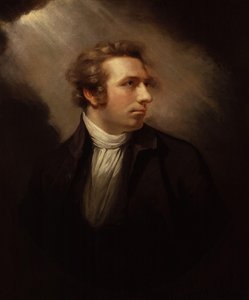
johann heinrich füssli
1741 - 1825 , Switzerland
Quick Facts
- Artistic Movement Or Style: Romanticism, Neoclassicism
- Artists Or Movements Influenced By This Artist: ['William Blake']
- Artists Who Influenced This Artist:
- Titian
- Caravaggio
- Date Of Birth: Feb 7, 1741
- Date Of Death: 1825
- Full Name: Johann Heinrich Füssli
- Nationality: Swiss
- Notable Artworks:
- The Nightmare
- Titania, Bottom & Fairies
- Place Of Birth: Zurich, Switzerland

