

 Preview
 Send
Send Share
Share
 Details

 Download
 Similars
 X-Ray
X-Ray Diaporama
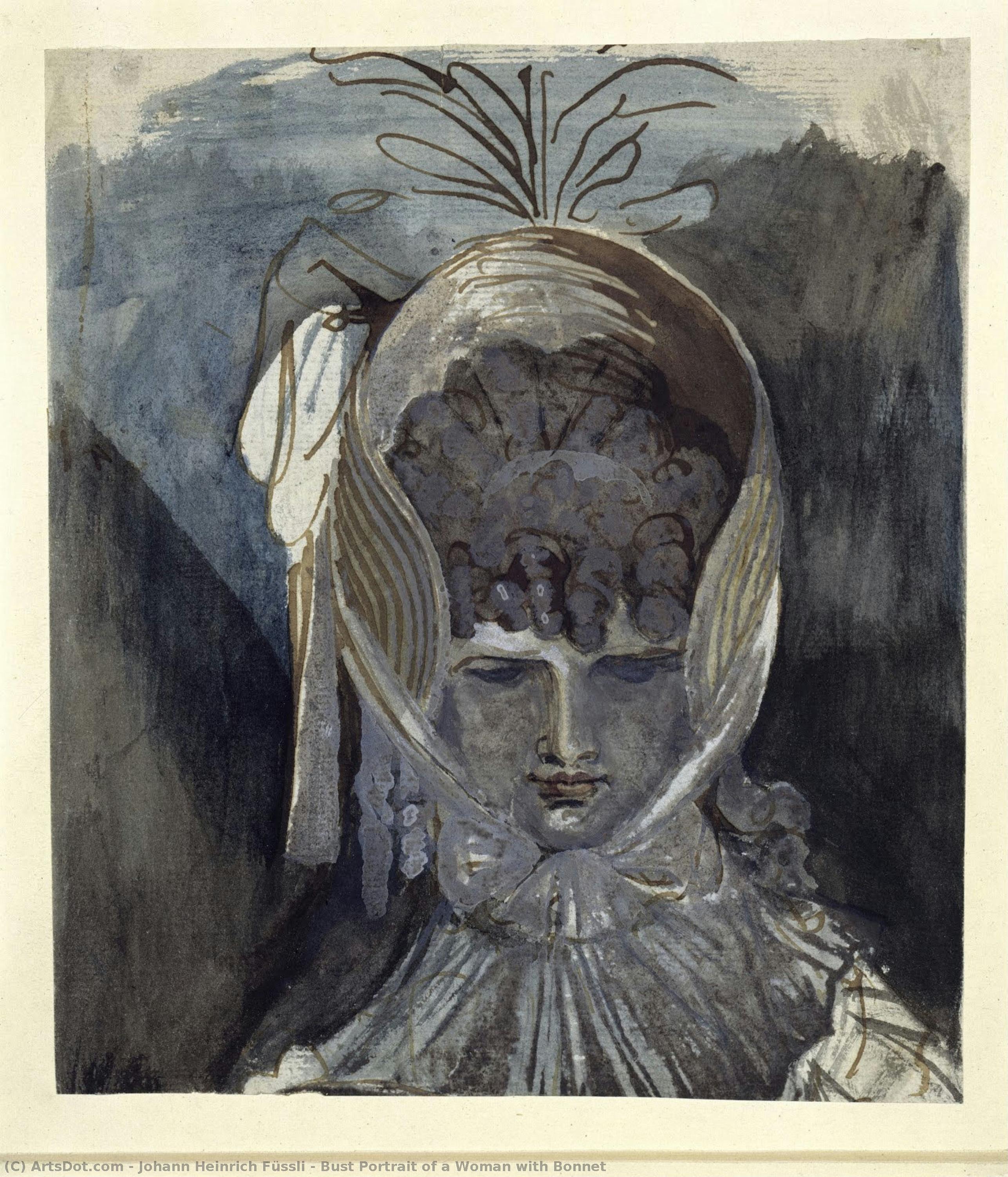
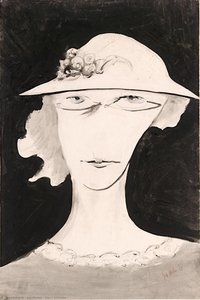
Bust Portrait of a Woman with Bonnet
 Watercolor
- WallArt
- Romanticism
 19th Century
 16.0 x 19.0 cm
 Kupferstichkabinett
 Read More
Purchase a high-resolution, enhanced digital image, far superior to the online preview.
Each file is meticulously prepared by our in-house specialists using advanced tools and expert manual retouching. We ensure every image has exceptional clarity, precise color accuracy, and fine detail.
The final file is delivered via email within 72 hours, optimized for immediate use in professional, editorial, and print environments. This is the same quality trusted by top-tier design studios, publishers, and galleries.
Digital Image
Download a high-resolution file for personal display, printing, and creative projects. ( Buy Print Buy Hand Made Painting)
Included in Every Digital Image Order
Expert Digital Delivery, Guaranteed
When you choose ArtsDot.com, you're not just getting an image - you're receiving a professionally enhanced digital artwork, crafted with precision and backed by a satisfaction guarantee. Here's everything that comes with your order, automatically:

Fast Email Delivery
Your high-resolution digital image file will be emailed to you within 72 hours of ordering - ready for immediate use.

AI-Enhanced Digital File
Your artwork is professionally optimized using advanced AI tools and manual editing, ensuring maximum detail, clarity, and color accuracy.

Free Lifetime Re-Delivery
Accidentally deleted or lost your file? No worries - we'll resend it to you anytime, free of charge.

No Import Fees - Ever
Enjoy your artwork instantly with zero customs, duties, or delivery fees - digital downloads are always tax-free.

Color Accuracy Guarantee
We ensure your digital image reflects the original colors as closely as possible using professional tools and color management.

60-Day Satisfaction Guarantee
If you're not satisfied with your digital image, we'll revise it or refund 100% within 60 days - no questions asked.

100% Money-Back Guarantee
Not satisfied? Get a full refund within 60 days of receiving your digital file - no questions asked.

Bulk Order Discounts
Buy 3 images, save 10% - Buy 5, save 15% - Buy 10+, save 20%. Great for creative projects, galleries, and agencies.
Collectible Description
An Intimate Encounter with the Muse
In the delicate, translucent layers of Johann Heinrich Füssli’s watercolor portrait, we find ourselves peering into a private moment of late 18th-century elegance. This bust portrait of a woman, adorned in an exquisite bonnet, transcends mere likeness to offer a window into the artist's soul. For much of his career, Füssli was celebrated for his haunting, supernatural visions and dramatic Shakespearean scenes; however, it is in these quieter, more intimate works that his true emotional depth is revealed. The subject, widely believed to be his wife, serves as a profound anchor in his oeuvre—a figure who embodies both the sophisticated fashion of her era and a deeply personal, almost fetishistic, devotion to beauty and form.
The composition is masterfully centered, drawing the viewer’s eye immediately to the soft contours of the woman's face. There is a palpable sense of verticality, structured by the architectural grace of her bonnet, which frames her features with an almost protective intimacy. Füssli employs a muted, cool color palette dominated by ethereal grays, soft blues, and pristine whites, punctuated only by subtle earthy browns. This choice of tones creates a melancholic, vintage atmosphere, evoking a sense of nostalgia for a bygone era of refinement. The background remains minimal, intentionally understated to ensure that the focus remains entirely on the subject's quiet presence.
Technique and the Poetry of Light
As a master of the watercolor medium, Füssli utilizes a sophisticated wet-on-wet technique that allows colors to bleed into one another with seamless grace. The texture of the piece is inherently luminous; the paper itself seems to breathe through the translucent washes of pigment. His brushwork is notably expressive—not bound by rigid, clinical lines, but rather defined by soft, organic edges that suggest movement and a spontaneous, living energy. This fluidity is particularly evident in the rendering of the bonnet’s fabric, where delicate layers of color suggest the weight and texture of fine lace and silk without the need for heavy ornamentation.
The lighting within the portrait is diffused and gentle, eschewing harsh shadows in favor of a soft, ambient glow. This lack of dramatic chiaroscuro contributes to the painting's overall sense of tranquility and introspection. The light seems to emanate from within the subject herself, highlighting the smooth porcelain quality of her skin and the intricate details of her floral adornments. For the collector or interior designer, this subtle use of light makes the piece incredibly versatile; it possesses a quiet strength that can anchor a room without overwhelming its decor, providing a sophisticated focal point that invites long, contemplative gazes.
Symbolism and Emotional Resonance
Beyond the technical brilliance lies a profound emotional narrative. The subject’s downward gaze is perhaps the most evocative element of the work, suggesting a state of deep introspection, modesty, or even a lingering sadness. This sense of quietude invites the viewer to participate in her private thoughts, creating an emotional bond that is rare in portraiture. While some historical interpretations viewed such figures through the lens of the "courtesan," modern scholarship recognizes the profound personal connection between the artist and his subject, transforming the piece from a mere fashion study into a testament of enduring affection.
The elaborate bonnet, adorned with delicate floral elements, serves as a symbol of both social status and the fleeting nature of beauty. It represents the structured expectations of 18th-century society, yet the soft, expressive way Füssli renders it suggests a breaking of those very boundaries through art. For those seeking to bring a piece of Romantic history into their homes, this reproduction offers more than just aesthetic beauty; it provides an emotional sanctuary. It is a work that speaks of elegance, mystery, and the timeless allure of the human spirit, making it an incomparable addition to any curated collection of fine art.
Related Artworks
Artist Biography
early life and education
johann heinrich füssli, a swiss painter, draughtsman, and writer on art, was born on february 7, 1741, in zürich, switzerland. he was the second of 18 children to johann caspar füssli, a portrait painter. füssli received a classical education at the collegium carolinum in zürich.artistic career
füssli's artistic career began with his move to london in 1764, where he met sir joshua reynolds, who encouraged him to devote himself to painting. he then spent eight years in italy, studying antique art and the works of titian, caravaggio, and mannerists.supernatural experiences
füssli's paintings often depicted supernatural experiences, such as the nightmare, which showcased his unique style. he also created a series of paintings based on john milton's works, with the intention of forming a milton gallery comparable to boydell's shakespeare gallery.notable works and associations
- titania, bottom and the fairies, a painting showcasing füssli's use of fairy-tale scenes from shakespeare as motifs.
- association with the royal academy, where he held the posts of professor of painting and keeper.
- influence on younger british artists, including william blake.
museums and collections
füssli's works can be found in various museums, including:- kunsthaus zürich, switzerland, which features a wide range of füssli's paintings, including the nightmare.
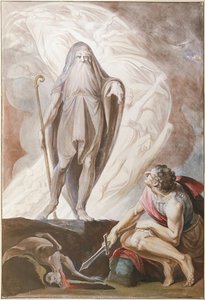
- albertina, vienna, austria, which houses füssli's watercolor piece, teiresias foretells the future to odysseus.
legacy
füssli's style had a considerable influence on many younger british artists, and his supernatural themes continue to fascinate art lovers. his legacy can be explored further through his numerous works, which can be found in various museums and collections. recommended reading:- titania, bottom and the fairies by johann heinrich füssli
- henry fuseli - wikipedia
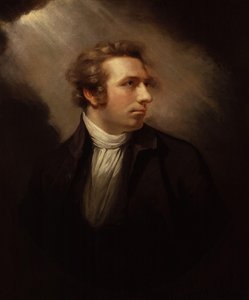
johann heinrich füssli
1741 - 1825 , Switzerland
Quick Facts
- Artistic Movement Or Style: Romanticism, Neoclassicism
- Artists Or Movements Influenced By This Artist: ['William Blake']
- Artists Who Influenced This Artist:
- Titian
- Caravaggio
- Date Of Birth: Feb 7, 1741
- Date Of Death: 1825
- Full Name: Johann Heinrich Füssli
- Nationality: Swiss
- Notable Artworks:
- The Nightmare
- Titania, Bottom & Fairies
- Place Of Birth: Zurich, Switzerland

