 Preview
 Send
Send Share
Share
 Details

 Download
 Similars
 X-Ray
X-Ray Diaporama
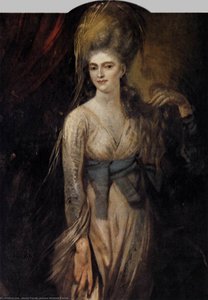
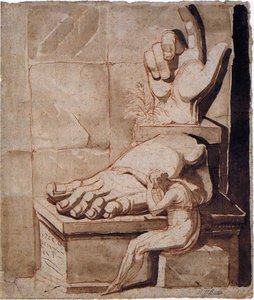
Portrait of the Artist
 Acrylic On Canvas
- WallArt
- Romanticism
 1790
1790 22.0 x 17.0 cm
 Museum of Fine Arts
 Read More
Hand Made Oil Reproduction
Hand-painted oil on canvas in your size and frame, made to order by our artists. ( Buy Print Buy Image)




P118B $10

P118H $10

P118W $10

P438Z $10

P508JH $12

P508YH $12

P805H $10

P805Z $10

P919BZ $10

P919G $10

P919XJ $10

P959ZH $10

P968JZ $12

W106C $8

W218G $10

W218JH $8

W218Y $10

W307PJ $10

W316G $10

W316PJ $8

W316Y $10

W398PJ $8

W4111J $10

W500HY $15

W500JH $15

W692G $12

W849H $8

W940BG $15

W953PJ $8




Pick from our preset sizes that match the artwork's original proportions.

You may enter your own dimensions to fit a specific frame or space. If your selected size does not match the original image's proportions, we will either crop the artwork or extend the painting with additional hand-painted elements. A digital mockup will be sent for your approval before production begins.
Please note that the on-screen preview does not reflect the actual cropping or extension. Only the mockup will accurately show the final composition.
While custom sizes are available, we recommend selecting a dimension from the predefined list to preserve the original proportions.
After order, ArtsDot.com team will email client for instructions and provide a mockup preview
Worldwide Delivery () in 3/4 weeks instead of standard 5 weeks. (16 August). No compromise on quality.

Free Worldwide Express Shipping

High-Quality Linen Canvas

Full Shipping Insurance

Customs Tax Refund Guarantee

True Color Matching Guarantee

60-Day Return Policy (Defects Only)

100% Money-Back Guarantee

Bulk Discount Offer
 Glass option is only available in size under 110 CM

Portrait of the Artist
Reproduction Medium
Reproduction Size
-


Total Price
$ 263
Artwork Description
Johann Heinrich Füssli’s “Portrait of the Artist”: A Window Into Romantic Imagination
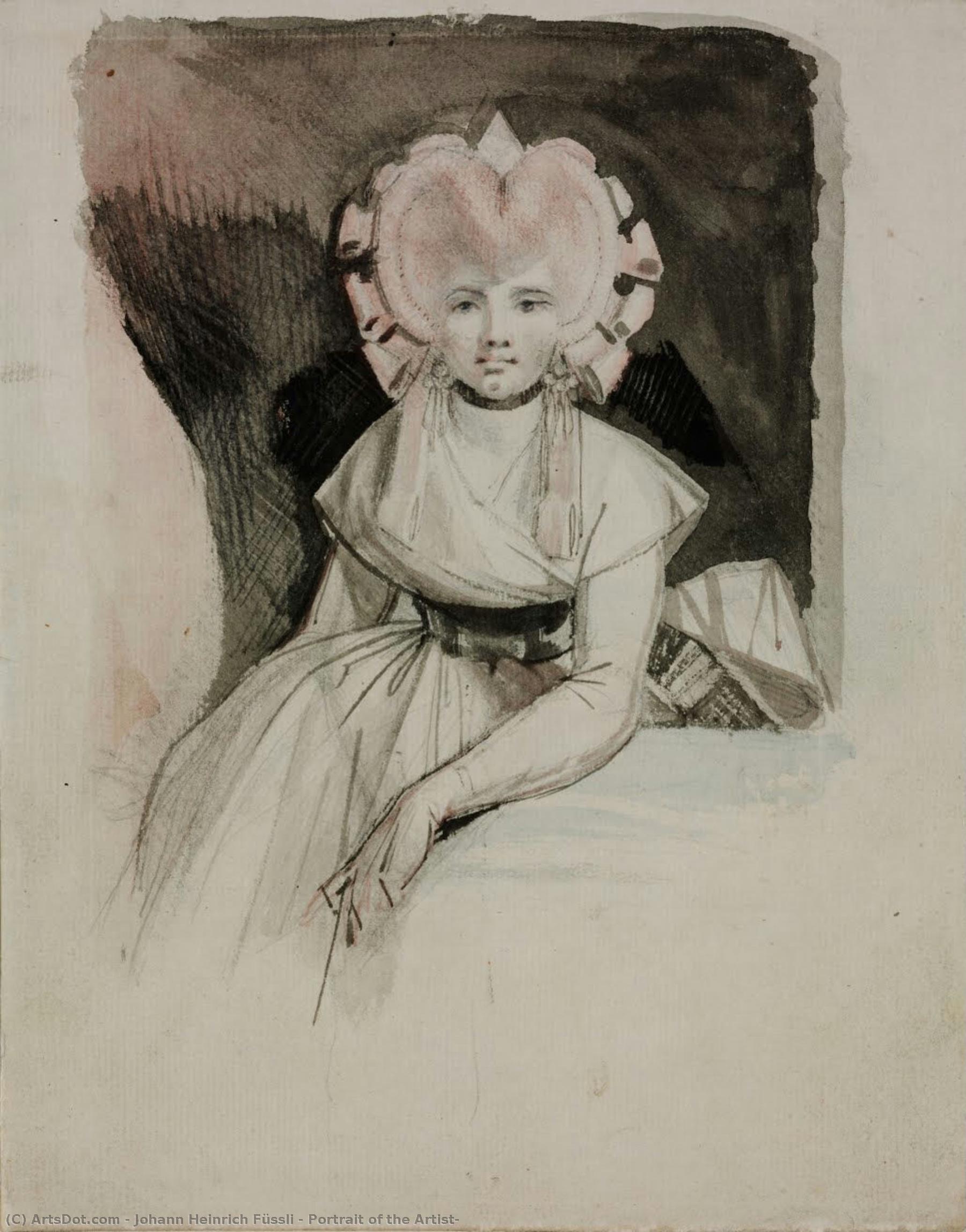
The artwork "Portrait of the Artist," executed by Johann Heinrich Füssli in 1790, stands as a poignant emblem of the burgeoning Romantic movement and its fascination with psychological depth. Born in Zurich in 1741, Füssli’s artistic journey began amidst the intellectual fervor of Enlightenment Switzerland but swiftly pivoted toward an exploration of emotion and intuition – qualities that would define his distinctive oeuvre. His formative years at the Collegium Carolinum instilled a rigorous classical education, yet it was his subsequent sojourn in Rome between 1770 and 1778 that truly ignited his artistic sensibility, exposing him to the grandeur of antiquity and inspiring him to embrace bolder stylistic choices.Style and Technique: The Dreamlike Palette of Romanticism
Füssli’s technique exemplifies the Romantic preoccupation with capturing inner experience rather than merely representing external reality. Employing watercolor on paper – a medium favored for its luminosity and ability to convey subtle tonal variations – he achieved an ethereal quality that transcends mere visual depiction. The delicate washes of color, particularly in hues reminiscent of twilight skies and misty landscapes, contribute to a palpable sense of melancholy and contemplation. Notably, Füssli’s masterful use of chiaroscuro—the dramatic interplay between light and shadow—creates a captivating illusionistic effect, emphasizing the contours of the woman's face and highlighting her gaze as she looks off into the distance. This deliberate manipulation of light serves not only to enhance visual appeal but also to symbolize inner turmoil and unspoken emotions.Historical Context: Milestones of Artistic Expression
Painted during the apex of Romanticism’s influence, “Portrait of the Artist” reflects the movement's core tenets – a rejection of Neoclassical formalism in favor of subjective feeling and imaginative storytelling. Contemporaneous with Winckelmann’s groundbreaking treatise on Greek sculpture (“Geschichte der Kunst”), which championed idealized beauty and rational harmony, Füssli’s work represents an antithesis to these ideals. Instead, he delves into the realm of dreams and subconscious desires, mirroring the Romantic fascination with folklore, mythology, and the supernatural—themes powerfully explored in his series inspired by Milton's “Paradise Lost.” This artistic endeavor aimed to elevate literature and art to comparable levels of prestige, reflecting a broader cultural ambition to recapture spiritual grandeur.Symbolism: The Heart-Shaped Ornament – A Gesture of Vulnerability
The prominent heart-shaped ornament adorning the woman’s head is laden with symbolic significance. Traditionally associated with love, compassion, and spirituality, it speaks to Füssli's exploration of emotional vulnerability—a characteristic prevalent throughout Romantic art. Its placement atop her brow suggests a preoccupation with inner reflection and perhaps a yearning for transcendence. The woman’s melancholic expression reinforces this interpretation, conveying a profound sense of solitude and introspection as she contemplates the mysteries of existence.Emotional Impact: Capturing the Soul of Introspection
Ultimately, “Portrait of the Artist” succeeds in capturing the essence of Romantic contemplation—a desire to penetrate beneath surface appearances and confront the complexities of human experience. The painting’s subdued palette, coupled with its masterful use of light and shadow, evokes a feeling of quiet sorrow yet simultaneously invites viewers into a realm of profound psychological insight. It remains a testament to Füssli's ability to translate inner turmoil into visual beauty—a timeless masterpiece that continues to resonate with audiences captivated by the Romantic spirit’s pursuit of emotional truth.Related Artworks
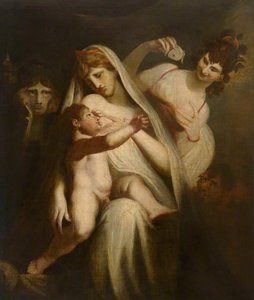
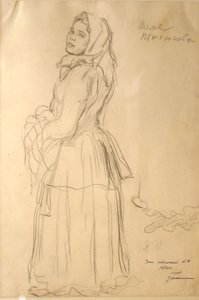
Artist Biography
early life and education
johann heinrich füssli, a swiss painter, draughtsman, and writer on art, was born on february 7, 1741, in zürich, switzerland. he was the second of 18 children to johann caspar füssli, a portrait painter. füssli received a classical education at the collegium carolinum in zürich.artistic career
füssli's artistic career began with his move to london in 1764, where he met sir joshua reynolds, who encouraged him to devote himself to painting. he then spent eight years in italy, studying antique art and the works of titian, caravaggio, and mannerists.supernatural experiences
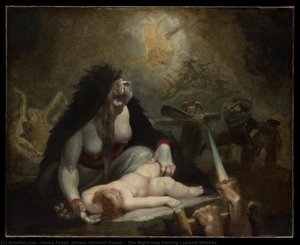
füssli's paintings often depicted supernatural experiences, such as the nightmare, which showcased his unique style. he also created a series of paintings based on john milton's works, with the intention of forming a milton gallery comparable to boydell's shakespeare gallery.notable works and associations
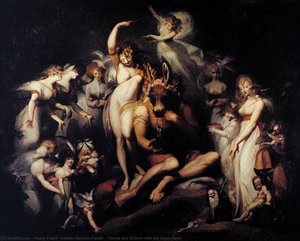
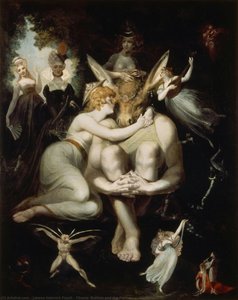
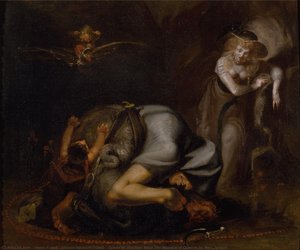
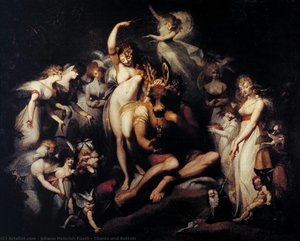
- titania, bottom and the fairies, a painting showcasing füssli's use of fairy-tale scenes from shakespeare as motifs.
- association with the royal academy, where he held the posts of professor of painting and keeper.
- influence on younger british artists, including william blake.
museums and collections
füssli's works can be found in various museums, including:- kunsthaus zürich, switzerland, which features a wide range of füssli's paintings, including the nightmare.
- albertina, vienna, austria, which houses füssli's watercolor piece, teiresias foretells the future to odysseus.
legacy
füssli's style had a considerable influence on many younger british artists, and his supernatural themes continue to fascinate art lovers. his legacy can be explored further through his numerous works, which can be found in various museums and collections. recommended reading:- titania, bottom and the fairies by johann heinrich füssli
- henry fuseli - wikipedia
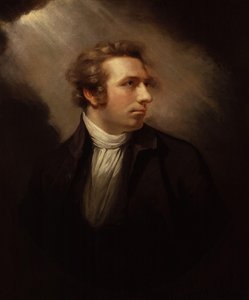
johann heinrich füssli
1741 - 1825 , Switzerland
Quick Facts
- Artistic Movement Or Style: Romanticism, Neoclassicism
- Artists Or Movements Influenced By This Artist: ['William Blake']
- Artists Who Influenced This Artist:
- Titian
- Caravaggio
- Date Of Birth: Feb 7, 1741
- Date Of Death: 1825
- Full Name: Johann Heinrich Füssli
- Nationality: Swiss
- Notable Artworks:
- The Nightmare
- Titania, Bottom & Fairies
- Place Of Birth: Zurich, Switzerland
Related Articles

Beyond Myth & Madness: Exploring the Visionary Art of Johann Heinrich Füssli
Explore the captivating world of Johann Heinrich Füssli (Henry Fuseli), a master of Romantic art. Discover his iconic 'The Nightmare' and Shakespearean scenes, plus insights for collectors & enthusiasts.
René Magritte's Masterpieces: 25 Surrealist Paintings for Art Lovers | ArtsDot
Explore 25 iconic René Magritte paintings & delve into the world of surrealism. Discover the stories behind 'The Son of Man', 'Golconda' & more. Find museum-quality art reproductions and elevate your home decor with ArtsDot.com.
Dante Gabriel Rossetti's 25 Masterpieces: A Journey Through Victorian Art & Symbolism | ArtsDot
Explore 25 iconic artworks by Dante Gabriel Rossetti, a leading Pre-Raphaelite artist. Discover the stories behind masterpieces like 'Proserpine' & 'Beata Beatrix'. Find museum-quality art reproductions and elevate your home decor with ArtsDot.com.
The Refined Aesthetic of Victorian Illustration: A Study in Narrative & Technique
Explore the captivating world of Victorian illustration! Discover Pre-Raphaelite influences, key artists like Rossetti & Stephens, and the era's rich narrative detail. A deep dive for art enthusiasts.
Embrace the Drama: A Curated Guide to Victorian Romanticism for Sophisticated Home Decor
Transform your space with the dramatic elegance of Victorian Romanticism. Discover expert tips on incorporating Pre-Raphaelite art, rich textures, and moody palettes into your home decor to create a sophisticated, soulful sanctuary that celebrates historical grandeur.