 Preview
 Send
Send Share
Share
 Details

 Download
 Similars
 X-Ray
X-Ray Diaporama
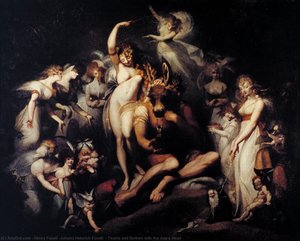
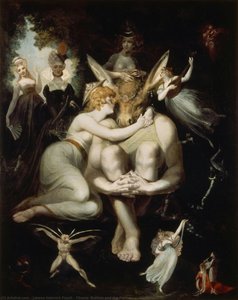
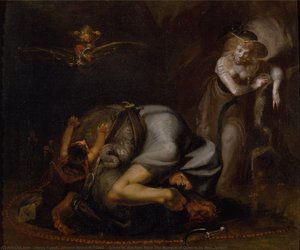
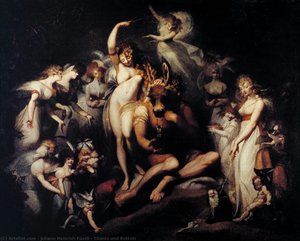
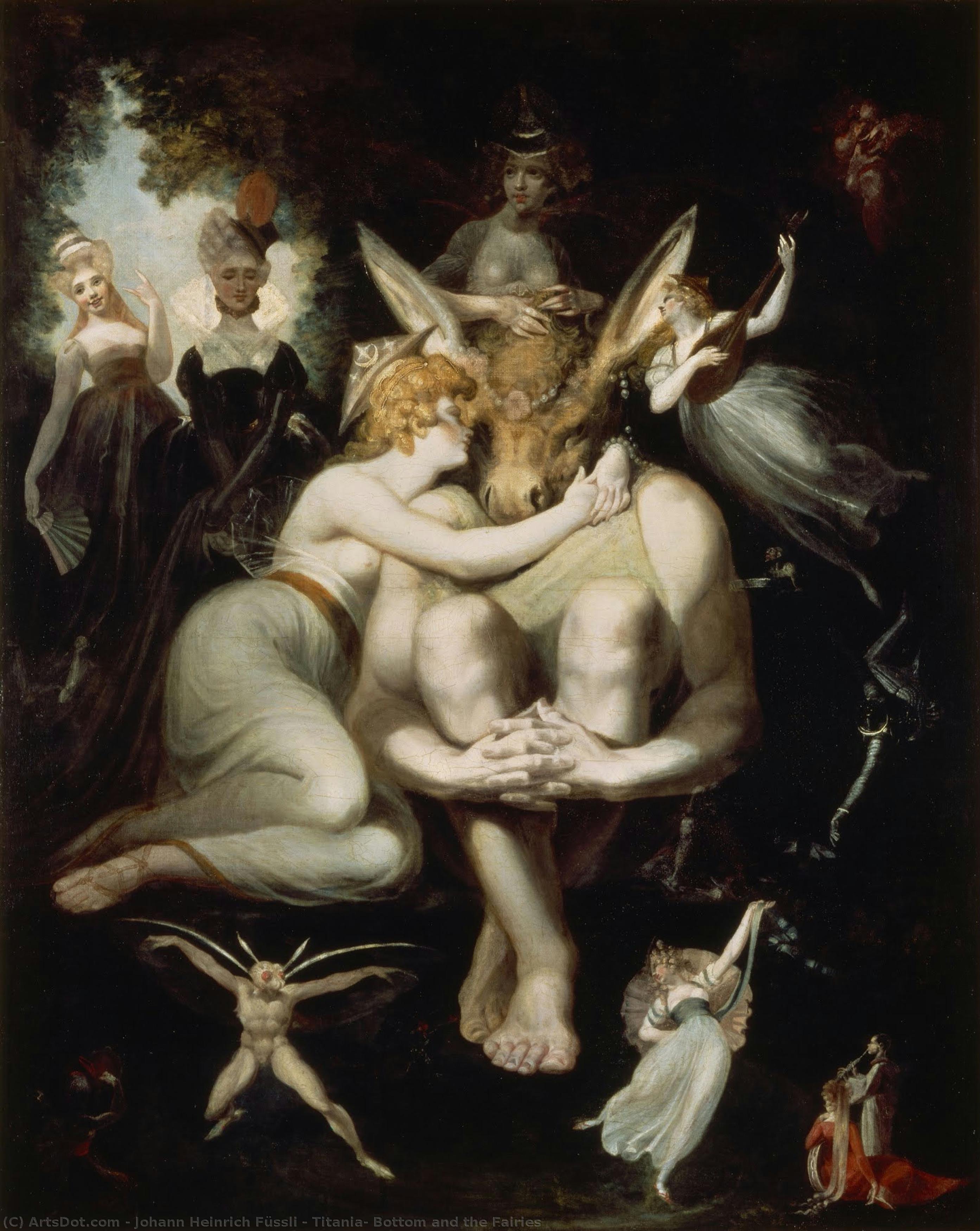
Titania, Bottom and the Fairies
 Oil On Canvas
- WallArt
- Romanticism
 1794
1794- 19th Century
 169.0 x 135.0 cm
 Kunsthaus Zürich
 Read More
Giclée / Art Print
Museum-quality giclée or canvas print with fast production and flexible finish options. ( Buy Hand Made Painting Buy Image)




P118B $10

P118H $10

P118W $10

P438Z $10

P508JH $12

P508YH $12

P805H $10

P805Z $10

P919BZ $10

P919G $10

P919XJ $10

P959ZH $10

P968JZ $12

W106C $8

W218G $10

W218JH $8

W218Y $10

W307PJ $10

W316G $10

W316PJ $8

W316Y $10

W398PJ $8

W4111J $10

W500HY $15

W500JH $15

W692G $12

W849H $8

W940BG $15

W953PJ $8




Pick from our preset sizes that match the artwork's original proportions.

You may enter your own dimensions to fit a specific frame or space. If your selected size does not match the original image's proportions, we will either crop the artwork or extend the image with a mirrored or solid-fill edge. A digital mockup will be sent for your approval before production begins.
Please note that the on-screen preview does not reflect the actual cropping or extension. Only the mockup will accurately show the final composition.
While custom sizes are available, we recommend selecting a dimension from the predefined list to preserve the original proportions.
Worldwide Delivery () in 2 weeks instead of standard 4/5 weeks. (27 August)

Free Worldwide Express Shipping

High-Quality Linen Canvas

Full Shipping Insurance

Customs Tax Refund Guarantee

True Color Matching Guarantee

60-Day Return Policy (Defects Only)

100% Money-Back Guarantee

Bulk Discount Offer
 Glass option is only available in size under 110 CM

Titania, Bottom and the Fairies
Giclée / Art Print
Reproduction Size
-


Total Price
$ 63
Collectible Description
A Visionary Dreamscape: The Enchanting World of Fuseli
In the grand tapestry of Romantic art, few works capture the feverish intensity of the human imagination quite like Johann Heinrich Füssli’s “Titania, Bottom and the Fairies.” Painted in 1794, this monumental canvas serves as a breathtaking portal into the dreamscape of William Shakespeare’s A Midsummer Night’s Dream. It is not merely a depiction of a theatrical scene, but a profound exploration of the psyche, where the boundaries between reality and illusion dissolve into a mist of magic and desire. As the viewer gazes upon this tableau, they are transported to a realm where the irrational reigns supreme, making it an irresistible centerpiece for any collection dedicated to the sublime and the extraordinary.
The heart of the composition lies in the improbable and intoxicating encounter between Queen Titania, the ethereal ruler of the fairy realm, and Bottom, the weaver transformed by Puck’s mischievous magic into a creature with the head of a donkey. This striking juxtaposition—the divine beauty of the fairy queen contrasted against the grotesque, hybrid form of Bottom—creates a tension that is both unsettling and deeply captivating. Füssli masterfully uses this pairing to symbolize the collision between high fantasy and raw, earthly instinct, mirroring the profound societal anxieties and the yearning for spiritual renewal that characterized the late 18th century.
Mastery of Light and Shadow: The Romantic Technique
Füssli’s technical prowess is on full display through his signature use of dramatic chiaroscuro. By manipulating extreme contrasts between light and shadow, he imbues the scene with a theatrical energy that feels almost alive. The flickering light seems to dance across the frenetic movements of the surrounding fairy court, highlighting the textures of the forest floor and the luminous skin of the supernatural beings. His brushwork, characterized by a certain thick, palpable texture, contributes to a sense of movement and kinetic energy, ensuring that the eye never rests but instead wanders through the lush, chaotic beauty of the enchanted woods.
For the discerning collector or interior designer, this painting offers more than just visual splendor; it provides an emotional anchor. The atmosphere is one of lively, almost manic energy, yet beneath the surface lies a deeper, more contemplative layer of psychological complexity. The presence of Puck and the surrounding sprites adds a sense of whimsical movement, while the subtle inclusion of animal figures near the center of the scene grounds the fantasy in a primal, naturalistic truth. It is a work that demands attention, inviting those who live among art to contemplate the beautiful madness of the creative spirit.
A Timeless Legacy for the Modern Collector
To possess a reproduction of this masterpiece is to invite the spirit of the Romantic rebellion into one's own space. Füssli, heavily influenced by the visionary William Blake and the classical masters he studied in Italy, created a work that transcends its historical era. It remains a potent symbol of the power of the subconscious mind. Whether placed in a grand gallery or used to add a touch of dramatic sophistication to a contemporary study, "Titania, Bottom and the Fairies" serves as a constant reminder of the infinite reaches of human creativity.
This painting is an ideal choice for those seeking to curate an environment filled with narrative depth and historical resonance. It speaks to the soul of the dreamer and the intellect of the scholar alike, making it a timeless investment in beauty and profound storytelling.
Related Artworks

Artist Biography
early life and education
johann heinrich füssli, a swiss painter, draughtsman, and writer on art, was born on february 7, 1741, in zürich, switzerland. he was the second of 18 children to johann caspar füssli, a portrait painter. füssli received a classical education at the collegium carolinum in zürich.artistic career
füssli's artistic career began with his move to london in 1764, where he met sir joshua reynolds, who encouraged him to devote himself to painting. he then spent eight years in italy, studying antique art and the works of titian, caravaggio, and mannerists.supernatural experiences
füssli's paintings often depicted supernatural experiences, such as the nightmare, which showcased his unique style. he also created a series of paintings based on john milton's works, with the intention of forming a milton gallery comparable to boydell's shakespeare gallery.notable works and associations
- titania, bottom and the fairies, a painting showcasing füssli's use of fairy-tale scenes from shakespeare as motifs.
- association with the royal academy, where he held the posts of professor of painting and keeper.
- influence on younger british artists, including william blake.
museums and collections
füssli's works can be found in various museums, including:- kunsthaus zürich, switzerland, which features a wide range of füssli's paintings, including the nightmare.
- albertina, vienna, austria, which houses füssli's watercolor piece, teiresias foretells the future to odysseus.
legacy
füssli's style had a considerable influence on many younger british artists, and his supernatural themes continue to fascinate art lovers. his legacy can be explored further through his numerous works, which can be found in various museums and collections. recommended reading:- titania, bottom and the fairies by johann heinrich füssli
- henry fuseli - wikipedia
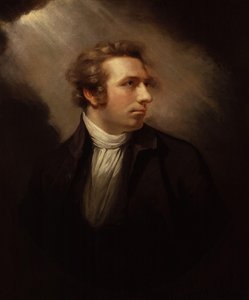
johann heinrich füssli
1741 - 1825 , Switzerland
Quick Facts
- Artistic Movement Or Style: Romanticism, Neoclassicism
- Artists Or Movements Influenced By This Artist: ['William Blake']
- Artists Who Influenced This Artist:
- Titian
- Caravaggio
- Date Of Birth: Feb 7, 1741
- Date Of Death: 1825
- Full Name: Johann Heinrich Füssli
- Nationality: Swiss
- Notable Artworks:
- The Nightmare
- Titania, Bottom & Fairies
- Place Of Birth: Zurich, Switzerland
Related Articles
Henri Matisse's Masterpieces: Explore 25 Iconic Paintings & Art Decor Ideas
Journey through Henri Matisse's 25 most iconic paintings! Explore Fauvism, vibrant colors & the stories behind masterpieces like 'The Dance'. Find museum-quality art reproductions and curated decor ideas to elevate your space. Discover all masterpieces on ArtsDot.com.

Romantic Realism's Finest: 10 Masterpieces for Your Home | ArtsDot
Explore 10 defining masterpieces of Romantic Realism! Discover Courbet, Millet & Daumier's powerful paintings—capturing emotion and social realities. Find museum-quality reproductions for your home at ArtsDot.com.
Fauvism's Boldest Visions: 10 Masterpieces That Revolutionized Modern Art | ArtsDot
Explore 10 Fauvist masterpieces by Matisse, Derain & Vlaminck that ignited Modern Art! Discover bold colors, expressionist landscapes & the history of this revolutionary movement. Find museum-quality prints at ArtsDot.com.

Henry Farny: Romantic Visions of the American West & Indigenous Life
Explore the evocative paintings of Henry Farny, renowned for his romantic realism & depictions of Native American life in the 19th-century West. Discover his legacy and key artworks at ArtsDot.

Romantic Landscapes: 10 Masterpieces for Your Home | ArtsDot
Journey through 10 Romantic landscape masterpieces by Friedrich, Turner & Cole. Explore emotional art, sublime nature scenes & iconic 19th-century paintings. Find museum-quality reproductions for your home at ArtsDot.com – discover the full collection online!