 Preview
 Send
Send Share
Share
 Details

 Download
 Similars
 X-Ray
X-Ray Diaporama
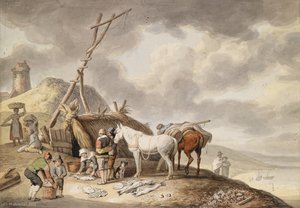
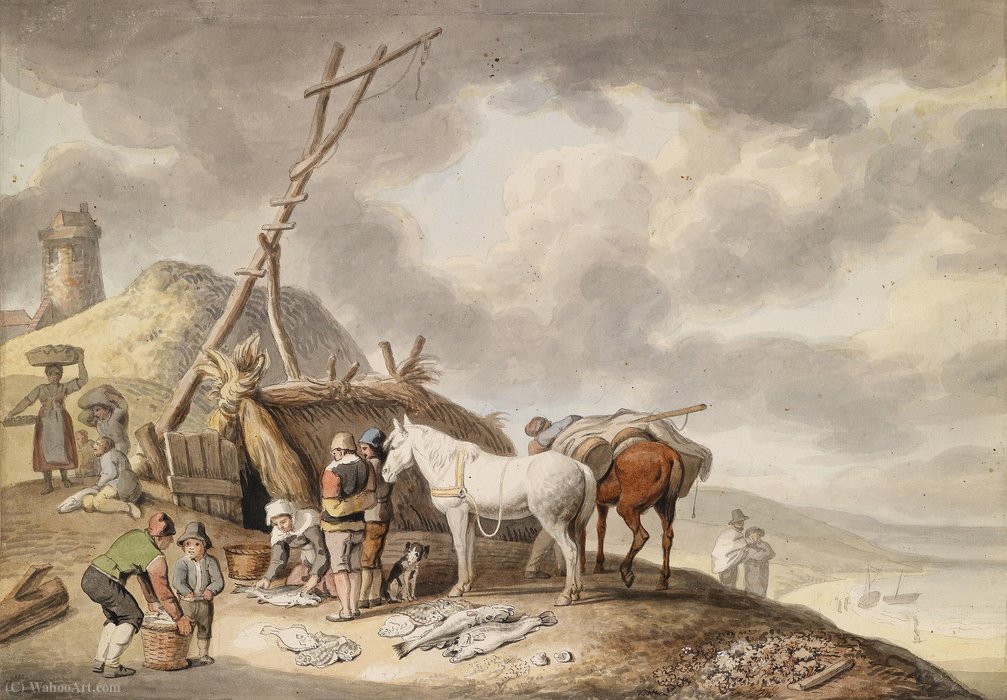
A fishing village

 Read More
Giclée / Art Print
Museum-quality giclée or canvas print with fast production and flexible finish options. ( Buy Hand Made Painting Buy Image)




P118B $10

P118H $10

P118W $10

P438Z $10

P508JH $12

P508YH $12

P805H $10

P805Z $10

P919BZ $10

P919G $10

P919XJ $10

P959ZH $10

P968JZ $12

W106C $8

W218G $10

W218JH $8

W218Y $10

W307PJ $10

W316G $10

W316PJ $8

W316Y $10

W398PJ $8

W4111J $10

W500HY $15

W500JH $15

W692G $12

W849H $8

W940BG $15

W953PJ $8




Pick from our preset sizes that match the artwork's original proportions.

You may enter your own dimensions to fit a specific frame or space. If your selected size does not match the original image's proportions, we will either crop the artwork or extend the image with a mirrored or solid-fill edge. A digital mockup will be sent for your approval before production begins.
Please note that the on-screen preview does not reflect the actual cropping or extension. Only the mockup will accurately show the final composition.
While custom sizes are available, we recommend selecting a dimension from the predefined list to preserve the original proportions.
Worldwide Delivery () in 2 weeks instead of standard 4/5 weeks. (28 August)

Free Worldwide Express Shipping

High-Quality Linen Canvas

Full Shipping Insurance

Customs Tax Refund Guarantee

True Color Matching Guarantee

60-Day Return Policy (Defects Only)

100% Money-Back Guarantee

Bulk Discount Offer
 Glass option is only available in size under 110 CM

A fishing village
Giclée / Art Print
Reproduction Size
-


Total Price
$ 63
Johann Heinrich Tischbein the Younger: A Pioneer of Romantic Engraving
Johann Heinrich Tischbein the Younger (1751 – 1808) occupies a prominent position within German Romantic art, primarily celebrated for his unparalleled engravings and portraits that authentically embodied the aesthetic ideals of his time. Born in Haina, Germany, he descended from a distinguished artistic lineage—his father, Johann Konrad Tischbein, was a carpenter who served as the eldest son of Johannes Heinrich Tischbein (1682–1764), establishing a family tradition rooted in craftsmanship and artistic pursuit.
This familial connection profoundly influenced Tischbein’s formative years, fostering an early appreciation for visual arts under the tutelage of his uncle, Johann Heinrich Tischbein Senior—a sculptor who established a celebrated art gallery for William VIII, Landgrave of Hesse-Kassel. This mentorship instilled in him not only technical proficiency but also a deep understanding of artistic expression and its role in shaping cultural perception.
The Style of Delicate Observation
Tischbein’s artistic journey commenced with formal training in Amsterdam, where he immersed himself in the vibrant atmosphere of Dutch Baroque art. He diligently studied alongside accomplished artists, absorbing influences from masters renowned for their meticulous detail and nuanced tonal gradations—a stylistic approach that would become characteristic of his oeuvre. Unlike the grand narratives favored by earlier periods, Tischbein’s work prioritized capturing fleeting moments of beauty and emotion with remarkable precision.
His engravings distinguished themselves through a masterful blend of realism and expressive artistry. He skillfully employed hatching and stippling techniques—precise methods of applying dots or lines to create tonal variations—to convey subtle nuances of light and shadow, thereby imbuing his subjects with palpable vitality. This meticulous attention to detail reflected Tischbein’s belief that true artistic achievement resided in faithfully representing the observable world while simultaneously conveying profound psychological insight.
A Reflection of Hesse-Kassel's Artistic Vision
The Landgrave’s gallery, overseen by Tischbein Senior, served as a crucible for artistic innovation and intellectual discourse. It fostered an environment conducive to experimentation with new materials and techniques—a spirit that permeated Tischbein’s own creative endeavors. His engravings frequently depicted scenes from pastoral landscapes—idyllic depictions of rural life imbued with symbolic resonance—underscoring Hesse-Kassel’s commitment to cultivating a refined aesthetic sensibility.
Furthermore, Tischbein's portraits captured the essence of his subjects—often conveying not merely physical likeness but also inner character and emotional depth. He skillfully utilized chiaroscuro—the dramatic interplay between light and dark—to sculpt form and delineate features with remarkable subtlety. Through this masterful manipulation of tonal values, Tischbein succeeded in transforming his canvases into windows onto the human psyche.
Symbolism and Emotional Resonance
The imagery employed by Tischbein resonated deeply with audiences of his era, reflecting prevailing Romantic sensibilities—a movement characterized by an ardent devotion to emotion, imagination, and individualism. Recurring motifs—such as horses and pastoral vistas—carried symbolic significance, conveying ideas related to nobility, freedom, and the sublime beauty of nature.
Ultimately, Tischbein’s engravings transcended mere technical virtuosity; they communicated a profound emotional experience—a testament to his artistic genius and enduring legacy. They continue to inspire admiration for their exquisite craftsmanship and evocative portrayal of human emotion, securing their place as cornerstones of German Romantic art history.
Related Artworks
Artist Biography
The Legacy of Johann Heinrich Tischbein the Younger
Johann Heinrich Tischbein the Younger stands as a pivotal figure within German Romantic art, primarily recognized for his masterful engravings and portraits that captured the spirit of his era. Born in Haina, Germany, in 1751, he descended from a distinguished artistic lineage that deeply influenced his creative trajectory. His father, Johann Konrad Tischbein, was a skilled craftsman, while his uncle, the sculptor Johann Heinrich Tischbein Senior, established a celebrated art gallery for William VIII, Landgrave of Hesse-Kassel. This familial connection provided the young artist with an unparalleled foundation, fostering an early appreciation for visual arts and placing him at the heart of significant cultural movements.
His artistic journey commenced with formal training in Amsterdam, where he honed his technical skills alongside fellow artists and absorbed the profound influences of Dutch Baroque aesthetics. However, it was Kassel that became his true creative home. His appointment as the inspector of the Landgrave’s gallery was far more than a professional milestone; it granted him intimate access to the most significant artistic trends of the time and facilitated collaborations that propelled his career forward. Tischbein's life was also marked by a profound sense of duty and mentorship, evidenced by his care for his nephew, Franz Pforr, whom he diligently educated and helped secure admission to the prestigious Vienna Academy of Fine Arts.
A Versatile Mastery of Subject and Medium
The oeuvre of Tischbein is characterized by an extraordinary versatility that allowed him to navigate the diverse landscapes of late 18th-century art. He was a master of the portrait, capable of imbuing his subjects with a psychological depth that reflected the burgeoning sensibilities of Romanticism. One of his most notable achievements includes his 1771 portrait of Gottfried August Bürger, an image that captures not just a likeness, but the very essence of the era's intellectual fervor. His ability to translate human emotion onto paper or canvas made him a sought-after chronicler of his contemporaries.
Beyond the intimacy of portraiture, Tischbein excelled in capturing the dramatic and the serene through landscapes and animal studies:
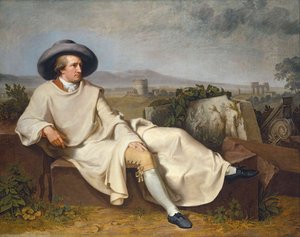
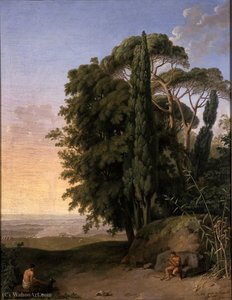
- Landscape Art: In works such as Landscape at Frascati, he demonstrated a remarkable ability to compose tranquil scenes featuring rolling hills and ancient trees, inviting viewers into a state of quiet contemplation.
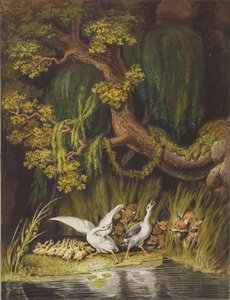
- Wildlife and Drama: His engravings often explored the tension inherent in the natural world. A striking example is his depiction of a goose and gander with their goslings, caught in a moment of alarm as foxes emerge from the rushes, showcasing his talent for capturing movement and narrative drama.
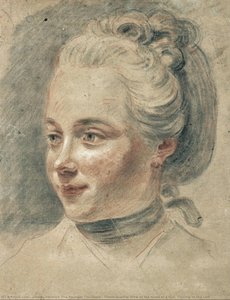
- Charcoal and Detail: His technical range extended to delicate charcoal works, such as his Three-Quarter View of the Head of a Girl, where he utilized light and shadow to create captivating, lifelike textures.
Historical Significance and Artistic Impact
Tischbein’s contribution to the German art canon extends beyond his individual compositions; he served as a vital link between the classical traditions of his predecessors and the emotive power of the Romantic movement. His work embodies the transition from the structured elegance of the Enlightenment to the more turbulent, nature-focused explorations of the 19th century. By documenting both the human face and the untamed natural world, he helped define a visual language that resonated with the cultural shifts of his time.
Today, the works of Johann Heinrich Tischbein the Younger remain essential for understanding the evolution of German Romanticism. His ability to blend meticulous detail with profound emotional resonance ensures that his legacy continues to captivate art historians and enthusiasts alike. Through his engravings, portraits, and landscapes, he left an indelible mark on the artistic landscape of Europe, preserving the fleeting moments of nature and the enduring spirits of humanity within his timeless creations.
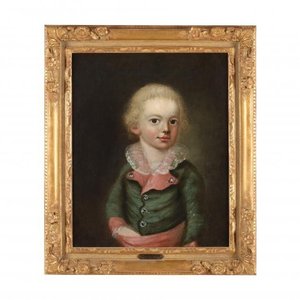
johann heinrich the younger tischbein
1742 - 1808 , Germany
Quick Facts
- Artistic Movement Or Style: Romanticism
- Artists Or Movements Influenced By This Artist: ['Goethe']
- Artists Who Influenced This Artist: ['Johann Konrad Tischbein']
- Date Of Birth: November 28, 1751
- Full Name: Johann Heinrich Tischbein the Younger
- Nationality: German
- Notable Artworks:
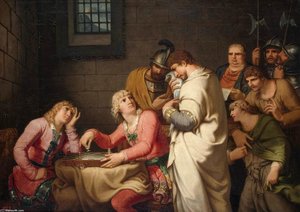
- Conradin & Frederick
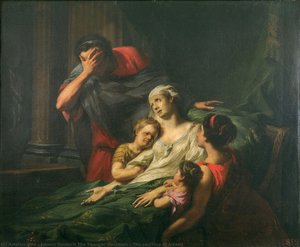
- The sacrifice of Alcesti
- A goose and a gander...
- Place Of Birth: Haina, Germany
Related Articles
Engraving's Golden Age: 10 Masterpieces That Redefined Art | ArtsDot
Journey through art history with our Top 10 Legendary Engravings! Explore masterpieces by Dürer, Rembrandt & Goya. Discover the stories behind these iconic prints and find museum-quality reproductions for your home at ArtsDot.com.
Engraving: A Historical Survey of Technique, Artistic Expression & Enduring Legacy
Explore the rich history of engraving with ArtsDot. Discover techniques, iconic artists like Dürer & Callot, collecting tips, and expert guidance for preserving your art investment. Learn about intaglio printing & more!

Baroque Masterpieces: 10 Paintings That Defined an Era |
Journey through the drama & grandeur of Baroque art! Explore 10 masterpieces by Caravaggio, Rembrandt, Rubens & more. Discover stunning oil paintings, rich colors & timeless stories. Find museum-quality reproductions at .
The Intricate World of Engraving: A Historical Survey of Technique, Artistic Expression & Enduring Legacy
Explore the rich history of engraving with ArtsDot. Discover techniques, iconic artists like Dürer & Callot, collecting tips, and expert guidance for preserving your art investment. Learn about intaglio printing & more!

Baroque Drama: Bringing Opulence & Emotion into Contemporary Interiors
Explore the opulent world of Baroque interior design! Discover key elements, modern applications & how to bring dramatic elegance into your home with 's authentic reproductions.