 Preview
 Send
Send Share
Share
 Details

 Download
 Similars
 X-Ray
X-Ray Diaporama
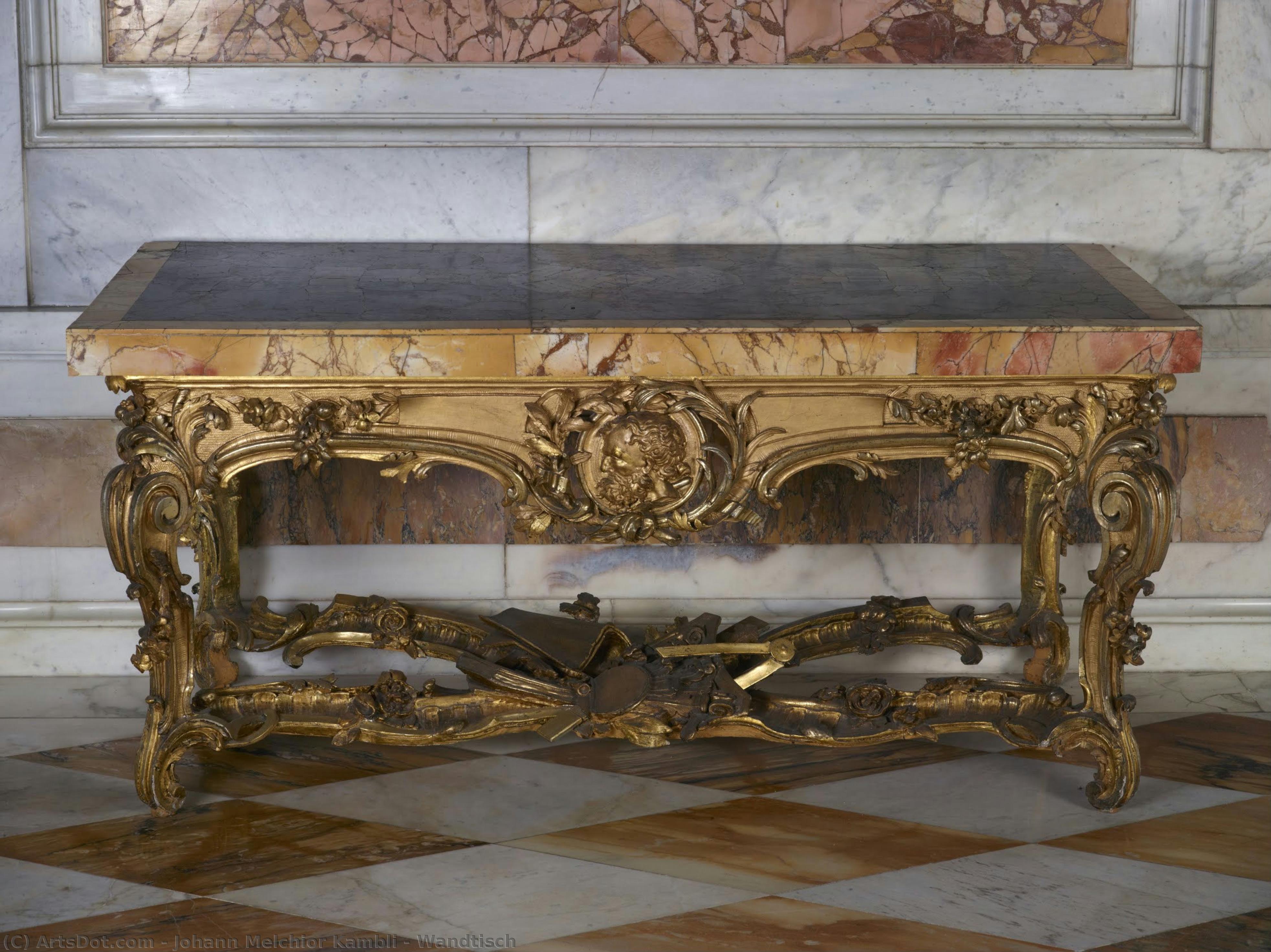
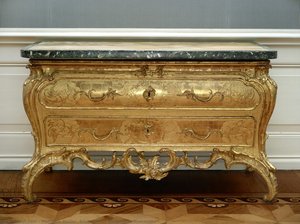
Wandtisch
 Acrylic On Canvas
- WallArt
- Frederician Rococo
 1766
1766 88.0 x 187.0 cm
 Picture Gallery Sanssouci
 Read More
Hand Made Oil Reproduction
Hand-painted oil on canvas in your size and frame, made to order by our artists. ( Buy Print Buy Image)




P118B $10

P118H $10

P118W $10

P438Z $10

P508JH $12

P508YH $12

P805H $10

P805Z $10

P919BZ $10

P919G $10

P919XJ $10

P959ZH $10

P968JZ $12

W106C $8

W218G $10

W218JH $8

W218Y $10

W307PJ $10

W316G $10

W316PJ $8

W316Y $10

W398PJ $8

W4111J $10

W500HY $15

W500JH $15

W692G $12

W849H $8

W940BG $15

W953PJ $8




Pick from our preset sizes that match the artwork's original proportions.

You may enter your own dimensions to fit a specific frame or space. If your selected size does not match the original image's proportions, we will either crop the artwork or extend the painting with additional hand-painted elements. A digital mockup will be sent for your approval before production begins.
Please note that the on-screen preview does not reflect the actual cropping or extension. Only the mockup will accurately show the final composition.
While custom sizes are available, we recommend selecting a dimension from the predefined list to preserve the original proportions.
After order, ArtsDot.com team will email client for instructions and provide a mockup preview
Worldwide Delivery () in 3/4 weeks instead of standard 5 weeks. (16 August). No compromise on quality.

Free Worldwide Express Shipping

High-Quality Linen Canvas

Full Shipping Insurance

Customs Tax Refund Guarantee

True Color Matching Guarantee

60-Day Return Policy (Defects Only)

100% Money-Back Guarantee

Bulk Discount Offer
 Glass option is only available in size under 110 CM

Wandtisch
Reproduction Medium
Reproduction Size
-


Total Price
$ 263
Artwork Description
A Symphony of Marble and Gold: Exploring Johann Melchior Kambly’s Wandtisch
Johann Melchior Kambly (1718–1783), a sculptor whose legacy transcends mere craftsmanship, fundamentally shaped the aesthetic sensibilities of Frederician Rococo architecture in Prussia. Primarily celebrated for his monumental sculptures adorning Sanssouci Palace and the New Palace in Potsdam—testaments to Friedrich II’s vision of grandeur—Kambly's influence extended far beyond architectural commissions. He wasn’t merely constructing buildings; he was crafting experiences, imbuing spaces with elegance and sophistication that continue to captivate audiences today. This remarkable piece, “Wandtisch,” exemplifies Kambly’s mastery of Rococo style and offers a fascinating glimpse into the artistic fervor of his era.The Essence of Frederician Rococo
Kambly's contribution to Prussian art is inextricably linked to the burgeoning Rococo movement—a stylistic rebellion against the austere formality of Baroque grandeur. Born in Zurich, Kambly honed his sculptural skills amidst the intellectual currents of Enlightenment Switzerland before relocating to Potsdam and accepting a royal commission that cemented his position as Frederick II’s principal architect. Rococo prioritized lightness, ornamentation, and playful asymmetry, rejecting the rigid geometric principles favored by earlier styles. Kambly skillfully translated these ideals into architectural designs—particularly Sanssouci—creating palaces brimming with pastel hues, intricate stucco reliefs, and opulent decorative elements. “Wandtisch” embodies this spirit perfectly, reflecting a desire to delight the senses and elevate the viewer’s perception of beauty.A Detailed Examination: Composition and Technique
The painting itself presents a meticulously crafted tableau. At its core lies a marble table—a material chosen for its coolness and purity—framed by a gilded border that exudes wealth and prestige. The tabletop is adorned with an elaborate floral motif, demonstrating Kambly’s penchant for naturalistic detail within the framework of Rococo aesthetics. Furthermore, the backdrop features a mesmerizing mosaic pattern—likely intended to enhance the visual impact of the piece and contribute to its overall sense of grandeur. Kambly's technique involved sculpting marble with exceptional precision, utilizing chisels and hammers to carve out complex forms while applying pastes and pigments to achieve vibrant colors and textures. The resulting surface is smooth and polished, reflecting light beautifully and emphasizing the sculptural qualities of the artwork.Symbolism Within Ornamentation
Beyond its visual splendor, “Wandtisch” speaks volumes about the symbolic values prevalent during Kambly’s time. Floral motifs—particularly roses and lilies—were frequently employed in Rococo art to represent purity, love, and fertility—themes central to aristocratic ideals of marriage and family life. The gilded frame symbolizes royal authority and prosperity, underscoring Frederick II's ambition to establish Prussia as a dominant European power. Moreover, the mosaic pattern evokes references to classical antiquity—a deliberate gesture aimed at associating Kambly’s work with notions of harmony, order, and intellectual refinement.Emotional Resonance: Capturing Beauty and Delight
Ultimately, “Wandtisch” succeeds in conveying a profound sense of beauty and delight—qualities that were paramount to Rococo artists' goals. The painting invites contemplation, encouraging viewers to appreciate the subtle nuances of color, texture, and form. Kambly’s masterful execution captures not merely an image but an atmosphere—a feeling of refined elegance and aristocratic splendor. It stands as a testament to the enduring power of art to inspire awe and elevate the human spirit.- Artist: Johann Melchior Kambly
- Born Year: 1718
- Death Year: 1783
- Birth City: Zurich
- Birth Country: Switzerland
Explore artworks organized by themes, styles, and characteristics.
Tell us about your project and our art experts will provide you with 3 personalized art suggestions.
Related Artworks


Artist Biography
The Architect of Gilded Splendor: The Life of Johann Melchior Kambly
In the luminous era of the eighteenth century, few names evoke the shimmering elegance of the Frederician Rococo quite like Johann Melchior Kambly. Born in January 1718 to a distinguished patrician family in Zurich, Switzerland, Kambly was destined for a life where artistry and craftsmanship would intertwine with royal grandeur. His lineage was steeped in technical mastery; as the son of a skilled locksmith and clockmaker, the seeds of precision were sown in his earliest years. Yet, it was not merely through bloodline but through rigorous apprenticeship that he forged his identity. Under the tutelage of his uncle, the sculptor Johann Jakob Schärer in Schaffhausen, and later through studies with woodcarvers and goldsmiths, Kambly developed a polymathic command over diverse media, ranging from the delicate intricacies of bronze casting to the structural demands of architectural ornament.
The trajectory of Kambly’s career shifted dramatically when his talents caught the eye of the Prussian court. Around 1744, he was summoned to Berlin and Potsdam by Frederick the Great, a monarch whose aesthetic vision would provide the ultimate canvas for Kambly’s genius. This period marked the transition of an artisan into a pivotal figure of European decorative arts. Settling in Potsdam, Kambly did not merely participate in the era's trends; he became a primary engine of the Frederician Rococo style. His work served as a bridge between the heavy, formal traditions of the Baroque and a new, more playful sensibility characterized by asymmetrical grace, light-catching surfaces, and an almost breathless sense of movement.
A Master of Bronze and Ornamentation
Kambly’s true legacy lies in his ability to transform cold metal into fluid, organic poetry. By 1752, he had established a renowned manufactory in Potsdam dedicated to the production of bronze doré—gilded bronze. This workshop became a powerhouse of European luxury, producing works so exquisite that contemporary critics often compared them to the finest Parisian achievements. His mastery of the casting process allowed him to create intricate mounts, furniture fittings, and sculptural elements that seemed to defy the weight of their material. Whether it was the delicate floral motifs on a commode or the commanding presence of a bronze mirror frame for the Potsdam Palace, Kambondere's touch brought a sense of rhythmic vitality to the interiors of the Prussian elite.
His contributions to the architectural landscape were equally profound. As a decorative sculptor and specialist in ornamental architectural hardware, he played an essential role in the ornamentation of Sanssouci Palace and the New Palace. His hands shaped the very details that defined these spaces:
- Architectural Finery: The execution of ornate capitals and sculptural reliefs that adorned the facades and interiors of royal summer residences.
- Furniture Artistry: The creation of gilded chair frames, such as the fauteuils for Sanssouci, and elaborate cabinets featuring complex marquetry and ormolu mounts.
- Decorative Objects: The production of high-status items including clocks, musical stands, and bronze mirrors that served as the focal points of royal chambers.
Legacy of the Rococo Visionary
The historical significance of Johann Melchior Kambly extends far beyond the borders of Prussia. He represented a unique moment in art history where the boundaries between fine art sculpture and high-end decorative craft were beautifully blurred. Through his workshop, he helped establish a standard of excellence that influenced European interior design for decades, proving that the smallest ornamental detail could carry as much emotional weight as a monumental statue. His ability to synthesize the precision of Swiss craftsmanship with the opulent demands of the Prussian court created a visual language of power and elegance that remains etched in the halls of Potsdam today.
Though he passed away in 1783, leaving behind a trail of gilded splendor, Kambly’s influence endured. He remains a symbol of an age where art was not merely observed from a distance but lived within—a world where every surface, every hinge, and every gilded leaf was an opportunity to celebrate the sublime beauty of the Rococo spirit.
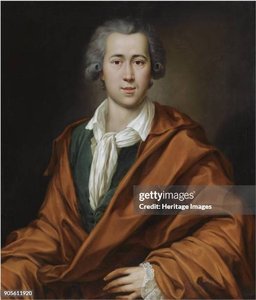
johann melchior kambli
1718 - 1783 , Switzerland
Quick Facts
- Artistic Movement Or Style: Frederician Rococo
- Artists Or Movements Influenced By This Artist: ['Ciro Ferri']
- Date Of Birth: January 1718
- Full Name: Johann Melchior Kambly
- Nationality: Swiss
- Notable Artworks: ['Wandtisch']
- Place Of Birth: Zurich, Switzerland
Related Articles

Rococo's Radiant Legacy: 10 Masterpieces for Your Home |
Indulge in the elegance of Rococo! Explore 10 masterpieces by Fragonard, Boucher & Watteau. Discover the stories behind these iconic paintings and bring timeless art to your home with museum-quality reproductions from .

The Rococo Aesthetic: Opulence, Rebellion & the Pursuit of Pleasure in 18th-Century Art
Explore the opulent world of Rococo art! Discover its origins, key artists like Watteau & Boucher, and lasting influence on design. Expert insights for collectors & enthusiasts.

The Allure of Elegance in Art: A Historical & Aesthetic Exploration of Refinement & Grace
Explore the exquisite world of Rococo art! Discover its history, masters (Watteau, Boucher & more), and defining elegance. Expert insights for collectors seeking museum-quality reproductions & custom portraits.
The Enduring Allure of Marble in Art History: From Classical Sculpture to Modern Abstraction
Explore the captivating history of marble sculpture from ancient Greece to modern art. Discover renowned artists like Canova & Michelangelo, carving techniques, and investment insights at ArtsDot.
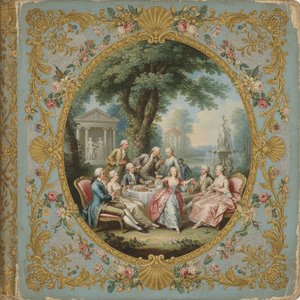
The Rococo Style: Aristocratic Leisure & the Pursuit of Delight in 18th-Century Art
Explore the opulent world of Rococo art! Discover Watteau, Boucher & Nattier's masterpieces. Expert insights for collectors seeking museum-quality reproductions and custom portraits at ArtsDot.