 Preview
 Send
Send Share
Share
 Details

 Download
 Similars
 X-Ray
X-Ray Diaporama
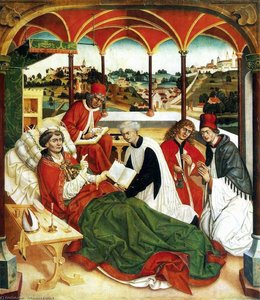
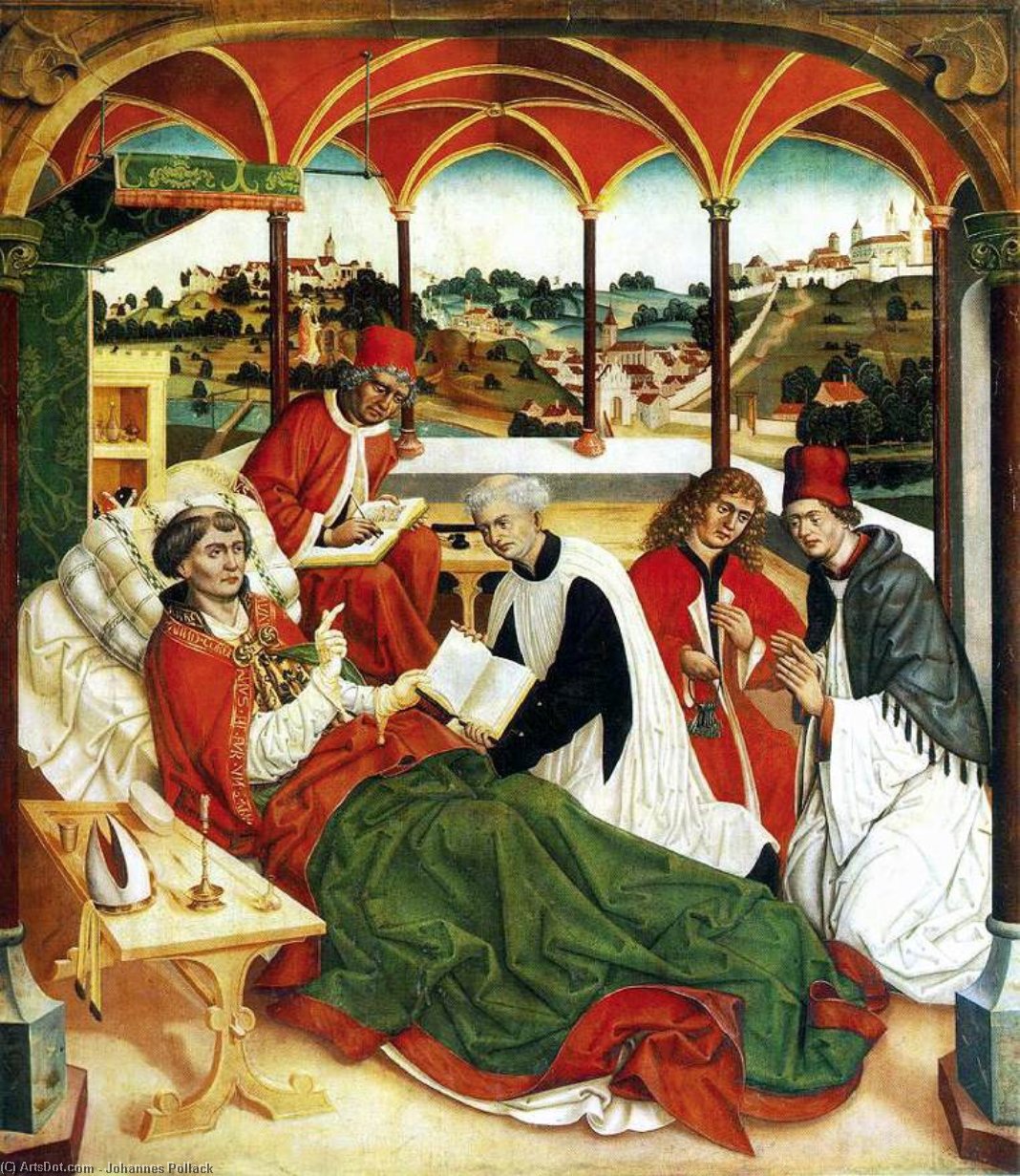
The Death of St Corbinian
 Oil On Canvas
- WallArt
- Renaissance
 1484
1484- Renaissance
 147.0 x 129.0 cm
 Alte Pinakothek
 Read More
Hand Made Oil Reproduction
Hand-painted oil on canvas in your size and frame, made to order by our artists. ( Buy Print Buy Image)




P118B $10

P118H $10

P118W $10

P438Z $10

P508JH $12

P508YH $12

P805H $10

P805Z $10

P919BZ $10

P919G $10

P919XJ $10

P959ZH $10

P968JZ $12

W106C $8

W218G $10

W218JH $8

W218Y $10

W307PJ $10

W316G $10

W316PJ $8

W316Y $10

W398PJ $8

W4111J $10

W500HY $15

W500JH $15

W692G $12

W849H $8

W940BG $15

W953PJ $8




Pick from our preset sizes that match the artwork's original proportions.

You may enter your own dimensions to fit a specific frame or space. If your selected size does not match the original image's proportions, we will either crop the artwork or extend the painting with additional hand-painted elements. A digital mockup will be sent for your approval before production begins.
Please note that the on-screen preview does not reflect the actual cropping or extension. Only the mockup will accurately show the final composition.
While custom sizes are available, we recommend selecting a dimension from the predefined list to preserve the original proportions.
After order, ArtsDot.com team will email client for instructions and provide a mockup preview
Worldwide Delivery () in 3/4 weeks instead of standard 5 weeks. (23 August). No compromise on quality.

Free Worldwide Express Shipping

High-Quality Linen Canvas

Full Shipping Insurance

Customs Tax Refund Guarantee

True Color Matching Guarantee

60-Day Return Policy (Defects Only)

100% Money-Back Guarantee

Bulk Discount Offer
 Glass option is only available in size under 110 CM

The Death of St Corbinian
Reproduction Medium
Reproduction Size
-


Total Price
$ 263
Related Artworks
![Legend Of St Francis - [23] - St Francis Mourned By St Clare — Giotto Di Bondone, Gothic](/media/artworks/images-thumb/17/1c/171c284c41dc3ef8bca83e51c1e1e531.jpg)
Artist Biography
Johannes Pollack: Bridging Cultures in Renaissance Krakow
Johannes Pollack, born around 1435 in Krakow, Poland – a city at the crossroads of Germanic and Slavic traditions – stands as one of the most remarkable figures of Polish Renaissance art. His life’s journey intertwined with monastic devotion and artistic innovation, leaving an indelible mark on the visual landscape of his era and establishing him as a pivotal link between Northern European stylistic currents and the burgeoning humanist spirit of Krakow.- Early Life & Monastic Formation: Pollack entered the Benedictine monastery of St Florian in Krakow at a young age, marking the beginning of a life dedicated to prayer and scholarship. This formative experience profoundly shaped his artistic sensibilities, instilling within him a deep appreciation for religious iconography and fostering an unwavering commitment to conveying spiritual truths through visual representation.
- Artistic Training & Influences: While biographical details remain scarce, Pollack’s artistic training undoubtedly benefited from the vibrant intellectual environment of Krakow. The humanist ideals championed by scholars like Nicolaus Copernicus and Marcin Kromer – emphasizing observation, reason, and human dignity – permeated the city's cultural discourse, influencing artists like Pollack to adopt innovative techniques and explore new expressive possibilities.
The Flowering of Krakow’s Artistic Vision: Style & Technique
Pollack’s artistic style exemplifies the distinctive blend characteristic of Krakow’s Renaissance. Drawing inspiration from Flemish masters such as Rogier van der Weyden and Hugo van der Goes, he skillfully employed oil paint – a relatively new medium at the time – to achieve unprecedented levels of realism and luminosity. His meticulous attention to detail—evident in depictions of drapery folds, facial expressions, and anatomical accuracy—demonstrates a mastery of observation that aligns perfectly with humanist principles.Religious Iconography & Spiritual Expression
Pollack’s artistic output consistently prioritized conveying spiritual messages. His depictions of saints, biblical scenes, and liturgical figures are imbued with a palpable sense of reverence and contemplation—reflecting the Benedictine monastic ethos that underpinned his life's work. Through carefully crafted gestures, facial expressions, and drapery designs, Pollack succeeded in capturing the essence of Christian faith, inviting viewers to engage in a dialogue with divine grace.Legacy & Historical Significance
Johannes Pollack’s contribution to Polish Renaissance art transcends mere stylistic innovation. He served as a beacon of humanist ideals within Krakow's artistic community and elevated St Florian Monastery to prominence as a center of artistic excellence. His enduring influence can be discerned in subsequent generations of Polish painters—who embraced his meticulous technique and expressive vision—solidifying his place among the foremost artists of his time and ensuring that his legacy continues to inspire admiration for centuries to come.
johannes pollack
1435 - 1519 , Poland
Quick Facts
- Artistic Movement Or Style: Renaissance painter
- Artists Who Influenced This Artist: ['Maurice Pollack']
- Date Of Birth: 1435
- Full Name: Johannes Pollack
- Nationality: Polish-German
- Notable Artworks: ['St Corbinian painting']
- Place Of Birth: Krakow, Poland
Related Articles

Oil on Canvas: A Historical & Technical Exploration of a Timeless Artistic Medium
Explore the rich history & enduring techniques of oil painting on canvas. Discover the science behind its longevity, conservation practices, and contemporary relevance. Expert insights for art enthusiasts.
The Northern Renaissance: A Flourishing of Realism, Religious Reform & Artistic Innovation
Explore the Northern Renaissance! Discover Jan van Eyck's innovations, religious shifts, & key artists of this influential period. Expert analysis and insights into Early Netherlandish painting at ArtsDot.

The Enduring Power of Painting: A Historical & Contemporary Exploration of Form and Emotion
Explore the rich history & enduring techniques of oil painting with ArtsDot. Discover masterpieces, learn about art collecting, and find authentic handmade reproductions crafted by skilled artists.

The Enduring Legacy of Oil on Canvas: Technique, History & Aesthetic Impact
Explore the rich history & techniques of oil painting – from Renaissance masters to Impressionism. Discover pigments, layering methods, and why this timeless medium endures. Expert insights for artists & art enthusiasts.

El Greco's Masterpieces: Explore 25 Iconic Paintings & Spiritual Visions | ArtsDot
Journey through El Greco's 25 most iconic paintings! Explore the spiritual depth & dramatic beauty of this Spanish Renaissance master. Discover art history, techniques & find museum-quality reproductions for your home at ArtsDot.com.