 Preview
 Send
Send Share
Share
 Details

 Download
 Similars
 X-Ray
X-Ray Diaporama
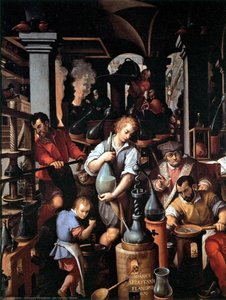
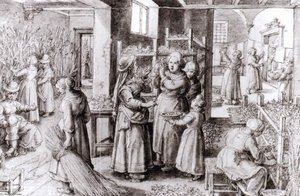
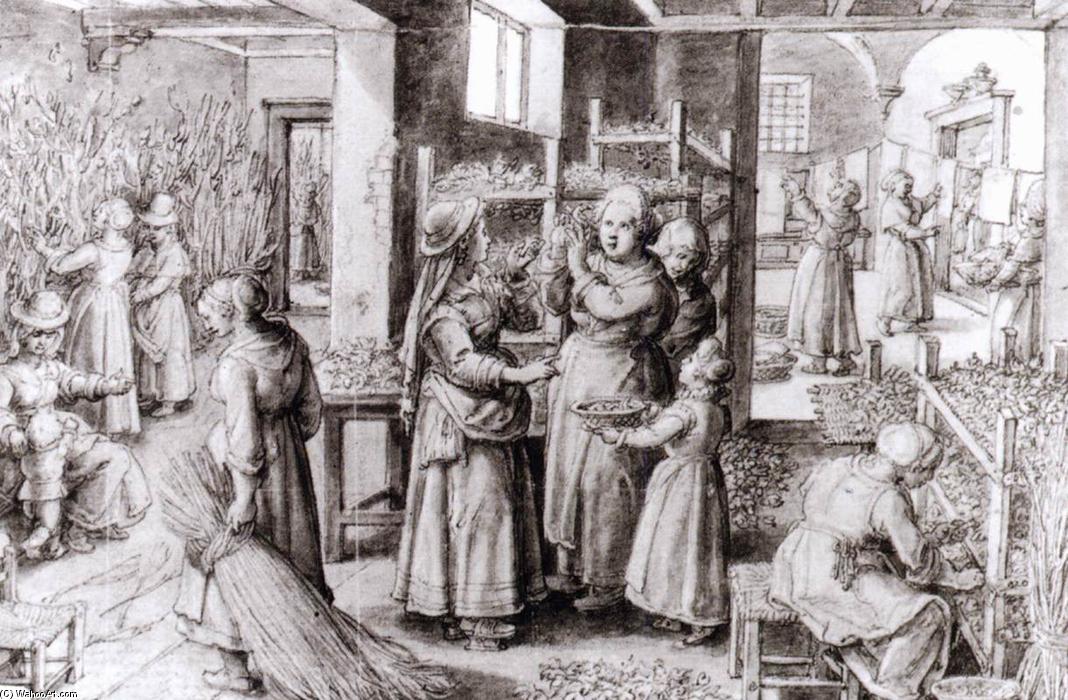
Silkworm Farm


 Read More
Hand Made Oil Reproduction
Hand-painted oil on canvas in your size and frame, made to order by our artists. ( Buy Print Buy Image)




































Pick from our preset sizes that match the artwork's original proportions.

You may enter your own dimensions to fit a specific frame or space. If your selected size does not match the original image's proportions, we will either crop the artwork or extend the painting with additional hand-painted elements. A digital mockup will be sent for your approval before production begins.
Please note that the on-screen preview does not reflect the actual cropping or extension. Only the mockup will accurately show the final composition.
While custom sizes are available, we recommend selecting a dimension from the predefined list to preserve the original proportions.
After order, ArtsDot.com team will email client for instructions and provide a mockup preview
Worldwide Delivery () in 3/4 weeks instead of standard 5 weeks. (17 August). No compromise on quality.

Free Worldwide Express Shipping

High-Quality Linen Canvas

Full Shipping Insurance

Customs Tax Refund Guarantee

True Color Matching Guarantee

60-Day Return Policy (Defects Only)

100% Money-Back Guarantee

Bulk Discount Offer
 Glass option is only available in size under 110 CM

Silkworm Farm
Reproduction Medium
Reproduction Size
-


Total Price
$ 413
Related Artworks
Artist Biography
Johannes Stradanus: A Florentine Master of Myth and Emblem
Jan van der Straet, better known as Johannes Stradanus or Giovanni Stradano, was a pivotal figure in 16th-century European art, primarily recognized for his masterful depictions of mythological scenes, allegorical representations, and refined portraiture. Born in Bruges, Belgium, around 1523, into a family deeply rooted in the artistic traditions of Flanders, Stradanus’s career unfolded across multiple centers – initially in his homeland, then Antwerp, and ultimately culminating in Florence, Italy, where he established himself as a leading court artist for the Medici family. His journey reflects the broader currents of Renaissance art, blending Northern European realism with Italian Mannerist elegance and humanist ideals. Stradanus’s early artistic training likely began within his father's workshop, a common practice at the time, providing him with a solid foundation in painting techniques. He further honed his skills in Antwerp under the tutelage of Pieter Aertsen, a prominent figure in the city’s vibrant art scene. This period exposed Stradanus to the prevailing artistic trends of the Low Countries – a synthesis of Flemish realism and burgeoning Italian influences—and instilled in him a meticulous approach to composition and detail. Crucially, his time in Antwerp also connected him with the Romanist movement, a group of artists who had traveled to Italy and sought to emulate the classical ideals and techniques they encountered there. This exposure proved invaluable as he prepared for his eventual relocation to Florence.The Florentine Court and Artistic Innovation
In 1550, Stradanus embarked on a transformative journey to Florence, where he entered the service of the Medici family, then one of the most powerful and influential families in Europe. His arrival coincided with a period of immense artistic patronage and experimentation within the court, orchestrated by Grand Duke Cosimo I de’ Medici and his advisor, Giorgio Vasari. Stradanus quickly became an integral part of this creative ecosystem, contributing significantly to the decoration of lavish palaces, designing elaborate tapestries, and producing intricate engravings. He wasn't merely a decorator; he was a conceptual innovator, skillfully blending classical mythology with contemporary themes and incorporating elements of humanist philosophy into his work. His collaboration with Vasari is particularly noteworthy. Together, they oversaw ambitious projects like the frescoes adorning the Palazzo Vecchio and the decorative schemes at Poggio a Caiano, showcasing Stradanus’s versatility as a designer and his ability to translate complex ideas into visually compelling narratives. He also played a key role in establishing the Accademia e Compagnia delle Arti del Disegno in 1563, a groundbreaking artistic academy that aimed to foster collaboration and innovation among artists in Florence – a testament to his influence within the Florentine art world. Stradanus’s work during this period is characterized by a refined elegance, meticulous detail, and a masterful command of color and composition, reflecting the sophisticated aesthetic sensibilities of the Medici court.Mythological Visions and Emblematic Representations
Stradanus's artistic output spanned a remarkably diverse range of subjects. He excelled in creating dynamic mythological scenes, often imbued with allegorical meaning. His depictions frequently drew upon classical sources but were reinterpreted through a distinctly Renaissance lens, incorporating humanist values and contemporary concerns. A prime example is “Allegory of America,” a drawing that served as a preparatory study for an engraved plate in the *Nova Reperta* series commissioned by the Medici court artist Johannes Stradanus (Giovanni Stradano). This work vividly portrays Amerigo Vespucci’s discovery of the New World, blending historical detail with symbolic elements and showcasing Stradanus's ability to seamlessly integrate diverse artistic traditions. Beyond mythological subjects, Stradanus produced numerous portraits, often characterized by their psychological depth and subtle expressions. He also designed elaborate tapestries depicting historical events, landscapes, and genre scenes—demonstrating his versatility as a designer. His engravings, in particular, gained widespread popularity throughout Europe, disseminating his style and contributing to the development of printmaking techniques.Legacy and Historical Significance
Johannes Stradanus died in Florence in 1605, leaving behind a substantial body of work that significantly impacted the artistic landscape of the 16th century. His influence extended beyond Florence, as his engravings were circulated throughout Europe, shaping the tastes of collectors and influencing artists across various regions. He stands as a crucial link between the Northern European realism of his early training and the Mannerist elegance of Italian art, embodying the dynamic exchange of ideas that characterized the Renaissance period. His work continues to be studied for its technical mastery, its sophisticated use of symbolism, and its reflection of the cultural and intellectual currents of his time. The Metropolitan Museum of Art’s collection features a significant drawing by Stradanus – “Allegory of America” – offering valuable insight into his artistic vision and providing a tangible connection to this remarkable Florentine master. His legacy is not simply one of technical skill, but also as an artist who skillfully navigated the complex interplay between tradition and innovation, leaving behind a rich and enduring contribution to European art history.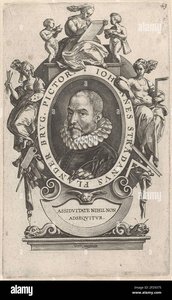
johannes stradanus (jan van der straet)
1523 - 1605 , Belgium
Quick Facts
- Artistic Movement Or Style: Renaissance, 16th Century Painting
- Artists Or Movements Influenced By This Artist: ['Stradanus (Giovanni Stradano)']
- Artists Who Influenced This Artist:
- Jan van Eyck
- Hugo van der Goes
- Date Of Birth: 1523
- Date Of Death: 1605
- Full Name: Jan van der Straet (Giovanni Stradano)
- Nationality: Flemish
- Notable Artworks:
- Allegory of America
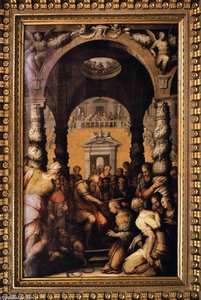
- Esther Receiving Crown
- Place Of Birth: Bruges, Belgium
Related Articles
Illuminating Realism: Early Netherlandish Painting (15th-16th Centuries)
Explore the captivating world of Early Netherlandish painting! Discover Jan van Eyck, Hans Memling & more. Uncover symbolism, techniques & the legacy of these Flemish masters. A comprehensive guide for art enthusiasts.
The Renaissance Reimagined: Art, Humanism & Cultural Transformation (14th–16th Centuries)
Explore the Renaissance! Discover key artists like Leonardo & Michelangelo, the rise of Humanism, and groundbreaking techniques such as chiaroscuro. A comprehensive guide for art enthusiasts.
Jacopo Pontormo: A Bridge Between Renaissance Tradition & Mannerist Emotion
Explore the captivating world of Jacopo Pontormo, a pivotal Italian Mannerist painter. Discover his unique style, influences & masterpieces – and find museum-quality reproductions at ArtsDot.
Engraving's Golden Age: 10 Masterpieces That Redefined Art | ArtsDot
Journey through art history with our Top 10 Legendary Engravings! Explore masterpieces by Dürer, Rembrandt & Goya. Discover the stories behind these iconic prints and find museum-quality reproductions for your home at ArtsDot.com.
Renaissance Humanism's Greatest Art: 10 Masterpieces for Your Home
Explore 10 Renaissance Humanism masterpieces by Leonardo da Vinci, Michelangelo & Raphael. Discover the stories behind these iconic paintings & sculptures and bring timeless art into your home with museum-quality reproductions from ArtsDot.com. Explore the full collection online!