 Preview
 Send
Send Share
Share
 Details

 Download
 Similars
 X-Ray
X-Ray Diaporama
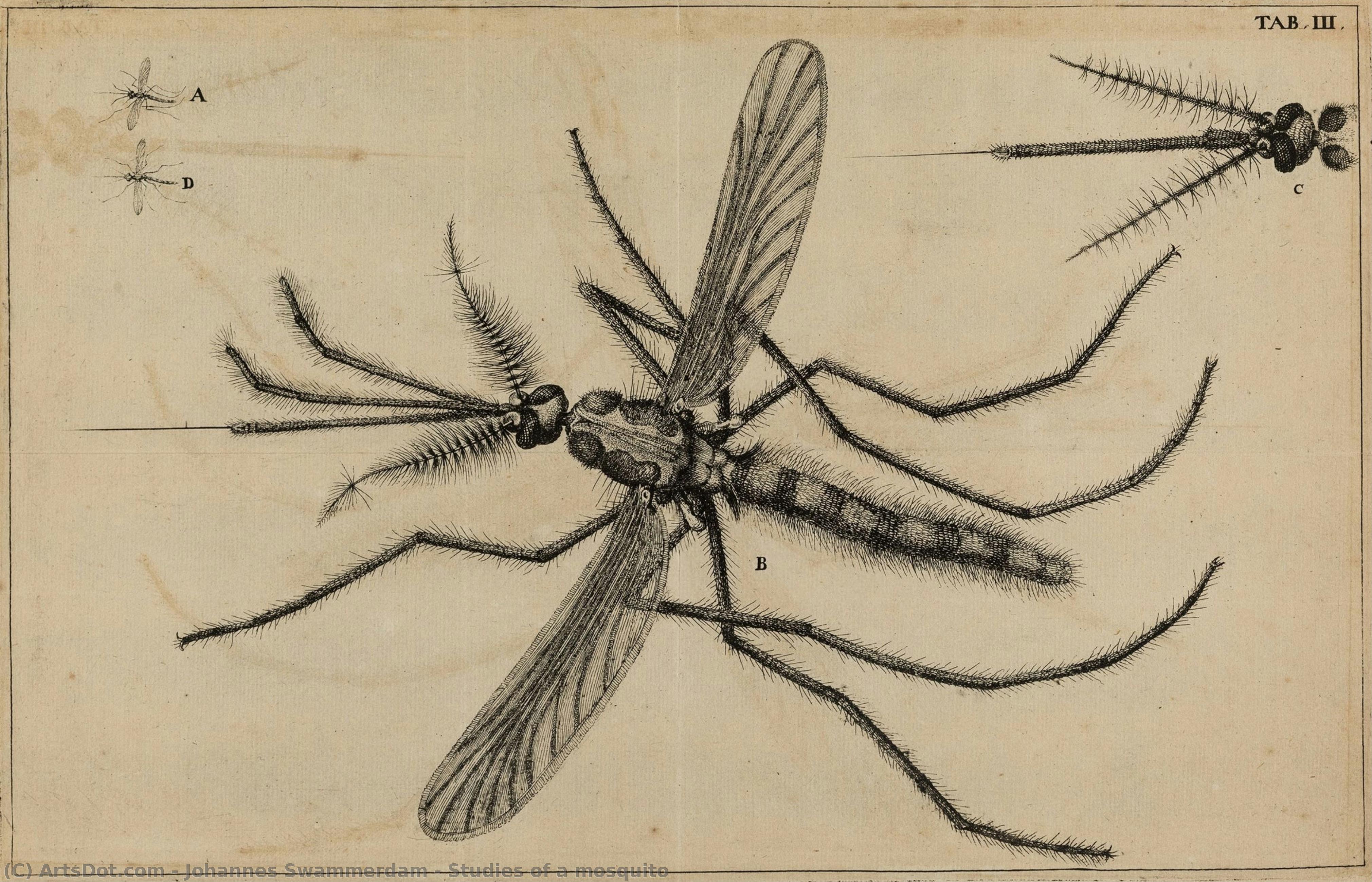
Studies of a mosquito


 Read More
Hand Made Oil Reproduction
Hand-painted oil on canvas in your size and frame, made to order by our artists. ( Buy Print Buy Image)




































Pick from our preset sizes that match the artwork's original proportions.

You may enter your own dimensions to fit a specific frame or space. If your selected size does not match the original image's proportions, we will either crop the artwork or extend the painting with additional hand-painted elements. A digital mockup will be sent for your approval before production begins.
Please note that the on-screen preview does not reflect the actual cropping or extension. Only the mockup will accurately show the final composition.
While custom sizes are available, we recommend selecting a dimension from the predefined list to preserve the original proportions.
After order, ArtsDot.com team will email client for instructions and provide a mockup preview
Worldwide Delivery () in 3/4 weeks instead of standard 5 weeks. (21 August). No compromise on quality.

Free Worldwide Express Shipping

High-Quality Linen Canvas

Full Shipping Insurance

Customs Tax Refund Guarantee

True Color Matching Guarantee

60-Day Return Policy (Defects Only)

100% Money-Back Guarantee

Bulk Discount Offer
 Glass option is only available in size under 110 CM

Studies of a mosquito
Reproduction Medium
Reproduction Size
-


Total Price
$ 263
Related Artworks

Artist Biography
Rembrandt Harmenszoon van Rijn: A Life Illuminated
Rembrandt Harmenszoon van Rijn, a name synonymous with the Dutch Golden Age, remains one of history’s most profoundly influential artists. Born in Leiden on July 15, 1606, and tragically dying in Amsterdam on October 4, 1669, Rembrandt's journey was marked by both extraordinary artistic achievement and personal hardship. His legacy extends far beyond the canvases he created; he fundamentally reshaped the very nature of painting, prioritizing emotional depth, dramatic lighting, and a profound understanding of human psychology. Initially apprenticed to Jacob van Swanenburgh, a local painter, Rembrandt’s early work focused on religious subjects and portraits, establishing him as a skilled craftsman within the established artistic circles of Leiden. However, it was his move to Amsterdam in 1631 that truly ignited his creative fire and propelled him toward becoming a master.Early Years and Artistic Development
Rembrandt’s formative years were deeply influenced by the artistic currents of his time. He studied the works of Italian masters, particularly those of the Renaissance, absorbing their techniques and compositional strategies. Simultaneously, he engaged with the vibrant world of Dutch painting, drawing inspiration from artists like Jan van der Heyden, whose innovative use of perspective and realism offered a compelling contrast to the more idealized styles prevalent at the time. His early portraits, such as *The Storm on the Sea of Galilee* (1635-1638), demonstrate a burgeoning talent for capturing not just physical likeness but also the inner lives of his subjects. This period saw him experimenting with dramatic lighting—a technique he would later master—and exploring themes of faith, morality, and human experience. The *Self-Portraits* beginning in 1640 are particularly significant, offering an unparalleled intimate glimpse into the artist’s evolving self-perception and artistic process.Mastering Light and Shadow: A Revolutionary Approach
Rembrandt's genius lay not simply in his technical skill but in his revolutionary approach to light and shadow—what he termed *chiaroscuro*. He didn’t merely depict illumination; he used it as a powerful tool to sculpt forms, evoke emotion, and create a sense of drama. His paintings are characterized by pools of intense darkness that contrast sharply with areas of radiant light, drawing the viewer's eye to key elements within the composition. This technique was not solely employed for aesthetic effect; Rembrandt believed that light revealed truth, exposing both the beauty and the vulnerability of his subjects. Works like *The Night Watch* (1642) exemplify this mastery, transforming a seemingly mundane militia scene into a dynamic tableau filled with psychological intensity and theatrical grandeur. Furthermore, he pushed the boundaries of printmaking, creating etchings and drypoints that rivaled the quality of his paintings, demonstrating an extraordinary versatility and dedication to his craft.Themes and Subject Matter: Exploring Human Experience
Rembrandt’s artistic output spanned a remarkably diverse range of subjects, reflecting his deep engagement with the complexities of human existence. While he frequently depicted biblical scenes—such as *Belshazzar's Feast* (1642), a haunting portrayal of judgment and despair—he also explored secular themes, including portraits of wealthy merchants, members of the gentry, and ordinary people. His later works often focused on intimate moments of human connection, capturing the quiet dignity of old age or the poignant sorrow of loss. *A Polish Nobleman* (1637), a portrait that continues to fascinate scholars, exemplifies this ability to convey profound emotion through subtle gestures and expressions. Rembrandt’s willingness to portray subjects in their imperfect beauty—warts and all—established him as a pioneer of psychological realism, anticipating the developments of later artists like Caravaggio.Legacy and Historical Significance
Despite periods of financial hardship and personal tragedy – including the loss of his wife Saskia and several children – Rembrandt’s artistic legacy endures as one of unparalleled importance. He profoundly influenced generations of painters, both within the Netherlands and across Europe. His innovative use of light, his psychological depth, and his willingness to explore the full spectrum of human emotion set a new standard for portraiture and landscape painting. His work continues to be studied and admired by art historians and viewers alike, serving as a testament to the enduring power of artistic vision and the profound insights into the human condition that Rembrandt so brilliantly captured on canvas. His impact can still be seen in the works of artists such as Nicolas Poussin, who deeply admired his use of light and composition, and even in the work of later masters like Paul Cézanne. Rembrandt’s paintings are not merely beautiful images; they are windows into the soul, offering a timeless reflection on the joys and sorrows, triumphs and failures, that define the human experience.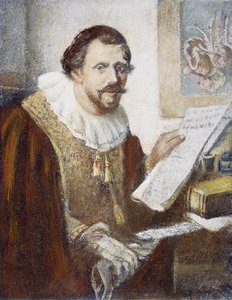
johannes swammerdam
1637 - 1680 , Netherlands
Quick Facts
- Artistic Movement Or Style: Baroque, Dutch Golden Age
- Artists Or Movements Influenced By This Artist:
- Nicolas Poussin
- Jacques-Louis David
- Artists Who Influenced This Artist:
- Titian
- Peter Paul Rubens
- Date Of Birth: July 15, 1606
- Date Of Death: October 4, 1669
- Full Name: Rembrandt Harmenszoon van Rijn
- Nationality: Dutch
- Notable Artworks:
- The Night Watch
- Belshazzar’s Feast
- The Return of the Prodigal Son
- Place Of Birth: Leiden, Netherlands
Related Articles
The Precision of Perception: Scientific Illustration as Art & Epistemology
Explore the fascinating history of scientific illustration – where art meets accuracy. Discover key artists like Karl Blossfeldt & Maud H. Purdy, and delve into its profound epistemological roots. ArtsDot offers museum-quality reproductions.

The Evocative Detail of Nature: A History of Naturalistic Illustration
Explore the rich history of botanical illustration! Discover pioneering artists like Maria Sibylla Merian & Marianne North. Learn about scientific precision, artistic expression, and find museum-quality reproductions at ArtsDot.
The Flourishing Canvas: A Historical & Artistic Exploration of Botanical Illustration
Explore the rich history of botanical illustration! Discover key artists like Havell & Barraband, learn about scientific accuracy & aesthetic beauty. Shop museum-quality reproductions at ArtsDot.
The Eloquent Body: Anatomy's Enduring Legacy in Art from Renaissance Dissection to Modern Representation
Explore the fascinating history of anatomy in art! From Renaissance dissections to modern masterpieces, discover how artists & scientists collaborated to depict the human form with unprecedented realism. Learn more at ArtsDot.
Kay Rasmus Nielsen: A Golden Age Illustrator's Enchanting Legacy of Symbolism & Narrative
Explore the captivating world of Kay Rasmus Nielsen, a celebrated Golden Age illustrator renowned for his Art Nouveau fairy tale art & Disney contributions. Discover his unique style, enduring legacy, and how to collect his enchanting works.