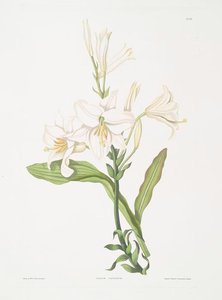
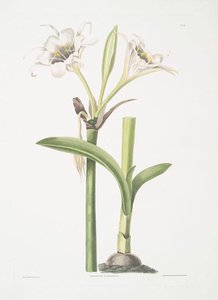
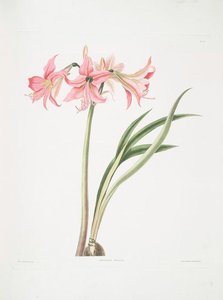
The Roots of Observation: Early Botanical Depictions & Medicinal Herbals
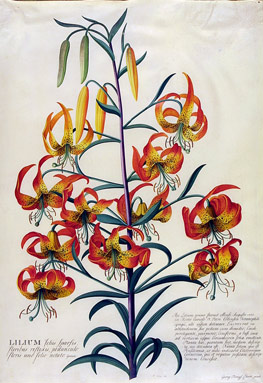 Wikipedia: Botanical illustration
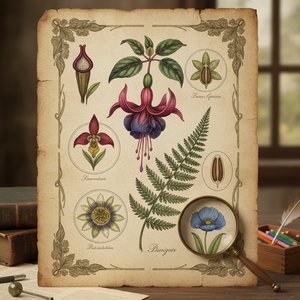
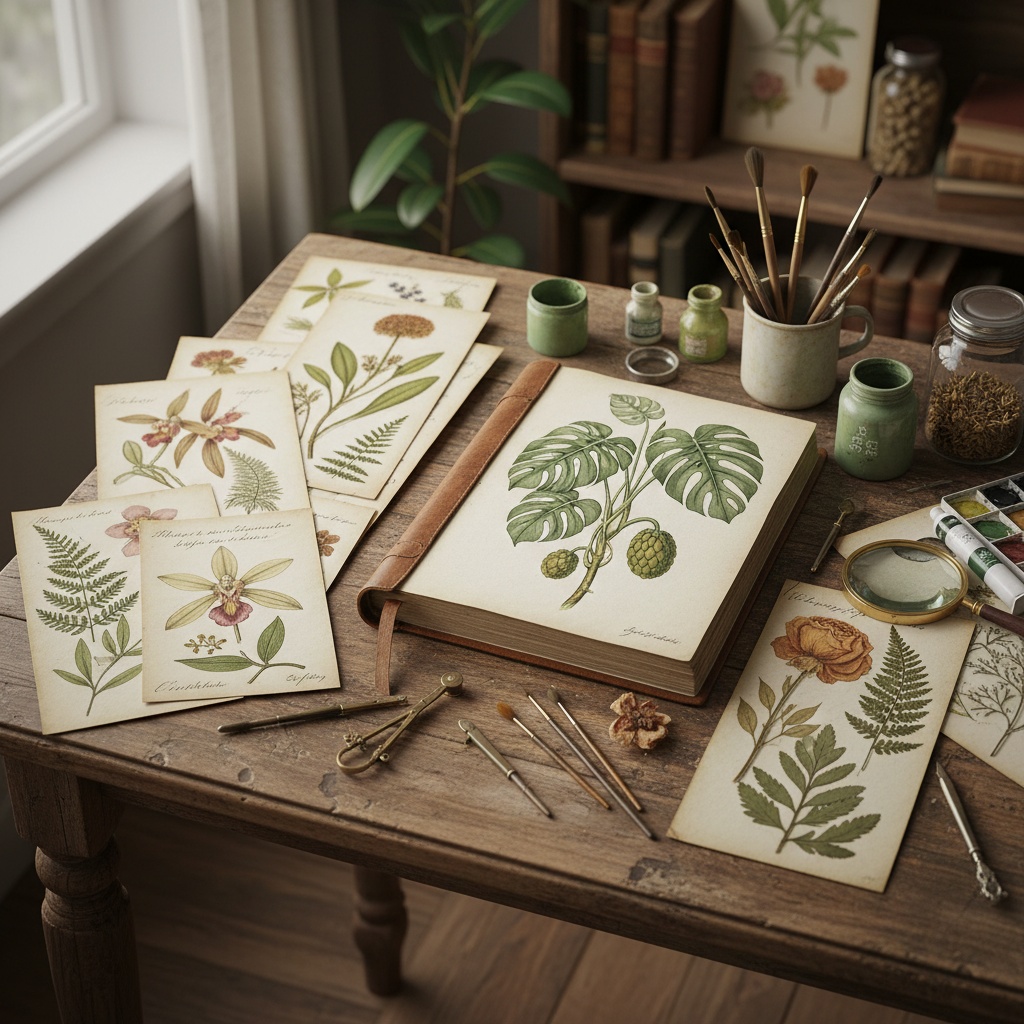
Botanical illustration is the art of depicting the form, color, and details of plant species. They are generally meant to be scientifically descriptive about subjects depicted and are often found printed alongside a botanical description in books, m...
Long before the advent of sophisticated scientific tools, humanity’s understanding of the plant kingdom was inextricably linked to artistic representation. The earliest glimpses into this relationship aren't found in textbooks, but adorning the walls of ancient tombs and temples – stylized depictions of flora serving not as precise botanical records, but as symbolic elements within a broader cosmological framework. These early illustrations, dating back nearly 4000 years, reveal a fundamental human impulse to categorize and interpret the natural world, even if accuracy wasn’t the primary goal. The Vienna Dioscurides, a meticulously copied manuscript from the 6th century CE, represents a pivotal moment. While beautiful in its execution, it underscores the challenges of early botanical art; the plants depicted often bear little resemblance to their living counterparts, highlighting the limitations of relying solely on observation without a grounding in systematic study.
The medieval period saw monasteries become crucial centers for preserving knowledge of medicinal herbs. Within cloistered gardens, monks cultivated plants not merely for sustenance but for healing, and their herbals – illustrated compendiums detailing plant properties and uses – became vital resources. These early works, like the Pseudo-Apuleius Herbarius, demonstrate a growing desire to document botanical information, though artistic conventions often prioritized symbolic meaning over strict realism. The 12th-century *Circa Instans* manuscript, evolving into the later *Treatise on Herbs*, reveals a fascinating lineage of copied woodcuts, demonstrating how visual motifs were disseminated and adapted across cultures. The Tacuinum Sanitatis, derived from an 11th-century Arabic text, offers another compelling example – lavishly illustrated manuscripts showcasing plants alongside information about diet, hygiene, and overall well-being.
The Golden Age of Botanical Illustration: Precision, Patronage, and Artistic Flourishing (16th-19th Centuries)
The Renaissance ushered in a new era for botanical illustration, driven by a burgeoning spirit of scientific inquiry and artistic innovation. Leonardo da Vinci and Albrecht Dürer, masters of observation and detail, elevated the status of plant studies, striving to capture their structural complexity with unprecedented accuracy. However, it was the 16th and 17th centuries that truly witnessed the blossoming of botanical art as a distinct discipline. The demand for accurate depictions soared, fueled by exploration, trade, and the growing field of pharmacology. Engraving and etching became dominant techniques, allowing for precise reproduction of intricate details.
The patronage of wealthy collectors and scientific societies played a crucial role in fostering this artistic flourishing. Artists were commissioned to create detailed illustrations for herbals, florilegia (collections of flower portraits), and botanical monographs. This period saw the rise of specialized botanical gardens – living libraries of plant species – providing artists with access to specimens from around the globe. The meticulous work required—hours spent observing, sketching, and rendering each leaf, petal, and stem—demanded not only artistic skill but also a deep understanding of plant morphology. The pursuit of realism wasn’t merely aesthetic; it was essential for accurate identification and medicinal application.
Masters of the Brush: Key Artists in Botanical Art History – Weinmann, Barraband, Robert & Salter
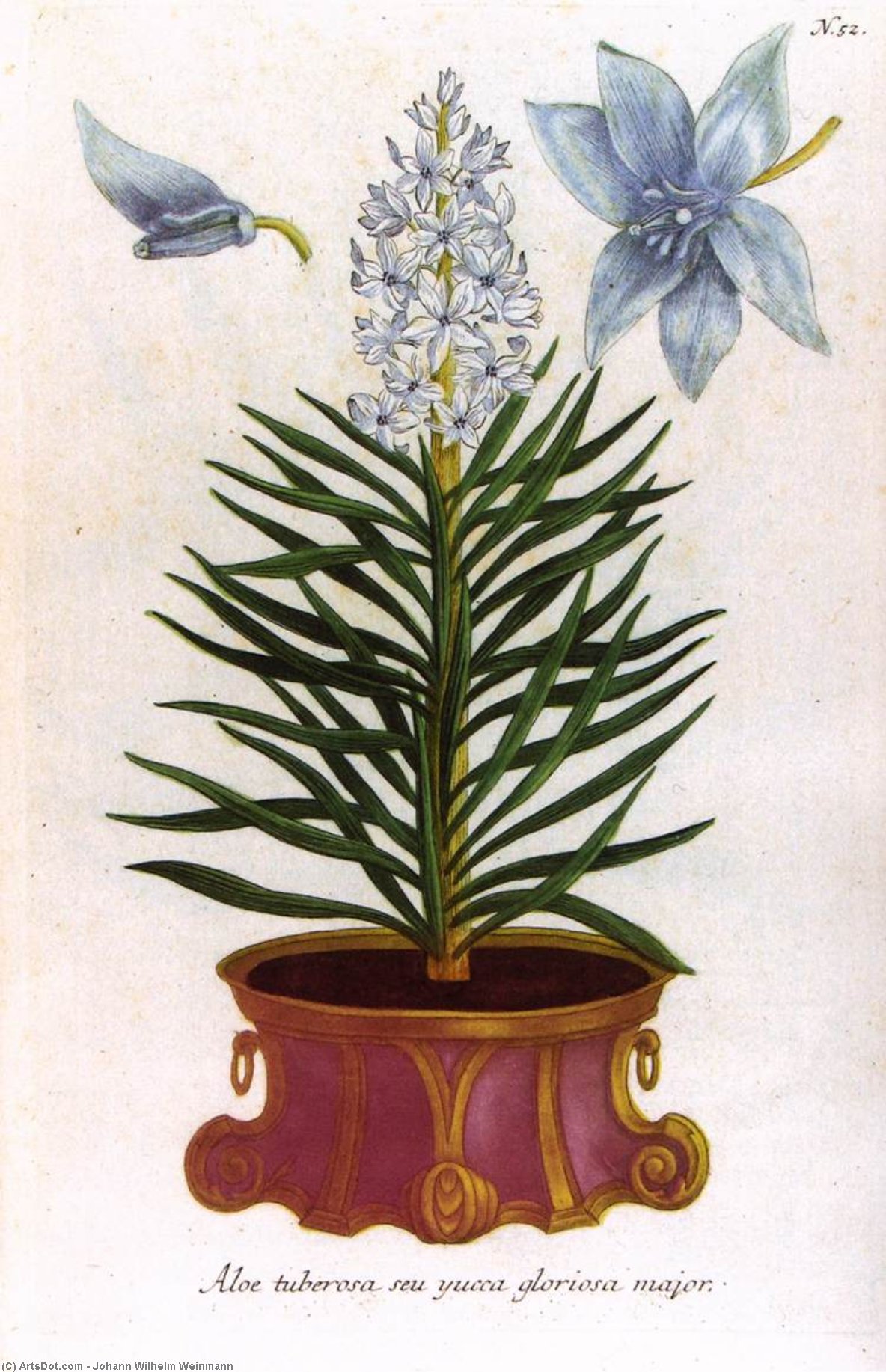 johann wilhelm weinmann
Explore the botanical art of Johann Wilhelm Weinmann (1683-1741). Discover his detailed illustrations from 'Phytanthoza iconographia' and his significant contributions to plant science.
Johann Wilhelm Weinmann (1683-1741), a German botanist and engraver, stands as a pivotal figure. His monumental *Phytanthoza iconographia*, published between 1739 and 1745, represents a landmark achievement in botanical illustration – a vast collection of meticulously detailed engravings showcasing plants from across the world. Weinmann’s work exemplifies the scientific rigor and artistic skill that characterized this era.
Jacques Barraband (1767-1809) offers a fascinating case study in the intersection of art, science, and political ambition. Commissioned by Napoleon to create illustrations for *Atlas des Plantes Médicinales*, Barraband’s watercolors are renowned for their stunning accuracy and vibrant color palettes. Interestingly, his commission also included bird paintings, demonstrating his versatility as an artist. Nicolas Robert (1797-1890), a French painter, is celebrated for his exquisite floral studies featured in *La Guirlande de Julie*, showcasing delicate compositions and refined technique.
William Salter (1804-1875) represents the Victorian era’s embrace of botanical art. His illustrations, often accompanied by detailed descriptions, were published in works like *The English Flora* and demonstrate a keen eye for detail and a commitment to scientific accuracy. Beyond his artistic achievements, Salter was also a social reformer, advocating for improved working conditions – a testament to the artist’s broader intellectual engagement.
American Contributions: Maud H. Purdy and the Rise of Scientific Accuracy
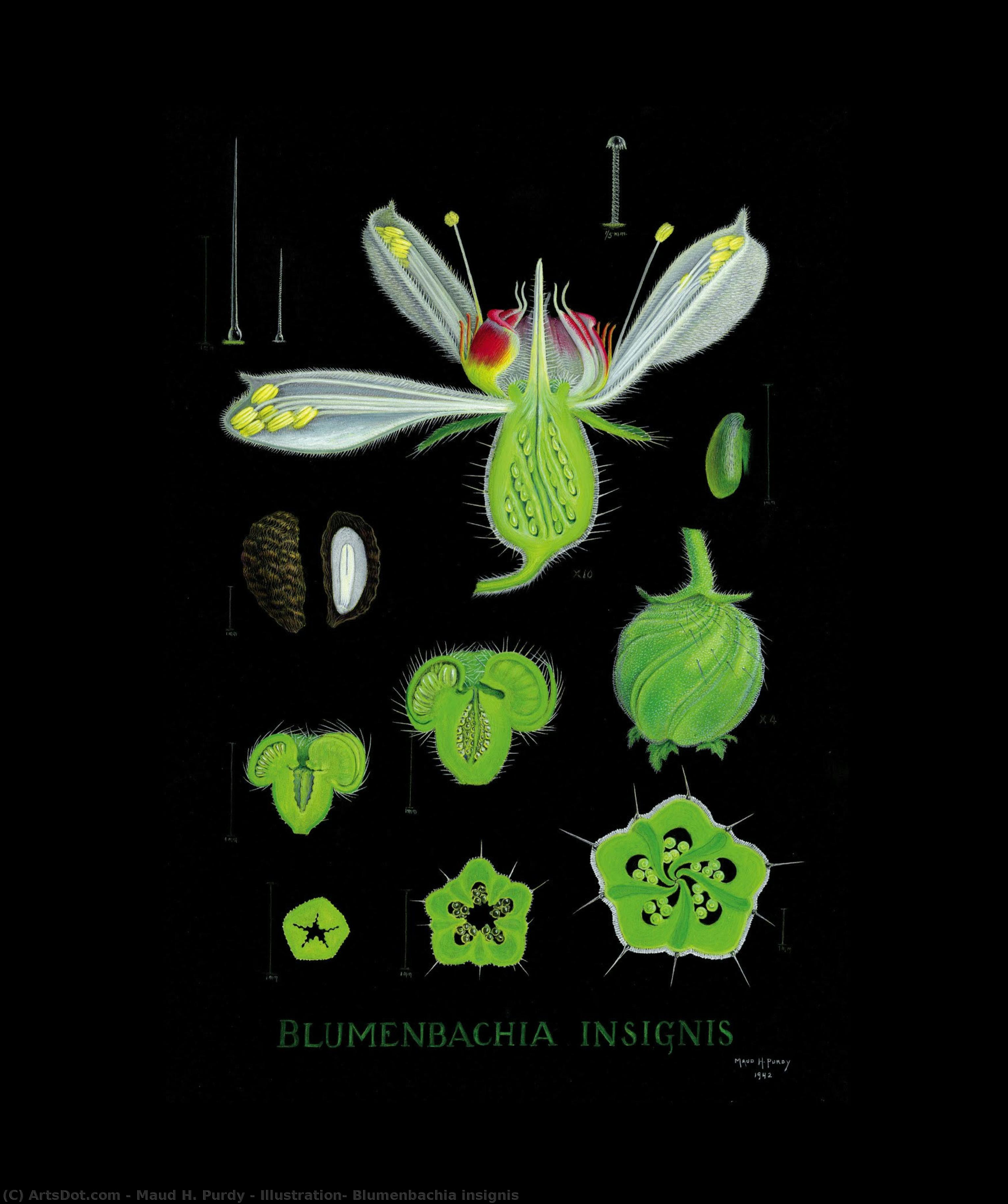 maud h. purdy
Discover botanical illustrations by Maud H. Purdy (1873-1965). A renowned American artist, she created detailed plant studies for the Brooklyn Botanic Garden & beyond.
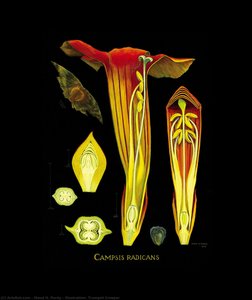
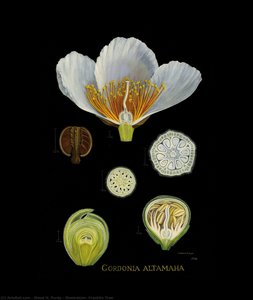
While Europe dominated the early landscape of botanical illustration, America made significant contributions in the 19th and 20th centuries. Maud H. Purdy (1873-1965) stands as a towering figure in American botanical art. Working primarily for the Brooklyn Botanic Garden, Purdy created an extraordinary body of work – detailed plant studies characterized by scientific precision and artistic elegance. Her illustrations were not merely decorative; they served as essential resources for botanists and researchers.
Purdy’s dedication to accuracy extended beyond meticulous rendering; she also conducted extensive fieldwork, studying plants in their natural habitats. Her work exemplifies the growing emphasis on scientific rigor within American botanical art – a shift towards greater collaboration between artists and scientists. She became known as “the Audubon of Botany” for her detailed studies.
Beyond Science: The Aesthetic Qualities and Enduring Legacy of Botanical Illustration
While rooted in scientific observation, botanical illustration transcends its purely functional purpose. The finest examples possess an inherent aesthetic beauty – a delicate balance between realism and artistic interpretation. Artists like Robert Havell Jr., with his exquisite depictions of Amaryllis flowers, demonstrate how meticulous detail can be combined with elegant composition to create works that are both scientifically informative and visually captivating. The watercolors of Mary Morris Vaux Walcott capture the ephemeral beauty of Star Solomonplume with a timeless grace.
Botanical illustration is more than just a record of plant life; it’s a testament to humanity’s enduring fascination with the natural world, a celebration of form, color, and detail. The legacy of these artists continues to inspire today, reminding us of the power of art to illuminate science and capture the beauty that surrounds us. At ArtsDot, we are proud to offer museum-quality reproductions of these masterpieces, allowing you to bring the flourishing canvas into your own home. Explore our collection and discover the timeless elegance of botanical illustration – a fusion of art, science, and enduring beauty.