 Preview
 Send
Send Share
Share
 Details

 Download
 Similars
 X-Ray
X-Ray Diaporama
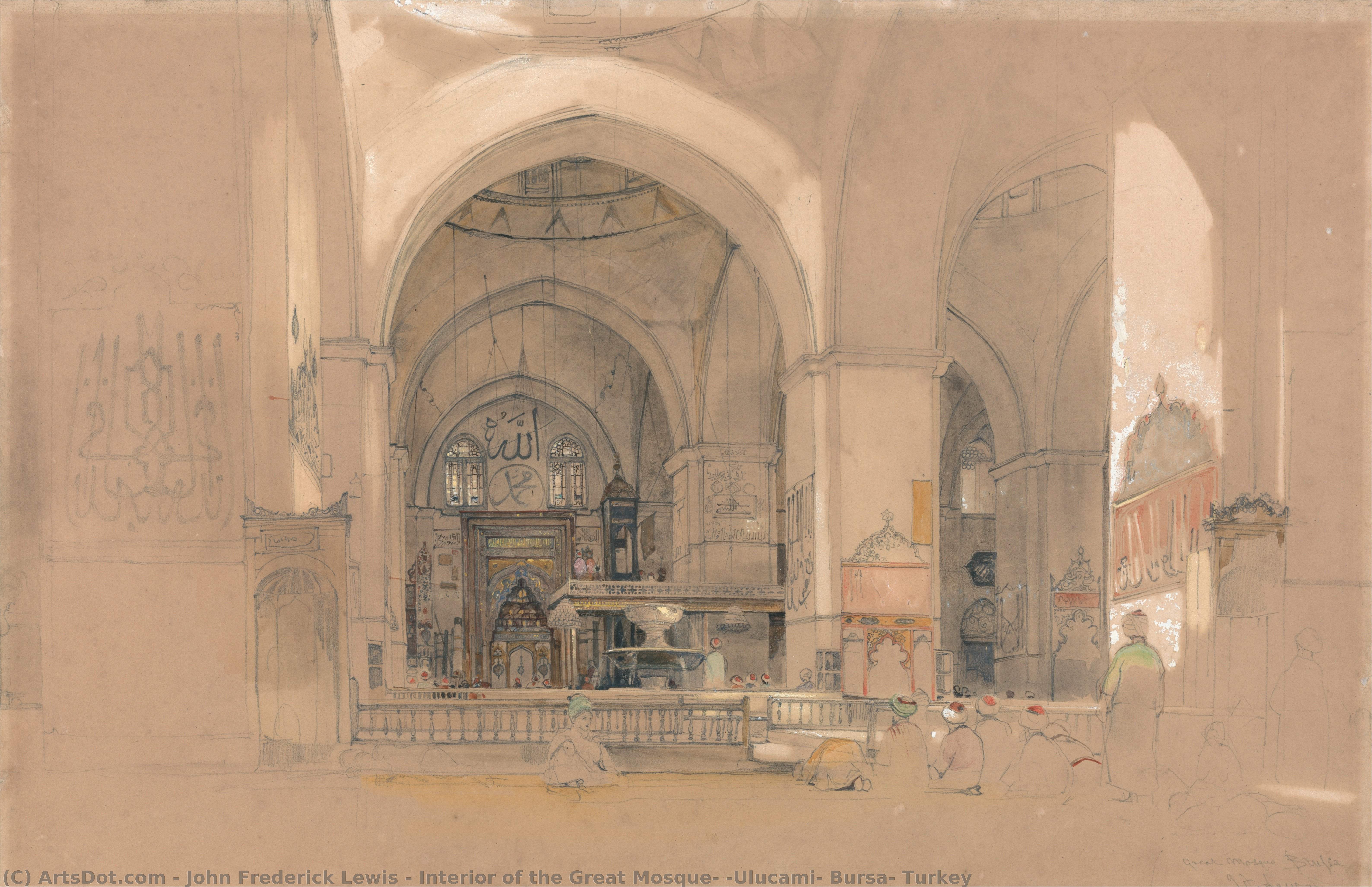
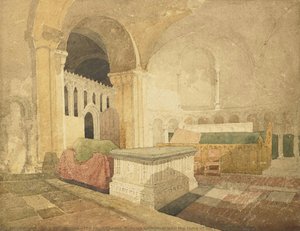
Interior of the Great Mosque, (Ulucami) Bursa, Turkey


 Read More
Giclée / Art Print
Museum-quality giclée or canvas print with fast production and flexible finish options. ( Buy Hand Made Painting Buy Image)




P118B $10

P118H $10

P118W $10

P438Z $10

P508JH $12

P508YH $12

P805H $10

P805Z $10

P919BZ $10

P919G $10

P919XJ $10

P959ZH $10

P968JZ $12

W106C $8

W218G $10

W218JH $8

W218Y $10

W307PJ $10

W316G $10

W316PJ $8

W316Y $10

W398PJ $8

W4111J $10

W500HY $15

W500JH $15

W692G $12

W849H $8

W940BG $15

W953PJ $8




Pick from our preset sizes that match the artwork's original proportions.

You may enter your own dimensions to fit a specific frame or space. If your selected size does not match the original image's proportions, we will either crop the artwork or extend the image with a mirrored or solid-fill edge. A digital mockup will be sent for your approval before production begins.
Please note that the on-screen preview does not reflect the actual cropping or extension. Only the mockup will accurately show the final composition.
While custom sizes are available, we recommend selecting a dimension from the predefined list to preserve the original proportions.
Worldwide Delivery () in 2 weeks instead of standard 4/5 weeks. (16 August)

Free Worldwide Express Shipping

High-Quality Linen Canvas

Full Shipping Insurance

Customs Tax Refund Guarantee

True Color Matching Guarantee

60-Day Return Policy (Defects Only)

100% Money-Back Guarantee

Bulk Discount Offer
 Glass option is only available in size under 110 CM

Interior of the Great Mosque, (Ulucami) Bursa, Turkey
Giclée / Art Print
Reproduction Size
-


Total Price
$ 63
Collectible Description
A Window into Ottoman Majesty: John Frederick Lewis’s Bursa Masterpiece
John Frederick Lewis's watercolor, “Interior of the Great Mosque, (Ulucami) Bursa, Turkey,” isn’t merely a depiction of a building; it’s a portal. Painted in 1841 during his extensive travels throughout the Ottoman Empire, this work transcends simple documentation to become a profound study of light, perspective, and the enduring beauty of Islamic architecture. The scene unfolds within the Ulu Camii (Great Mosque) in Bursa, Turkey – a city steeped in history and renowned for its rich artistic heritage. Lewis’s meticulous attention to detail transports the viewer directly into the heart of this sacred space, inviting contemplation on both its architectural grandeur and the spiritual atmosphere it embodies.
The painting immediately establishes a sense of scale and depth through his masterful use of linear perspective. The soaring arches dominate the composition, drawing the eye upwards towards the intricately decorated ceiling – a breathtaking display of muqarnas (honeycomb vaulting) that seems to defy gravity. Columns, rendered with remarkable precision, support this vast structure, creating an illusion of immense space and echoing the principles of Islamic geometry. Notice how Lewis subtly diminishes the size of elements in the background, reinforcing the viewer’s sense of being within a monumental building. The muted earth tones – ochres, browns, and subtle greens – evoke the aged stone and plaster surfaces, lending the scene a timeless quality.
The Academic Realist Approach
Lewis's style is firmly rooted in the academic realism prevalent during the 19th century. He meticulously observed and documented architectural details with an almost scientific rigor, reflecting the growing interest in systematic observation and accurate representation that characterized the era. This approach contrasts sharply with looser, more expressive styles of Romanticism, prioritizing clarity, precision, and a deep understanding of form and structure. The painting’s composition is carefully balanced, employing geometric shapes – circles for arches, rectangles for panels – to create visual harmony. The layering of watercolor washes creates a subtle texture that mimics the rough surfaces of stone and plaster, adding tactile interest to the image.
Beyond mere representation, Lewis demonstrates an acute awareness of light and shadow. The source of illumination remains subtly ambiguous, casting long shadows that accentuate the depth and three-dimensionality of the space. This skillful manipulation of light not only enhances the realism of the scene but also imbues it with a sense of solemnity and reverence – qualities essential to understanding Islamic sacred spaces. The inclusion of a small figure in the lower right corner provides a crucial element of scale, reminding us of the human experience within this monumental structure.
Symbolism and Historical Context
The Ulu Camii itself holds significant historical importance as one of Bursa’s oldest mosques, dating back to the 14th century. It was originally built by Sultan Murad I and later rebuilt by his son, Mehmed II. The mosque's architecture reflects a blend of Seljuk, Ottoman, and Byzantine influences, showcasing the rich artistic traditions of the region. Lewis’s painting serves as a valuable record of this architectural heritage, capturing the essence of the Ulu Camii at a specific moment in time. It is important to note that Bursa was a vital center for trade and craftsmanship during the Ottoman period, fostering an environment of artistic innovation and cultural exchange.
Furthermore, Lewis’s work aligns with the broader trend of Orientalist painting – a genre that emerged during the 19th century, depicting scenes from the Middle East and North Africa. While often criticized for romanticizing or exoticizing these cultures, Orientalism also fostered a greater understanding and appreciation of diverse artistic traditions. Lewis's meticulous attention to detail and his respectful portrayal of Islamic architecture demonstrate a genuine interest in documenting and celebrating this rich cultural heritage.
A Timeless Masterpiece
“Interior of the Great Mosque, (Ulucami) Bursa, Turkey” is more than just a beautiful painting; it’s a testament to John Frederick Lewis's artistic skill and his deep appreciation for Islamic architecture. Its enduring appeal lies in its ability to transport the viewer to another time and place, inviting contemplation on themes of faith, beauty, and human ingenuity. Reproductions of this remarkable work offer a unique opportunity to bring a piece of Ottoman history into your home or office – a timeless reminder of the splendor and spiritual significance of Islamic art.
Related Artworks
Artist Biography
John Frederick Lewis: A Life in Orientalist Painting
Early Life and Training
John Frederick Lewis, a prominent English Orientalist painter, was born on July 14, 1804, in London. He was the son of Frederick Christian Lewis, an engraver and landscape painter. This familial artistic background undoubtedly influenced his early development. His formal training began under the tutelage of Sir Thomas Lawrence, where he honed his skills alongside fellow artists like Edwin Landseer. This foundational period instilled in him a strong understanding of technique and composition.
Artistic Career & Development
Lewis’s artistic career unfolded through several distinct phases, each marked by evolving styles and thematic focuses:
- Orientalist Period: Lewis embarked on extensive travels throughout the Mediterranean region, meticulously capturing its essence in detailed watercolor and oil paintings. He frequently revisited compositions, rendering them across multiple mediums.
- Spanish & Moroccan Influences (1832-1834): A tour of Spain and Morocco proved pivotal. He produced numerous lithographs later published as “Sketches and Drawings of the Alhambra” (1835) and “Lewis’s Sketches of Spain and Spanish Character” (1836).
- Egyptian Period (1841-1851): His sojourn in Cairo was arguably his most productive. Here, he perfected his Orientalist style, creating highly detailed works showcasing both realistic genre scenes and idealized depictions of upper-class Egyptian interiors.
Notable Works
Lewis created a substantial body of work celebrated for its meticulous detail and evocative atmosphere. Some of his most recognized pieces include:
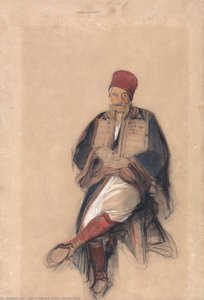
- A Bedouin (Yale Center for British Art, New Haven) – A watercolor exemplifying his Orientalist style.
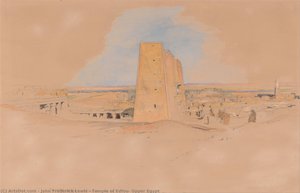
- The Ramesseum at Thebes (Yale Center for British Art, New Haven) – Showcasing his remarkable attention to architectural detail.
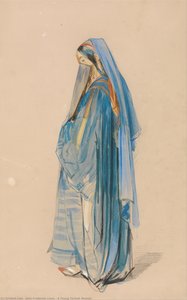
- A Young Turkish Woman (Yale Center for British Art, New Haven) – Another striking example of his Orientalist work.
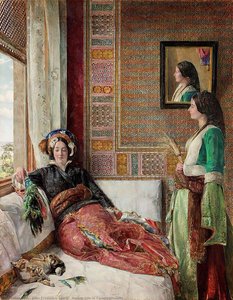
- Harem Life in Constantinople - A detailed oil painting depicting Ottoman domestic life.
Influences and Artistic Style
Lewis’s style was shaped by several influences, most notably Sir Thomas Lawrence's emphasis on portraiture and composition. However, his direct observation of Middle Eastern cultures allowed him to develop a unique aesthetic characterized by:
- Meticulous Detail: A commitment to accurately representing textures, patterns, and architectural elements.
- Rich Color Palette: Employing vibrant hues inspired by the landscapes and costumes he encountered.
- Genre Scenes & Interior Views: Focusing on everyday life and intimate domestic settings.
Legacy and Historical Significance
Lewis’s contribution to the art world lies in his significant role in developing Orientalist painting. His meticulous representations of Islamic architecture, furnishings, and costumes set new standards for realism within the genre. He helped popularize a romanticized yet detailed vision of the Middle East among Western audiences. After returning to England in 1851, he continued to paint until his death on August 15, 1876, in Walton-on-Thames.
His work continues to be studied and admired for its artistic merit and historical insight into 19th-century perceptions of the Orient.
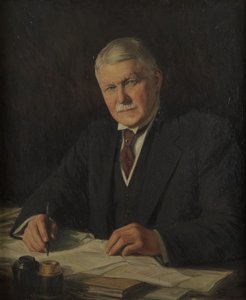
John Frederick Lewis
1804 - 1876 , United Kingdom
Quick Facts
- Birth Date: July 14, 1804
- Birth Place: London, United Kingdom
- Death Date: August 15, 1876
- Influenced By: Sir Thomas Lawrence
- Movement: Orientalism
- Name: John Frederick Lewis
- Nationality: British
- Notable Works:
- A Bedouin
- The Ramesseum at Thebes
- A Young Turkish Woman
- Harem Life in Constantinople
Related Articles

Watercolor Wonders: 10 Masterpieces That Redefined Art History | ArtsDot
Journey through 10 legendary watercolor masterpieces by Sargent, Turner & Homer! Explore iconic landscapes, portraits & floral art that redefined history. Find museum-quality reproductions and curated decor ideas at ArtsDot.com.
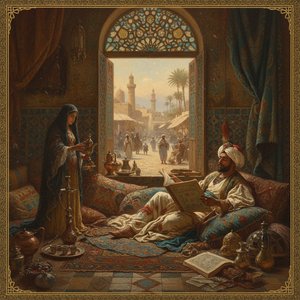
John Frederick Lewis: Orientalism, Detail & Genre Painting in 19th-Century British Art
Explore the captivating Orientalist paintings of John Frederick Lewis! Discover his mastery of detail, genre scenes & influence on 19th-century British art. Learn about his life, techniques & legacy at ArtsDot.

Ephemeral Visions: Exploring the Artistic Legacy & Contemporary Practice of Watercolor Painting
Explore the captivating world of watercolor painting! Discover its rich history, essential techniques, influential artists & collecting tips. A comprehensive guide for art enthusiasts from ArtsDot.

John Singer Sargent's 25 Masterpieces: Portraits & Beyond | ArtsDot
Explore 25 iconic John Singer Sargent paintings – from dazzling portraits to Impressionist landscapes. Discover the stories behind Madame X, El Jaleo & more! Find museum-quality art reproductions and elevate your home decor with ArtsDot.com.

Ephemeral Visions: Exploring the History & Emotional Resonance of Watercolor Painting
Explore the captivating history of watercolor painting, from ancient techniques to modern masters like Kandinsky & Blake. Discover essential artists, collecting tips & the emotional power of this luminous medium. Expert insights for art enthusiasts.