 Preview
 Send
Send Share
Share
 Details

 Download
 Similars
 X-Ray
X-Ray Diaporama
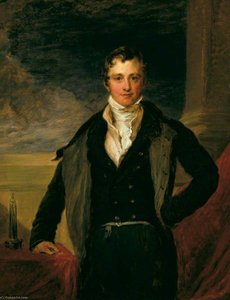
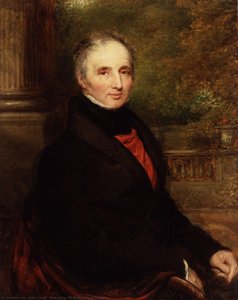
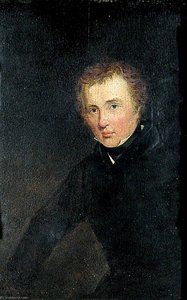
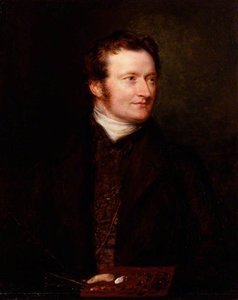
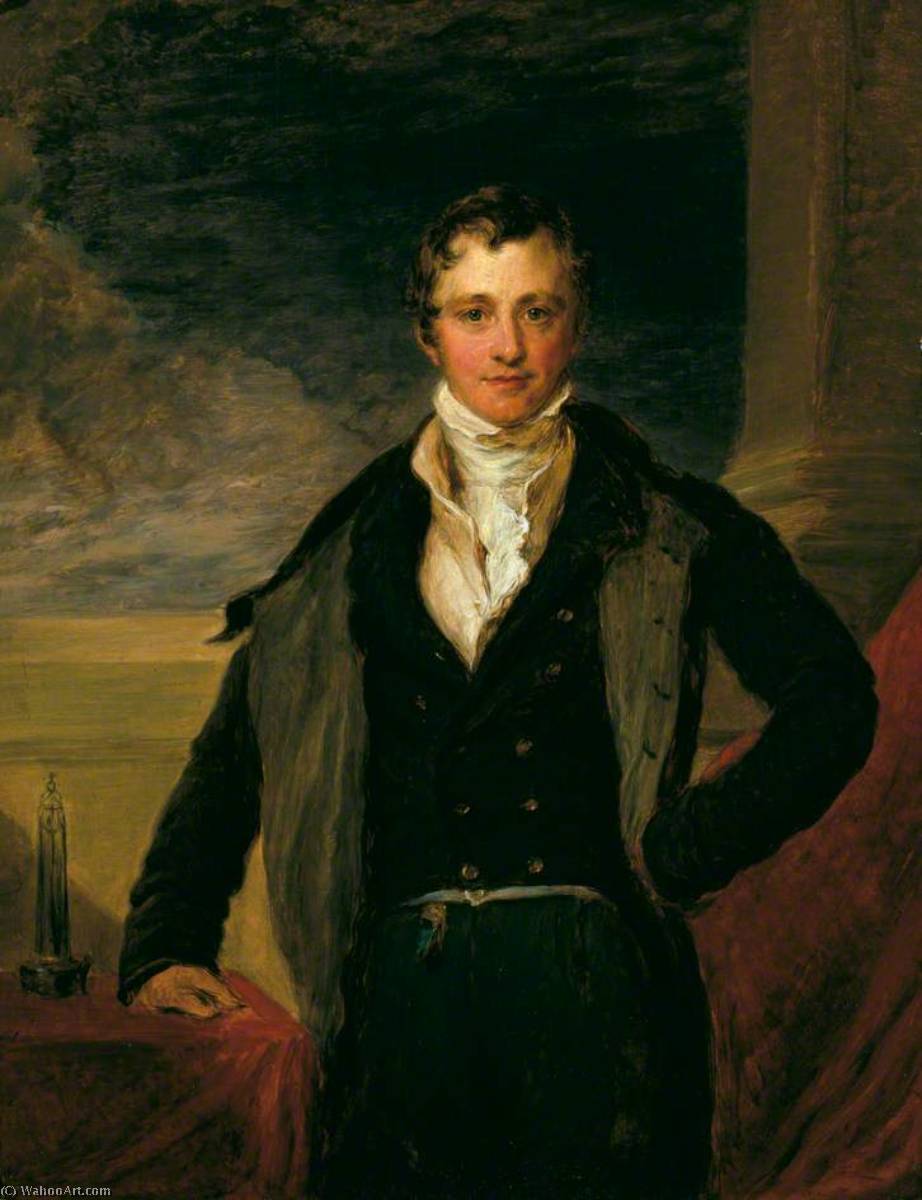
Sir Humphry Davy (1778–1829), Scientist (copy after Sir Thomas Lawrence)
 Acrylic On Canvas
- WallArt
- Romantic Landscape
 1837
1837 46.0 x 35.0 cm
 Government Art Collection
 Read More
Hand Made Oil Reproduction
Hand-painted oil on canvas in your size and frame, made to order by our artists. ( Buy Print Buy Image)




P118B $10

P118H $10

P118W $10

P438Z $10

P508JH $12

P508YH $12

P805H $10

P805Z $10

P919BZ $10

P919G $10

P919XJ $10

P959ZH $10

P968JZ $12

W106C $8

W218G $10

W218JH $8

W218Y $10

W307PJ $10

W316G $10

W316PJ $8

W316Y $10

W398PJ $8

W4111J $10

W500HY $15

W500JH $15

W692G $12

W849H $8

W940BG $15

W953PJ $8




Pick from our preset sizes that match the artwork's original proportions.

You may enter your own dimensions to fit a specific frame or space. If your selected size does not match the original image's proportions, we will either crop the artwork or extend the painting with additional hand-painted elements. A digital mockup will be sent for your approval before production begins.
Please note that the on-screen preview does not reflect the actual cropping or extension. Only the mockup will accurately show the final composition.
While custom sizes are available, we recommend selecting a dimension from the predefined list to preserve the original proportions.
After order, ArtsDot.com team will email client for instructions and provide a mockup preview
Worldwide Delivery () in 3/4 weeks instead of standard 5 weeks. (16 August). No compromise on quality.

Free Worldwide Express Shipping

High-Quality Linen Canvas

Full Shipping Insurance

Customs Tax Refund Guarantee

True Color Matching Guarantee

60-Day Return Policy (Defects Only)

100% Money-Back Guarantee

Bulk Discount Offer
 Glass option is only available in size under 110 CM

Sir Humphry Davy (1778–1829), Scientist (copy after Sir Thomas Lawrence)
Reproduction Medium
Reproduction Size
-


Total Price
$ 263
Artwork Description
A Portrait of Scientific Distinction: John Linnell’s Reverie After Sir Thomas Lawrence
John Linnell's masterful depiction of Sir Humphry Davy stands as a testament to the Romantic spirit’s fascination with intellect and observation. Executed in 1837, this striking copy after Sir Thomas Lawrence transcends mere likeness; it embodies an atmosphere of thoughtful contemplation—a characteristic hallmark of Lawrence’s oeuvre and deeply rooted in the artistic currents of Regency England.
- Subject Matter: The portrait captures Davy, a pivotal figure in scientific advancement, poised with quiet confidence. His attire – a meticulously crafted suit and tie – speaks to his social standing and underscores the importance placed upon professionalism during this era.
- Style & Technique: Linnell skillfully employs Lawrence’s signature style, prioritizing tonal gradation and subtle modeling to imbue the figure with palpable presence. The artist's meticulous attention to detail is evident in the rendering of Davy’s facial features and clothing textures, mirroring Lawrence’s celebrated ability to convey psychological depth through visual representation.
- Historical Context: This artwork emerged during a period marked by burgeoning scientific inquiry and societal ambition. Davy’s groundbreaking experiments with electricity – isolating elements like potassium and sodium – propelled him to international acclaim and fueled the intellectual fervor of his time. Lawrence's portraits served as emblems of power and prestige, documenting the lives of influential statesmen and aristocrats.
Lawrence’s Legacy: Mastering Psychological Portraiture
Sir Thomas Lawrence was arguably the most celebrated portrait painter of his generation, renowned for his ability to capture not just physical appearance but also inner character. His canvases are imbued with a palpable sense of emotion and psychological nuance—a feat achieved through masterful use of chiaroscuro (the dramatic interplay of light and shadow), which Lawrence perfected as a technique.
- Chiaroscuro Technique: Lawrence’s distinctive approach involved carefully manipulating light to sculpt the form of his subjects, creating depth and dimensionality that conveyed mood and personality. This technique—a cornerstone of Baroque art—allowed him to illuminate key features while concealing others, fostering a captivating visual narrative.
- Symbolism & Atmosphere: The inclusion of a crimson curtain serves as an elegant backdrop, subtly enhancing the portrait’s grandeur and reinforcing its association with aristocratic refinement. It contributes to an overall atmosphere of dignified repose, mirroring Davy's contemplative gaze and reflecting Lawrence’s artistic vision.
Beyond Replication: Exploring Linnell’s Artistic Vision
While Linnell undertook this commission as a faithful copy after Lawrence, he nevertheless infused the artwork with his own distinctive aesthetic sensibilities. His stylistic choices demonstrate an understanding of Lawrence's influence and a commitment to conveying similar qualities of intellect and serenity—a reflection of the Romantic movement’s preoccupation with sublime beauty and profound contemplation.
- Romantic Influence: Linnell’s work aligns seamlessly with the Romantic aesthetic, prioritizing expressive color palettes and evocative landscapes. This stylistic inclination underscores the broader artistic landscape of the period, where artists sought to capture the grandeur of nature alongside explorations of human emotion.
- Emotional Impact: Ultimately, Linnell's portrait succeeds in conveying Davy’s intellectual prowess and inner composure—a testament to Lawrence’s enduring legacy as a painter who captured not merely likeness but also the essence of his subjects’ souls.
Related Artworks
Artist Biography
John Linnell: A British Painter of Rural Scenes and Portraits
- Born: Bloomsbury, United Kingdom (1959)
- Died: 1882
Early Life and Artistic Training
John Linnell's artistic journey began with rigorous training that laid the foundation for his future success. While specific details of his early education remain somewhat scarce, it is evident that he received a solid grounding in traditional techniques. His early works, though not widely recognized during his lifetime, already hinted at the mastery he would later achieve. Linnell was heavily influenced by renowned artists such as Leonardo da Vinci and Vincent van Gogh, whose works can be found on platforms like ArtsDot.com.
Artistic Style and Notable Works
Linnell's style is characterized by a fascinating blend of traditional British art with subtle hints of modernity. He demonstrated a keen eye for detail and an ability to capture the essence of his subjects, whether they were landscapes or portraits. His use of color, texture, and composition distinguishes his paintings.
- The Poet's Garden: This piece showcases Linnell’s mastery of capturing light and the essence of nature, drawing comparisons to Pierre-Auguste Renoir's Bathers series.
- Westminster Abbey at Night: Demonstrates his skill in urban landscapes, reminiscent of the works by George Stubbs and Arthur Hacker.
- The Baby Marcelle Roulin: Highlights his ability to capture the innocence and beauty of his subjects.
- Cap d'Antibes: A notable landscape painting available on ArtsDot.com.
- Haying And Playing: A serene 19th-century British landscape painting with realistic detail and muted tones.
- Harvesting: A pastoral painting capturing rural life with realistic detail and muted tones.
- Doctor Robert Walker: A poignant portrait showcasing realism and somber beauty.
- Richard Trevithick: A striking portrait highlighting realism and dramatic lighting.
- General John Le Mesurier And His Wife Martha With A Legal Representative Of The British Government At The Handing Over Of The Island Of Alderney: A historical British artwork depicting a significant event.
- Job Offering A Sacrifice On His Return To Prosperity: A dramatic biblical scene with rich colors and dynamic lighting, showcasing faith and divine intervention.
- A Cottage In A Wooded Landscape: A captivating monochrome charcoal drawing of rural tranquility.
Influences and Legacy
John Linnell's influence on British art is undeniable. His unique style has inspired many artists, and his works continue to be celebrated by art enthusiasts worldwide. He skillfully combined elements of Romanticism and Neoclassicism in his work, demonstrating a deep understanding of artistic traditions while forging his own distinct path. ArtsDot.com offers a range of his paintings, providing access to his artistry for both seasoned collectors and those new to the world of fine art.
Historical Significance
Linnell's contribution lies in his ability to portray everyday life—rural scenes, portraits of notable figures—with a realism tempered by artistic sensitivity. He captured moments in time, preserving them on canvas for future generations. His work reflects the social and cultural landscape of 19th-century Britain, offering valuable insights into the lives and values of that era.

John Linnell
1959 - 1882 , United Kingdom
Quick Facts
- Artistic Movement Or Style: Traditional British art
- Artists Who Influenced This Artist:
- Leonardo da Vinci
- Vincent van Gogh
- Date Of Birth: 1959
- Date Of Death: 1882
- Full Name: John Linnell
- Nationality: British
- Notable Artworks:
- The Poet's Garden
- Westminster Abbey at Night
- Baby Marcelle Roulin
- Cap d’Antibes
- Haying And Playing
- Harvesting
- Doctor Robert Walker
- Richard Trevithick
- General John Le Mesurier
- Job Offering A Sacrifice
- A Cottage In A Wooded Landscape
- Place Of Birth: Bloomsbury, United Kingdom
Related Articles
Sir Joshua Reynolds' Masterpieces: 25 Portraits of Power & Refinement | ArtsDot
Explore 25 captivating portraits by Sir Joshua Reynolds, a master of British art. Discover stories behind his iconic paintings, elegant style & historical influence. Find museum-quality reproductions and elevate your home decor on ArtsDot.com.

John Constable's Masterpieces: Explore 25 Iconic Landscapes for Your Home
Journey through John Constable's 25 most celebrated landscapes. Explore Romanticism, Dedham Vale & his masterful use of light in iconic paintings like 'Hay Wain'. Find museum-quality art reproductions and elevate your home decor on ArtsDot.com.

John Singer Sargent's 25 Masterpieces: Portraits & Beyond | ArtsDot
Explore 25 iconic John Singer Sargent paintings – from dazzling portraits to Impressionist landscapes. Discover the stories behind Madame X, El Jaleo & more! Find museum-quality art reproductions and elevate your home decor with ArtsDot.com.

Sir Alfred Munnings' Masterpieces: 25 Paintings That Define Equine Art | ArtsDot
Explore 25 iconic Sir Alfred Munnings paintings! Discover the beauty of British Impressionism, equine art & rural England. Find museum-quality reproductions and elevate your home decor with ArtsDot. Explore the full collection online.

Romantic Landscapes: 10 Masterpieces for Your Home | ArtsDot
Journey through 10 Romantic landscape masterpieces by Friedrich, Turner & Cole. Explore emotional art, sublime nature scenes & iconic 19th-century paintings. Find museum-quality reproductions for your home at ArtsDot.com – discover the full collection online!