 Preview
 Send
Send Share
Share
 Details

 Download
 Similars
 X-Ray
X-Ray Diaporama
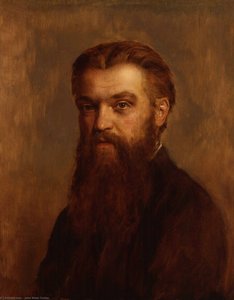
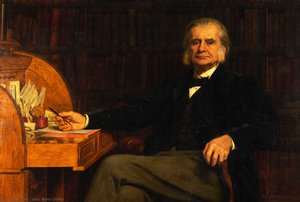
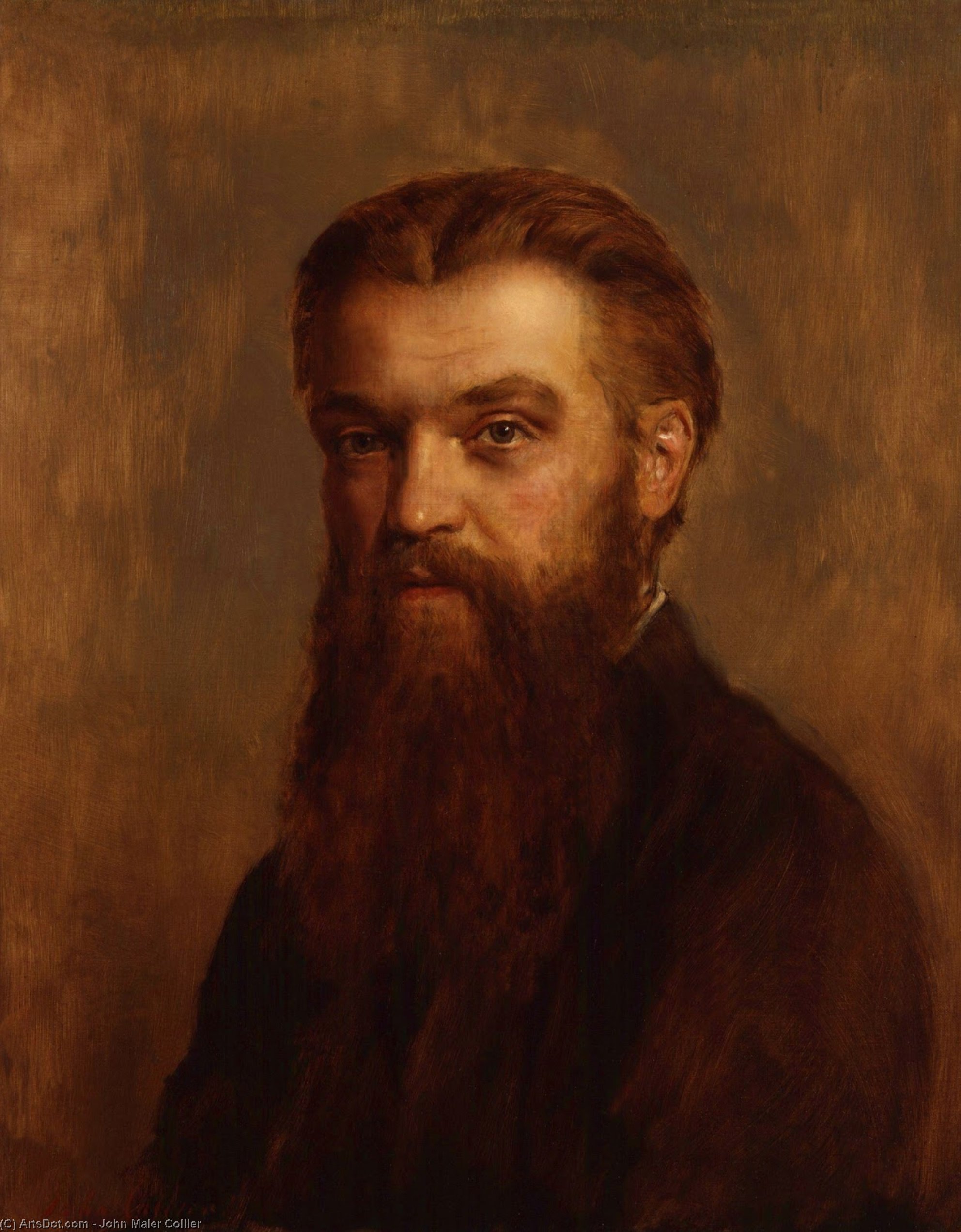
William Kingdon Clifford


 Read More
Giclée / Art Print
Museum-quality giclée or canvas print with fast production and flexible finish options. ( Buy Hand Made Painting Buy Image)




P118B $10

P118H $10

P118W $10

P438Z $10

P508JH $12

P508YH $12

P805H $10

P805Z $10

P919BZ $10

P919G $10

P919XJ $10

P959ZH $10

P968JZ $12

W106C $8

W218G $10

W218JH $8

W218Y $10

W307PJ $10

W316G $10

W316PJ $8

W316Y $10

W398PJ $8

W4111J $10

W500HY $15

W500JH $15

W692G $12

W849H $8

W940BG $15

W953PJ $8




Pick from our preset sizes that match the artwork's original proportions.

You may enter your own dimensions to fit a specific frame or space. If your selected size does not match the original image's proportions, we will either crop the artwork or extend the image with a mirrored or solid-fill edge. A digital mockup will be sent for your approval before production begins.
Please note that the on-screen preview does not reflect the actual cropping or extension. Only the mockup will accurately show the final composition.
While custom sizes are available, we recommend selecting a dimension from the predefined list to preserve the original proportions.
Worldwide Delivery () in 2 weeks instead of standard 4/5 weeks. (16 August)

Free Worldwide Express Shipping

High-Quality Linen Canvas

Full Shipping Insurance

Customs Tax Refund Guarantee

True Color Matching Guarantee

60-Day Return Policy (Defects Only)

100% Money-Back Guarantee

Bulk Discount Offer
 Glass option is only available in size under 110 CM

William Kingdon Clifford
Giclée / Art Print
Reproduction Size
-


Total Price
$ 63
Collectible Description
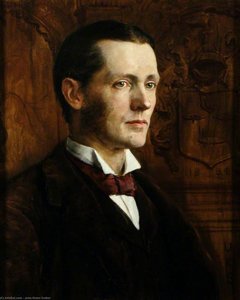
The Enigmatic Gaze: John Maler Collier’s William Kingdon Clifford
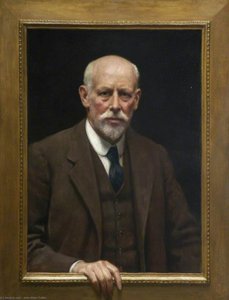
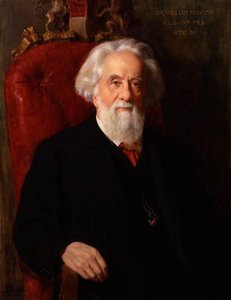
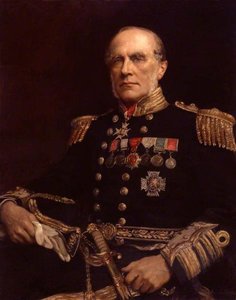
John Maler Collier's 1899 portrait of William Kingdon Clifford isn’t merely a likeness; it’s a carefully constructed embodiment of Victorian intellectualism, rendered with the meticulous detail and evocative storytelling characteristic of the Pre-Raphaelite movement. Collier, a master of capturing the essence of his subjects – as evidenced by his equally compelling portraits of Sir Michael Foster and Sir Ignatius Valentine Chirol – has here created an image that transcends simple representation, offering a glimpse into the mind of a mathematician and philosopher grappling with profound concepts.
The painting immediately draws the eye to Clifford’s face. His expression is one of quiet contemplation, his brow furrowed slightly as if lost in thought, yet his gaze holds a directness that invites engagement. The subtle lines etched around his eyes and mouth speak volumes about a life dedicated to rigorous study and intellectual pursuit. Collier's skill lies not just in capturing physical features but in conveying the inner world of his subject – a feat achieved through masterful use of light and shadow, and a remarkably sensitive understanding of human psychology.
- Color Palette: The muted tones—a symphony of browns, greys, and ochres—lend an air of gravitas and seriousness to the portrait. Collier eschews bright, vibrant colors in favor of a palette that reflects the subject’s intellectual pursuits, suggesting a focus on abstract thought rather than worldly concerns.
- Composition: The arrangement is deliberately restrained, emphasizing Clifford's figure within a simple, uncluttered background. This simplicity allows the viewer to concentrate fully on the subject and his expression.
- Technique: Collier’s brushwork is remarkably smooth and controlled, indicative of his meticulous approach to portraiture. He employs layering techniques to create depth and texture, particularly in Clifford's clothing and facial features.
The Pre-Raphaelite Influence & Victorian Portraiture
Collier’s work is firmly rooted in the Pre-Raphaelite aesthetic – a movement that sought to revive the artistic conventions of 15th-century Italian art, rejecting the perceived artificiality and materialism of academic painting. The Pre-Raphaelites valued truth, beauty, and moral purpose, often drawing inspiration from literature, mythology, and medieval legends. Collier’s portraits are characterized by their rich detail, vibrant colors (though subtly employed here), and a tendency to imbue his subjects with symbolic meaning.
This portrait also reflects the broader trends in Victorian-era portraiture. During this period, portrait painting became increasingly popular among the wealthy and influential, serving as both a means of commemorating individuals and displaying social status. Collier’s work exemplifies this trend, capturing the intellectual prestige associated with figures like Clifford, who were prominent in academic circles.
Symbolism & Intellectual Depth
Beyond its surface appearance, the portrait is laden with symbolic significance. Clifford's spectacles – a ubiquitous symbol of intellect and scholarly pursuit – immediately establish his profession and suggest a life dedicated to reason and observation. The carefully chosen attire—a dark suit and tie—underscores his status as a respected member of Victorian society. The subtle lighting highlights his face, drawing attention to the intensity of his gaze and hinting at the complex thoughts swirling within his mind.
Furthermore, Clifford’s subject matter – mathematics and philosophy – speaks to the intellectual ferment of the late 19th century, a period marked by rapid scientific advancements and philosophical debates. Collier's portrait captures this spirit of inquiry and intellectual exploration, offering a visual representation of a mind grappling with fundamental questions about the nature of reality.
Replicas & A Window into Victorian Thought
Reproductions of Collier’s “William Kingdon Clifford” offer art lovers a unique opportunity to connect with this remarkable portrait and gain insight into the intellectual landscape of the Victorian era. The painting serves as a powerful reminder of the enduring legacy of Pre-Raphaelite art and its ability to capture not only physical likenesses but also the essence of human character and intellect. High-quality reproductions, like those available on ArtsDot.com, allow us to appreciate Collier’s masterful technique and the profound symbolism embedded within this iconic portrait.
Related Artworks
Artist Biography
John Maler Collier: A Life in Portraiture
- Born: London, United Kingdom (1850)
- Died: 1934
John Maler Collier OBE RP ROI was a prominent English artist and author, celebrated as a leading portrait painter of his generation. His artistic style leaned heavily into the Pre-Raphaelite aesthetic, characterized by meticulous detail, vibrant colors, and a focus on narrative storytelling within portraits.
Early Life and Artistic Training
- Family Background: Collier hailed from a distinguished family. His grandfather was a Quaker merchant and Member of Parliament, while his father served as Attorney General and a judge in the Privy Council. This privileged background afforded him access to education and societal circles that would later influence his artistic career.
- Education: He received his early education at Eton College before pursuing formal art training.
- Formal Studies: Collier studied painting at the Munich Academy starting in 1875, honing his skills under established masters. He also studied in Paris with Jean-Paul Laurens.
Artistic Style and Major Works
- Pre-Raphaelite Influence: Collier’s work is deeply rooted in the Pre-Raphaelite movement, evident in his attention to detail, rich color palettes, and a tendency towards narrative scenes within portraits.
- Portraiture Focus: He primarily specialized in portraiture, capturing likenesses of prominent figures from various fields including art, science, politics, and royalty.
- Notable Subjects: Collier’s sitters included Charles Darwin, Thomas Henry Huxley (his father-in-law), Rudyard Kipling, Sir Lawrence Alma-Tadema, two Lord Chancellors (Earl of Selborne and Earl of Halsbury), the Speaker of the House of Commons William Gully, and Field Marshal Lord Kitchener.
- Royal Portraits: Significant commissions included portraits of the Duke of York (later King George V) as Master of Trinity House in 1901, and the Prince of Wales (later Edward VIII). The latter was displayed at Durbar Hall in Jodhpur, Rajputana.
- "Problem Pictures": Beyond formal portraiture, Collier also created "problem pictures," depicting scenes from everyday life, often showcasing a brighter and fresher style than his more solemn portraits.
Personal Life and Family Connections
- Marriages to Huxley's Daughters: A defining aspect of Collier’s life was his marriage to two daughters of Thomas Henry Huxley, a renowned scientist and President of the Royal Society. His first wife, Marian (Mady) Huxley, was also an artist.
- Family Legacy: His daughter by his first marriage, Joyce, became a portrait miniaturist. His second son, Sir Laurence Collier, served as the British Ambassador to Norway from 1941-1951.
- Close Ties to Intellectual Circles: Collier maintained close relationships with prominent intellectuals and writers of his time, including Leonard Huxley (Thomas Henry Huxley’s son).
Legacy and Historical Significance
- Recognition and Awards: Collier was appointed an Officer of the Order of the British Empire (OBE) in 1920.
- Critical Reception: While initially praised, his work later received mixed reviews. Some critics compared his style to that of Frank Holl due to its solemnity, while others recognized his "strong and surprising sense of color."
- Extensive Record Keeping: Collier meticulously documented his sitters in a handwritten book, providing valuable insight into his career and the individuals he portrayed. This “Sitters Book” is now housed in the Heinz Archive and Library at the National Portrait Gallery.
- Representation in Major Collections: Sixteen of Collier’s paintings are held by the National Portrait Gallery in London, with two residing in the Tate Gallery.
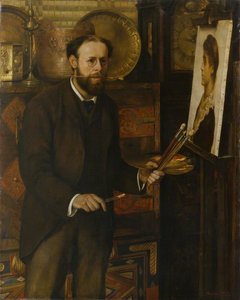
John Maler Collier
1850 - 1934 , United Kingdom
Quick Facts
- Artistic Movement Or Style: Pre-Raphaelite
- Artists Who Influenced This Artist:
- Jean-Paul Laurens
- Millais
- Alma-Tadema
- Date Of Birth: January 27, 1850
- Date Of Death: April 11, 1934
- Full Name: John Maler Collier
- Nationality: British
- Notable Artworks:
- Lovelace Stamer
- Sir John Lubbock FRS
- Duke of York (George V)
- Prince of Wales (Edward VIII)
- Place Of Birth: London, United Kingdom
Related Articles

John Singer Sargent's 25 Masterpieces: Portraits & Beyond | ArtsDot
Explore 25 iconic John Singer Sargent paintings – from dazzling portraits to Impressionist landscapes. Discover the stories behind Madame X, El Jaleo & more! Find museum-quality art reproductions and elevate your home decor with ArtsDot.com.

John Constable's Masterpieces: Explore 25 Iconic Landscapes for Your Home
Journey through John Constable's 25 most celebrated landscapes. Explore Romanticism, Dedham Vale & his masterful use of light in iconic paintings like 'Hay Wain'. Find museum-quality art reproductions and elevate your home decor on ArtsDot.com.
John Collier: Pre-Raphaelite Realism & Victorian Psychological Portraiture
Explore the captivating world of John Collier, a leading Pre-Raphaelite painter renowned for his psychologically insightful Victorian portraits. Discover his masterpieces and lasting artistic legacy.
John William Waterhouse: Pre-Raphaelite Mythmaker & Poetic Depictions of Female Identity
Explore the captivating world of John William Waterhouse, a master of Pre-Raphaelite painting. Discover his iconic depictions of mythology and female identity in this expert guide.
Sir John Everett Millais: Pre-Raphaelite Rebellion & Victorian Narrative Detail
Explore the revolutionary art of Sir John Everett Millais & the Pre-Raphaelite Brotherhood. Discover their radical realism, symbolic narratives, and lasting impact on Victorian aesthetics. A deep dive into 19th-century masterpieces.