 Preview
 Send
Send Share
Share
 Details

 Download
 Similars
 X-Ray
X-Ray Diaporama
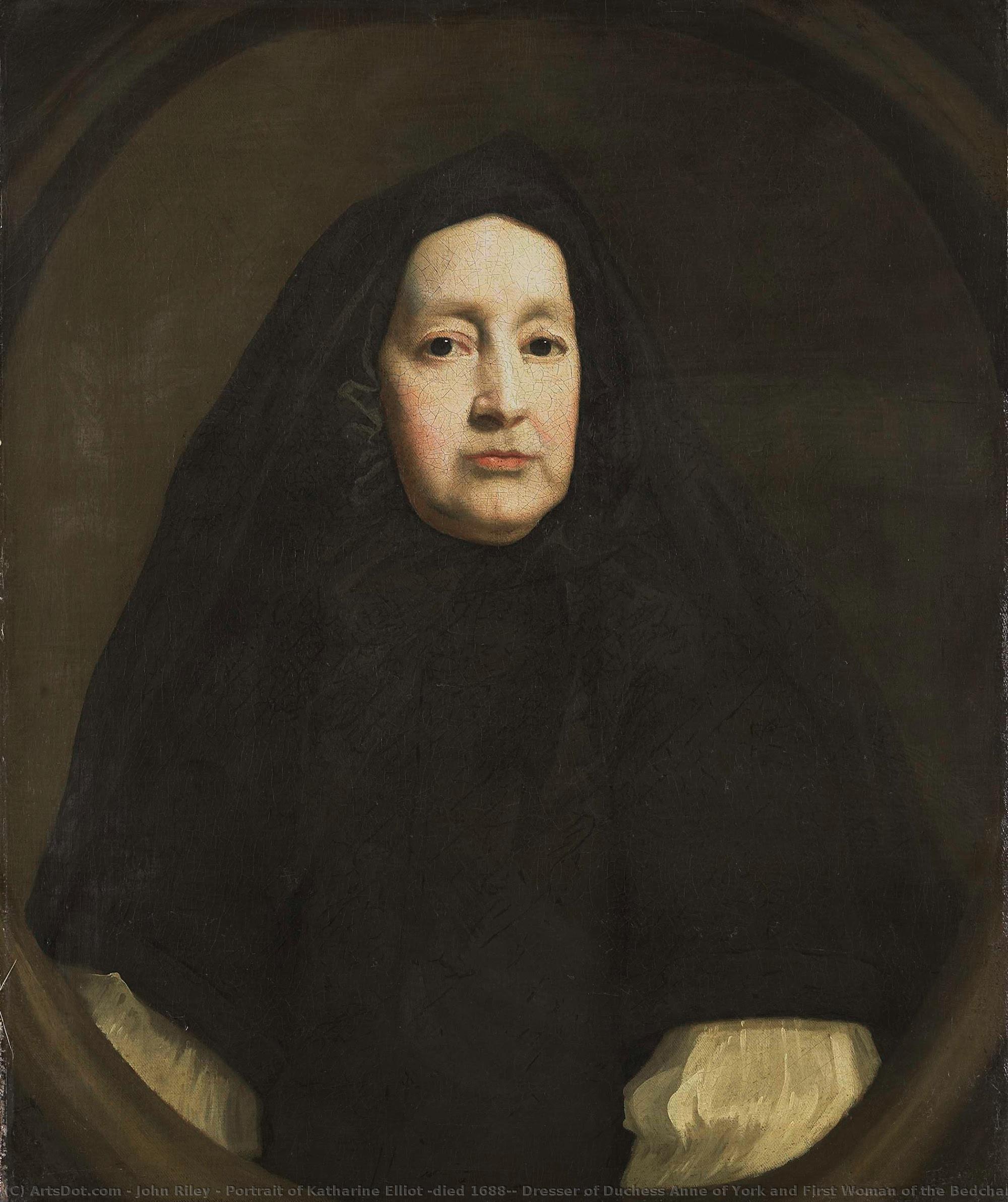
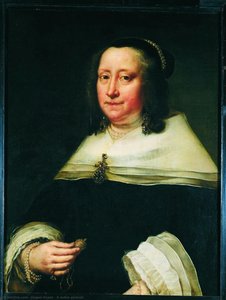
Portrait of Katharine Elliot (died 1688), Dresser of Duchess Anne of York and First Woman of the Bedchamber of Queen Mary of Modena, the first and second Wives of James II of England, respectively, John Riley (copy after), c. 1680 - c. 1700
 1700
1700 76.0 x 63.0 cm
 Read More
Giclée / Art Print
Museum-quality giclée or canvas print with fast production and flexible finish options. ( Buy Hand Made Painting Buy Image)




































Pick from our preset sizes that match the artwork's original proportions.

You may enter your own dimensions to fit a specific frame or space. If your selected size does not match the original image's proportions, we will either crop the artwork or extend the image with a mirrored or solid-fill edge. A digital mockup will be sent for your approval before production begins.
Please note that the on-screen preview does not reflect the actual cropping or extension. Only the mockup will accurately show the final composition.
While custom sizes are available, we recommend selecting a dimension from the predefined list to preserve the original proportions.
Worldwide Delivery () in 2 weeks instead of standard 4/5 weeks. (6 September)

Free Worldwide Express Shipping

High-Quality Linen Canvas

Full Shipping Insurance

Customs Tax Refund Guarantee

True Color Matching Guarantee

100-Day Return Policy (Defects Only)

100% Money-Back Guarantee

Bulk Discount Offer
 Glass option is only available in size under 110 CM

Portrait of Katharine Elliot (died 1688), Dresser of Duchess Anne of York and First Woman of the Bedchamber of Queen Mary of Modena, the first and second Wives of James II of England, respectively, John Riley (copy after), c. 1680 - c. 1700
Giclée / Art Print
Reproduction Size
-


Total Price
$ 63
Related Artworks







Artist Biography
Early Life and Artistic Awakening
The story of Other Names, a figure shrouded in intentional mystery, begins not with dates and places readily available, but with an ethos – a deliberate rejection of the conventional artist’s biography. Emerging onto the contemporary art scene in the early 2010s, Other Names quickly became known for their large-scale abstract paintings that evoke primordial landscapes and deeply personal emotional states. The artist actively resists providing details about their background, preferring instead to let the work speak for itself. What *can* be gleaned is a sense of formative experiences rooted in nature; hints suggest a childhood spent immersed in remote environments, possibly coastal regions or expansive forests. This connection to the natural world is palpable in their canvases, which often feature layered textures and a muted palette reminiscent of earth tones, weathered stone, and twilight skies. The initial impetus for Other Names’ artistic practice wasn't formal training but rather an urgent need for visual expression – a way to process complex emotions and explore the intangible realms of memory and feeling. Early works, though less refined than their later pieces, already demonstrated a remarkable sensitivity to color and composition, hinting at a natural talent honed through self-directed exploration. These formative paintings were rarely exhibited, existing primarily as private explorations within the artist’s studio – a space described by those few who have glimpsed it as both sanctuary and laboratory.The Development of a Unique Visual Language
Other Names' artistic development is characterized by a gradual refinement of their abstract vocabulary. Initially working with acrylics on canvas, they soon began experimenting with mixed media, incorporating natural pigments, sand, and other organic materials into their compositions. This shift wasn’t merely about texture; it was about grounding the work in the very elements that inspired it. The artist's technique is notably physical – layers are built up over time through a process of addition and subtraction, scraping back paint to reveal underlying colors and forms.- Layering & Texture: A hallmark of Other Names’ style, creating depth and complexity.
- Muted Palette: Predominantly earth tones, grays, blues, and ochres evoke natural landscapes.
- Organic Materials: Incorporation of sand, pigments, and other elements connects the work to the physical world.