 Preview
 Send
Send Share
Share
 Details

 Download
 Similars
 X-Ray
X-Ray Diaporama
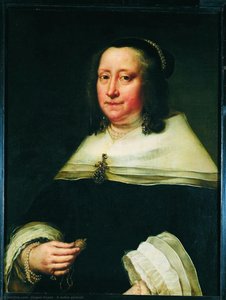
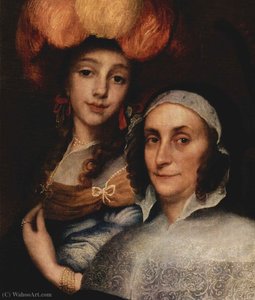
A ladies portrait


 Read More
Hand Made Oil Reproduction
Hand-painted oil on canvas in your size and frame, made to order by our artists. ( Buy Print Buy Image)




































Pick from our preset sizes that match the artwork's original proportions.

You may enter your own dimensions to fit a specific frame or space. If your selected size does not match the original image's proportions, we will either crop the artwork or extend the painting with additional hand-painted elements. A digital mockup will be sent for your approval before production begins.
Please note that the on-screen preview does not reflect the actual cropping or extension. Only the mockup will accurately show the final composition.
While custom sizes are available, we recommend selecting a dimension from the predefined list to preserve the original proportions.
After order, ArtsDot.com team will email client for instructions and provide a mockup preview
Worldwide Delivery () in 3/4 weeks instead of standard 5 weeks. (20 August). No compromise on quality.

Free Worldwide Express Shipping

High-Quality Linen Canvas

Full Shipping Insurance

Customs Tax Refund Guarantee

True Color Matching Guarantee

60-Day Return Policy (Defects Only)

100% Money-Back Guarantee

Bulk Discount Offer
 Glass option is only available in size under 110 CM

A ladies portrait
Reproduction Medium
Reproduction Size
-


Total Price
$ 263
Artwork Description
A Glimpse into the Dutch Golden Age
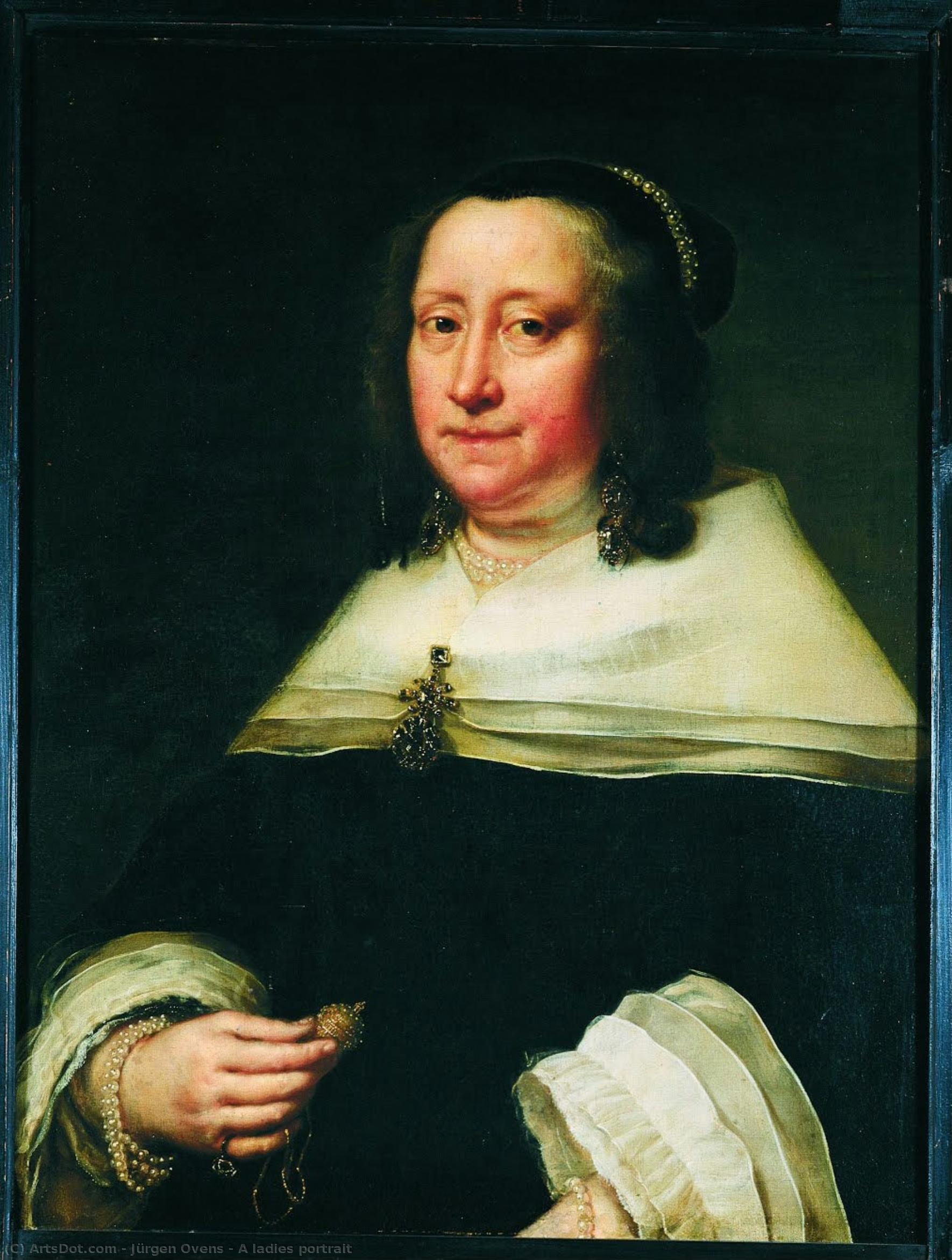
In the quiet, commanding presence of "A Ladies Portrait," painted around 1651 by the esteemed Jürgen Ovens, we are transported back to the heart of the seventeenth century. This masterpiece serves as a profound window into an era defined by dignity, social hierarchy, and the meticulous pursuit of realism. The subject, a woman of unmistakable poise, gazes directly at the viewer with an unwavering intensity that bridges the centuries. Her expression is not merely one of stillness, but of a deep, internalized authority that demands respect. As we contemplate her likeness, we feel the weight of history and the somber elegance that characterized the Dutch Baroque period.
The composition is masterfully restrained, utilizing a traditional portrait format that places the subject in a central, almost monumental position. By stripping away any distracting background elements, Ovens ensures that our entire focus remains on the woman herself. The dark, featureless backdrop acts as a void, pushing her figure forward and creating an intimate space where the viewer and the sitter meet eye-to-eye. This deliberate use of negative space heightens the emotional impact of her direct gaze, making the encounter feel both personal and profoundly formal.
The Artistry of Light and Texture
Technically, the painting is a triumph of oil on canvas, showcasing the sophisticated layering techniques that Ovens mastered during his career. The artist employs subtle glazes to achieve a breathtaking range of textures that invite the eye to linger. One can almost feel the crispness of the white lace collar and cuffs against the heavy, light-absorbing black fabric of her dress. There is a remarkable tactile quality to the work; the smooth, luminous rendering of her skin contrasts beautifully with the reflective, pearlescent sheen of her jewelry. These delicate highlights provide just enough warmth to breathe life into an otherwise cool and muted palette.
The color story is one of sophisticated restraint, dominated by blacks, whites, and soft tones of beige and grey. This monochromatic approach serves a greater purpose than mere aesthetic choice; it emphasizes the play of light and shadow—the chiaroscuro effect—that defines the Baroque style. The lighting is diffused and gentle, casting soft shadows that sculpt the contours of her face and the folds of her clothing, lending a three-dimensional depth to an otherwise shallow perspective. For the collector or interior designer, this subtle palette offers a timeless elegance that can anchor a room with its quiet, sophisticated strength.
Symbolism and Lasting Impression
Beyond its technical brilliance, "A Ladies Portrait" is rich with the silent language of seventeenth-century symbolism. Every element of her attire speaks to her social standing and character. The stark black dress may whisper of piety or perhaps a period of mourning, while the delicate fan held in her hand introduces a graceful, curved shape that breaks the angularity of her clothing, suggesting a life of leisure and refined taste. The pearls around her neck are not merely ornaments; they are symbols of purity and wealth, catching the light to remind us of the prosperity of the Dutch Golden Age.
For those seeking to bring a piece of art history into a contemporary setting, this reproduction offers more than just decoration. It provides an emotional anchor—a sense of permanence and gravity. Whether placed in a formal study or a modern living space, the painting’s ability to convey both strength and vulnerability makes it a captivating centerpiece. It is a work that does not shout for attention but rather commands it through its quiet, enduring grace, making it an incomparable choice for any discerning art lover.
Related Artworks

Artist Biography
A Master of Light and Lineage: The Life of Jürgen Ovens
In the golden twilight of the seventeenth century, a period defined by unparalleled artistic flourishing and mercantile expansion, the name Jürgen Ovens emerged as a beacon of the Dutch Baroque. Born in 1623 in the quiet town of Tönning, within the Duchy of Schleswig, Ovens carried with him the industrious spirit of North Frisia. His early life was shaped by a unique intersection of familial fortune and artistic destiny; through his marriage, he became linked to a wealthy merchant whose substantial inheritance provided the stability necessary for Ovens to establish himself within the prestigious artistic circles of Northern Europe. This foundation allowed him to navigate the complex social landscapes of both Germany and the Netherlands, moving with ease between the courtly demands of nobility and the bustling commerce of Amsterdam.
Ovens’ journey was never a solitary one, but rather a tapestry woven from the threads of great influences. While historical accounts occasionally debate his formal training, many scholars point to the profound influence of Rembrandt, suggesting that Ovens may have been a pupil of the master himself. This connection is palpable in the way he approached the human form—not merely as a subject for documentation, but as a vessel for psychological depth. His ability to capture the subtle nuances of character, a hallmark of the Rembrandt school, allowed him to transcend simple likeness, imbuing his subjects with a sense of introspection and quiet contemplation that remains captivating centuries later.
The Grandeur of Patronage and the Amsterdam Years
As Ovens’ reputation grew, so did the scale of his ambitions. His career was marked by significant milestones that took him far beyond the borders of his homeland. In 1654, he found himself in Stockholm, tasked with the monumental commission to depict the marriage ceremony between Charles X Gustav and Hed_wig Eleonora of Holstein-Gottorp. This period of his life showcased his remarkable ability to handle large-scale historical narratives, blending meticulous detail with the dramatic flair characteristic of the Baroque era. Such high-profile work solidified his status as a painter capable of serving the highest echelons of European royalty.
The year 1657 marked a pivotal transition as Ovens relocated to Amsterdam, the beating heart of the Dutch Golden Age. Adhering to the strict regulations of the local guilds, he integrated himself into the city's vibrant economic and cultural fabric. In Amsterdam, Ovens was more than just a painter; he was an art dealer and a sophisticated participant in the global art market. His studio, a canalhouse located near that of his contemporary Govert Flink, became a hub of creative exchange. During this era, his work reflected the broader stylistic trends of the time, occasionally echoing the elegance of Anton van Dyck and the robust energy of Jacob Jordaens.
A Legacy Captured in Portraiture
The true enduring legacy of Jürgen Ovens lies in his mastery of the portrait, a genre through which he explored the social hierarchies and personal identities of his age. His oeuvre is a profound window into the seventeenth century, capturing the dignity of the merchant class and the regal poise of the aristocracy alike. Some of his most celebrated works include:
- The Portraits of Nicolaes Tulp: A remarkable feat where Ovens captured the likeness of the famed physician twice, demonstrating his ability to evolve with his subjects.
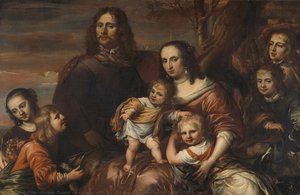
- Family Chronicles: His tender depictions of the Tulp family, including Margaretha and Dirk Tulp, which showcase a more intimate, domestic side of Baroque portraiture.
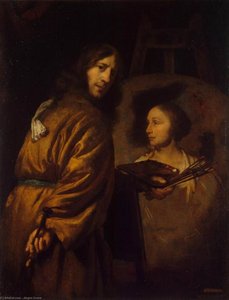
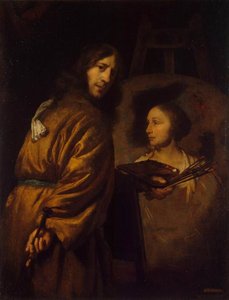
- Self-Portrait (1670): A deeply personal work that serves as an invitation into his own psyche, utilizing a rich palette of deep browns and ochres to convey a sense of profound introspection.
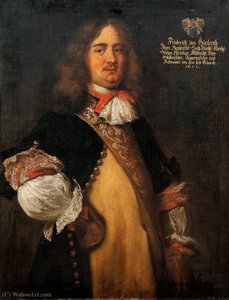
- Historical and Noble Commissions: His long-standing service to the Dukes of Holstein-Gottorp, for whom he worked for over three decades, bridging the gap between German nobility and Dutch artistry.
When Ovens passed away in 1678, he left behind a body of work that serves as a vital link between the Northern European traditions and the Dutch Golden Age. His ability to navigate the complexities of patronage, his skill in capturing the human soul through light and shadow, and his role as both an artist and a dealer ensure that his contribution to the history of art remains indelible. Through his brush, the faces of the past continue to gaze upon us with an unwavering intensity, bridging the centuries with every stroke.
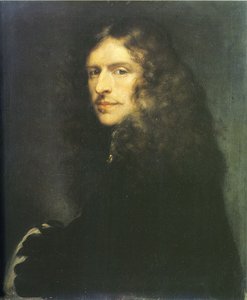
jürgen ovens
1623 - 1678 , Germany
Quick Facts
- Artistic Movement Or Style: Dutch Baroque
- Artists Or Movements Influenced By This Artist: ['Dutch Golden Age']
- Artists Who Influenced This Artist: ['Rembrandt']
- Date Of Birth: 1623
- Date Of Death: 1678
- Full Name: jürgen ovens
- Nationality: German
- Notable Artworks:
- A couple with six children
- Self-portrait
- Place Of Birth: Tönning, Germany
Related Articles

Golden Age Reflections: Dutch Baroque Painting & Cultural Innovation
Explore the Dutch Golden Age of painting! Discover key artists like Vermeer & ter Borch, their innovative techniques, and the rich cultural context behind these Baroque masterpieces. Learn about collecting & appreciating this iconic art period.

Dutch Masters: 10 Golden Age Paintings That Still Inspire |
Journey into the Dutch Golden Age! Explore 10 iconic paintings by Rembrandt, Vermeer & Hals. Discover the stories behind these Baroque masterpieces and find museum-quality art reproductions to elevate your home decor on .

Dutch Baroque Masters: 10 Paintings That Shaped an Era | ArtsDot
Journey through the Golden Age with our guide to the Top 10 Dutch Baroque masterpieces! Explore iconic paintings by Rembrandt, Vermeer & Frans Hals. Find museum-quality art reproductions and elevate your home decor at ArtsDot.com.

Illuminating Innovation: Exploring the Dutch Golden Age of Painting
Explore the Dutch Golden Age of painting with ArtsDot. Discover Rembrandt, Vermeer & other Masters. Learn about key characteristics, iconic artworks, and lasting influence. Expert insights for collectors & enthusiasts.

Illuminating Realism: Exploring the Dutch Golden Age of Painting (1600-1700)
Explore the Dutch Golden Age of painting (1600-1700) with ArtsDot. Discover Rembrandt, Vermeer & other masters. Learn about techniques, history & find museum-quality reproductions.