 Preview
 Send
Send Share
Share
 Details

 Download
 Similars
 X-Ray
X-Ray Diaporama
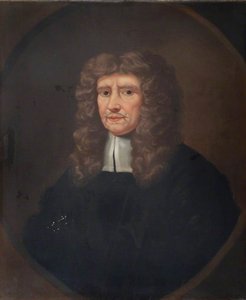
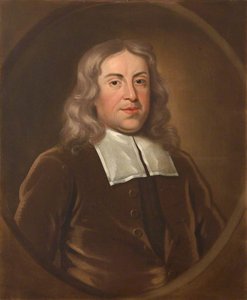
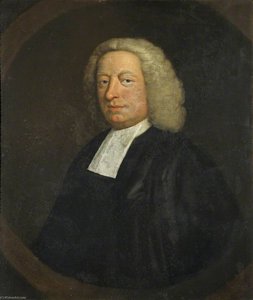
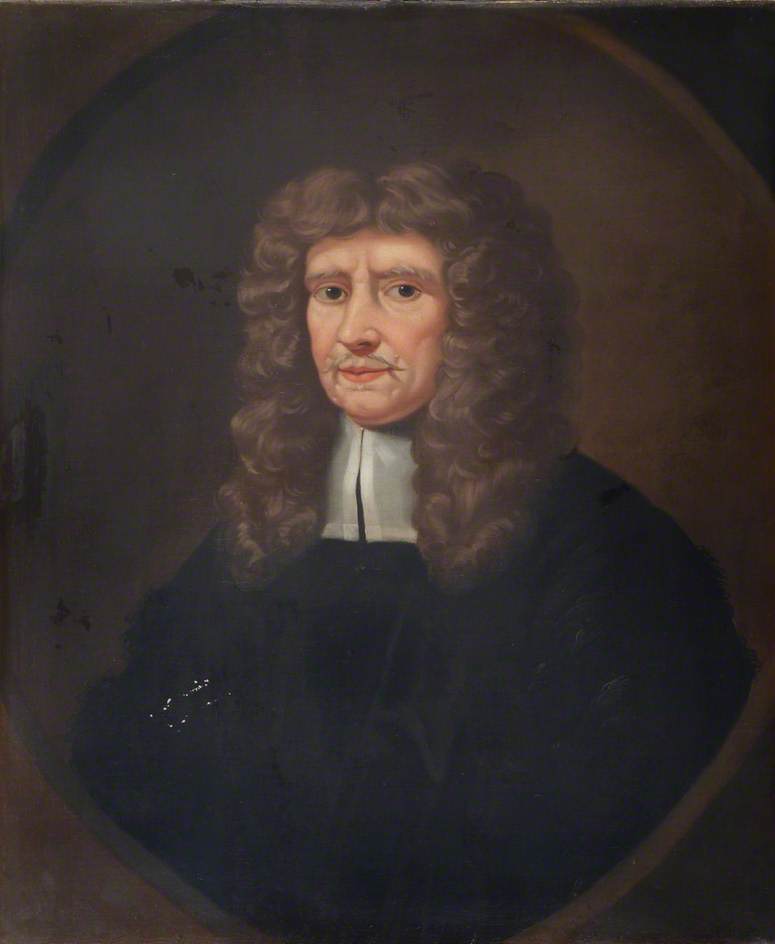
Francis Glisson (1599 –1677)
 Acrylic On Canvas
- WallArt
- Baroque Painting
 76.0 x 64.0 cm
 Bodleian Libraries
 Read More
Hand Made Oil Reproduction
Hand-painted oil on canvas in your size and frame, made to order by our artists. ( Buy Print Buy Image)




P118B $10

P118H $10

P118W $10

P438Z $10

P508JH $12

P508YH $12

P805H $10

P805Z $10

P919BZ $10

P919G $10

P919XJ $10

P959ZH $10

P968JZ $12

W106C $8

W218G $10

W218JH $8

W218Y $10

W307PJ $10

W316G $10

W316PJ $8

W316Y $10

W398PJ $8

W4111J $10

W500HY $15

W500JH $15

W692G $12

W849H $8

W940BG $15

W953PJ $8




Pick from our preset sizes that match the artwork's original proportions.

You may enter your own dimensions to fit a specific frame or space. If your selected size does not match the original image's proportions, we will either crop the artwork or extend the painting with additional hand-painted elements. A digital mockup will be sent for your approval before production begins.
Please note that the on-screen preview does not reflect the actual cropping or extension. Only the mockup will accurately show the final composition.
While custom sizes are available, we recommend selecting a dimension from the predefined list to preserve the original proportions.
After order, ArtsDot.com team will email client for instructions and provide a mockup preview
Worldwide Delivery () in 3/4 weeks instead of standard 5 weeks. (17 August). No compromise on quality.

Free Worldwide Express Shipping

High-Quality Linen Canvas

Full Shipping Insurance

Customs Tax Refund Guarantee

True Color Matching Guarantee

60-Day Return Policy (Defects Only)

100% Money-Back Guarantee

Bulk Discount Offer
 Glass option is only available in size under 110 CM

Francis Glisson (1599 –1677)
Reproduction Medium
Reproduction Size
-


Total Price
$ 263
Artwork Description
John Wollaston (1672–1749) - Pioneer of Rococo in America
John Wollaston stands as a singular figure in the annals of American art history—a British painter who irrevocably shaped the aesthetic landscape of the burgeoning colonies. While overshadowed by contemporaries like Benjamin West and Gilbert Stuart, Wollaston’s contribution lies not merely in quantity but in introducing the elegance and sophistication of Rococo painting to North America, marking it as one of the first truly European styles to flourish across the Atlantic. His influence extended beyond mere visual representation; he fostered a burgeoning artistic dialogue between Britain and its colonies, establishing a precedent for stylistic experimentation that would resonate throughout subsequent generations. Little biographical detail survives about Wollaston's formative years. He was born in London, likely the son of a painter—though conflicting accounts regarding his father’s name vary between John Wollaston and John Woolston, bolstered by Horace Walpole’s anecdotes of artistic circles in England during 1765. Walpole suggests Wollaston’s father changed his name to Wollaston, mirroring the broader trend of aristocratic families adopting more prestigious titles. This renaming underscores a significant cultural shift—a desire for social elevation and an embrace of refined European traditions that would characterize the era.The Rococo Aesthetic: A Delicate Balance
Wollaston's artistic vision was firmly rooted in the Rococo movement, originating in France during the reign of Louis XV. Unlike the grandeur and solemnity of Baroque art—characterized by monumental scale and dramatic chiaroscuro—Rococo prioritized lightness, ornamentation, and playful asymmetry. Artists sought to evoke feelings of pleasure and delight through pastel hues, curvilinear forms, and intricate decorative motifs inspired by nature. Wollaston expertly captured this aesthetic sensibility in his portraits and landscapes, prioritizing subtlety and grace over forceful expression. The meticulous attention to detail—particularly in rendering fabrics and textures—demonstrates a profound understanding of Rococo technique.Francis Glisson (1599?–1677): A Subject Steeped in Symbolism
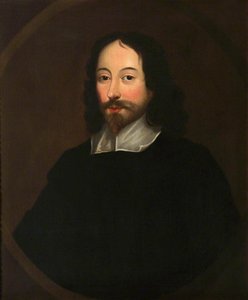
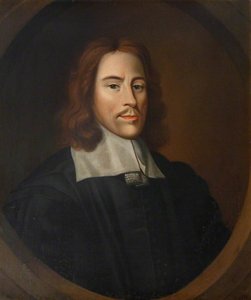
The portrait depicts Francis Glisson, a prominent physician and anatomist of the period. Glisson’s dignified pose and serene gaze convey an aura of intellectual contemplation—a reflection of the Enlightenment's emphasis on reason and observation. Wollaston skillfully employs Rococo principles to portray Glisson not merely as an individual but as a symbol of humanist ideals: knowledge, compassion, and moral virtue. The muted palette—dominated by creams and browns—creates a harmonious backdrop that allows Glisson’s features to emerge with clarity and nuance. Furthermore, the inclusion of drapery—particularly around Glisson's torso—adds visual richness and reinforces the symbolic significance of his character.Technical Mastery: Oil on Canvas – A Delicate Medium
Wollaston’s masterful execution is evident in his choice of medium—oil paint on canvas. This technique allowed for unparalleled tonal range and textural depth, enabling Wollaston to achieve a remarkable level of realism while simultaneously adhering to the stylistic conventions of Rococo. The artist meticulously blended pigments to create subtle gradations of color—a hallmark of Rococo painting—resulting in luminous surfaces that shimmer with reflected light. Careful layering of glazes further enhanced the painting’s visual impact, capturing the nuances of skin tone and fabric texture with exquisite precision. This meticulous approach exemplifies Wollaston's dedication to artistic excellence and underscores his mastery of oil paint as a vehicle for conveying beauty and emotion.A Legacy Enduring Through Reproduction
Today, reproductions of Glisson offer art enthusiasts a tangible connection to this pivotal moment in European art history. High-quality prints allow viewers to appreciate Wollaston’s stylistic innovations and the profound symbolic resonance of his masterpiece—a testament to the enduring power of Rococo painting and John Wollaston's indelible contribution to American artistic culture.Related Artworks


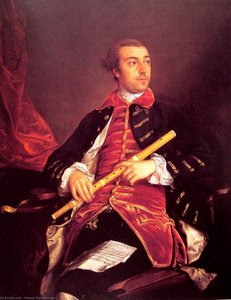
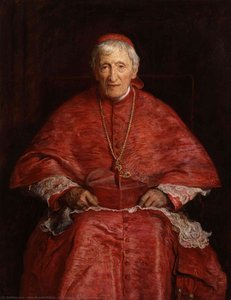
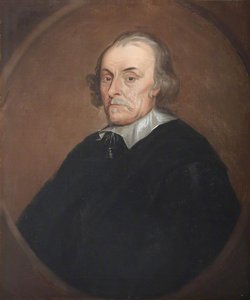
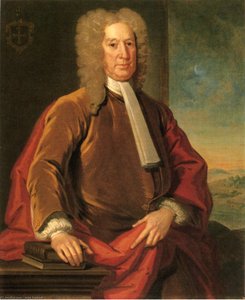
Artist Biography
John Wollaston: Pioneer of Rococo in America
John Wollaston (1742 – 1775) stands as a singular figure in the annals of American art history—a British painter who irrevocably shaped the aesthetic landscape of the burgeoning colonies. While overshadowed by contemporaries like Benjamin West and Gilbert Stuart, Wollaston’s contribution lies not merely in quantity but in introducing the elegance and sophistication of Rococo painting to North America, marking it as one of the first truly European styles to flourish across the Atlantic. Little biographical detail survives about Wollaston's formative years. He was born in London, likely the son of a painter—though conflicting accounts regarding his father’s name vary between John Wollaston and John Woolston, bolstered by Horace Walpole’s anecdotes of artistic circles in England during 1765. Walpole suggests Wollaston’s father changed his name to Wollaston, mirroring the broader trend of aristocratic families adopting more prestigious titles. Artistic training records are sparse; Charles Willson Peale, in a letter penned to his son Rembrandt in 1812, mentions Wollaston studied drapery with a London painter—a suggestion that underscores the limited documentation available concerning his artistic education. Nevertheless, stylistic analysis reveals Wollaston’s considerable skill and independence, demonstrating he either acquired further training or honed his distinctive style through self-directed experimentation. His artistic style bears unmistakable resemblance to portraits by Thomas Hudson and Allan Ramsay, artists who championed Rococo principles in Britain. Some scholars propose Joseph van Aken served as Wollaston's teacher, attributing the drapery depicted in paintings by these and other artists of the period to his influence. This assertion speaks volumes about Wollaston’s identity—he considered himself firmly rooted in English culture rather than embracing American sensibilities, evidenced by the inscription on the back of a portrait of William Smith Jr., which identifies him as “Johannes Wollaston londoniensis.” Wollaston's artistic career gained momentum with his debut commission in 1742: a portrait of George Whitefield, the influential Methodist evangelist. This painting—still residing in the collections of the National Portrait Gallery—became Wollaston’s most celebrated work and was reproduced by John Faber Jr., cementing his reputation as a masterful artist. Further bolstering his portfolio were portraits of unnamed naval officers and other commissions that attest to his growing acclaim within London society. Wollaston's transatlantic voyage commenced in 1749, establishing himself temporarily in New York City—a move that allowed him to cultivate connections with the American artistic community. Among Wollaston’s notable achievements is “Thomas Willis,” completed in 1752. This Baroque masterpiece exemplifies his signature style: rich detail, dramatic lighting, and a contemplative subject rendered with meticulous precision. The painting utilizes opulent fabrics and employs masterful brushwork to convey both grandeur and psychological depth—characteristics that define Wollaston's oeuvre. It stands as a testament to his ability to capture the essence of his subjects while adhering to the stylistic conventions of Rococo art. Furthermore, Wollaston’s influence extended beyond individual portraits; he actively collaborated with other artists, shaping the visual culture of his time. His work served as inspiration for subsequent generations of painters in America and Britain alike—a legacy that continues to resonate within the broader history of European and American art. John Wollaston's contribution solidified Rococo's presence in America and cemented his place as a pivotal figure in establishing artistic traditions across continents.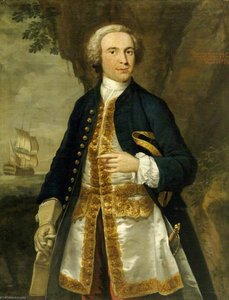
John Wollaston
1742 - 1775
Quick Facts
- Artistic Movement Or Style: Rococo Painting
- Artists Or Movements Influenced By This Artist: ['Baroque Painting']
- Artists Who Influenced This Artist:
- Thomas Hudson
- Allan Ramsay
- Date Of Birth: 1742
- Date Of Death: 1775
- Full Name: John Wollaston
- Nationality: English
- Notable Artworks:
- George Whitefield Portrait
- Officer of the British Navy Portrait
- Thomas Willis Portrait
- Joseph Reade Portrait
- Place Of Birth: London
Related Articles

Francis Bacon's Masterpieces: Exploring 25 Iconic Paintings | ArtsDot
Delve into the haunting world of Francis Bacon with ArtsDot. Explore 25 iconic paintings, from his visceral portraits to powerful triptychs. Discover the stories behind these masterpieces & find museum-quality art reproductions for your home. Explore the full collection online!

John Singer Sargent's 25 Masterpieces: Portraits & Beyond | ArtsDot
Explore 25 iconic John Singer Sargent paintings – from dazzling portraits to Impressionist landscapes. Discover the stories behind Madame X, El Jaleo & more! Find museum-quality art reproductions and elevate your home decor with ArtsDot.com.

John Constable's Masterpieces: Explore 25 Iconic Landscapes for Your Home
Journey through John Constable's 25 most celebrated landscapes. Explore Romanticism, Dedham Vale & his masterful use of light in iconic paintings like 'Hay Wain'. Find museum-quality art reproductions and elevate your home decor on ArtsDot.com.
From Grandeur to Grace: Exploring the Evolution of Baroque & Rococo Art
Explore the captivating evolution from Baroque's drama to Rococo's grace! Discover key artists, characteristics & lasting influence of these art movements with expert insights at ArtsDot.

Rococo's Radiant Legacy: 10 Masterpieces for Your Home |
Indulge in the elegance of Rococo! Explore 10 masterpieces by Fragonard, Boucher & Watteau. Discover the stories behind these iconic paintings and bring timeless art to your home with museum-quality reproductions from .