 Preview
 Send
Send Share
Share
 Details

 Download
 Similars
 X-Ray
X-Ray Diaporama
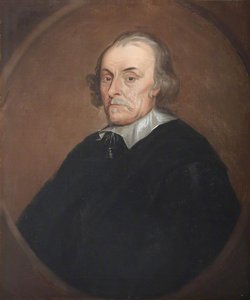
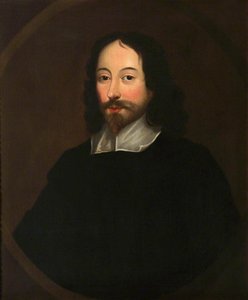
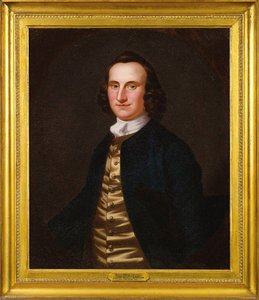
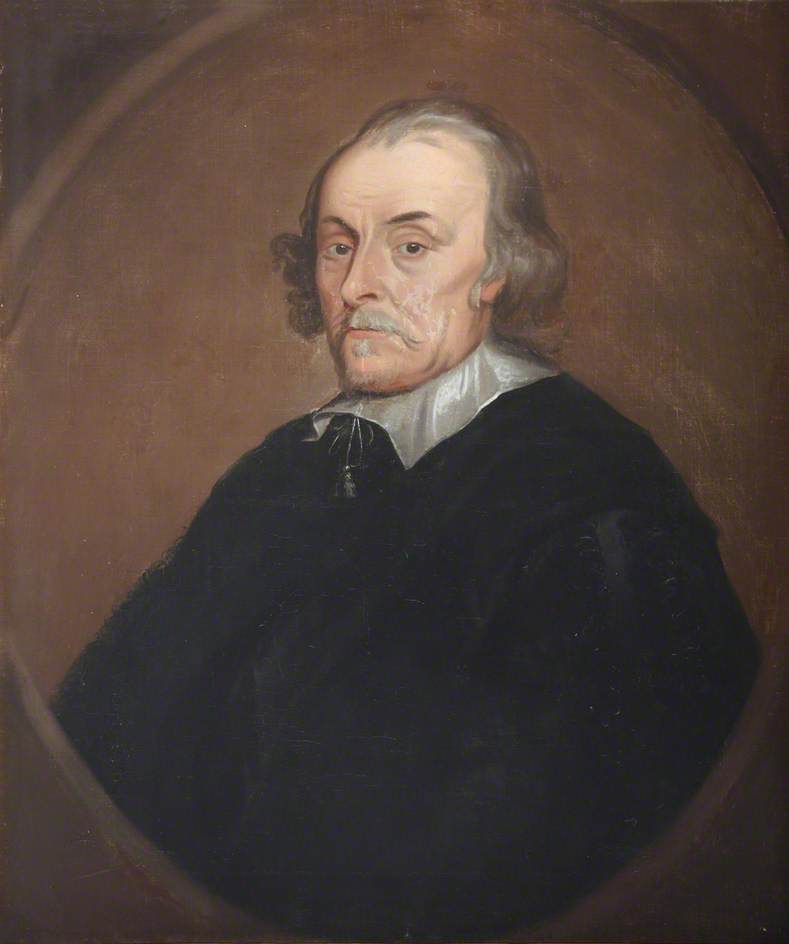
William Harvey (1578–1657)
 Acrylic On Canvas
- WallArt
- Rococo Painting
 76.0 x 64.0 cm
 Bodleian Libraries
 Read More
Hand Made Oil Reproduction
Hand-painted oil on canvas in your size and frame, made to order by our artists. ( Buy Print Buy Image)




P118B $10

P118H $10

P118W $10

P438Z $10

P508JH $12

P508YH $12

P805H $10

P805Z $10

P919BZ $10

P919G $10

P919XJ $10

P959ZH $10

P968JZ $12

W106C $8

W218G $10

W218JH $8

W218Y $10

W307PJ $10

W316G $10

W316PJ $8

W316Y $10

W398PJ $8

W4111J $10

W500HY $15

W500JH $15

W692G $12

W849H $8

W940BG $15

W953PJ $8




Pick from our preset sizes that match the artwork's original proportions.

You may enter your own dimensions to fit a specific frame or space. If your selected size does not match the original image's proportions, we will either crop the artwork or extend the painting with additional hand-painted elements. A digital mockup will be sent for your approval before production begins.
Please note that the on-screen preview does not reflect the actual cropping or extension. Only the mockup will accurately show the final composition.
While custom sizes are available, we recommend selecting a dimension from the predefined list to preserve the original proportions.
After order, ArtsDot.com team will email client for instructions and provide a mockup preview
Worldwide Delivery () in 3/4 weeks instead of standard 5 weeks. (17 August). No compromise on quality.

Free Worldwide Express Shipping

High-Quality Linen Canvas

Full Shipping Insurance

Customs Tax Refund Guarantee

True Color Matching Guarantee

60-Day Return Policy (Defects Only)

100% Money-Back Guarantee

Bulk Discount Offer
 Glass option is only available in size under 110 CM

William Harvey (1578–1657)
Reproduction Medium
Reproduction Size
-


Total Price
$ 263
Artwork Description
William Harvey (1578–1657) – A Pioneer of Scientific Portraiture
John Wollaston’s depiction of William Harvey stands as a pivotal moment in the burgeoning artistic landscape of colonial America, marking one of the earliest instances of European stylistic influence to resonate across the Atlantic. More than just a likeness, this portrait embodies the spirit of the Rococo era—characterized by opulent ornamentation, delicate pastel hues, and an emphasis on idealized beauty—within the realm of scientific representation. Wollaston’s masterful execution elevates Harvey beyond mere anatomical accuracy, imbuing him with a palpable sense of intellectual contemplation and serene dignity.- Subject Matter: The portrait captures William Harvey (1578–1657), an English physician renowned for his groundbreaking discovery of circulation—a revolutionary concept that fundamentally reshaped understanding of human physiology.
- Style & Technique: Wollaston’s approach aligns perfectly with the Rococo aesthetic, prioritizing subtlety and grace over dramatic gesture. Employing oil paint on canvas, he utilizes a soft brushstroke technique to achieve luminous tonal gradations, creating an atmosphere of ethereal calm. The artist skillfully blends pastel shades—primarily creams and pale blues—to soften Harvey's features and convey an impression of inner peace.
- Historical Context: Painted around 1749, this artwork reflects the intellectual fervor of Enlightenment Europe, where Harvey’s theories challenged prevailing Aristotelian dogma. Wollaston’s decision to portray Harvey not as a heroic figure battling illness but as a man absorbed in thought underscores the importance placed on reason and observation during this period.
- Symbolism: The muted palette contributes to a symbolic representation of Harvey's intellectual pursuits—the coolness of blue mirroring contemplation, while cream symbolizes purity and enlightenment. Wollaston’s careful composition directs the viewer’s gaze towards Harvey’s face, emphasizing his inner life and conveying a profound respect for scientific inquiry.
- Emotional Impact: The portrait succeeds in capturing Harvey's intellectual serenity—a testament to Wollaston’s ability to translate complex scientific concepts into an emotionally resonant visual experience. It invites viewers to contemplate the transformative power of observation and the enduring legacy of Harvey’s pioneering work.
Provenance & Artistic Legacy
This particular rendition resides within the Bodleian Libraries collection, acquired in 1735 from Humphrey Bartholomew—a significant benefactor who championed the dissemination of knowledge and artistic excellence. Wollaston's influence extended beyond this singular piece; he served as a catalyst for introducing Rococo principles into American art circles, fostering dialogue between European artistic traditions and emerging colonial sensibilities. His work stands alongside other notable portraits of scientists from the era, demonstrating a commitment to portraying intellectual achievement with both precision and aesthetic beauty.Technical Details
Measurements: H 76 cm (30 in), W 63.5 cm (25 in) Medium: Oil on Canvas Artist: John Wollaston (1672–1749)Further Exploration
To delve deeper into the artistic milieu of Rococo and its impact on scientific portraiture, consider examining works by contemporaries such as Benjamin West and Gilbert Stuart. Furthermore, exploring similar depictions of thinkers—particularly those emphasizing contemplative introspection—offers valuable insights into Wollaston’s stylistic choices and their broader significance within the history of art. Examining other artists like Sir John Kyffin Williams or John Haynes-Williams can illuminate the diverse artistic expressions of the period.Related Artworks
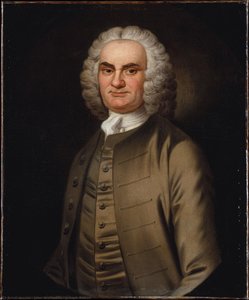
Artist Biography
John Wollaston: Pioneer of Rococo in America
John Wollaston (1742 – 1775) stands as a singular figure in the annals of American art history—a British painter who irrevocably shaped the aesthetic landscape of the burgeoning colonies. While overshadowed by contemporaries like Benjamin West and Gilbert Stuart, Wollaston’s contribution lies not merely in quantity but in introducing the elegance and sophistication of Rococo painting to North America, marking it as one of the first truly European styles to flourish across the Atlantic. Little biographical detail survives about Wollaston's formative years. He was born in London, likely the son of a painter—though conflicting accounts regarding his father’s name vary between John Wollaston and John Woolston, bolstered by Horace Walpole’s anecdotes of artistic circles in England during 1765. Walpole suggests Wollaston’s father changed his name to Wollaston, mirroring the broader trend of aristocratic families adopting more prestigious titles. Artistic training records are sparse; Charles Willson Peale, in a letter penned to his son Rembrandt in 1812, mentions Wollaston studied drapery with a London painter—a suggestion that underscores the limited documentation available concerning his artistic education. Nevertheless, stylistic analysis reveals Wollaston’s considerable skill and independence, demonstrating he either acquired further training or honed his distinctive style through self-directed experimentation. His artistic style bears unmistakable resemblance to portraits by Thomas Hudson and Allan Ramsay, artists who championed Rococo principles in Britain. Some scholars propose Joseph van Aken served as Wollaston's teacher, attributing the drapery depicted in paintings by these and other artists of the period to his influence. This assertion speaks volumes about Wollaston’s identity—he considered himself firmly rooted in English culture rather than embracing American sensibilities, evidenced by the inscription on the back of a portrait of William Smith Jr., which identifies him as “Johannes Wollaston londoniensis.” Wollaston's artistic career gained momentum with his debut commission in 1742: a portrait of George Whitefield, the influential Methodist evangelist. This painting—still residing in the collections of the National Portrait Gallery—became Wollaston’s most celebrated work and was reproduced by John Faber Jr., cementing his reputation as a masterful artist. Further bolstering his portfolio were portraits of unnamed naval officers and other commissions that attest to his growing acclaim within London society. Wollaston's transatlantic voyage commenced in 1749, establishing himself temporarily in New York City—a move that allowed him to cultivate connections with the American artistic community. Among Wollaston’s notable achievements is “Thomas Willis,” completed in 1752. This Baroque masterpiece exemplifies his signature style: rich detail, dramatic lighting, and a contemplative subject rendered with meticulous precision. The painting utilizes opulent fabrics and employs masterful brushwork to convey both grandeur and psychological depth—characteristics that define Wollaston's oeuvre. It stands as a testament to his ability to capture the essence of his subjects while adhering to the stylistic conventions of Rococo art. Furthermore, Wollaston’s influence extended beyond individual portraits; he actively collaborated with other artists, shaping the visual culture of his time. His work served as inspiration for subsequent generations of painters in America and Britain alike—a legacy that continues to resonate within the broader history of European and American art. John Wollaston's contribution solidified Rococo's presence in America and cemented his place as a pivotal figure in establishing artistic traditions across continents.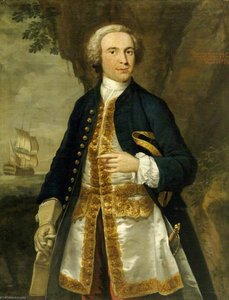
John Wollaston
1742 - 1775
Quick Facts
- Artistic Movement Or Style: Rococo Painting
- Artists Or Movements Influenced By This Artist: ['Baroque Painting']
- Artists Who Influenced This Artist:
- Thomas Hudson
- Allan Ramsay
- Date Of Birth: 1742
- Date Of Death: 1775
- Full Name: John Wollaston
- Nationality: English
- Notable Artworks:
- George Whitefield Portrait
- Officer of the British Navy Portrait
- Thomas Willis Portrait
- Joseph Reade Portrait
- Place Of Birth: London
Related Articles
From Grandeur to Grace: Exploring the Evolution of Baroque & Rococo Art
Explore the captivating evolution from Baroque's drama to Rococo's grace! Discover key artists, characteristics & lasting influence of these art movements with expert insights at ArtsDot.
The Precision of Perception: Scientific Illustration as Art & Epistemology
Explore the fascinating history of scientific illustration – where art meets accuracy. Discover key artists like Karl Blossfeldt & Maud H. Purdy, and delve into its profound epistemological roots. ArtsDot offers museum-quality reproductions.

Rococo's Radiant Legacy: 10 Masterpieces for Your Home |
Indulge in the elegance of Rococo! Explore 10 masterpieces by Fragonard, Boucher & Watteau. Discover the stories behind these iconic paintings and bring timeless art to your home with museum-quality reproductions from .
Arthur Rackham: A Master of British Illustration & the Enchanted Realm of Fairy Tales
Explore the enchanting world of Arthur Rackham (1867-1939), a leading figure in British Golden Age illustration. Discover his iconic fairy tale art, classic book illustrations & lasting legacy. Learn more at ArtsDot.

The Evocative Detail of Nature: A History of Naturalistic Illustration
Explore the rich history of botanical illustration! Discover pioneering artists like Maria Sibylla Merian & Marianne North. Learn about scientific precision, artistic expression, and find museum-quality reproductions at ArtsDot.