 Preview
 Send
Send Share
Share
 Details

 Download
 Similars
 X-Ray
X-Ray Diaporama
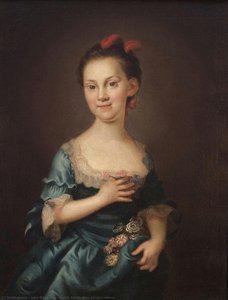
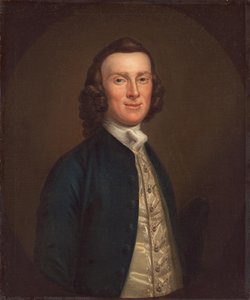
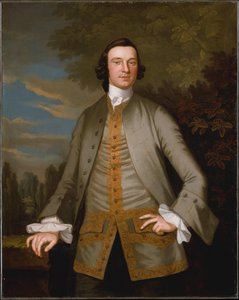
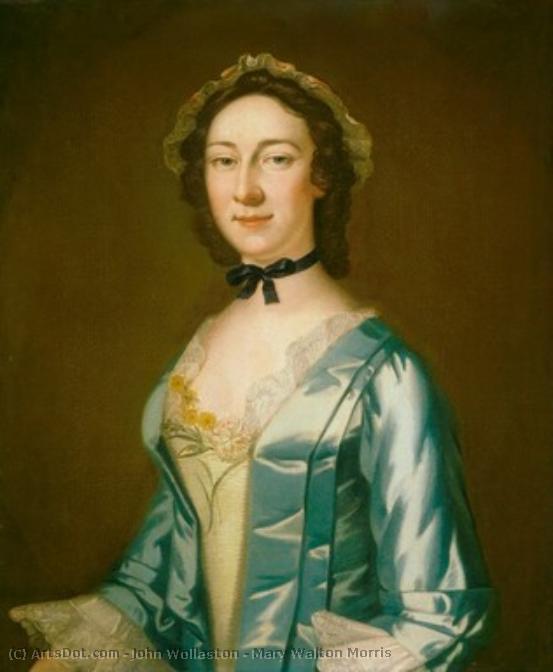
Mary Walton Morris
 1752
1752 94.0 x 81.0 cm
 Read More
Hand Made Oil Reproduction
Hand-painted oil on canvas in your size and frame, made to order by our artists. ( Buy Print Buy Image)




































Pick from our preset sizes that match the artwork's original proportions.

You may enter your own dimensions to fit a specific frame or space. If your selected size does not match the original image's proportions, we will either crop the artwork or extend the painting with additional hand-painted elements. A digital mockup will be sent for your approval before production begins.
Please note that the on-screen preview does not reflect the actual cropping or extension. Only the mockup will accurately show the final composition.
While custom sizes are available, we recommend selecting a dimension from the predefined list to preserve the original proportions.
After order, ArtsDot.com team will email client for instructions and provide a mockup preview
Worldwide Delivery () in 3/4 weeks instead of standard 5 weeks. (22 August). No compromise on quality.

Free Worldwide Express Shipping

High-Quality Linen Canvas

Full Shipping Insurance

Customs Tax Refund Guarantee

True Color Matching Guarantee

60-Day Return Policy (Defects Only)

100% Money-Back Guarantee

Bulk Discount Offer
 Glass option is only available in size under 110 CM

Mary Walton Morris
Reproduction Medium
Reproduction Size
-


Total Price
$ 263
Related Artworks







Artist Biography
The Elegance of the Atlantic: The Life and Legacy of John Wollaston
In the mid-eighteenth century, as the American colonies began to stir with a burgeoning sense of identity, a sophisticated breeze from London arrived on their shores, carried by the brush of John Wollaston. A painter of profound grace and technical finesse, Wollaston stands as a singular figure in the annals of American art history—a British master who irrevocably shaped the aesthetic landscape of the colonies. While later giants like Benjamin West and Gilbert Stuart would command the spotlight of American portraiture, Wollaston’s true contribution lies in his role as a pioneer, introducing the delicate elegance and shimmering sophistication of the Rococo style to North America. He was more than a mere chronicler of faces; he was an ambassador of European refinement, marking one of the first instances where a truly continental artistic movement flourished across the Atlantic.
The early life of Wollaston remains shrouded in the soft mists of history, leaving much to the imagination of scholars. Born in London, he was likely the scion of a painter, though the records of his lineage are famously contested. Some accounts identify his father as John Wollaston, while others, drawing from the witty anecdotes of Horace Walpole, suggest the name was originally Woolston—a change made to mirror the era's aristocratic trend of adopting more prestigious titles. While his formal training is not documented in detail, the evidence of his skill is undeniable. The letters of Charles Willson Peale hint that Wollaston studied the intricate art of drapery with a London master, a specialty that would become his hallmark. Whether he was mentored by his father or influenced by the celebrated drapery painter Joseph van Aken, Wollaston emerged with a command over fabric and light that mirrored the finest talents of the British Rococo tradition.
A Vision of Rococo Splendor
Wollaston’s artistic identity was deeply rooted in the English Rococo, a style characterized by its lightness, grace, and an almost tactile obsession with texture. His work bears an unmistakable resemblance to the portraits of Thomas Hudson and Allan Ramsay, capturing not just the likeness of his subjects but the very essence of their social standing. He possessed a remarkable ability to render the heavy sheen of silk, the delicate lace of a collar, and the complex folds of velvet, creating a visual language of luxury that captivated the colonial elite. This mastery of drapery was not merely decorative; it served to imbue his subjects with a sense of movement and vitality, making the static medium of portraiture feel alive and breathing.
His journey across the Atlantic in 1749 marked a transformative chapter for both the artist and the colonies. Settling initially in New York City, Wollaston began a nomadic period of intense creativity, traveling along the Atlantic seaboard to bring the latest London fashions to American patrons. His presence fostered a burgeoning artistic dialogue between Britain and its colonies, establishing a precedent for stylistic experimentation that would resonate through subsequent generations. Despite his travels, Wollaston remained profoundly connected to his English roots. This steadfast identity is poignantly captured in the inscription on the back of his portrait of William Smith, Jr., where he identified himself as "Johnannes Wollaston Londoniensis," a proud declaration of his London origins amidst the American wilderness.
Historical Significance and Lasting Impact
Though his life was tragically short, ending in 1775, the impact of John Wollaston’s career remains etched in the history of early American art. He provided the colonial upper class with a visual mirror that reflected their aspirations toward European sophistication. His ability to translate the high fashion of London into the colonial context allowed for a shared cultural vocabulary between the Old and New Worlds. The following elements define his enduring historical footprint:
- Introduction of Rococo: He was instrumental in transplanting the light, ornamental, and fabric-rich Rococo style from Europe to the American colonies.
- Technical Mastery: His specialized skill in rendering drapery set a new standard for portraiture in North America, influencing the way texture and light were perceived by future generations of painters.
- Cultural Bridge: Through his travels from New York through the southern colonies, he acted as a vital link in the transmission of European aesthetic values to the burgeoning American landscape.
- Foundational Influence: By establishing a precedent for high-style portraiture, he paved the way for the later development of a distinctively American school of painting.
Today, when we look upon the works attributed to Wollaston, we see more than just portraits of the colonial past; we see the arrival of an era of elegance. His brush captured a moment in time when the colonies were beginning to dream of grandeur, and through his art, that dream was rendered in silk, lace, and light.
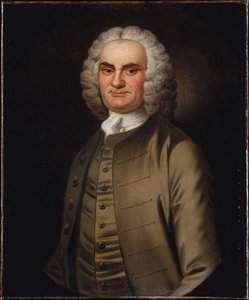
John Wollaston
1742 - 1775
Quick Facts
- Artistic Movement Or Style: Rococo Painting
- Artists Or Movements Influenced By This Artist: ['Baroque Painting']
- Artists Who Influenced This Artist:
- Thomas Hudson
- Allan Ramsay
- Date Of Birth: 1742
- Date Of Death: 1775
- Full Name: John Wollaston
- Nationality: English
- Notable Artworks:
- George Whitefield Portrait
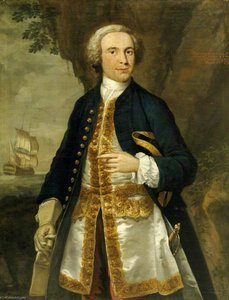
- Officer of the British Navy Portrait
- Thomas Willis Portrait
- Joseph Reade Portrait
- Place Of Birth: London