 Preview
 Send
Send Share
Share
 Details

 Download
 Similars
 X-Ray
X-Ray Diaporama
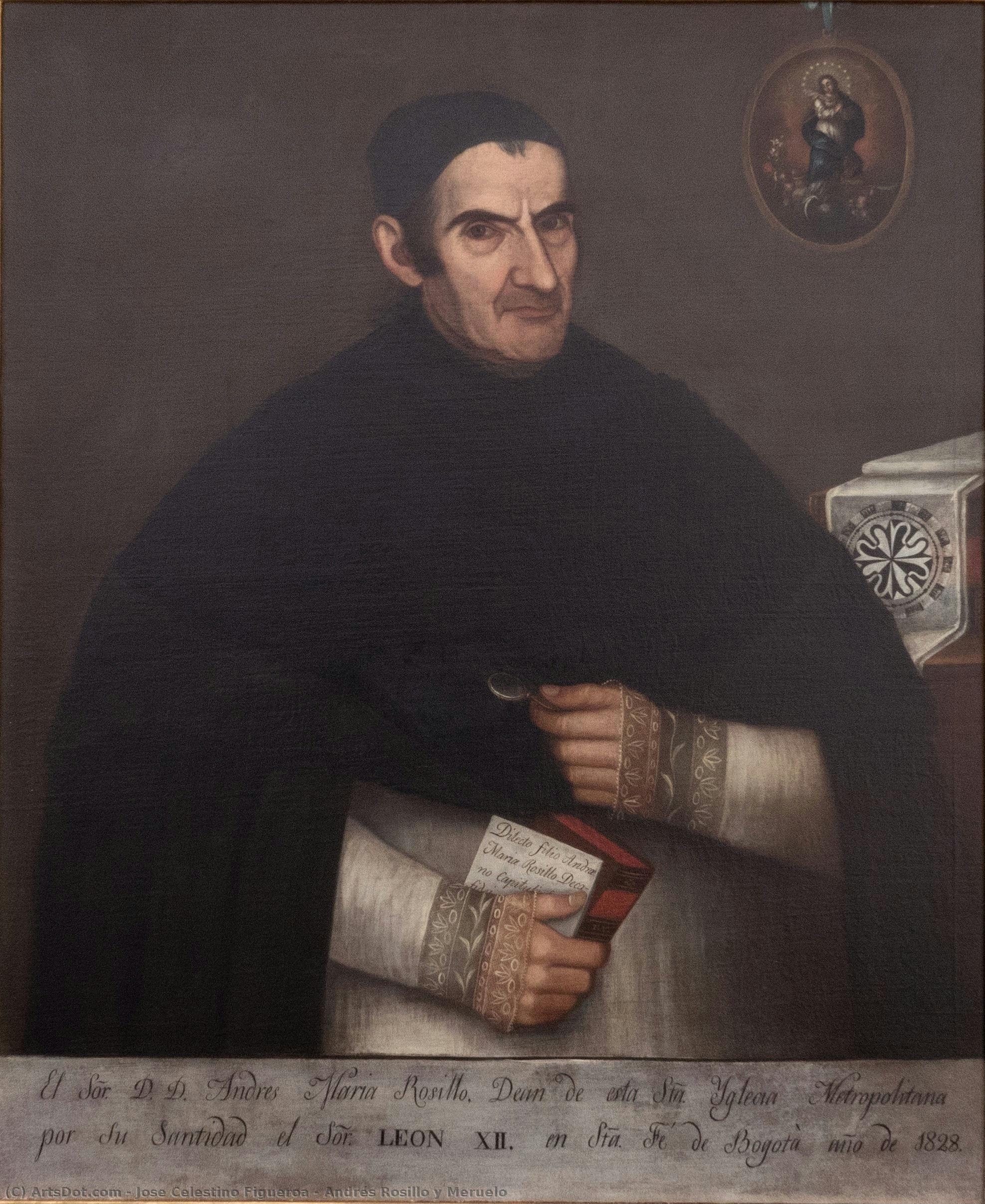
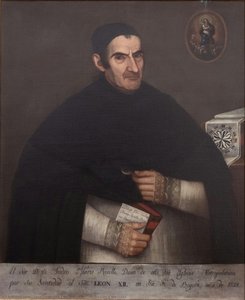
Andrés Rosillo y Meruelo


 Read More
Giclée / Art Print
Museum-quality giclée or canvas print with fast production and flexible finish options. ( Buy Hand Made Painting Buy Image)




































Pick from our preset sizes that match the artwork's original proportions.

You may enter your own dimensions to fit a specific frame or space. If your selected size does not match the original image's proportions, we will either crop the artwork or extend the image with a mirrored or solid-fill edge. A digital mockup will be sent for your approval before production begins.
Please note that the on-screen preview does not reflect the actual cropping or extension. Only the mockup will accurately show the final composition.
While custom sizes are available, we recommend selecting a dimension from the predefined list to preserve the original proportions.
Worldwide Delivery () in 2 weeks instead of standard 4/5 weeks. (26 August)

Free Worldwide Express Shipping

High-Quality Linen Canvas

Full Shipping Insurance

Customs Tax Refund Guarantee

True Color Matching Guarantee

60-Day Return Policy (Defects Only)

100% Money-Back Guarantee

Bulk Discount Offer
 Glass option is only available in size under 110 CM

Andrés Rosillo y Meruelo
Giclée / Art Print
Reproduction Size
-


Total Price
$ 63
Collectible Description
Related Artworks




Artist Biography
The Legacy of José Celestino Figueroa: A Master of the Colombian Portrait
In the vibrant tapestry of nineteenth-century Latin American art, few names resonate with as much quiet dignity as José Celestino Figueroa. Born in Bogotá, Colombia, around 1793, Figueroa emerged from a lineage deeply rooted in the artistic traditions of the Viceroyalty of New Granada. He was not merely an artist by choice but by inheritance, raised within the bustling atelier of his father, the renowned painter and sculptor Pedro José de Figueroa. This formative environment served as a sanctuary of learning, where the young Figueroa absorbed the fundamental principles of light, form, and composition. Growing up amidst the scent of oil paints and the rhythmic scraping of chisels, he developed an early mastery of technique that would eventually allow him to capture the very soul of his subjects.
The development of Figueroa’s style was a sophisticated journey through the prevailing aesthetic currents of his era. As Europe moved toward the refined elegance of Neoclassicism, Figueroa seamlessly integrated these international influences into a distinctly Colombian context. Drawing inspiration from the monumental clarity of Jacques-Louis David and the sculptural grace of Antonio Canova, he sought to elevate portraiture beyond simple documentation. His work became a profound exploration of character, where every brushstroke was intended to convey a sense of permanence and nobility. Through his eyes, the faces of the Colombian elite were transformed into timeless icons of composure and grace.
Technique, Light, and the Art of Presence
What truly distinguishes Figueroa’s oeuvre is his masterful command over chiaroscuro—the dramatic interplay between shadow and illumination. He possessed a rare ability to use light not just to define the contours of a face, but to sculpt the psychological depth of his sitters. In his most celebrated works, subjects appear bathed in a soft, ethereal glow that emphasizes an idealized beauty while maintaining a striking sense of realism. This delicate balance allowed him to render textures—the heavy sheen of silk, the intricate lace of a collar, or the subtle warmth of human skin—with such precision that the portraits seem to breathe within their frames.
His approach to composition was equally deliberate, characterized by:
- Psychological Depth: A focus on capturing the internal essence and emotional state of the subject.
- Luminous Realism: The use of light to create a palpable sense of three-dimensional form.
- Dignified Composure: An emphasis on the social standing and inherent nobility of his patrons.
- Meticulous Detail: An unwavering attention to the fine elements of costume and setting that grounded his subjects in their historical moment.
Historical Significance and Artistic Triumph
The significance of José Celestino Figueroa extends far beyond the aesthetic beauty of his canvases; he was a foundational figure in establishing a formal portraiture tradition in Colombia. During a period of profound political and social transition, his work provided a visual language for the burgeoning identity of the nation. By documenting the prominent families and dignitaries of his time with such reverence, he helped create a lasting visual record of the era's social fabric. His ability to secure commissions from the most influential figures of the nineteenth century is a testament to his standing as the preeminent portraitist of his generation.
Though much of his later life remains shrouded in the mists of history, his contribution to the Colombian art canon is indisputable. Figueroa’s legacy lives on through the enduring power of his portraits, which continue to captivate viewers with their quiet strength and technical brilliance. He remains a pivotal bridge between the colonial traditions of his father's generation and the emerging modern sensibilities of a new republic, ensuring that the spirit of nineteenth-century Colombia remains eternally preserved in oil and light.
jose celestino figueroa
Colombia
Quick Facts
- Artistic Movement Or Style: Portrait Painting
- Artists Or Movements Influenced By This Artist: ['']
- Artists Who Influenced This Artist: ['Pedro José de Figueroa']
- Date Of Birth: (Bogotá)
- Date Of Death: Living
- Full Name: José Celestino Figueroa
- Nationality: Colombian
- Notable Artworks: ['']
- Place Of Birth: Bogotá, Colombia