![Mexican Landscape \n[paisaije Mexicano] — José Clemente Orozco](/media/artworks/images-full/d8/6f/d86f04ba748b0e0b2408ed1bb2388ce1.jpg)
 Preview
 Send
Send Share
Share
 Details

 Download
 Similars
 X-Ray
X-Ray Diaporama
Mexican Landscape \n[Paisaije Mexicano]
 Acrylic On Canvas
- WallArt
- Mexican Muralism
 1932
1932- 19th Century
 76.0 x 93.0 cm
 Nagoya City Art Museum
 Read More
Giclée / Art Print
Museum-quality giclée or canvas print with fast production and flexible finish options. ( Buy Hand Made Painting Buy Image)




P118B $10

P118H $10

P118W $10

P438Z $10

P508JH $12

P508YH $12

P805H $10

P805Z $10

P919BZ $10

P919G $10

P919XJ $10

P959ZH $10

P968JZ $12

W106C $8

W218G $10

W218JH $8

W218Y $10

W307PJ $10

W316G $10

W316PJ $8

W316Y $10

W398PJ $8

W4111J $10

W500HY $15

W500JH $15

W692G $12

W849H $8

W940BG $15

W953PJ $8




Pick from our preset sizes that match the artwork's original proportions.

You may enter your own dimensions to fit a specific frame or space. If your selected size does not match the original image's proportions, we will either crop the artwork or extend the image with a mirrored or solid-fill edge. A digital mockup will be sent for your approval before production begins.
Please note that the on-screen preview does not reflect the actual cropping or extension. Only the mockup will accurately show the final composition.
While custom sizes are available, we recommend selecting a dimension from the predefined list to preserve the original proportions.
Worldwide Delivery () in 2 weeks instead of standard 4/5 weeks. (26 August)

Free Worldwide Express Shipping

High-Quality Linen Canvas

Full Shipping Insurance

Customs Tax Refund Guarantee

True Color Matching Guarantee

60-Day Return Policy (Defects Only)

100% Money-Back Guarantee

Bulk Discount Offer
 Glass option is only available in size under 110 CM

Mexican Landscape \n[Paisaije Mexicano]
Giclée / Art Print
Reproduction Size
-


Total Price
$ 63
Collectible Description
José Clemente Orozco’s *Mexican Landscape* (1932): A Chronicle of Struggle and Resilience
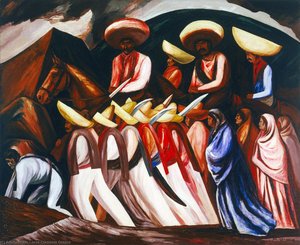
“A Life Forged in Revolution,” as it were, perfectly encapsulates the trajectory of José Clemente Orozco's artistic career. His monumental works, born from a deep engagement with Mexico’s turbulent 20th-century history, aren’t merely depictions of landscapes; they are visceral narratives etched onto canvas, demanding attention and provoking profound reflection. *Mexican Landscape* (1932), a painting measuring 76 x 93 cm, exemplifies this powerfully, offering a stark portrayal of social inequality and the enduring spirit of the Mexican people.
The scene immediately confronts the viewer with a tableau of contrasting figures: a woman, presumably a plantation owner’s wife, stands in dignified repose beside her infant, while two peasants – one on either side – gaze upon them with an expression that speaks volumes about their subjugated position. The colossal agave plant, or *maguey*, dominates the composition, acting as both a physical and symbolic barrier between these disparate groups. This deliberate arrangement underscores the vast chasm of wealth and power that defined Mexican society at the time, a reality Orozco unflinchingly confronted in his art.
A Masterclass in Muralist Technique
- Orozco’s distinctive style is immediately recognizable. Employing a heavily textured technique – a hallmark of his muralism – he builds up the paint with thick, expressive brushstrokes, creating a dynamic surface that seems to pulse with energy. The use of dark, earthy tones—ochres, browns, and blacks—dominates the palette, contributing to the painting’s somber mood and emphasizing the harshness of the landscape.
- The artist's masterful handling of line is equally significant. Bold, angular lines define the forms – particularly the cactus and the figures – lending a sense of strength and monumentality to the scene. This deliberate use of line adds to the painting’s dramatic impact, further amplifying its emotional weight.
- Orozco's impasto technique, achieved through thick layers of paint applied with palette knives and brushes, creates a tactile surface that invites close inspection. The viewer is encouraged to engage with the work on a physical level, mirroring the intensity of Orozco’s message.
Symbolism and Historical Context
Painted in 1932, *Mexican Landscape* reflects the immediate aftermath of the Mexican Revolution (1910-1920). The painting serves as a potent commentary on the social injustices that fueled the revolution – the exploitation of rural populations by wealthy landowners. The agave plant itself holds significant cultural symbolism in Mexico, representing resilience, strength, and connection to the land. Orozco’s choice to place it between the figures highlights the enduring power of nature amidst human suffering.
The swirling clouds in the background contribute to a sense of foreboding, mirroring the turbulent political climate of the era. The dry landscape further emphasizes the vulnerability and hardship faced by the peasantry. Orozco’s work is not simply a record of a specific time; it's an enduring symbol of social struggle and the ongoing quest for justice.
Emotional Impact and Artistic Legacy
*Mexican Landscape* possesses a profound emotional impact, forcing viewers to confront uncomfortable truths about power, inequality, and human dignity. Orozco’s ability to translate complex historical and social issues into a visually arresting image is testament to his artistic genius. This piece remains a cornerstone of Mexican muralism and a powerful reminder of the nation's turbulent past. A hand-painted reproduction offers an unparalleled opportunity to experience the full force of Orozco’s vision, bringing this significant artwork into any discerning collection or interior space.
Related Artworks
Artist Biography
A Life Forged in Revolution: The World of José Clemente Orozco
José Clemente Orozco, born November 23, 1883, in the small town of Zapotlán el Grande (now Ciudad Guzmán), Jalisco, Mexico, stands as a monumental figure in the pantheon of Mexican muralists. His life was inextricably linked to the tumultuous currents of his nation’s history—a period defined by revolution, social upheaval, and a fervent search for national identity. Orozco wasn't merely a painter; he was a visual chronicler of Mexico’s soul, translating its struggles, hopes, and contradictions onto vast canvases that continue to resonate with power today. From an early age, the vibrant yet often harsh realities of Mexican life captivated him. His initial artistic awakening occurred during his school years in Mexico City, where he became enthralled by the work of José Guadalupe Posada, a master engraver whose satirical depictions of death and daily life challenged societal norms. This exposure instilled in Orozco a commitment to art as a vehicle for social commentary—a principle that would define his entire career. A youthful accident, losing his left hand at seventeen while experimenting with explosives, did not deter him; instead, it seemed to fuel an even greater determination to overcome adversity and express himself through artistic creation.The Birth of Mexican Muralism & Orozco’s Distinct Voice
Orozco's formal training began at the Academy of San Carlos in 1906, where he encountered David Alfaro Siqueiros, a fellow student who would become another key player in the burgeoning Mexican mural movement. This period was marked by political unrest and growing calls for social justice. Following the Mexican Revolution (1910-1920), a wave of artistic expression swept across the country, fueled by a desire to create a uniquely Mexican aesthetic that celebrated indigenous culture and addressed the nation’s challenges. Alongside Diego Rivera and Siqueiros, Orozco became one of the “big three” muralists who spearheaded this movement. However, while Rivera's murals often presented a more optimistic and celebratory vision of Mexico’s past and future, and Siqueiros focused on dynamic action and revolutionary fervor, Orozco carved out a distinctly darker and more introspective path. His work delved into the brutal realities of conflict, the suffering of the masses, and the inherent contradictions of human nature. He wasn't interested in glorifying revolution; he sought to expose its cost—the pain, loss, and disillusionment that often accompanied it.Technique & Symbolism: A Language of Walls
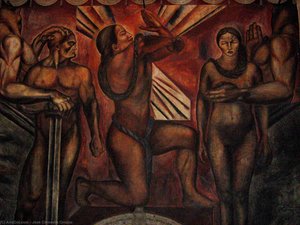
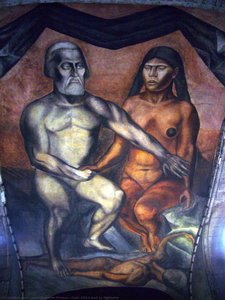
Orozco’s mastery lay not only in his ability to convey powerful emotions but also in his innovative use of fresco technique. Working directly onto wet plaster, he created murals that were both monumental in scale and remarkably durable. His palette was often somber—earth tones, grays, and blacks dominating his compositions—reflecting the gravity of his subject matter. He wasn’t afraid to depict scenes of violence and despair, but these weren't gratuitous; they served as stark reminders of the human cost of conflict. Symbolism played a crucial role in Orozco’s work. Machines frequently appear in his murals, not as symbols of progress, but as representations of dehumanization and the destructive potential of technology. Figures are often fragmented or distorted, conveying a sense of alienation and psychological turmoil. His compositions were rarely straightforward narratives; instead, they were complex allegories that demanded careful interpretation. Omnisciencia, painted in 1925, exemplifies this approach—a powerful exploration of social justice rendered with vibrant expressionism and layered symbolism. Similarly, *Cortés & La Malinche* is a dramatic depiction of history and culture, showcasing his bold design and artistic technique.Legacy and Enduring Impact
José Clemente Orozco’s influence extends far beyond the borders of Mexico. His murals can be found in prominent locations around the world, including the Baker-Berry Library at Dartmouth College in Hanover, New Hampshire, where his *Epic of American Civilization* stands as a testament to his artistic vision and intellectual depth. He inspired generations of artists with his commitment to social realism, his innovative use of fresco technique, and his unflinching portrayal of human suffering. His work continues to be studied and admired for its emotional power, technical brilliance, and enduring relevance. The Museum of the Arts of the University of Guadalajara houses a workshop-museum dedicated to his life and art, preserving his legacy for future generations. Artists like Gustavo Arias Murueta and Óscar Salas Moya acknowledge Orozco’s influence in their own explorations of Mexican identity and social issues.- Orozco's murals served as inspiration to artists worldwide.
- His work elevated the art of muralism.
- He remains a pivotal figure in understanding 20th-century Mexican art.
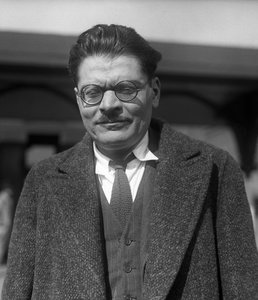
José Clemente Orozco
1883 - 1949 , Mexico
Quick Facts
- Artistic Movement Or Style: Mexican Muralism
- Artists Or Movements Influenced By This Artist:
- Gustavo Arias Murueta
- Óscar Salas Moya
- Artists Who Influenced This Artist: ['José Guadalupe Posada']
- Date Of Birth: November 23, 1883
- Date Of Death: 1949
- Full Name: José Clemente Orozco
- Nationality: Mexican
- Notable Artworks:
- Omnisciencia
- The Poor
- Cortés & La Malinche
- Mexican Soldiers
- Place Of Birth: Ciudad Guzmán, Mexico
Related Articles
José Clemente Orozco: A Revolutionary Vision of Mexican Muralism & the Human Condition
Explore the powerful world of José Clemente Orozco, a key figure in Mexican Muralism. Discover his revolutionary art, social commentary, and lasting impact on 20th-century painting. Learn about his unique style & legacy.

Elevating Interiors: How Murals are Redefining Kitchens and Bathrooms
Transform your kitchen & bathroom with stunning murals! Explore design trends, durable materials & expert advice. Elevate your interiors with 's bespoke mural solutions.
Revolution on Canvas: Exploring the Socio-Political Power & Artistic Legacy of Mexican Muralism
Explore the powerful world of Mexican muralism! Discover Diego Rivera, Frida Kahlo & Orozco's revolutionary art, social impact & lasting legacy. Expert insights & high-quality reproductions at ArtsDot.
Diego Rivera: A Revolutionary Vision of Mexican Identity Through Muralism
Explore the revolutionary murals of Diego Rivera and his profound impact on Mexican art & identity. Discover his techniques, iconic works like 'Man at the Crossroads,' and lasting legacy with ArtsDot.

From Jungle Scenes to Gold Leaf Geometry: A Guide to Today's Most Requested Mural Styles
Explore today's top mural styles for hotels & commercial spaces! Discover trends, expert insights, & custom design solutions. Elevate your space with .
![Mexican Landscape \n[Paisaije Mexicano]](/media/artworks/images-thumb/1b/4f/1b4fb08c1150706f7451e9f7b5673180.jpg)