 Send
Send Share
Share
 Details

 Download
 Similars
 Diaporama
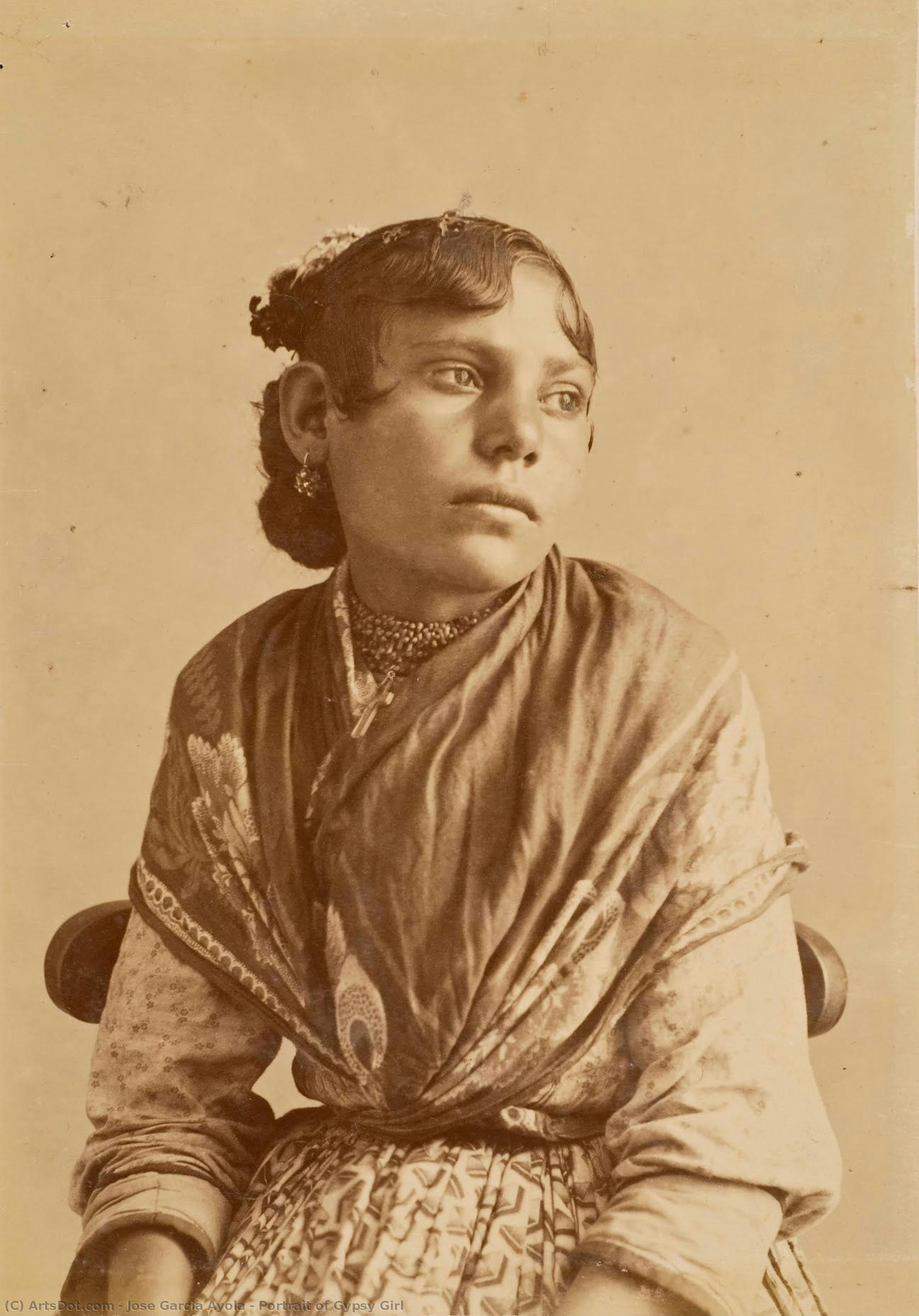
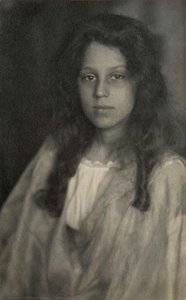
Portrait of Gypsy Girl
 Black and White Photography
- Photo
 1890
1890- 19th Century
 21.0 x 15.0 cm
 Museo Casa de los Tiros de Granada
 Read More
Giclée / Art Print
Museum-quality giclée or canvas print with fast production and flexible finish options. ( Buy Hand Made Painting Buy Image)




































Pick from our preset sizes that match the artwork's original proportions.

You may enter your own dimensions to fit a specific frame or space. If your selected size does not match the original image's proportions, we will either crop the artwork or extend the image with a mirrored or solid-fill edge. A digital mockup will be sent for your approval before production begins.
Please note that the on-screen preview does not reflect the actual cropping or extension. Only the mockup will accurately show the final composition.
While custom sizes are available, we recommend selecting a dimension from the predefined list to preserve the original proportions.
Worldwide Delivery () in 2 weeks instead of standard 4/5 weeks. (31 August)

Free Worldwide Express Shipping

High-Quality Linen Canvas

Full Shipping Insurance

Customs Tax Refund Guarantee

True Color Matching Guarantee

60-Day Return Policy (Defects Only)

100% Money-Back Guarantee

Bulk Discount Offer
 Glass option is only available in size under 110 CM

Portrait of Gypsy Girl
Giclée / Art Print
Reproduction Size
-


Total Price
$ 63
A Glimpse Through the Veils of Time
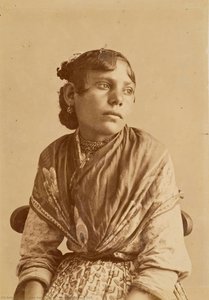
In the hauntingly beautiful Portrait of Gypsy Girl, captured in 1890 by the Spanish master José García Ayola, we are invited to step through a portal into the late nineteenth century. This monochrome masterpiece transcends mere photography, acting instead as a window into a vanished era of Granada. The subject, a young woman of striking presence, gazients toward the viewer with an expression that is both profoundly serious and enigmatically calm. Her attire, rich with the textures of traditional Indian-influenced clothing, speaks to the complex cultural tapestries that flowed through Spain during this period. Every fold of her garment and the meticulous arrangement of her hair, swept back into a disciplined bun, suggests a moment of quiet dignity captured amidst the stillness of a studio setting.
The composition is masterfully balanced, utilizing the stark contrast of black and white to emphasize form and depth. The presence of two chairs—one tucked near the lower corner and another positioned toward the periphery—adds a layer of narrative mystery to the frame. These objects do not merely serve as props; they ground the subject in a tangible, domestic reality, suggesting a space prepared for guests or family, yet leaving the woman alone in her contemplative solitude. The interplay of light and shadow creates a sculptural quality, highlighting the delicate features of her face and the heavy, tactile nature of her traditional dress, making the image feel almost three-dimensional despite its flat, historical medium.
The Legacy of the Marfilotype and Spanish Romanticism
To understand this portrait, one must understand the hand that held the camera. José García Ayola was not merely a photographer but a pioneer of visual storytelling in Granada. His work was deeply rooted in the Romantic movement, an era characterized by an intense emotionality and a reverence for the past. Through his innovative use of techniques like the marfilotype, Ayola possessed a unique ability to manipulate tonal ranges, imbuing his subjects with a soulful, almost ethereal quality. This specific portrait reflects his mastery of light, using the monochromatic palette to strip away the distractions of color, leaving only the raw, emotional essence of the sitter.
For the discerning collector or interior designer, this piece offers more than just historical interest; it provides a profound sense of atmosphere. The artwork carries an inherent weight of nostalgia and elegance, making it a sophisticated addition to any curated space. Whether placed in a room filled with contemporary minimalism—where its vintage textures can act as a striking focal point—or integrated into a classic, richly decorated study, the Portrait of Gypsy Girl commands attention. It is a piece that invites conversation, prompting viewers to wonder about the identity of the girl and the silent stories held within her steady gaze, making it an enduring investment for those who value art that breathes with history.
Related Artworks

Artist Biography
José García Ayola: Granada’s Pioneer of Photographic Portraiture
José García Ayola (1836 – 1900) stands as a pivotal figure in the history of Granada, Spain, and indeed, Spanish photography itself. Born in Granada during the Romantic era, Ayola’s artistic vision was profoundly shaped by the city's rich cultural heritage—particularly its Moorish legacy embodied in the Alhambra palace—and he dedicated his life to documenting this splendor through meticulously crafted photographs. His studio, established around 1860, quickly became a beacon of innovation and artistry within Granada’s burgeoning visual culture.- Early Life & Influences: Ayola's upbringing instilled in him a deep appreciation for craftsmanship and artistic tradition. While biographical details remain somewhat sparse, his training likely encompassed classical drawing techniques—a cornerstone of academic art—providing him with a foundational understanding of composition and tonal manipulation.
- The Art of Marfilotypes: Ayola distinguished himself through his mastery of marfilotype printing, a technique that produced remarkably luminous images using selenium chloride emulsion on albumin paper. This method achieved unparalleled detail and tonal range compared to its contemporaries, allowing Ayola to capture the subtleties of light and shadow with exceptional accuracy—a hallmark of his distinctive style.
- A Visionary Observer: Ayola’s photographic oeuvre transcends mere documentation; it constitutes a poignant portrayal of Granada's daily life. He captured scenes from bustling marketplaces, portraits of prominent citizens – including figures like Chorrojumo – and breathtaking vistas of the Alhambra and its surrounding landscape. His compositions are imbued with an aesthetic sensibility that anticipates Impressionism, prioritizing atmosphere and emotion alongside precise representation.
Notable Achievements & Recognition
Ayola’s commitment to artistic excellence garnered considerable acclaim during his lifetime. He was awarded prizes at the Granada Exhibition of 1875 and 1880, recognizing his technical prowess and artistic vision. Furthermore, he ascended to the prestigious position of Fotógrafo de Cámara by Royal Decree, signifying the monarchy's endorsement of his work and elevating him to a position of considerable influence within Granada’s intellectual circles. His studio was recognized as one of the most influential in Granada alongside Rafael Garzón’s, cementing his legacy as a champion of photographic innovation.- Institutional Patronage: Ayola's photographs found their way into esteemed institutions such as the Patronato de la Alhambra and the Museo de la Casa de los Tiros, safeguarding Granada’s cultural treasures for posterity.
- Legacy & Influence: Today, Ayola’s work continues to inspire admiration for its artistic merit and historical significance. His pioneering use of marfilotype printing established a new standard for photographic realism, while his evocative depictions of Granada solidified his place as one of the city's foremost chroniclers—a testament to his enduring contribution to Spanish art history.
Exploring Ayola’s Artistic Style
Ayola’s artistic style can be characterized by a deliberate blend of realism and decorative sensibility. He eschewed overly stylized compositions, favoring instead carefully considered framing that emphasized the grandeur of Granada's monuments and the dignity of its inhabitants. His studio’s branding—‘Casa Árabe’—reflected this aesthetic ethos, signaling his aspiration to elevate photography beyond mere technical reproduction into a form of artistic expression worthy of royal patronage.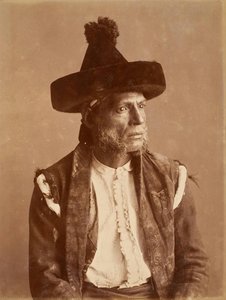
José García Ayola
1836 - 1900 , Spain
Quick Facts
- Artistic Movement Or Style: Marfilotypes
- Date Of Birth: 1836 Granada Spain
- Date Of Death: 1900
- Full Name: José García Ayola
- Nationality: Spanish
- Notable Artworks:
- Portrait of Gypsy Girl
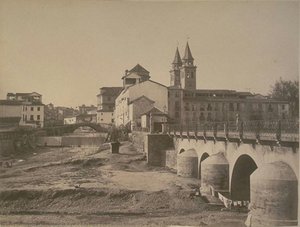
- Bridge over Genil River
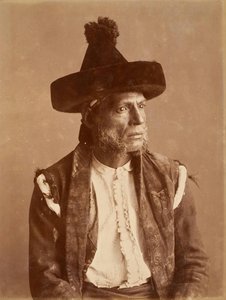
- Portrait of Chorrojumo
- Place Of Birth: Granada Spain
Related Articles
Raja Ravi Varma: Bridging Tradition & Modernity in 19th-Century Indian Art
Explore the life & art of Raja Ravi Varma, a pioneer who fused European techniques with Indian iconography. Discover his iconic paintings, lasting legacy, and influence on modern Indian art at ArtsDot.
Echoes of Time: Nostalgia, Technique & Cultural Significance in Vintage Paintings
Explore the captivating world of vintage paintings! Discover key styles, cultural significance & collecting tips from art experts at ArtsDot. Find authentic reproductions and elevate your home décor.
Echoes of Time: Exploring the Enduring Appeal of Vintage Artwork
Explore the captivating world of vintage art! Discover its history, enduring appeal, & how to build your own collection. Expert advice, custom reproductions & museum-quality prints at ArtsDot.

Echoes of Time: Exploring the Enduring Appeal & Historical Context of Vintage Art Prints
Explore the captivating world of vintage art prints! Discover their history, collecting tips & enduring appeal. Expert insights on chromolithography and building a legacy collection with ArtsDot.

Monochrome Visions: Exploring the Aesthetic & Historical Significance of Black & White Photography
Explore the rich history & artistic power of black and white photography. From early techniques to iconic masters like Ansel Adams, discover why monochrome continues to captivate art lovers today. Expert insights for collectors.