 Send
Send Share
Share
 Details

 Download
 Similars
 Diaporama
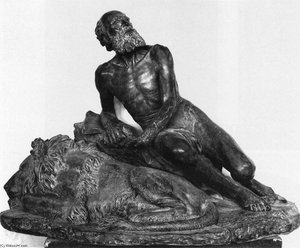
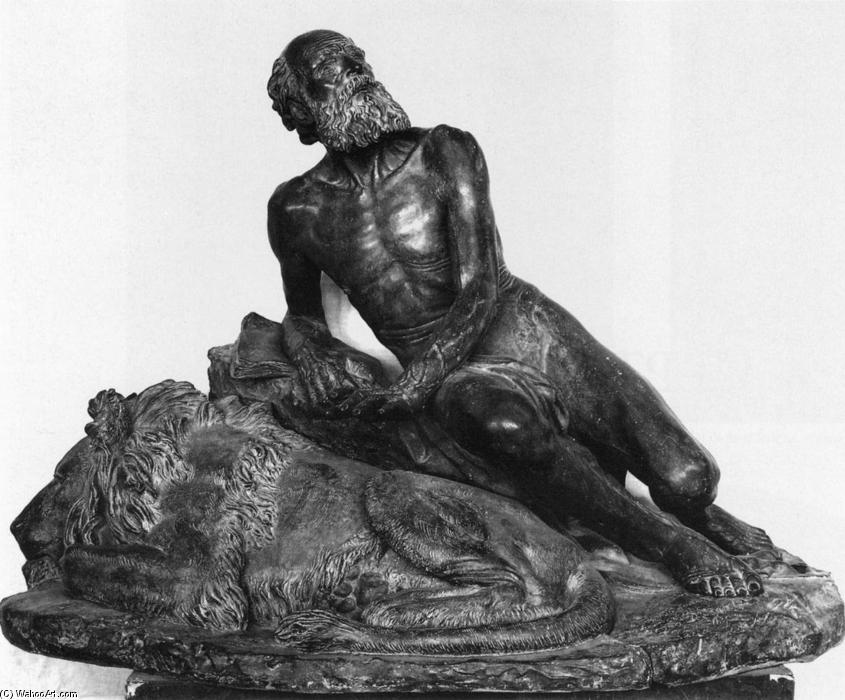
The Penitent Saint Jerome
 Bronze
- Sculpture
- Spanish Baroque
 1844
1844 106.0 x 150.0 cm
 Museo del Prado
 Read More
Hand Made Oil Reproduction
Hand-painted oil on canvas in your size and frame, made to order by our artists. ( Buy Print Buy Image)




































Pick from our preset sizes that match the artwork's original proportions.

You may enter your own dimensions to fit a specific frame or space. If your selected size does not match the original image's proportions, we will either crop the artwork or extend the painting with additional hand-painted elements. A digital mockup will be sent for your approval before production begins.
Please note that the on-screen preview does not reflect the actual cropping or extension. Only the mockup will accurately show the final composition.
While custom sizes are available, we recommend selecting a dimension from the predefined list to preserve the original proportions.
After order, ArtsDot.com team will email client for instructions and provide a mockup preview
Worldwide Delivery () in 3/4 weeks instead of standard 5 weeks. (21 August). No compromise on quality.

Free Worldwide Express Shipping

High-Quality Linen Canvas

Full Shipping Insurance

Customs Tax Refund Guarantee

True Color Matching Guarantee

60-Day Return Policy (Defects Only)

100% Money-Back Guarantee

Bulk Discount Offer
 Glass option is only available in size under 110 CM

The Penitent Saint Jerome
Reproduction Medium
Reproduction Size
-


Total Price
$ 263
Artwork Description
A Soul in Bronze: José Piquer y Duart's "The Penitent Saint Jerome"
Within the hallowed halls of museums and private collections alike, bronze sculptures possess a unique power—a tangible connection to history, artistry, and profound human emotion. José Piquer y Duart’s “The Penitent Saint Jerome,” sculpted in 1844, exemplifies this captivating quality. This striking work, currently residing within the Museo Nacional del Prado's esteemed collection, isn't merely a depiction of a biblical figure; it is an exploration of faith, repentance, and the enduring strength of the human spirit rendered with remarkable skill and sensitivity.
The Figure and His Story
Saint Jerome, a pivotal figure in Christian history as a translator of the Bible and Doctor of the Church, embodies intellectual rigor and spiritual devotion. Piquer’s sculpture portrays him not in scholarly pursuit but in a moment of profound introspection—a penitent posture reflecting his commitment to self-reflection and atonement. The saint is depicted kneeling on one knee, his head bowed in what appears to be fervent prayer or deep contemplation. He wears only a loincloth, a deliberate choice that underscores humility and detachment from worldly possessions, aligning with the ascetic ideals of monastic life. In his right hand, he clutches a stone, poised to strike his breast—a symbolic act of self-flagellation representing repentance for past failings. This gesture is not one of violence but rather a deeply personal expression of sorrow and dedication to spiritual purification.
Romanticism in Bronze: Style and Technique
Piquer’s “The Penitent Saint Jerome” firmly resides within the Romantic artistic movement, a period characterized by emotional intensity, individualism, and a fascination with dramatic narratives. Unlike the Neoclassical emphasis on idealized forms and rational order, Romanticism embraced subjectivity and expressive power. Piquer masterfully translates these ideals into bronze. The sculpture’s surface is textured, bearing the marks of the casting process that contribute to its aged appearance and palpable sense of history. The artist's attention to detail—the rendering of Jerome’s weathered face, the musculature of his body, and the fur texture of the accompanying lion—demonstrates a remarkable technical proficiency. The bronze itself seems to breathe with life, capturing not just the saint’s physical form but also the weight of his spiritual burden.
Symbolism and Narrative
The presence of the lion is integral to understanding the sculpture's symbolism. In Christian iconography, lions often represent courage, strength, and divine protection—qualities associated with Saint Jerome himself. The lion’s posture – lying down beside Jerome in a gesture of quiet companionship – suggests not just loyalty but also a spiritual bond between man and beast, reflecting the saint’s dominion over his earthly desires through faith. The background is deliberately plain, drawing all attention to the figure and amplifying the emotional impact of his solitary contemplation. The entire composition tells a story—a narrative of repentance, devotion, and the enduring power of faith in the face of adversity.
An Enduring Legacy
José Piquer y Duart’s “The Penitent Saint Jerome” is more than just a beautiful sculpture; it's a powerful testament to the human capacity for introspection and spiritual growth. It stands as a significant work within Spanish Baroque art, demonstrating Piquer’s mastery of technique and his ability to convey profound emotion through bronze. Whether viewed in a museum setting or gracing a private home, this sculpture continues to resonate with audiences, inviting contemplation on themes of faith, humility, and the enduring search for meaning.
Related Artworks
Artist Biography
A Legacy Carved in Bronze and Spirit
Born into a lineage of artistic excellence in Valencia, Spain, José Piquer y Duart (1806–1871) was destined to become a master of form and emotion. As the son of José Piquer, the esteemed director of the Real Academia de Bellas and San Carlos, the young sculptor was immersed from birth in the rich traditions of Valencian Baroque art. This early exposure provided him with more than just technical training; it instilled a profound reverence for the sculptural prowess that had defined his family's legacy. His formative years were characterized by an unwavering dedication to mastering the intricate techniques of his era, blending the classical rigor of his heritage with an emerging sense of individual expression.
The trajectory of Piquer’s life was significantly altered by his extensive travels, which transformed him from a regional talent into a cosmopolitan artist. Beginning in 1836, his journeys took him across the Atlantic to Mexico and the United States, eventually leading him to the cultural heart of Europe: Paris. It was within the vibrant atmosphere of the French capital that Piquer encountered the burgeoning currents of Romanticism. Immersed in an era defined by the expressive dynamism of Eugène Delacroix and the emotional depth found in the compositions of Frédéric Chopin, his work began to absorb a new, soulful intensity. This period of wandering allowed him to bridge the gap between the structured traditions of the Spanish Baroque and the emotive, subjective power of the Romantic movement.
Mastery of Form and Devotion
Upon returning to Madrid in 1841, Piquer ascended to a position of significant academic influence, serving as the Director of Sculpture at the Academia de San Fernando. This role allowed him to shape the next generation of Spanish sculptors while simultaneously securing his own place within the highest echelons of the art world. His reputation was further solidified through prestigious royal commissions, most notably from Isabella II, Queen of Spain, whose patronage reflected his status as a premier artist of the Spanish court.
Piquer’s sculptural output is perhaps best exemplified by his ability to breathe life into cold materials, creating works that resonate with spiritual and historical weight. His masterpiece, The Penitent Saint Jerome (1844), currently held in the prestigious Museo Nacional del Prado, serves as a profound testament to his skill. In this bronze work, Piquer moves beyond mere anatomical accuracy to explore the depths of human repentance. The sculpture captures the saint in a moment of intense introspection, kneeling with a stone poised against his breast—a symbolic gesture of self-flagellation and spiritual purification. Through a masterful command of texture and the dramatic interplay of light and shadow, reminiscent of chiaroscuro, Piquer renders the weight of faith and the vulnerability of the human spirit.
Beyond his religious subjects, Piquer’s commitment to commemorating history is evident in his monumental undertakings, such as the tomb of General Francisco Espoz Mina in the Pamplona Cathedral. Whether working on grand public monuments or intimate, detailed smaller pieces, his artistry remained consistent in its pursuit of excellence. His legacy remains a vital chapter in 19th-century Spanish art, representing a unique intersection where the disciplined techniques of the Baroque met the passionate, searching heart of Romanticism.
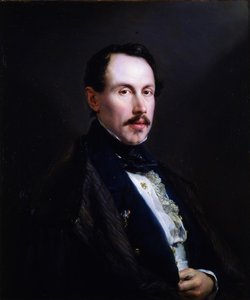
josé piquer y duart
1806 - 1871 , Spain
Quick Facts
- Artistic Movement Or Style: Spanish Baroque Painting
- Artists Who Influenced This Artist:
- José Benedito Vives
- Juan de Valdés Leal
- Francisco de Zurbarán
- Date Of Birth: 1806 Valencia Spain
- Date Of Death: 1871 Madrid Spain
- Full Name: José Piquer y Duart
- Nationality: Spanish
- Notable Artworks: ['The Penitent Saint Jerome']
- Place Of Birth: Valencia Spain
Related Articles

Goya's Masterpieces: Explore 25 Iconic Paintings & Art Prints | ArtsDot
Delve into the world of Francisco Goya with ArtsDot. Explore 25 iconic paintings – from 'The Third of May' to his haunting Black Paintings. Discover the stories, techniques & emotions behind these Spanish masterpieces. Find museum-quality art reproductions for your home at ArtsDot.com!
Discover the Divine: Inspiring Saint Anthony Artworks to Elevate Your Home Decor
Transform your home with the profound beauty of Saint Anthony artworks. Explore exquisite Baroque reproductions by Murillo and Zurbarán, hand-painted on 100% cotton canvas to bring divine serenity and timeless elegance to your interior design.
José Clemente Orozco: A Revolutionary Vision of Mexican Muralism & the Human Condition
Explore the powerful world of José Clemente Orozco, a key figure in Mexican Muralism. Discover his revolutionary art, social commentary, and lasting impact on 20th-century painting. Learn about his unique style & legacy.
José Gutiérrez Solana: A Chronicle of Spanish Society Through Expressionist Vision
Explore the captivating world of José Gutiérrez Solana, a pivotal Spanish Expressionist painter. Discover his haunting depictions of early 20th-century Spain, influenced by Goya & El Greco. Learn about his key works and lasting legacy.
José Mongrell Torrent: A Study of Catalan Modernism's Intimate Landscapes & Artistic Voice
Explore the captivating world of José Mongrell Torrent, a key figure in Catalan Modernism. Discover his intimate landscapes, portraiture mastery & influence from Sorolla. Learn about this Spanish Impressionist's legacy.