

 Preview
 Send
Send Share
Share
 Details

 Download
 Similars
 X-Ray
X-Ray Diaporama
Beethoven
 Acrylic On Canvas
- WallArt
- Romantic Movement
 1827
1827 42.0 x 34.0 cm
 Beethoven-Haus Bonn
 Read More
Purchase a high-resolution, enhanced digital image, far superior to the online preview.
Each file is meticulously prepared by our in-house specialists using advanced tools and expert manual retouching. We ensure every image has exceptional clarity, precise color accuracy, and fine detail.
The final file is delivered via email within 72 hours, optimized for immediate use in professional, editorial, and print environments. This is the same quality trusted by top-tier design studios, publishers, and galleries.
Digital Image
Download a high-resolution file for personal display, printing, and creative projects. ( Buy Print Buy Hand Made Painting)
Included in Every Digital Image Order
Expert Digital Delivery, Guaranteed
When you choose ArtsDot.com, you're not just getting an image - you're receiving a professionally enhanced digital artwork, crafted with precision and backed by a satisfaction guarantee. Here's everything that comes with your order, automatically:

Fast Email Delivery
Your high-resolution digital image file will be emailed to you within 72 hours of ordering - ready for immediate use.

AI-Enhanced Digital File
Your artwork is professionally optimized using advanced AI tools and manual editing, ensuring maximum detail, clarity, and color accuracy.

Free Lifetime Re-Delivery
Accidentally deleted or lost your file? No worries - we'll resend it to you anytime, free of charge.

No Import Fees - Ever
Enjoy your artwork instantly with zero customs, duties, or delivery fees - digital downloads are always tax-free.

Color Accuracy Guarantee
We ensure your digital image reflects the original colors as closely as possible using professional tools and color management.

60-Day Satisfaction Guarantee
If you're not satisfied with your digital image, we'll revise it or refund 100% within 60 days - no questions asked.

100% Money-Back Guarantee
Not satisfied? Get a full refund within 60 days of receiving your digital file - no questions asked.

Bulk Order Discounts
Buy 3 images, save 10% - Buy 5, save 15% - Buy 10+, save 20%. Great for creative projects, galleries, and agencies.
Collectible Description
A Portrait of Genius: Josef Franz Danhauser’s Beethoven
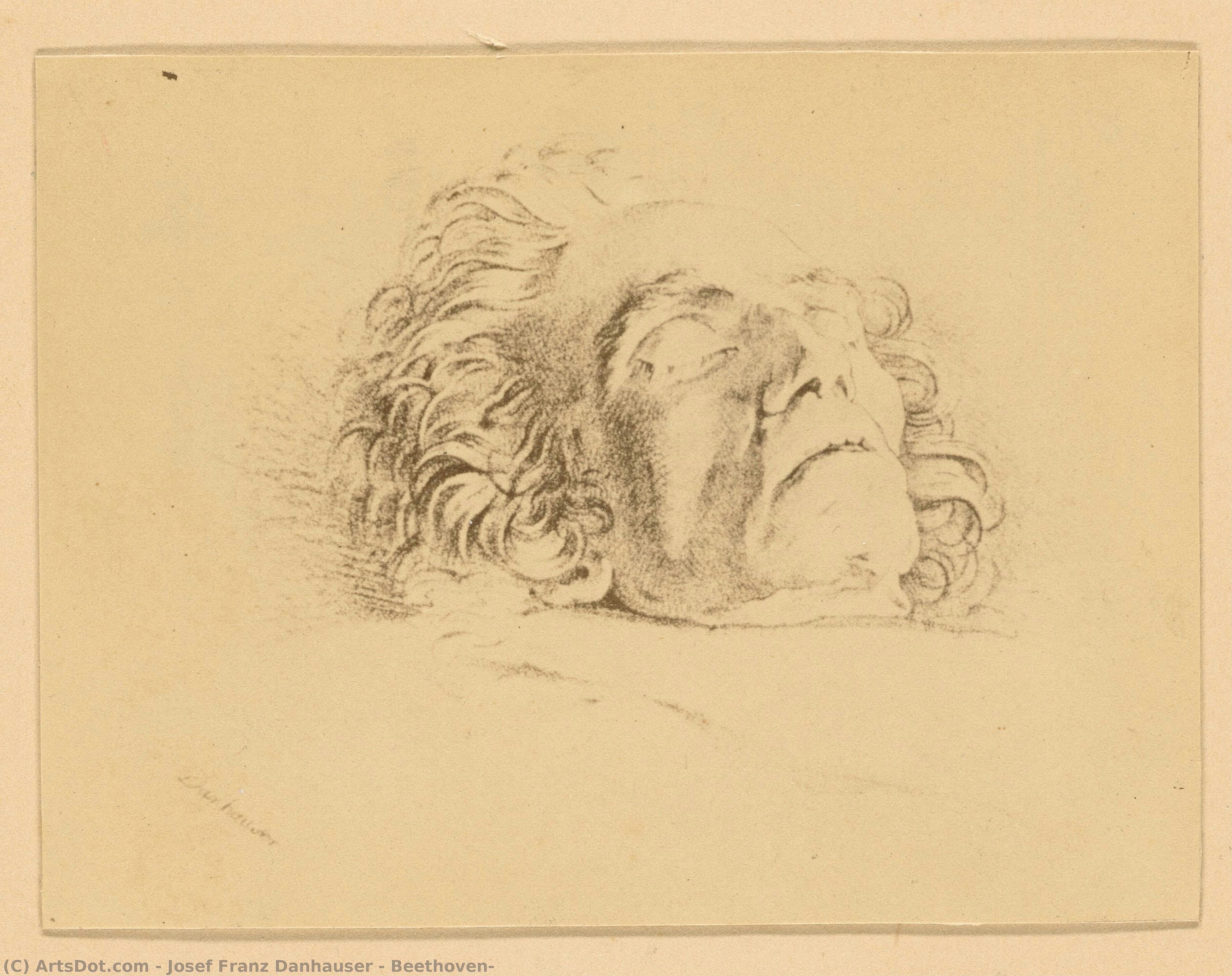
The painting “Beethoven,” executed in 1827 by Austrian artist Josef Franz Danhauser, transcends mere representation; it embodies the spirit of Romanticism itself. Captured in stark black and white, this intimate portrait offers a glimpse into the artistic sensibilities of its time—a period defined by an obsession with emotion, imagination, and the sublime beauty of nature. It’s a piece that speaks volumes about both the artist's skill and the cultural milieu from which it emerged.Subject Matter and Composition
At first glance, the artwork presents a straightforward depiction of Ludwig van Beethoven’s head—a figure revered as one of music’s greatest composers. Danhauser skillfully captures the solemn dignity of Beethoven’s countenance, emphasizing his furrowed brow and intense gaze. The artist's meticulous attention to detail is evident in the rendering of Beethoven’s beard, meticulously shaded to convey texture and depth. Crucially, the composition isn’t merely about capturing a likeness; it’s framed against a subtly textured wall adorned with a clock and a vase—elements that serve as anchors for the viewer’s eye and contribute to the overall atmosphere of contemplative seriousness.Style and Technique: Romantic Impressionism
Danhauser's approach aligns closely with Romantic Impressionism, a movement characterized by its focus on capturing fleeting moments of emotion and sensation rather than striving for photographic accuracy. Unlike academic portraiture prevalent during Beethoven’s lifetime, Danhauser eschews idealized beauty in favor of conveying psychological depth. The artist employs tonal shading—a technique championed by Rembrandt and utilized extensively throughout the Romantic era—to sculpt the form of Beethoven's head with remarkable subtlety. Light plays a vital role, highlighting contours and creating areas of shadow that imbue the portrait with an aura of melancholy and introspection. This masterful manipulation of light contributes significantly to the artwork’s emotional resonance.Historical Context: The Echoes of Romantic Idealism
Created in 1827, “Beethoven” reflects the broader artistic currents of its time—a period marked by a fervent belief in human potential and an appreciation for the grandeur of the natural world. Beethoven himself was already a symbol of artistic genius and moral fortitude, representing the Romantic ideal of the heroic artist wrestling with profound existential questions. Danhauser’s decision to portray Beethoven in such a contemplative pose underscores this preoccupation with inner turmoil and spiritual contemplation—themes central to Romantic literature and philosophy. The painting stands as testament to the movement's conviction that art could illuminate the human condition and inspire moral upliftment.Symbolism: Silence and Reflection
The inclusion of the clock and vase within the background is laden with symbolic significance. The clock represents time, inevitably passing and bearing witness to life’s unfolding drama—a concept deeply ingrained in Romantic thought. Simultaneously, the vase symbolizes stillness and contemplation, mirroring Beethoven's gaze and inviting viewers to pause and reflect on the profound questions posed by artistic creation. Together, these elements reinforce the portrait’s overarching message: a celebration of intellect, emotion, and the enduring power of introspection.Emotional Impact: A Window into Beethoven’s Soul
Ultimately, “Beethoven” succeeds in conveying an arresting emotional impression—one of quiet dignity, profound melancholy, and unwavering concentration. Danhauser's skillful rendering captures not just Beethoven’s physical appearance but also his inner spirit, inviting viewers to contemplate the complexities of genius and the enduring legacy of Romantic idealism. It remains a compelling artwork for those seeking inspiration or desiring a beautifully crafted reproduction that honors the artistic achievements of its era.Related Artworks
Artist Biography
Charles Gough: A Romantic Martyr of the Lake District
The story of Charles Gough is a haunting one, inextricably linked to the dramatic beauty and perilous landscapes of the English Lake District. Born in 1784, Gough was an artist whose talent, tragically, was cut short by a fatal encounter with the unforgiving terrain of Helvellyn in April 1805. While his life remains shrouded in mystery—a lack of extensive documentation contributing to the enduring fascination surrounding his death—his brief career as a landscape painter reveals a sensitivity and evocative style that aligns him firmly within the burgeoning Romantic movement.
Gough’s early years were marked by a somewhat unconventional upbringing. He was apprenticed to a local artist, likely in Manchester, where he honed his skills before venturing into the wilds of Cumbria. His decision to undertake a solitary walk across Helvellyn, a notoriously challenging peak, is itself intriguing. Accounts suggest he was commissioned to create a study of the area for another artist, but his adventurous spirit and perhaps a desire for independent exploration led him to embark on this risky expedition. The circumstances surrounding his death—discovered skeletal with his dog Foxie guarding his remains – fueled speculation and romanticized notions of a tragic hero sacrificed to the grandeur of nature. The discovery of his possessions – fishing tackle, a gold watch, silver pencil, and two glasses – further added to the mystique, suggesting a man prepared for both artistic pursuits and solitary adventure.
Influences and Artistic Style
Gough’s work demonstrates a clear debt to earlier landscape painters, particularly those who embraced the sublime qualities of nature. His style is characterized by a delicate handling of watercolor, capturing the atmospheric conditions and subtle shifts in light that define the Lake District's ethereal beauty. While his output was limited—only a handful of known works survive—they reveal an artist deeply attuned to the emotional resonance of the landscape. There’s a certain melancholy and introspection present in his compositions, reflecting perhaps the isolation and vulnerability experienced by a solitary traveler amidst such vastness.
Interestingly, Gough's work shares stylistic similarities with Jean-Baptiste Greuze, a prominent French painter known for his sentimental genre scenes. Both artists focused on capturing human emotion within domestic settings, albeit in vastly different landscapes. The influence of Dutch Golden Age landscape painting is also evident in Gough’s compositions—a tradition emphasizing atmospheric perspective and the depiction of natural beauty.
A Legacy Forged in Tragedy
Despite his tragically short life, Charles Gough's death quickly transformed him into a Romantic icon. The sensational details surrounding his discovery – the skeletal remains, the loyal dog guarding the body – captivated the public imagination and fueled numerous poems, ballads, and artistic interpretations. Artists like William Blake created engravings based on the story, solidifying Gough’s image as a martyr to the beauty and danger of nature. This romanticized narrative served to elevate his brief career, transforming him from an unknown artist into a symbol of Romantic ideals – courage, solitude, and the sublime power of the natural world.
The enduring fascination with Gough's story speaks to our continuing attraction to tales of tragic heroes and the allure of wild landscapes. His fate serves as a poignant reminder of the risks inherent in pursuing artistic vision and the profound connection between humanity and the environment.
Connections to Other Artists
- William Blake: Blake’s engravings based on Gough's story are a direct reflection of the Romantic fascination with his fate.
- Jean-Baptiste Greuze: Shared interest in capturing human emotion within domestic settings, though in vastly different landscapes.
- Henry Fuseli: Both artists explored themes of darkness, the supernatural, and the power of nature – although Fuseli’s work is more overtly fantastical.
Gough's legacy endures not through a substantial body of work, but through the enduring myth surrounding his death—a testament to the Romantic sensibility’s fascination with tragedy, beauty, and the untamed wilderness.
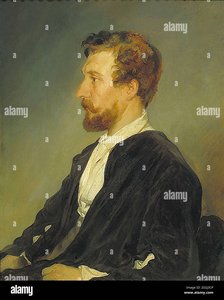
josef franz danhauser
1805 - 1845 , Austria
Quick Facts
- Artistic Movement Or Style: Romanticism
- Artists Who Influenced This Artist: ['None],\n "Artists or movements influenced by this artist": [Jean-Baptiste Greuze']
- Date Of Birth: 1784
- Date Of Death: April 1805
- Full Name: Charles Gough
- Nationality: British
- Notable Artworks:
- Striding Edge
- Helvellyn
- Place Of Birth: Manchester, England

