 Preview
 Send
Send Share
Share
 Details

 Download
 Similars
 X-Ray
X-Ray Diaporama
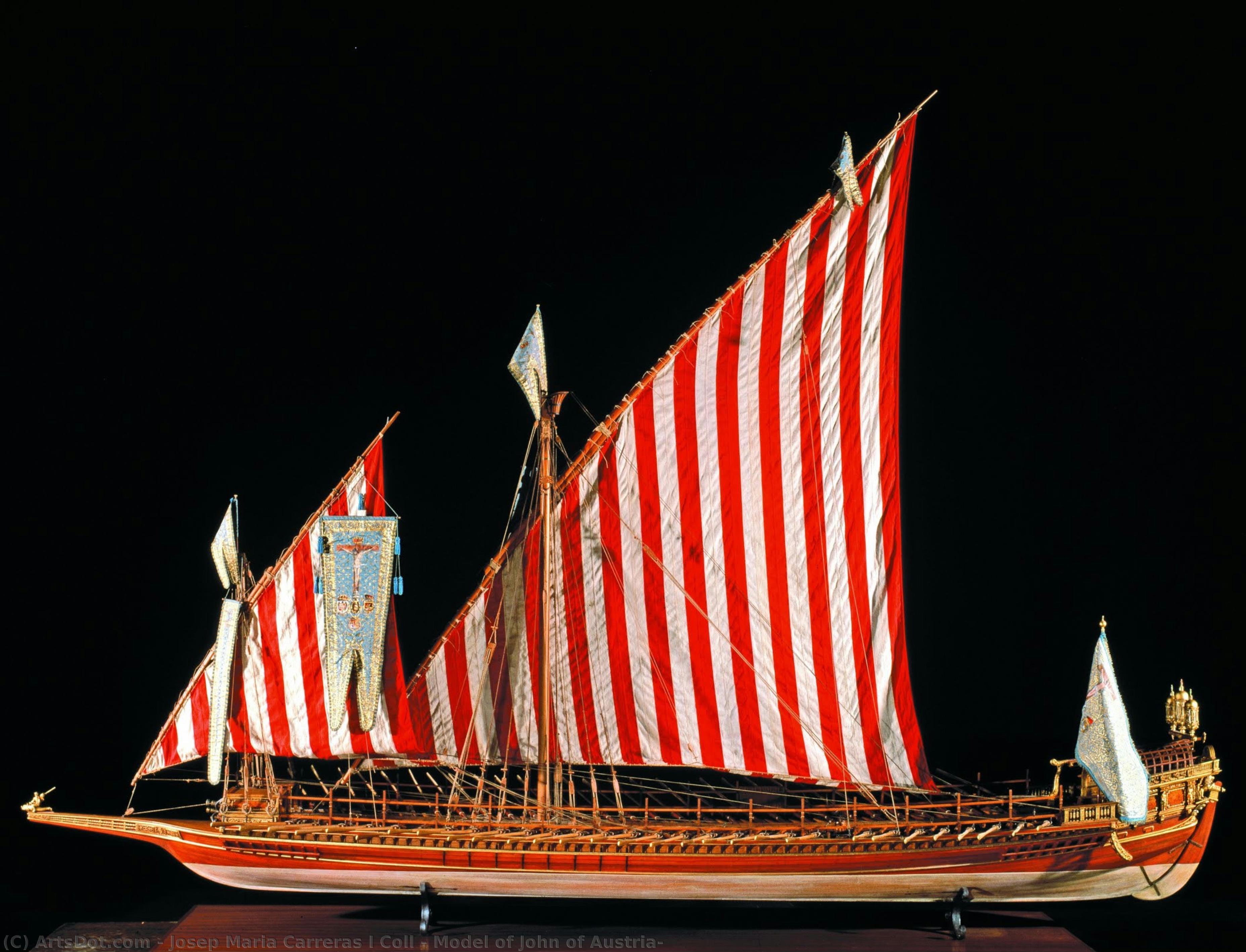
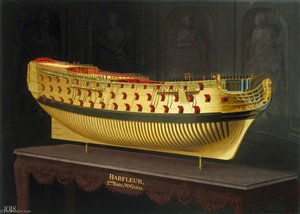
Model of John of Austria
 Painting
- Contemporary Realism
 Early Modern
 229.0 x 299.0 cm
 Maritime Museum of Barcelona
 Read More
Giclée / Art Print
Museum-quality giclée or canvas print with fast production and flexible finish options. ( Buy Hand Made Painting Buy Image)




P118B $10

P118H $10

P118W $10

P438Z $10

P508JH $12

P508YH $12

P805H $10

P805Z $10

P919BZ $10

P919G $10

P919XJ $10

P959ZH $10

P968JZ $12

W106C $8

W218G $10

W218JH $8

W218Y $10

W307PJ $10

W316G $10

W316PJ $8

W316Y $10

W398PJ $8

W4111J $10

W500HY $15

W500JH $15

W692G $12

W849H $8

W940BG $15

W953PJ $8




Pick from our preset sizes that match the artwork's original proportions.

You may enter your own dimensions to fit a specific frame or space. If your selected size does not match the original image's proportions, we will either crop the artwork or extend the image with a mirrored or solid-fill edge. A digital mockup will be sent for your approval before production begins.
Please note that the on-screen preview does not reflect the actual cropping or extension. Only the mockup will accurately show the final composition.
While custom sizes are available, we recommend selecting a dimension from the predefined list to preserve the original proportions.
Worldwide Delivery () in 2 weeks instead of standard 4/5 weeks. (30 August)

Free Worldwide Express Shipping

High-Quality Linen Canvas

Full Shipping Insurance

Customs Tax Refund Guarantee

True Color Matching Guarantee

60-Day Return Policy (Defects Only)

100% Money-Back Guarantee

Bulk Discount Offer
 Glass option is only available in size under 110 CM

Model of John of Austria
Giclée / Art Print
Reproduction Size
-


Total Price
$ 63
A Voyage Through Time: The Majesty of the Admiral’s Vessel
In the breathtaking canvas of Model of John of Austria, the viewer is not merely observing a painting, but is instead transported to the pivotal moment of October 7th, 1571. This evocative work captures the essence of the Admiral’s vessel, the flagship of the Holy League, as it prepared to engage the Turkish squadron at the legendary Battle of Lepanto. The artist, Josep Maria Carreras i Coll, masterfully recreates a scene of maritime grandeur, where the rhythmic dance of red and white sails against the sea serves as a silent herald of the historical storm to come. Through meticulous brushwork, the painting breathes life into the long masts and complex rigging, inviting us to feel the salt spray and the tension of an era defined by naval supremacy and the clash of empires.
The composition is a triumph of maritime storytelling, blending technical precision with an atmospheric soul. The sails, billowing with a sense of purposeful motion, dominate the visual field, their vibrant hues providing a striking contrast to the deep, churning waters. Within this vast seascape, the presence of two figures—one positioned near the bow and another further aft—adds a profound human dimension to the monumental scale of the ship. These solitary souls serve as anchors for our empathy, reminding us that behind the grand movements of history and the heavy timber of warships, there were individuals caught in the currents of destiny. The technique employed by Carreras i Coll captures the light reflecting off the waves and the intricate textures of the wood and canvas, creating a sense of depth that pulls the observer into the heart of the Mediterranean.
For the discerning collector or interior designer, this piece offers more than just aesthetic beauty; it provides a window into the spirit of Catalan and European heritage. The painting is a tribute to the rigorous historical research conducted at the Museu Marítim de Barcelona, representing a decade of scholarly devotion to reconstructing the true likeness of this legendary vessel. As an art piece, it functions as a powerful focal point in any sophisticated space, evoking themes of resilience, exploration, and the enduring legacy of the Holy League. Whether placed in a library of historical volumes or as a centerpiece in a contemporary salon, the Model of John of Austria commands attention, offering a timeless elegance that celebrates the intersection of maritime history and fine artistic mastery.
Related Artworks

Artist Biography
José Carreras: A Voice of Catalonia and a Beacon of Hope
José Maria Carreras Coll, born in Barcelona in 1946, is more than just an operatic tenor; he’s a cultural icon inextricably linked to the soul of Catalonia. His journey from a modest childhood in Sants to international acclaim as one of “The Three Tenors” – alongside Luciano Pavarotti and Plácido Domingo – represents not only extraordinary vocal talent but also a profound dedication to music, philanthropy, and his homeland. Carreras’s life story is interwoven with the rich tapestry of Catalan identity, reflecting both its artistic heritage and its enduring spirit of resilience. From an early age, Carreras demonstrated a remarkable musical aptitude. At just eight years old, he captivated audiences on Spanish National Radio with a rendition of “La donna è mobile,” accompanied by the piano of Magda Prunera – a performance that remains a cherished recording, offering a glimpse into his nascent talent and innate charisma. This early exposure ignited a lifelong passion, nurtured through rigorous training at the Conservatori Superior de Música del Liceu and further refined by private lessons. His father and brother, recognizing his potential, wisely steered him towards a “backup” career in chemistry – a testament to their foresight and understanding of the demanding path ahead. However, Carreras’s heart remained firmly fixed on the stage, ultimately abandoning university studies to pursue his operatic dreams with unwavering determination. Carreras's professional debut at Barcelona’s Gran Teatre del Liceu in 1958 as Trujamán in Manuel de Falla’s *El retablo de Maese Pedro* marked a pivotal moment. This early role, demanding both technical precision and dramatic interpretation, established the foundation for his future success. Throughout his teenage years, he continued to hone his craft, absorbing the wisdom of mentors like Montserrat Caballé, who recognized his exceptional voice and guided him toward international recognition. The 1990s witnessed a remarkable surge in Carreras’s popularity as one of “The Three Tenors,” a collaborative venture that brought opera to a global audience, transcending language barriers and captivating millions with their combined artistry. These concerts weren't merely performances; they were cultural events, solidifying Carreras’s place as a leading figure in the world of classical music.A Voice Forged in Adversity: Recovery and Philanthropy
Carreras’s life took an unexpected turn in 1987 when he was diagnosed with leukemia. The diagnosis brought him face-to-face with mortality, forcing a period of intense reflection and ultimately leading to a profound shift in his priorities. Following a grueling bone marrow transplant and chemotherapy regimen, Carreras made a triumphant recovery – a testament to the human spirit’s capacity for resilience. This experience profoundly shaped his outlook on life, inspiring him to dedicate himself to humanitarian work. In 1988, he established the José Carreras International Leukemia Foundation, an organization dedicated to raising awareness and funding research into leukemia treatments. The foundation has become one of the most successful charities in Spain, providing vital support to patients and families affected by this devastating disease. Carreras’s personal battle with cancer transformed him from a celebrated performer into a compassionate advocate, embodying the values of empathy and service.A Repertoire Rooted in Catalan Tradition
While Carreras achieved international acclaim across a diverse repertoire, his performances consistently showcased a deep connection to Catalan musical traditions. His early work with Manuel de Falla’s *El retablo de Maese Pedro* established a lifelong affinity for the composer's evocative melodies and dramatic storytelling. He embraced roles that celebrated Catalan identity, including Flavio in Bellini’s *Norma*, Gennaro in Verdi’s *Lucrezia Borgia*, and of course, his iconic portrayal of Trujamán – a role that continues to evoke memories of his early career. Carreras's interpretations were characterized by a rich, resonant voice, imbued with both power and sensitivity, perfectly suited to the demanding demands of these operatic masterpieces. His commitment to preserving and promoting Catalan musical heritage is a testament to his deep-seated pride in his cultural roots.Beyond the Stage: Legacy and Influence
José Carreras’s impact extends far beyond the concert hall and opera house. He has performed over 60 roles, earning numerous accolades and awards throughout his illustrious career. However, it is perhaps his humanitarian work that truly defines his legacy. The José Carreras International Leukemia Foundation stands as a powerful symbol of hope for countless individuals and families affected by this disease. His unwavering dedication to philanthropy has earned him widespread recognition and respect, solidifying his position as one of Spain’s most admired cultural figures. Carreras continues to perform and advocate for the foundation's mission, ensuring that his voice – both musical and compassionate – will continue to inspire generations to come. His story is a reminder that true artistry encompasses not only technical skill but also a profound commitment to making a positive difference in the world.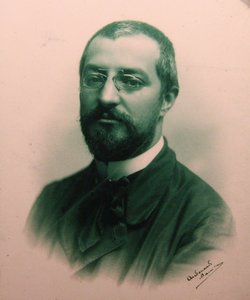
josep maria carreras i coll
1946 - , Spain
Quick Facts
- Artistic Movement Or Style: Operatic tenor
- Artists Or Movements Influenced By This Artist:
- Donizetti
- Verdi
- Puccini
- Artists Who Influenced This Artist:
- Mario Lanza
- Manuel de Falla
- Date Of Birth: December 5, 1946
- Full Name: Josep Maria Carreras i Coll
- Nationality: Spanish
- Notable Artworks:
- El retablo de Maese Pedro
- Norma
- Lucrezia Borgia
- Tosca
- Madama Butterfly
- Place Of Birth: Barcelona, Spain
Related Articles

White on Canvas: 10 Masterpieces & Timeless Elegance for Your Home Decor
Explore 10 iconic white paintings by Monet, Whistler & Rothko! Discover the stories behind these serene masterpieces and their impact on art history. Find museum-quality reproductions for your home decor at .

Shipping & Returns
APS delivers expert worldwide art shipping with museum-grade care, full tracking, and a 30-day money-back guarantee. From customs support to Priority Production, trust transparent service, secure packaging, and reliable delivery for collectors, designers, and galleries.

Crimson Threads of Narrative: Exploring Symbolism & Representation in Artworks Featuring the Red Dress
Explore the rich symbolism of the red dress in art history! From ancient power displays to iconic portraits like Cézanne’s 'Madame Cezanne', discover the cultural and artistic significance behind this captivating color. Expert analysis & insights.

Mark Rothko's Masterpieces: 25 Paintings That Define Abstract Expressionism | ArtsDot
Explore 25 iconic Mark Rothko paintings that define Abstract Expressionism. Discover the stories, colors & emotions behind these masterpieces. Find museum-quality art reproductions and curated decor ideas at ArtsDot.com.

The Subtleties of White: Exploring Absence, Light & Symbolism in Art History
Explore the profound symbolism & history of white in art! From ancient purity to modern abstraction, discover how artists have used absence & light. Expert insights from ArtsDot.