 Preview
 Send
Send Share
Share
 Details

 Download
 Similars
 X-Ray
X-Ray Diaporama
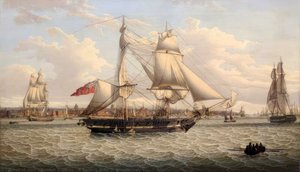
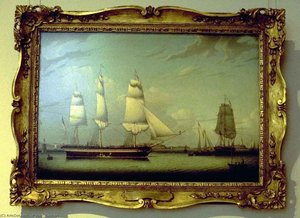
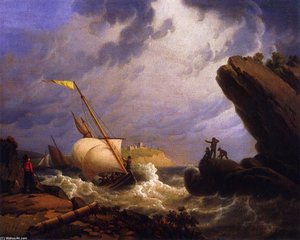
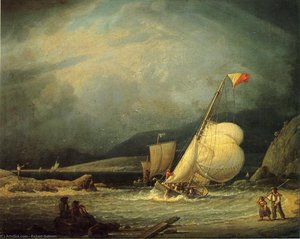
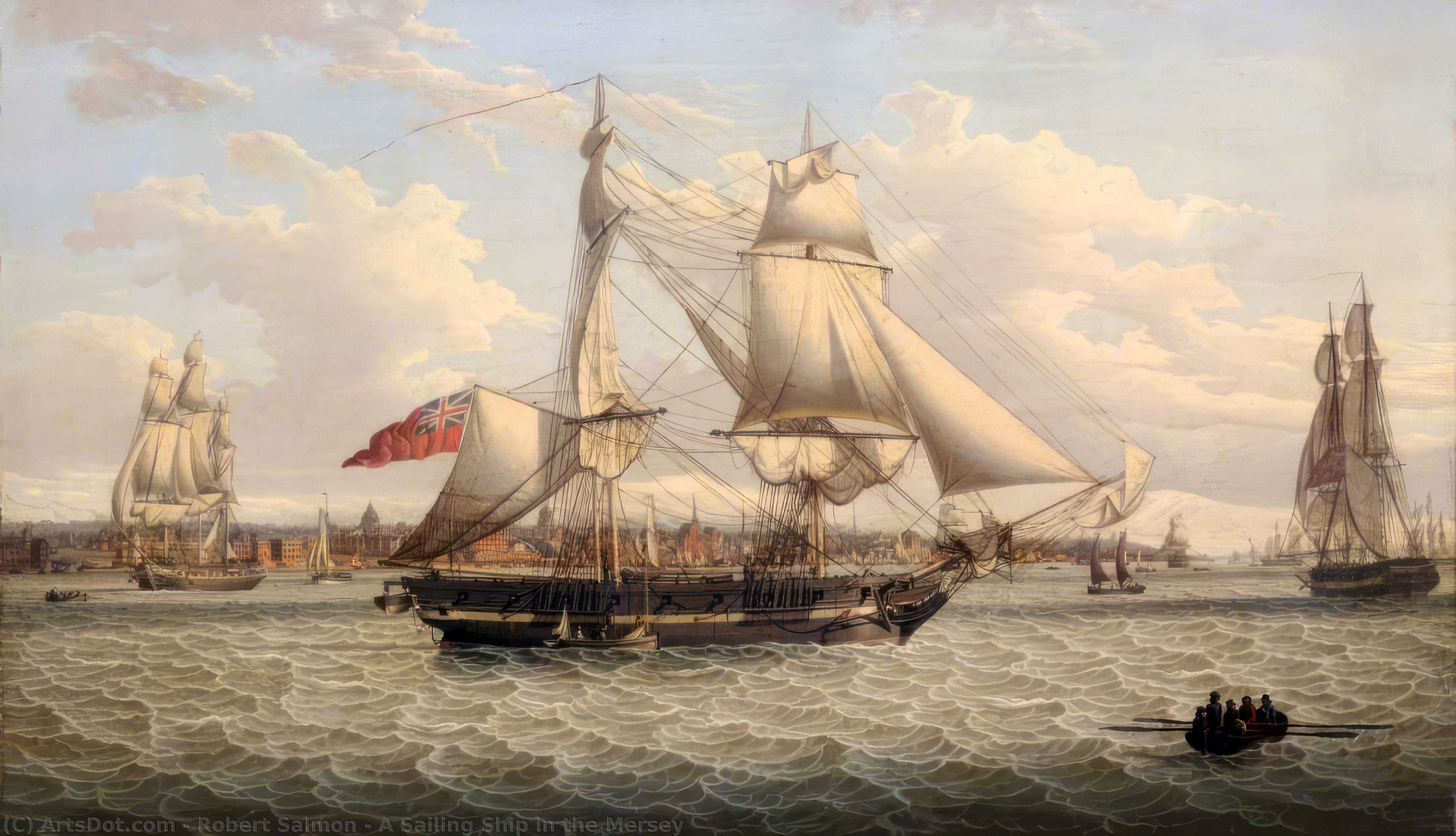
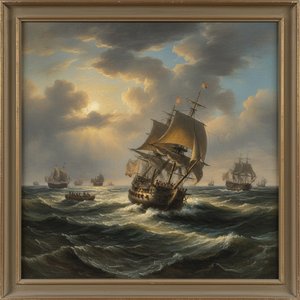
A Sailing Ship in the Mersey
 Oil On Canvas
- WallArt
- Luminist Realism
 1811
1811 53.0 x 76.0 cm
 Walker Art Gallery
 Read More
Hand Made Oil Reproduction
Hand-painted oil on canvas in your size and frame, made to order by our artists. ( Buy Print Buy Image)




P118B $10

P118H $10

P118W $10

P438Z $10

P508JH $12

P508YH $12

P805H $10

P805Z $10

P919BZ $10

P919G $10

P919XJ $10

P959ZH $10

P968JZ $12

W106C $8

W218G $10

W218JH $8

W218Y $10

W307PJ $10

W316G $10

W316PJ $8

W316Y $10

W398PJ $8

W4111J $10

W500HY $15

W500JH $15

W692G $12

W849H $8

W940BG $15

W953PJ $8




Pick from our preset sizes that match the artwork's original proportions.

You may enter your own dimensions to fit a specific frame or space. If your selected size does not match the original image's proportions, we will either crop the artwork or extend the painting with additional hand-painted elements. A digital mockup will be sent for your approval before production begins.
Please note that the on-screen preview does not reflect the actual cropping or extension. Only the mockup will accurately show the final composition.
While custom sizes are available, we recommend selecting a dimension from the predefined list to preserve the original proportions.
After order, ArtsDot.com team will email client for instructions and provide a mockup preview
Worldwide Delivery () in 3/4 weeks instead of standard 5 weeks. (16 August). No compromise on quality.

Free Worldwide Express Shipping

High-Quality Linen Canvas

Full Shipping Insurance

Customs Tax Refund Guarantee

True Color Matching Guarantee

60-Day Return Policy (Defects Only)

100% Money-Back Guarantee

Bulk Discount Offer
 Glass option is only available in size under 110 CM

A Sailing Ship in the Mersey
Reproduction Medium
Reproduction Size
-


Total Price
$ 263
Artwork Description
Robert W. Salmon’s “A Sailing Ship in the Mersey”: A Window Into Luminist Realism
Robert W. Salmon’s “A Sailing Ship in the Mersey,” completed in 1811, stands as a testament to the burgeoning Romantic era's fascination with maritime landscapes and its embrace of Luminist realism – a style characterized by luminous tonal gradations and an emphasis on capturing atmospheric conditions rather than meticulous detail.
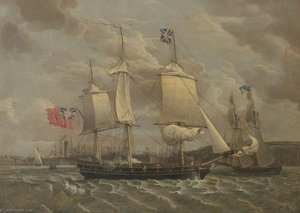
The painting depicts a sizable sailing vessel navigating the Mersey Estuary near Liverpool, Salmon’s adopted home. The scene unfolds with remarkable clarity, bathed in diffused sunlight that renders the water surface shimmering with reflected light—a hallmark of Luminist painters like Frederic Church and Asher Durand who sought to emulate the Impressionists' pursuit of capturing fleeting moments of natural beauty.
- Subject Matter: Salmon expertly portrays a naval ship engaged in its voyage, reflecting Liverpool’s prominent role as a major port city during the Napoleonic Wars.
- Style & Technique: Salmon employed oil paint on canvas with masterful brushwork—loose yet controlled—to achieve an ethereal quality. The artist skillfully blended colors to create subtle tonal variations that convey the mood of the day, prioritizing atmospheric perspective and capturing the interplay between light and shadow.
- Historical Context: Created during a period of significant maritime expansion and national pride, “A Sailing Ship in the Mersey” embodies the spirit of British seafaring prowess and artistic ambition. Salmon’s work aligns with broader trends in European art—particularly Dutch marine painting—which championed idealized depictions of nature and heroic narratives of exploration.
- Symbolism: The ship itself symbolizes power, navigation, and connection to distant lands – themes prevalent in Romantic literature and art. Its presence within the Mersey Estuary underscores Liverpool’s importance as a gateway to global commerce and cultural exchange.
Salmon's influence extended beyond his own canvases; he mentored younger artists and championed the Luminist aesthetic, shaping the visual landscape of American painting in the mid-19th century. “A Sailing Ship in the Mersey” remains a captivating example of this artistic movement—a beautifully rendered depiction that invites contemplation on themes of beauty, grandeur, and the enduring allure of the sea.
- National Maritime Museum: This masterpiece resides within the National Maritime Museum in London, ensuring its legacy continues to inspire admiration for both art history and maritime heritage.
For interior designers seeking inspiration or collectors desiring a stunning reproduction of this iconic artwork, “A Sailing Ship in the Mersey” offers an unparalleled glimpse into Luminist realism—a style that prioritizes emotional resonance alongside technical precision.
Related Artworks
Artist Biography
Early Life and Artistic Training
- Origins: Salmon was born Robert Salomon to Francis Salomon, a jeweler. Whitehaven's bustling port provided an early influence on his artistic development.
- Early Influences: His training is not extensively documented but it’s believed he studied Dutch marine painters of the 17th century, Italian vedute artists, and Claude Lorrain.
- Early Works: His earliest known works, “Two Armed Merchantmen Leaving Whitehaven Harbor” (1800) and “The ‘Estridge’ off Dover,” demonstrate his early skill in capturing maritime scenes.
- Royal Academy Debut: Salmon first exhibited at the Royal Academy in 1802, marking a significant step in his career.
Career Development and Style
- Move to Liverpool (1806): Salmon settled in Liverpool and changed his name to Salmon. This period saw him produce numerous marine paintings now housed in the National Maritime Museum in London.
- Ship Portraits: His ship portraits reveal a deep familiarity with sailing ships and their mechanics, often depicting the same vessel from multiple angles on a single canvas.
- Popularity & Collectors: Salmon's work gained popularity among prominent Bostonians like Samuel Cabot, Robert Bennett Forbes, and John Newmarch Cushing, indicating his growing recognition in America.
- Luminism Pioneer: He is considered a key figure in the development of American Luminism, influencing artists like William Bradford and Fitz Henry Lane. His emphasis on light and atmosphere created serene and tranquil scenes.
Notable Works and Artistic Significance
- Key Paintings: Some of Salmon's most recognized works include "The Brig 'Ariel'," "Sailing Ship 'Trelawney'," and “View of Liverpool from Cheshire.” These paintings exemplify his skill in capturing the beauty and complexity of sailing vessels.
- Boston Harbor Series: He produced a significant body of work depicting Boston Harbor, showcasing maritime life and historical Boston. “Boston Harbor from Castle Island (Ship Charlotte)” is a notable example.
- Influence on American Art: Salmon's style profoundly influenced subsequent generations of American seascape painters, contributing to the development of Luminism as an important artistic movement.
Legacy and Recognition
- Museum Holdings: Salmon’s works are held in prestigious institutions including the U.S. Naval Academy, Museum of Fine Arts, Boston, and the National Maritime Museum, Greenwich.
- Lasting Impact: His paintings continue to inspire artists today, serving as a testament to his skill and artistry.
- Father of American Luminism: Salmon’s legacy is firmly established as a pioneer of American Luminism, leaving an indelible mark on the art world.
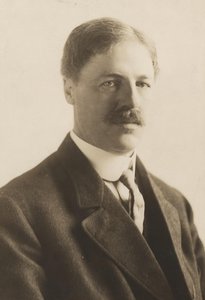
Robert W. Salmon
1775 - 1845 , United Kingdom
Quick Facts
- Artistic Movement Or Style: American Luminism
- Artists Or Movements Influenced By This Artist:
- William Bradford
- Fitz Henry Lane
- Artists Who Influenced This Artist:
- Dutch marine painters
- Italian vedute artists
- Claude Lorrain
- Date Of Birth: 1775
- Date Of Death: 1845
- Full Name: Robert W. Salmon
- Nationality: British
- Notable Artworks:
- Sailing Ship 'Trelawney'
- Boston Harbor from Castle Island
- A Frigate of the Baltic Fleet
- Place Of Birth: Whitehaven, United Kingdom
Related Articles
Robert W. Salmon: Navigating the Currents of Maritime Painting & American Realism
Explore the captivating maritime paintings of Robert W. Salmon, a pioneer of American Luminism. Discover his Boston Harbor scenes, legacy, and collecting guide at ArtsDot.

Romantic Realism's Finest: 10 Masterpieces for Your Home | ArtsDot
Explore 10 defining masterpieces of Romantic Realism! Discover Courbet, Millet & Daumier's powerful paintings—capturing emotion and social realities. Find museum-quality reproductions for your home at ArtsDot.com.

Echoes of Society: Exploring Social Realism's Enduring Legacy in Art
Explore the powerful world of Social Realism art! Discover key artists, masterpieces & its profound social commentary. Expert insights into this influential movement's history and enduring legacy.

Robert Henri & the Spirit of American Realism: A Legacy of Urban Life and Artistic Independence
Explore the life & legacy of Robert Henri, a pivotal figure in American Realism. Discover his captivating portraits, influence on the Ashcan School, and enduring impact on art history. Learn more at ArtsDot.
Ludolf Backhuysen I: Master of Dutch Marine Painting & Atmospheric Realism
Explore the captivating world of Ludolf Backhuysen I, a master of Dutch marine painting. Discover his signature realism, atmospheric seascapes & lasting influence on art history. Learn about collecting and appreciating this Golden Age artist.