 Preview
 Send
Send Share
Share
 Details

 Download
 Similars
 X-Ray
X-Ray Diaporama
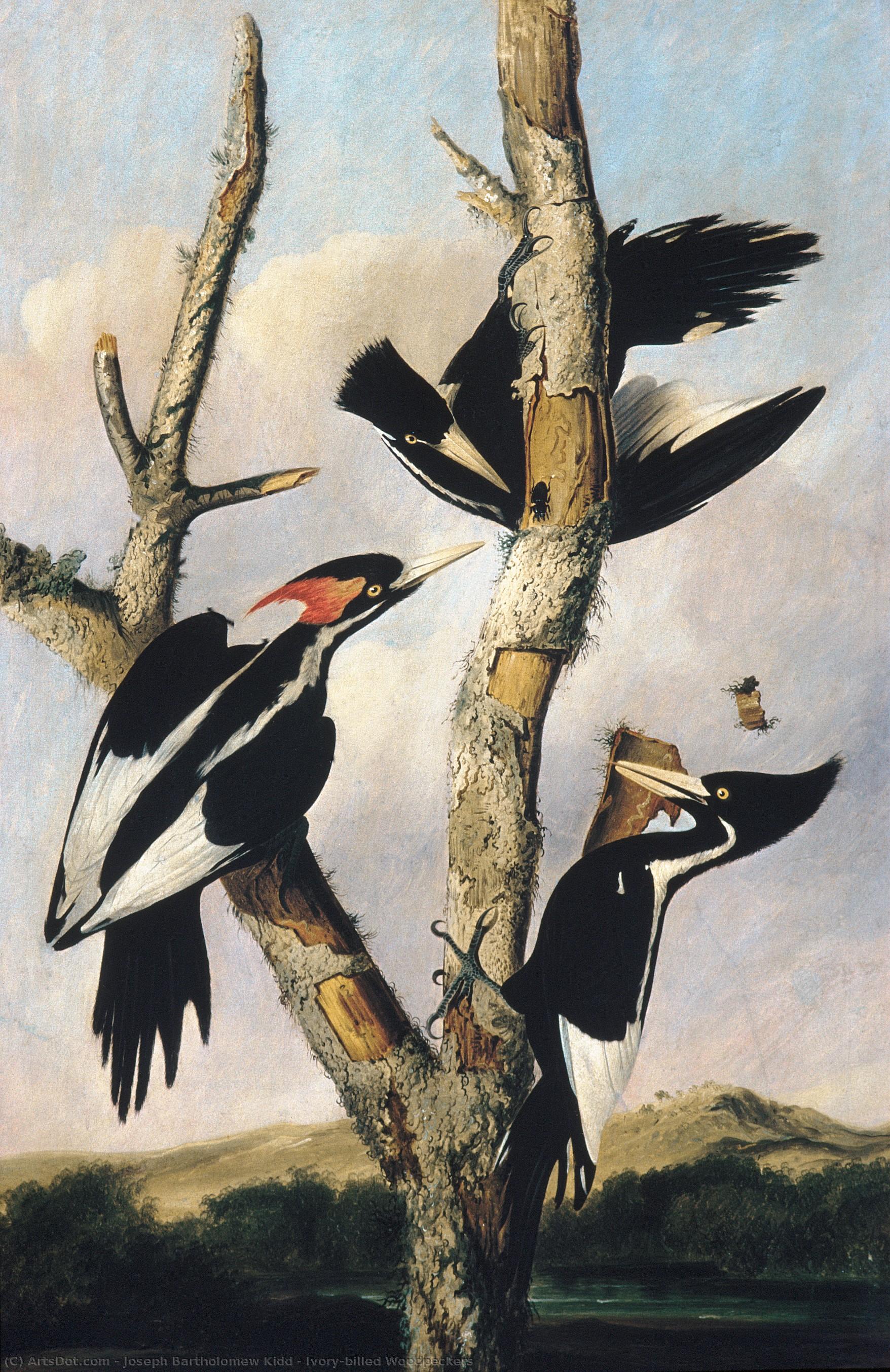
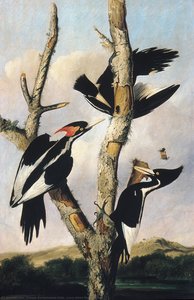
Ivory-billed Woodpeckers
 Acrylic On Canvas
- WallArt
- Victorian Landscape Painting
 1830
1830 100.0 x 67.0 cm
 Metropolitan Museum of Art
 Read More
Hand Made Oil Reproduction
Hand-painted oil on canvas in your size and frame, made to order by our artists. ( Buy Print Buy Image)




P118B $10

P118H $10

P118W $10

P438Z $10

P508JH $12

P508YH $12

P805H $10

P805Z $10

P919BZ $10

P919G $10

P919XJ $10

P959ZH $10

P968JZ $12

W106C $8

W218G $10

W218JH $8

W218Y $10

W307PJ $10

W316G $10

W316PJ $8

W316Y $10

W398PJ $8

W4111J $10

W500HY $15

W500JH $15

W692G $12

W849H $8

W940BG $15

W953PJ $8




Pick from our preset sizes that match the artwork's original proportions.

You may enter your own dimensions to fit a specific frame or space. If your selected size does not match the original image's proportions, we will either crop the artwork or extend the painting with additional hand-painted elements. A digital mockup will be sent for your approval before production begins.
Please note that the on-screen preview does not reflect the actual cropping or extension. Only the mockup will accurately show the final composition.
While custom sizes are available, we recommend selecting a dimension from the predefined list to preserve the original proportions.
After order, ArtsDot.com team will email client for instructions and provide a mockup preview
Worldwide Delivery () in 3/4 weeks instead of standard 5 weeks. (16 August). No compromise on quality.

Free Worldwide Express Shipping

High-Quality Linen Canvas

Full Shipping Insurance

Customs Tax Refund Guarantee

True Color Matching Guarantee

60-Day Return Policy (Defects Only)

100% Money-Back Guarantee

Bulk Discount Offer
 Glass option is only available in size under 110 CM

Ivory-billed Woodpeckers
Reproduction Medium
Reproduction Size
-


Total Price
$ 263
Artwork Description
A Glimpse into a Lost Majesty: Joseph Bartholomew Kidd’s Ivory-billed Woodpeckers
The painting before us, “Ivory-billed Woodpeckers,” created circa 1830-31 by the Scottish artist Joseph Bartholomew Kidd, isn't merely a depiction of two birds; it’s a poignant echo of a vanished world. Kidd, a skilled follower of John James Audubon, meticulously recreated Audubon’s own watercolor, adding a rich landscape background that elevates the scene beyond simple observation and into the realm of evocative storytelling. This piece, now available as a stunning reproduction, offers a rare opportunity to connect with a creature once considered the “Lord God Bird,” a title bestowed upon it for the sheer awe it inspired in those fortunate enough to witness its grandeur.
Kidd’s technical mastery is immediately apparent. The brushstrokes are confident and deliberate, capturing not just the physical form of the ivory-billed woodpeckers but also their alertness, their poised readiness for action. Note the subtle variations in texture – the rough bark against which they perch, the delicate feathers catching the light, the suggestion of movement within their plumage. The composition is carefully balanced; the birds are positioned with a natural grace, drawing the eye across the canvas and inviting contemplation of their habitat. The muted palette—earthy browns, deep greens, and hints of ochre—creates an atmosphere of quiet dignity, reflecting the bird’s status as a symbol of wilderness.
The Audubon Legacy & A Shared Vision
Kidd's commission to copy Audubon’s watercolor is significant. Audubon was a revolutionary figure in ornithology, meticulously documenting North American birds with unprecedented detail and artistic flair. His work shifted the perception of birds from mere creatures to subjects worthy of profound respect and admiration. Kidd, deeply influenced by Audubon’s approach, embraced this spirit of scientific observation combined with artistic expression. The painting is not simply a record; it's an interpretation—Kidd subtly enhances the scene, adding depth and atmosphere that amplify the bird’s majesty.
Interestingly, Kidd wasn’t merely replicating Audubon’s work. He expanded upon it, incorporating his own artistic sensibilities to create a distinct piece. The landscape background, painted by Kidd himself, is particularly noteworthy. It's not a literal representation of Arkansas; instead, it’s an idealized vision of the southeastern woodlands—a place of ancient trees and shadowed glades, imbued with a sense of timelessness. This addition elevates the painting beyond a portrait of two birds, transforming it into a meditation on the beauty and fragility of the natural world.
Symbolism & The Echoes of Extinction
The ivory-billed woodpecker itself carries profound symbolic weight. Once abundant across the southeastern United States, its decline is a tragic story of habitat loss, hunting, and ultimately, extinction. This painting serves as a powerful reminder of what has been lost—a symbol of wilderness, resilience, and the interconnectedness of all living things. The bird’s name, “Ivory-billed,” speaks to its striking appearance and its association with the ancient forests where it once thrived.
Despite its historical context, this artwork retains a haunting beauty. It's not simply a depiction of an extinct species; it’s a meditation on memory, loss, and the enduring power of nature. The painting invites us to reflect on our relationship with the environment and to consider the consequences of our actions. As a reproduction, it offers a tangible connection to this lost world—a chance to bring its beauty into your home and to carry its message forward.
Consider commissioning a hand-painted reproduction to add a touch of timeless elegance and poignant symbolism to your space. It’s more than just art; it's a legacy preserved.
Related Artworks
Artist Biography
Joseph Bartholomew Kidd (1808–1889): A Scottish Painter of Highland Landscapes and Audubon Copies
Joseph Bartholomew Kidd, born in Edinburgh around 1808, emerged as a prominent figure within the Scottish artistic landscape of the Victorian era. His formative years were spent under the tutelage of John Thomson of Duddingston, establishing him firmly on a path toward mastering watercolor techniques and capturing the sublime beauty of his native Highlands.
- Early Training & Academic Recognition: Kidd’s dedication to art culminated in his election as one of the original associates of the Royal Scottish Academy in 1826, marking a pivotal moment in his career. This prestigious affiliation propelled him into the heart of Edinburgh's artistic community and solidified his commitment to scholarly pursuits alongside creative endeavors. He achieved full academician status in 1829, cementing his position as a respected artist and educator.
- London Years & Artistic Shift: Around 1836, Kidd relocated to London, severing ties with the RSA. This move coincided with a deliberate stylistic evolution—he abandoned landscape painting for portraiture and drawing instruction at Greenwich Naval College. He continued to teach until his death in May 1889, leaving behind a legacy of artistic mentorship and meticulous observation.
- Illustrative Contributions: Kidd’s artistic reputation gained considerable traction through collaborations with naturalist John James Audubon. Commissioned to reproduce Audubon's avian illustrations—a monumental undertaking reflecting the fervor for scientific exploration during the Romantic period—Kidd skillfully rendered birds in exquisite detail, demonstrating his mastery of watercolor and capturing their essence with remarkable accuracy.
- Notable Works & Patronage: Kidd’s artistic output included depictions of Highland scenery, meticulously executed watercolors that embody the spirit of Scottish romanticism. He also produced etchings showcasing dramatic highland vistas. Furthermore, he secured a commission from Queen Victoria to create a portrait for Greenwich Hospital Schools, illustrating his ability to engage with royal patronage and produce works of considerable artistic merit.
Kidd’s artistic legacy extends beyond individual paintings; he served as an influential teacher at Greenwich Naval College, fostering the development of young artists and upholding standards of artistic excellence. His work continues to resonate today, representing a significant contribution to Victorian landscape art and ornithological illustration—a testament to his talent and unwavering passion for capturing the grandeur of Scotland’s natural world.
Joseph Bartholomew Kidd
1808 - 1889 , United Kingdom
Quick Facts
- Artistic Movement Or Style: Scottish Landscape Art
- Artists Or Movements Influenced By This Artist: ['American Art']
- Artists Who Influenced This Artist: ['John Thomson']
- Date Of Birth: 1808
- Full Name: Joseph Bartholomew Kidd
- Nationality: British
- Notable Artworks:
- St Joseph Chapel
- Yellow Warbler
- Orchard Oriole
- Place Of Birth: Edinburgh, United Kingdom
Related Articles
John James Audubon: A Life Immersed in Ornithological Art & the American Wilderness
Explore the life & art of John James Audubon, pioneer of ornithological illustration! Discover his stunning 'Birds of America' watercolors and complex legacy. Hand-painted reproductions available at ArtsDot.
Feathered Visions: A Historical & Artistic Exploration of Birds in Painting
Explore the rich history of birds in painting! Discover symbolism, artistic movements & master artists like Audubon. High-quality reproductions available at ArtsDot.
Ivory Black Masters: 10 Paintings That Define Dramatic Art |
Delve into the power of 'Ivory Black' with 10 iconic paintings by masters like Rembrandt & Caravaggio. Explore dramatic chiaroscuro, gothic moods & timeless art history. Find museum-quality reproductions and elevate your home decor at
Robert Havell Sr.: Botanical Precision & the Rise of Colour Plate Publishing
Explore the life & work of Robert Havell Sr., a pioneer of botanical illustration and key collaborator with Audubon. Discover his stunning aquatint engravings, artistic techniques, and lasting impact on 19th-century art.
Illuminating Enlightenment: Joseph Wright of Derby's Scientific Vision
Explore the captivating world of Joseph Wright of Derby, a pioneer of Enlightenment art. Discover his masterful chiaroscuro, scientific themes & investment potential. Expert analysis for collectors.