 Preview
 Send
Send Share
Share
 Details

 Download
 Similars
 X-Ray
X-Ray Diaporama
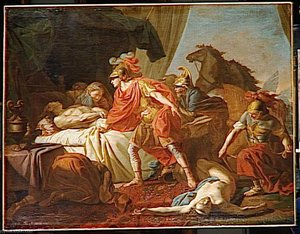
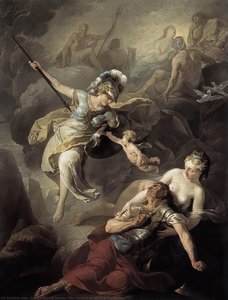
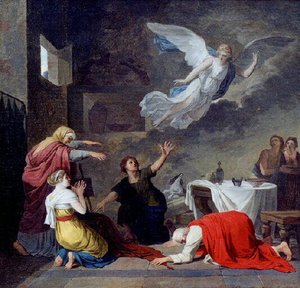
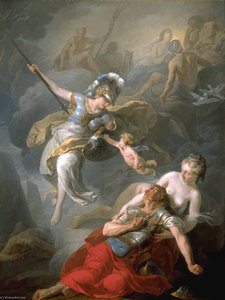
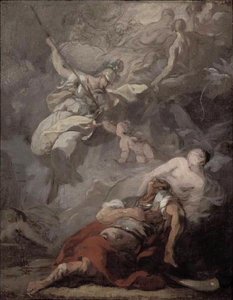
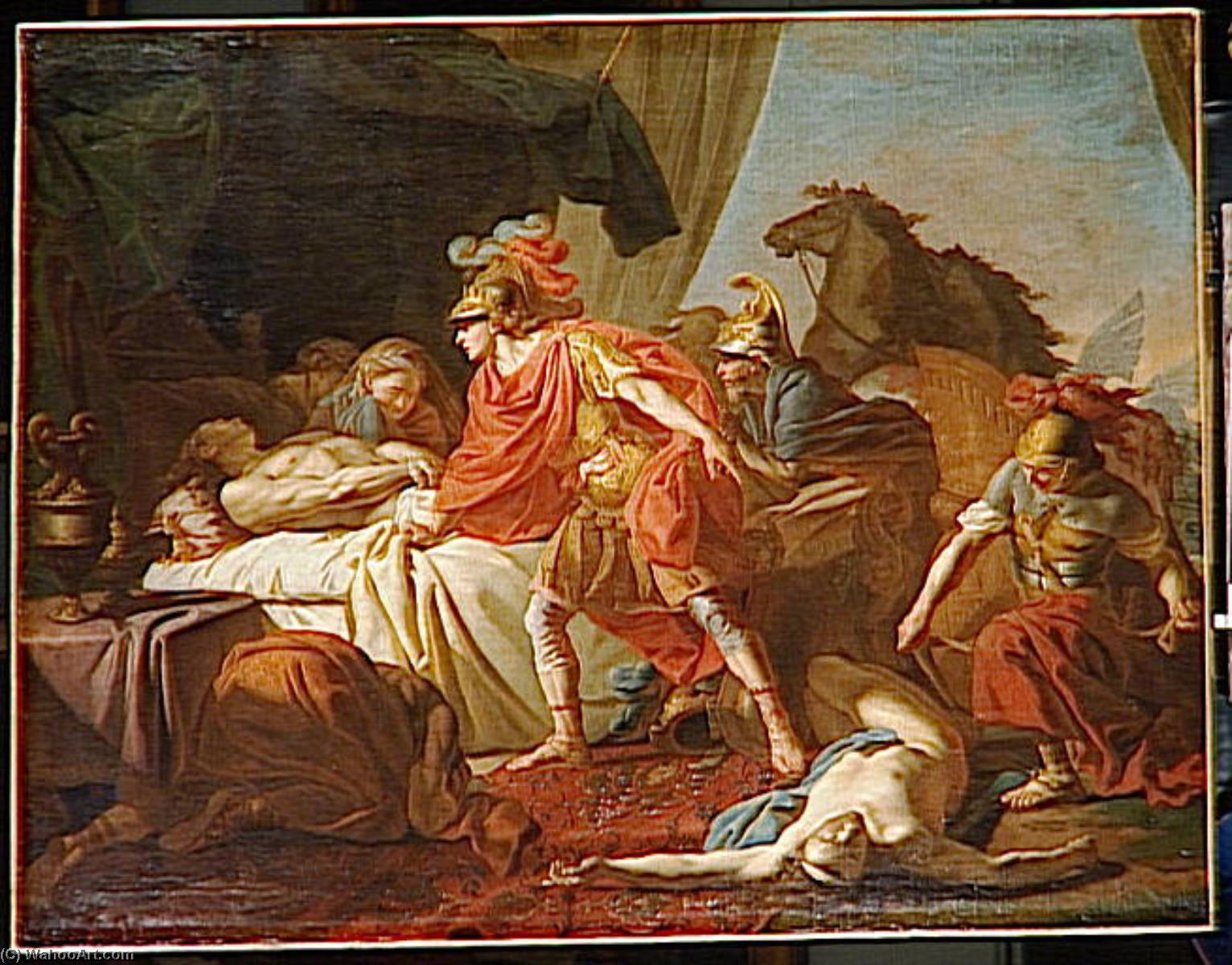
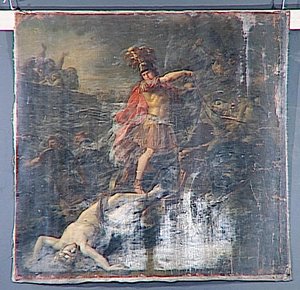
ACHILLE DEPOSE LE CADAVRE D'HECTOR AUX PIEDS DU CORPS DE PATROCLE


 Read More
Hand Made Oil Reproduction
Hand-painted oil on canvas in your size and frame, made to order by our artists. ( Buy Print Buy Image)




P118B $10

P118H $10

P118W $10

P438Z $10

P508JH $12

P508YH $12

P805H $10

P805Z $10

P919BZ $10

P919G $10

P919XJ $10

P959ZH $10

P968JZ $12

W106C $8

W218G $10

W218JH $8

W218Y $10

W307PJ $10

W316G $10

W316PJ $8

W316Y $10

W398PJ $8

W4111J $10

W500HY $15

W500JH $15

W692G $12

W849H $8

W940BG $15

W953PJ $8




Pick from our preset sizes that match the artwork's original proportions.

You may enter your own dimensions to fit a specific frame or space. If your selected size does not match the original image's proportions, we will either crop the artwork or extend the painting with additional hand-painted elements. A digital mockup will be sent for your approval before production begins.
Please note that the on-screen preview does not reflect the actual cropping or extension. Only the mockup will accurately show the final composition.
While custom sizes are available, we recommend selecting a dimension from the predefined list to preserve the original proportions.
After order, ArtsDot.com team will email client for instructions and provide a mockup preview
Worldwide Delivery () in 3/4 weeks instead of standard 5 weeks. (25 August). No compromise on quality.

Free Worldwide Express Shipping

High-Quality Linen Canvas

Full Shipping Insurance

Customs Tax Refund Guarantee

True Color Matching Guarantee

60-Day Return Policy (Defects Only)

100% Money-Back Guarantee

Bulk Discount Offer
 Glass option is only available in size under 110 CM

ACHILLE DEPOSE LE CADAVRE D'HECTOR AUX PIEDS DU CORPS DE PATROCLE
Reproduction Medium
Reproduction Size
-


Total Price
$ 263
Artwork Description
The Weight of Grief: An Encounter with Mythic Tragedy
To stand before this depiction of Achilles disposing of Hector’s body is to be immediately enveloped by a profound sense of tragic grandeur. It is more than just a scene from the Trojan War; it is a visceral meditation on honor, loss, and the brutal aftermath of conflict. The composition arrests the viewer in a moment of agonizing stillness amidst implied chaos. We witness Achilles, the embodiment of martial prowess, forced into an act that transcends mere warfare—the dragging of his greatest adversary’s lifeless form. This action itself speaks volumes, representing not only a violation of sacred wartime customs but also the unbearable weight of personal grief compounded by rage.
Neoclassical Drama and Emotional Intensity
The style employed here firmly roots the work within the Neoclassical tradition. Joseph-Benoît Suvée’s handling of this monumental subject showcases the period's dedication to elevated themes drawn from classical antiquity. The technique is marked by a meticulous realism, giving every fold of armor and every sinew in the fallen body a palpable weight. Observe the masterful use of light and shadow; they do not merely illuminate but sculpt the drama, carving out deep emotional valleys across the canvas. The earth tones that dominate the palette contribute to an overarching somber mood, grounding the epic struggle in something deeply human and mournful.
Symbolism of Conflict and Friendship
The narrative tapestry woven by Suvée is rich with potent symbolism. Achilles’ fierce expression, haunted by the memory of Patroclus, transforms the act from a mere trophy display into a profound outpouring of sorrow. Hector’s body, splayed and helpless, serves as the ultimate symbol of fallen glory—the brilliant life extinguished too soon. The presence of onlookers in the background adds layers of human witness to this private tragedy, suggesting that even monumental acts are observed by a community grappling with fate. It compels us to consider the cost of heroism.
A Statement for the Modern Collector
For the discerning collector or designer seeking an artwork imbued with narrative depth and historical resonance, this piece offers unparalleled dramatic power. Reproducing such a masterwork allows one to bring the intellectual weight and emotional sweep of classical mythology into a contemporary space. It functions not merely as decoration, but as a focal point for contemplation—a reminder that even in moments of ultimate conflict, the deepest human emotions of loss and enduring honor persist.
Related Artworks
Artist Biography
The Neoclassical Vision of Joseph-Benoît Suvée
In the grand tapestry of eighteenth-century European art, few threads shimmer with as much academic precision and dramatic grace as those woven by Joseph-Benoît Suvée. Born in Bruges in 1743, Suvée emerged from his Flemish roots to become a defining voice of the Neoclassical era. His journey from the Low Countries to the prestigious artistic circles of France represents more than just a geographical shift; it was a migration toward the very heart of Enlightenment ideals. As a painter, Suvée possessed the rare ability to marry the rigorous discipline of academic training with a profound emotional resonance, creating works that felt both timeless and urgently human.
Suvée’s artistic development was deeply rooted in the mastery of historical and mythological narratives. During an age where the art world was transitioning from the playful, lighthearted flourishes of the Rococo toward the structured, moralizing gravity of Neoclassicism, Suvée found his calling. He looked backward to the classical antiquity of Greece and Rome, not merely to imitate its forms, but to breathe new life into its legends. His canvases often serve as stages for epic dramas, where every gesture is calculated for impact and every shadow serves to heighten the tension of the unfolding story.
Mastery of Narrative and Technique
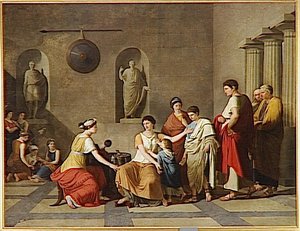
The hallmark of Suvée’s oeuvre lies in his command over composition and light. To observe a work such as 'Cornelia, Mother of the Gracchi' is to witness the pinnacle of eighteenth-century academic excellence. In such pieces, he does not simply depict a scene; he constructs a moral lesson through visual eloquence. His technique involves a meticulous attention to detail—the heavy drape of a toga, the subtle glow of skin under soft light, and the architectural stability of his figures—all working in concert to evoke a sense of dignity and permanence.
His influence and achievements can be traced through several key pillars of his career:
- Academic Excellence: His deep connection to the French academic tradition allowed him to master the complex requirements of large-scale historical painting.
- Mythological Depth: By interpreting classical myths, he provided a visual language for the intellectual pursuits of the Enlightenment.
- The Prix de Rome Legacy: As a winner of this prestigious honor, Suvée was part of an elite lineage of artists who shaped the aesthetic standards of Europe.
- Emotional Resonance: Unlike some of his more rigid contemporaries, Suvée maintained a certain warmth and fluidity that prevented his Neoclassicism from feeling sterile.
A Lasting Legacy in Art History
Though the tides of art history eventually moved toward Romanticism and beyond, the significance of Joseph-Benoît Suvée remains anchored in his role as a bridge between eras. He stood at the crossroads of tradition and innovation, capturing the transition from the decorative elegance of the past to the structured idealism of the future. His works, many of which found their way into the hallowed halls of the Louvre, continue to serve as vital touchstones for anyone studying the evolution of European painting.
Today, Suvée is remembered not just as a Flemish painter, but as a master of the human condition. Through his ability to transform historical anecdotes into profound visual meditations, he ensured that the virtues of antiquity would continue to speak to the modern soul. His legacy is one of balance: a perfect equilibrium between the intellect and the eye, between the weight of history and the lightness of artistic grace.
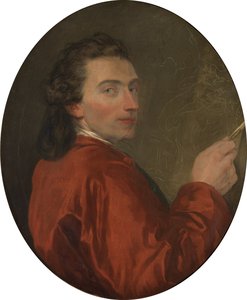
joseph benoit suvée
1743 - 1807 , Belgium
Quick Facts
- Artistic Movement Or Style: Neoclassical, History painting
- Artists Or Movements Influenced By This Artist: ['Royal Danish Academy']
- Artists Who Influenced This Artist:
- Mandelberg
- Wiedewelt
- Claude Lorrain
- Nicolas Poussin
- Date Of Birth: September 11, 1743
- Date Of Death: June 4, 1809
- Full Name: Nicolai Abraham Abildgaard
- Nationality: Danish
- Notable Artworks:
- Christiansborg Frieze
- Fredensborg Hall
- Levetzau Staircase
- Place Of Birth: Copenhagen, Denmark
Related Articles
Echoes of Olympus: Mythological Narratives in Western Art Through the Ages
Explore the captivating history of mythological narratives in Western art! From ancient Greece to modern masterpieces, discover iconic artworks & symbolism. Expert analysis and high-quality reproductions at ArtsDot.
Neoclassical Art: 10 Masterpieces That Shaped History |
Explore 10 defining Neoclassical masterpieces by David, Ingres & Canova. Discover the history, symbolism & artistry behind these iconic paintings and sculptures. Find museum-quality art reproductions at – elevate your home with timeless beauty.
25 Klimt Masterpieces: A Journey Through Iconic Art & Decor
Delve into the world of Gustav Klimt with our top 25 masterpieces! Explore his iconic paintings – 'The Kiss,' 'Portrait of Adele,' and more. Discover museum-quality reproductions & curated decor ideas. Explore the full collection online at ArtsDot.com.

Top 10 Masterpieces for Your Living Room: Iconic Paintings & Art Decor Ideas |
Transform your living room with iconic art! Explore our guide to the Top 10 most famous paintings – from Van Gogh's Starry Night to Mona Lisa. Discover artist stories, techniques & find museum-quality reproductions for timeless decor. Explore the full collection on
The Enduring Appeal of Decorative Art: A Historical Survey of Ornamentation, Functionality & Cultural Significance
Explore the rich history of decorative arts with ArtsDot.com. Discover key movements, influential artists, and expert guidance for building a discerning collection. Learn about ornamentation, functionality & cultural significance.