 Preview
 Send
Send Share
Share
 Details

 Download
 Similars
 X-Ray
X-Ray Diaporama
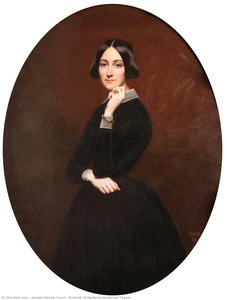
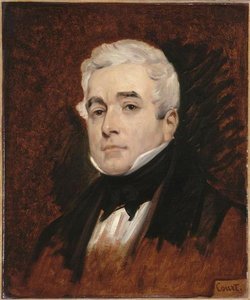
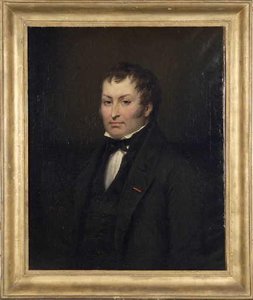
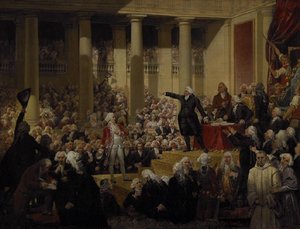
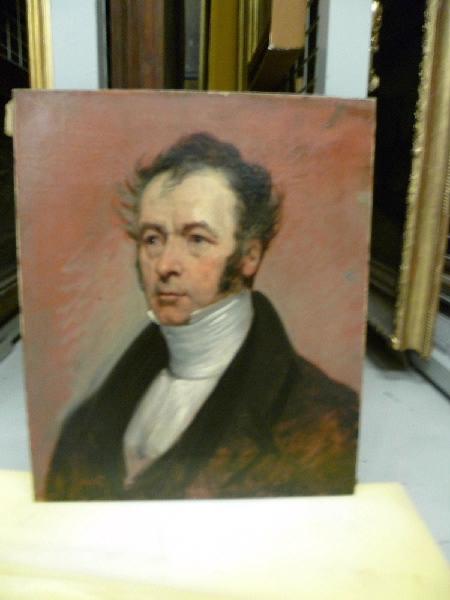
Portrait de monsieur Viannet

 Read More
Hand Made Oil Reproduction
Hand-painted oil on canvas in your size and frame, made to order by our artists. ( Buy Print Buy Image)




P118B $10

P118H $10

P118W $10

P438Z $10

P508JH $12

P508YH $12

P805H $10

P805Z $10

P919BZ $10

P919G $10

P919XJ $10

P959ZH $10

P968JZ $12

W106C $8

W218G $10

W218JH $8

W218Y $10

W307PJ $10

W316G $10

W316PJ $8

W316Y $10

W398PJ $8

W4111J $10

W500HY $15

W500JH $15

W692G $12

W849H $8

W940BG $15

W953PJ $8




Pick from our preset sizes that match the artwork's original proportions.

You may enter your own dimensions to fit a specific frame or space. If your selected size does not match the original image's proportions, we will either crop the artwork or extend the painting with additional hand-painted elements. A digital mockup will be sent for your approval before production begins.
Please note that the on-screen preview does not reflect the actual cropping or extension. Only the mockup will accurately show the final composition.
While custom sizes are available, we recommend selecting a dimension from the predefined list to preserve the original proportions.
After order, ArtsDot.com team will email client for instructions and provide a mockup preview
Worldwide Delivery () in 3/4 weeks instead of standard 5 weeks. (16 August). No compromise on quality.

Free Worldwide Express Shipping

High-Quality Linen Canvas

Full Shipping Insurance

Customs Tax Refund Guarantee

True Color Matching Guarantee

60-Day Return Policy (Defects Only)

100% Money-Back Guarantee

Bulk Discount Offer
 Glass option is only available in size under 110 CM

Portrait de monsieur Viannet
Reproduction Medium
Reproduction Size
-


Total Price
$ 263
Related Artworks
Artist Biography
Joseph Wright of Derby: Illuminating the Industrial Age
Joseph Wright of Derby, a name synonymous with dramatic lighting and scenes of burgeoning industry in 18th-century England, was more than just a painter; he was a visual chronicler of his time. Born in Derby on September 3rd, 1734, into a family of modest means, Wright’s life unfolded against the backdrop of significant social and economic change – the rise of industrialization and the burgeoning scientific community. His career, spanning nearly six decades, saw him evolve from a provincial portraitist to one of Britain's most original and celebrated artists, largely due to his unique approach to capturing light and atmosphere. Wright’s legacy rests not just on individual masterpieces but also on his pioneering use of tenebrism – the dramatic interplay of light and shadow – to depict scenes that were both visually arresting and profoundly insightful into the era.Early Life and Training
Wright's early life offered little indication of the artistic path he would eventually forge. He began his apprenticeship as a barber-surgeon in Derby, a profession that instilled within him an appreciation for observation and detail – skills crucial to his later work. However, it was his encounter with Thomas Hudson, a prominent London portrait painter, that truly ignited his artistic ambition. From 1751 to 1753, Wright spent time training under Hudson in London, absorbing the techniques of classical composition and portraiture. This initial period provided him with a solid foundation but it was during his return to Derby that Wright began to develop his distinctive style. He continued to refine his skills while simultaneously exploring new subjects – scenes of scientific experimentation, industrial activity, and social unrest—themes that would become central to his artistic output.The Language of Light: Style and Technique
Wright’s most remarkable contribution to art lies in his masterful manipulation of light. He wasn't simply depicting scenes; he was conveying a mood, an atmosphere, often imbued with a sense of drama or mystery. His use of candlelight – frequently depicted in scenes of scientific discovery or clandestine gatherings – became instantly recognizable and profoundly influential. This technique, heavily influenced by Dutch Baroque painters like Rembrandt and Vermeer, allowed him to create incredibly realistic effects, highlighting textures, revealing emotions, and drawing the viewer into the heart of the scene. Wright’s compositions are typically dynamic, filled with movement and activity, reflecting the energy of the era he was documenting. He employed a loose, expressive brushstroke, prioritizing capturing the *effect* of light over meticulous detail, further enhancing the dramatic impact of his paintings.Key Works and Notable Scenes
Wright’s oeuvre is characterized by a remarkable diversity of subject matter. Perhaps his most famous work, “An Experiment on a Bird in the Air Pump” (1768), exemplifies his ability to capture the wonder and potential danger of scientific inquiry. The painting depicts a group of men observing an experiment with a mechanical bird inside a glass air pump, bathed in dramatic candlelight. This image became a powerful symbol of the Enlightenment’s fascination with science and its potential to transform society. Other notable works include “A Man Going to His Wedding” (1783), which captures a moment of joyous anticipation amidst a bustling urban scene; "The Destruction of the Convent at Palermo" (1785), a controversial depiction of a violent uprising, showcasing Wright’s willingness to engage with contemporary social and political issues. His series of paintings depicting the Lunar Society – a group of Birmingham scientists and industrialists—offer invaluable glimpses into the intellectual ferment of the time.Legacy and Historical Significance
Joseph Wright of Derby's impact on art extends far beyond his individual achievements. He is widely considered to be Britain’s first professional painter who successfully captured the spirit of the Industrial Revolution, offering a unique visual record of a period of profound social and technological transformation. His innovative use of light, dramatic compositions, and engagement with contemporary events established him as a pivotal figure in British art history. His work continues to resonate today, reminding us of the complex interplay between science, industry, and society—a theme that remains remarkably relevant in our own era. Wright’s legacy is secured not only through his paintings but also through their enduring power to evoke emotion and stimulate reflection on the human condition within a rapidly changing world.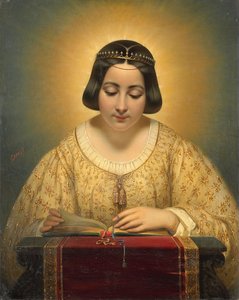
joseph désiré court
1797 - 1865 , France
Quick Facts
- Artistic Movement Or Style: Romanticism, Neoclassicism
- Artists Or Movements Influenced By This Artist:
- Joshua Reynolds
- Romanticism
- Artists Who Influenced This Artist:
- Janys Zedres
- Rembrandt
- Date Of Birth: September 3, 1734
- Date Of Death: August 29, 1797
- Full Name: Joseph Wright of Derby
- Nationality: English
- Notable Artworks:
- An Experiment on a Bird in the Air Pump
- The Slaughtered Horse
- George III Inspecting Barracks
- Place Of Birth: Derby, England
Related Articles

The Enduring Legacy of Oil on Canvas: Technique, History & Aesthetic Impact
Explore the rich history & techniques of oil painting – from Renaissance masters to Impressionism. Discover pigments, layering methods, and why this timeless medium endures. Expert insights for artists & art enthusiasts.

The Enduring Power of Painting: A Historical & Contemporary Exploration of Form and Emotion
Explore the rich history & enduring techniques of oil painting with ArtsDot. Discover masterpieces, learn about art collecting, and find authentic handmade reproductions crafted by skilled artists.

Oil on Canvas: A Historical & Technical Exploration of a Timeless Artistic Medium
Explore the rich history & enduring techniques of oil painting on canvas. Discover the science behind its longevity, conservation practices, and contemporary relevance. Expert insights for art enthusiasts.

19th Century Masterpieces: 10 Paintings That Defined an Era | ArtsDot
Journey through 19th century art with ArtsDot! Explore 10 iconic paintings – from Monet & Renoir to Courbet – and discover the stories behind Romanticism, Realism & Impressionism. Find museum-quality reproductions for your home decor. Explore the full collection online!

The Enduring Legacy of Oil on Canvas: Technique, History & Contemporary Practice
Explore the rich history & enduring techniques of oil painting on canvas. Discover the science behind its longevity, conservation practices, and contemporary relevance. Expert insights for art enthusiasts.