 Preview
 Send
Send Share
Share
 Details

 Download
 Similars
 X-Ray
X-Ray Diaporama
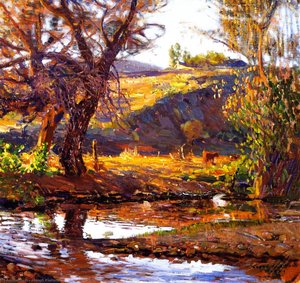
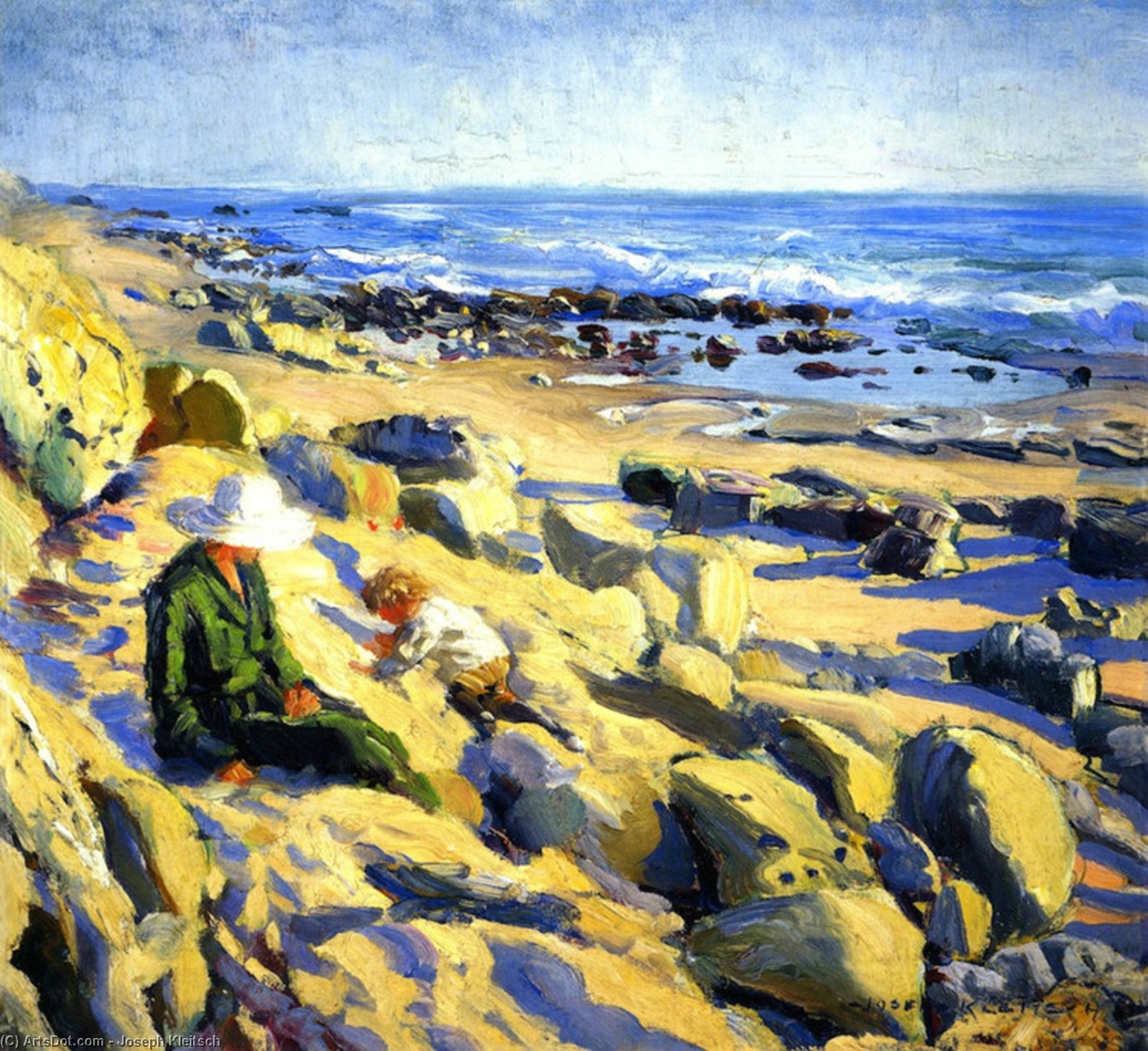
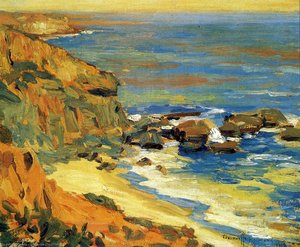
Rocky Cliffs, Laguna (also known as Edna and Eugene)


 Read More
Hand Made Oil Reproduction
Hand-painted oil on canvas in your size and frame, made to order by our artists. ( Buy Print Buy Image)




P118B $10

P118H $10

P118W $10

P438Z $10

P508JH $12

P508YH $12

P805H $10

P805Z $10

P919BZ $10

P919G $10

P919XJ $10

P959ZH $10

P968JZ $12

W106C $8

W218G $10

W218JH $8

W218Y $10

W307PJ $10

W316G $10

W316PJ $8

W316Y $10

W398PJ $8

W4111J $10

W500HY $15

W500JH $15

W692G $12

W849H $8

W940BG $15

W953PJ $8




Pick from our preset sizes that match the artwork's original proportions.

You may enter your own dimensions to fit a specific frame or space. If your selected size does not match the original image's proportions, we will either crop the artwork or extend the painting with additional hand-painted elements. A digital mockup will be sent for your approval before production begins.
Please note that the on-screen preview does not reflect the actual cropping or extension. Only the mockup will accurately show the final composition.
While custom sizes are available, we recommend selecting a dimension from the predefined list to preserve the original proportions.
After order, ArtsDot.com team will email client for instructions and provide a mockup preview
Worldwide Delivery () in 3/4 weeks instead of standard 5 weeks. (16 August). No compromise on quality.

Free Worldwide Express Shipping

High-Quality Linen Canvas

Full Shipping Insurance

Customs Tax Refund Guarantee

True Color Matching Guarantee

60-Day Return Policy (Defects Only)

100% Money-Back Guarantee

Bulk Discount Offer
 Glass option is only available in size under 110 CM

Rocky Cliffs, Laguna (also known as Edna and Eugene)
Reproduction Medium
Reproduction Size
-


Total Price
$ 288
Artwork Description
A Coastal Serenade in Oil
In the sun-drenched annals of California Impressionism, few works capture the ephemeral magic of the Pacific coast as tenderly as Joseph Kleitsch’s 1920 masterpiece, Rocky Cliffs, Laguna. Also affectionately known as Edna and Eugene, this evocative oil on canvas serves as more than just a landscape; it is a window into a moment of profound stillness. The painting invites the viewer to step onto a rugged shoreline where the rhythmic pulse of the ocean meets the steadfast presence of ancient stone. At its heart, the work depicts two figures nestled among the boulders near the water's edge, their quiet companionship mirroring the eternal dialogue between the land and the sea. It is a scene that transcends mere observation, offering a soulful meditation on intimacy and the vastness of the natural world.
The technical brilliance of Kleitsch lies in his ability to manipulate light and texture to evoke the very atmosphere of a summer afternoon. Utilizing a vibrant Impressionistic vocabulary, the artist employs thick, impasto brushstrokes that lend a tactile dimension to the rocky terrain. The palette is a masterful study in contrast: warm, earthy ochres and sun-baked yellows define the rugged cliffs and sandy patches, while cool, luminous blues and deep greens surge through the ocean waves and sky. These bold colors are not merely decorative but are essential to the painting's breathing life, capturing the way sunlight dances across salt-sprayed surfaces and creates shimmering highlights upon the moving tide. The loose, expressive lines eschew rigid realism in favor of a more profound emotional truth, prioritizing the sensation of warmth and movement over precise anatomical or geological accuracy.
Historical Resonance and Emotional Depth
To understand Rocky Cliffs, Laguna, one must consider the hand that guided the brush. Joseph Kleitsch, a pioneer of the Laguna Beach art colony, brought with him a sophisticated European sensibility—honed in the studios of Budapest, Munich, and Paris—and infused it with the unique, brilliant light of the American West. This painting stands as a testament to that cultural synthesis. The inclusion of figures, likely his wife Edna and son Eugene, imbues the landscape with a sense of nostalgia and domestic peace. There is a profound symbolism in the way the small, delicate human forms are cradled by the immense, weathered rocks; it evokes a feeling of sanctuary and a deep-seated connection to the earth.
For the discerning collector or interior designer, this artwork offers an unparalleled opportunity to introduce a sense of tranquility and timeless elegance into a living space. The painting’s composition, which expertly balances the weight of the foreground boulders with the expansive horizon of the sea, creates a natural sense of depth that can transform the perceived dimensions of a room. Whether placed in a sunlit gallery or a sophisticated study, a high-quality reproduction of this work serves as a focal point of serenity. It does not merely decorate a wall; it invites contemplation, evoking the nostalgic scent of salt air and the quiet joy of a summer day spent by the sea, making it an enduring treasure for any curated collection.
Related Artworks




Artist Biography
The Luminous Legacy of Joseph Kleitsch
In the golden annals of California Impressionism, few names resonate with as much rhythmic vitality as Joseph Kleitsch. A pioneer who breathed life into the coastal landscapes of Southern California, Kleitsch possessed a rare ability to translate the ephemeral dance of light and atmosphere onto canvas. Born in 1885 amidst the multicultural tapestry of Balassagyártya, Hungary, his early years were steeped in a European tradition that would later serve as the foundation for his American mastery. His artistic soul was forged in the prestigious studios of Budapest, Munich, and Paris, where he absorbed the profound lessons of the Impressionist masters. This rigorous formal training provided him with a sophisticated understanding of color theory and composition, yet it was his eventual migration to the United States in 1912 that would truly ignite his creative spirit.
Upon arriving in America, Kleitsch found himself drawn to the burgeoning artistic pulse of Chicago before ultimately finding his true sanctuary in the sun-drenched landscapes of Laguna Beach. It was here, amidst the salt spray and eucalyptus groves, that his style reached its zenith. Influenced deeply by the works of Claude Monet and Pierre-Auguste Renoir, Kleitsch embraced the practice of plein air painting, seeking to capture the fleeting moments of nature with an immediacy that felt almost musical. His brushwork was never merely descriptive; it was emotive. As noted by contemporary critics, he approached the canvas with the spontaneous abandon of a gypsy violinist, using thick, textured strokes to build layers of light that seemed to vibrate within the frame.
A Master of Color and Atmosphere
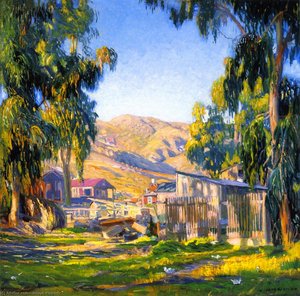
The essence of Kleitsch’s work lies in his unparalleled command over color. He did not merely paint landscapes; he painted the very feeling of warmth and humidity. His palette was a celebration of the California sun, characterized by luminous hues that could transform a simple grove of trees into a shimmering vision of gold and emerald. In masterpieces such as "Houses among the Eucalypti," one can witness his ability to nestle architectural forms within nature using vibrant oil textures that invite the viewer into a tranquil, sunlit world. His technique eschewed the rigid constraints of meticulous detail, opting instead for a soft-focus brilliance that prioritized the mood and the atmospheric weight of the scene.
Beyond the coastal vistas of California, Kleitsch’s travels allowed him to revisit the landscapes of his European heritage through a new, Americanized lens. His 1927 painting, "Giverny, France," serves as a poignant bridge between his formative years and his mature style, utilizing warm colors and soft light to evoke a sense of timelessness. Whether he was capturing the historic grandeur of Mission San Juan Capistrano or the quiet charm of a French village, his work remained anchored in a singular pursuit: the capture of light's transient beauty.
Historical Significance and Artistic Spirit
The historical importance of Joseph Kleitsch extends far beyond his individual canvases. He was a foundational figure in the Laguna Beach art colony, helping to establish the region as a premier destination for American Impressionism. His ability to synthesize European academic rigor with the rugged, bright reality of the California coast helped define a unique regional aesthetic that continues to inspire collectors and artists today. His life, though tragically short, ended in 1931, leaving behind a body of work that serves as a window into a vanished era of coastal serenity.
To study the works of Kleitsch is to experience a profound sense of nostalgia and wonder. His legacy is preserved through:
- The mastery of plein air techniques that captured the authentic light of the Pacific coast.
- A revolutionary approach to color that moved away from realism toward emotional expressionism.
- The establishment of a regional identity for California Impressionism, making Laguna Beach a legendary artistic landmark.
Through his vibrant portraits and sweeping landscapes, Kleitsch remains a timeless figure, reminding us that art is not merely about what we see, but how the light makes us feel.

Joseph Kleitsch
1885 - 1931 , Hungary
Quick Facts
- Artistic Movement Or Style: California Impressionism
- Artists Or Movements Influenced By This Artist: ['']
- Artists Who Influenced This Artist: ['']
- Date Of Birth: June 6, 1882
- Date Of Death: November 16, 1931
- Full Name: Joseph Kleitsch
- Nationality: Hungarian-American
- Notable Artworks:
- Orientale
- Children of Capistrano
- Rocky Cliffs, Laguna
- Place Of Birth: Balassagyártya, Hungary
Related Articles
Joseph Kleitsch: Bridging Impressionism & California Regionalism – A Study of Light and Identity
Explore the life & work of Joseph Kleitsch, a pivotal California Impressionist painter. Discover his vibrant landscapes, portraits, and legacy within the Laguna Beach art colony. A comprehensive study for collectors & enthusiasts.
Franz Bischoff: Bridging Tonalism & Impressionism in California Landscape Painting
Explore the captivating art of Franz Bischoff, a pivotal figure bridging Tonalism & California Impressionism. Discover his stunning landscapes, floral works, and lasting legacy with ArtsDot.

Impressionism's Masterpieces: 10 Paintings That Defined a Movement | ArtsDot
Journey through Impressionism's heart with 10 iconic paintings by Monet, Renoir & Degas. Explore light, color & the stories behind these masterpieces. Find museum-quality art reproductions and elevate your home decor on ArtsDot.com.
Guy Rose: Luminism, Impressionism & the Californian Aesthetic – A Comprehensive Exploration of Life and Legacy
Explore the life & art of Guy Rose, a leading American Impressionist painter. Discover his luminous California landscapes, Giverny scenes, and enduring legacy. A comprehensive guide for collectors & enthusiasts.

Fleeting Moments & Radiant Light: Exploring the Enduring Legacy of Impressionism
Explore the captivating world of Impressionism! Discover its history, key artists like Monet & Renoir, defining techniques, and lasting impact on modern art. Expert insights for collectors.