 Preview
 Send
Send Share
Share
 Details

 Download
 Similars
 X-Ray
X-Ray Diaporama
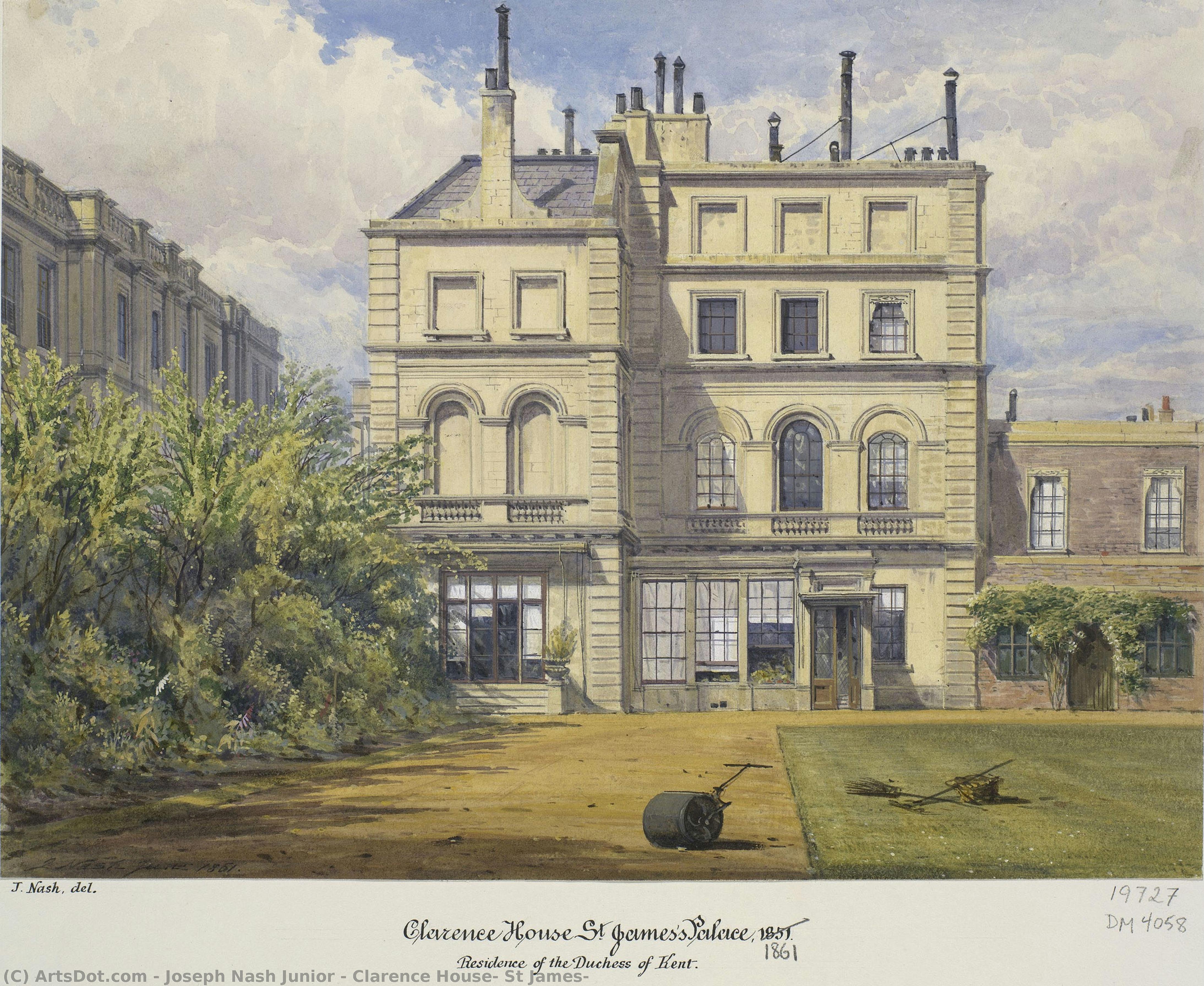
Clarence House, St James


 Read More
Hand Made Oil Reproduction
Hand-painted oil on canvas in your size and frame, made to order by our artists. ( Buy Print Buy Image)




P118B $10

P118H $10

P118W $10

P438Z $10

P508JH $12

P508YH $12

P805H $10

P805Z $10

P919BZ $10

P919G $10

P919XJ $10

P959ZH $10

P968JZ $12

W106C $8

W218G $10

W218JH $8

W218Y $10

W307PJ $10

W316G $10

W316PJ $8

W316Y $10

W398PJ $8

W4111J $10

W500HY $15

W500JH $15

W692G $12

W849H $8

W940BG $15

W953PJ $8




Pick from our preset sizes that match the artwork's original proportions.

You may enter your own dimensions to fit a specific frame or space. If your selected size does not match the original image's proportions, we will either crop the artwork or extend the painting with additional hand-painted elements. A digital mockup will be sent for your approval before production begins.
Please note that the on-screen preview does not reflect the actual cropping or extension. Only the mockup will accurately show the final composition.
While custom sizes are available, we recommend selecting a dimension from the predefined list to preserve the original proportions.
After order, ArtsDot.com team will email client for instructions and provide a mockup preview
Worldwide Delivery () in 3/4 weeks instead of standard 5 weeks. (16 August). No compromise on quality.

Free Worldwide Express Shipping

High-Quality Linen Canvas

Full Shipping Insurance

Customs Tax Refund Guarantee

True Color Matching Guarantee

60-Day Return Policy (Defects Only)

100% Money-Back Guarantee

Bulk Discount Offer
 Glass option is only available in size under 110 CM

Clarence House, St James
Reproduction Medium
Reproduction Size
-


Total Price
$ 263
Artwork Description
Joseph Nash Junior: A Delicate Hand Capturing Victorian Grandeur
Joseph Nash Junior (1809-1922) emerged as a prominent English watercolour artist during the Victorian era, inheriting artistic lineage from his father, Joseph Nash Senior, who himself was celebrated for his meticulous architectural drawings. Born in London, he possessed an innate fascination with visual representation and diligently honed his skills through observation and study of fellow artists’ techniques. This dedication would ultimately shape his distinctive style—characterized by remarkable precision and a profound sensitivity to light and texture—resulting in artworks that continue to resonate with collectors and historians alike. He became particularly renowned for his detailed depictions of stately homes and gardens, capturing the grandeur and refinement of the period with breathtaking accuracy.The Subject Matter: Clarence House – A Symbol of Royal Residence
Nash’s chosen subject was Clarence House, St James's Palace—the official residence of Queen Victoria during her reign from 1840 until her death in March 1861. This monumental building represented not merely bricks and mortar but the very embodiment of British monarchy and aristocratic tradition. The artist meticulously rendered the garden front, focusing on capturing the serene beauty of the landscaped grounds—a deliberate contrast to the bustling activity within the palace walls. It was a visual testament to Victorian ideals of order, restraint, and cultivated elegance.Technique and Style: Watercolor Precision
Nash’s mastery lay in his masterful application of watercolor technique. Unlike oil paints which offer rich color saturation and blending capabilities, watercolors rely on translucent pigments layered upon paper to achieve luminous effects. This method demanded exceptional patience and skill—a painstaking process of building up tonal gradations and capturing subtle nuances of light and shadow. The resulting image possesses a remarkable delicacy and luminosity, reflecting Nash’s meticulous attention to detail and his ability to convey the atmosphere of the scene with exquisite subtlety. His style is often described as “architectural watercolor,” prioritizing accuracy and realism while simultaneously conveying an emotional resonance.Historical Context: Mourning for the Duchess
The painting was created during a period of profound grief following the untimely death of Princess Louise—Queen Victoria’s eldest daughter—who succumbed to diphtheria in 1861. Consequently, Nash's depiction of Clarence House reflects this solemn mood; the blinds were drawn down throughout the house, symbolizing mourning for the departed Duchess. This poignant detail underscores the importance of understanding the broader social and cultural context surrounding the artwork – a reflection of Victorian sensibilities regarding death and remembrance. The inclusion of architectural elements like chimneys and windows adds to the realism of the scene and reinforces its connection to the historical setting.Symbolism: Beauty Amidst Duty
Beyond mere representation, Nash’s watercolor conveys deeper symbolic meanings. The garden itself represents tranquility and respite from the pressures of royal life—a space for contemplation and solace amidst responsibility. Simultaneously, it embodies Victorian ideals of domestic harmony and cultivated beauty. By juxtaposing these elements, Nash elevates the painting beyond a simple topographical record into an evocative portrayal of Victorian aristocratic culture.Legacy: A Timeless Masterpiece
Joseph Nash Junior’s “Clarence House, St James” remains a celebrated exemplar of Victorian watercolor artistry. Its exquisite detail, luminous palette, and poignant historical context continue to inspire admiration among art historians and collectors alike. The painting serves as a powerful reminder of the era's fascination with architectural grandeur and its ability to capture fleeting moments of beauty within the framework of solemn remembrance—a testament to Nash’s enduring artistic legacy.Related Artworks

Artist Biography
A Legacy of Precision: The Life and Art of Joseph Nash Junior
In the heart of Victorian London, a period defined by both rapid industrial expansion and a profound reverence for historical grandeur, Joseph Nash Junior emerged as a master of the delicate watercolor medium. Born in 1809, he was an artist whose very identity was intertwined with a rich artistic lineage. As the son of the celebrated Joseph Nash Senior, a man renowned for his meticulous architectural renderings, the younger Nash was raised within a sanctuary of fine lines and structural truth. This early immersion in the disciplined world of architectural drawing provided him with more than just technical training; it gifted him a unique visual vocabulary, allowing him to approach the landscape not merely as a collection of scenery, but as a complex tapestry of light, texture, and historical weight.
The development of Nash Junior’s style was a journey of intense observation. While the burgeoning Impressionist movement elsewhere began to favor the fleeting, blurred essence of a moment, Nash remained steadfast in his commitment to realism. He possessed an almost scientific devotion to the nuances of his subject matter, spending countless hours studying architectural forms and natural landscapes in situ. His process was one of immense patience, utilizing the translucent properties of watercolor to build up subtle gradations of tone. Through the careful layering of pigments, he achieved a luminous quality that breathed life into stone and garden alike, capturing the way sunlight dances across a facade or how shadows settle within a manicured grove.
Architectural Grandeur and the Victorian Spirit
Nash Junior’s oeuvre is perhaps most celebrated for its profound ability to capture the architectural majesty of his era. He became particularly renowned for his detailed depictions of stately homes and royal residences, works that served as both artistic achievements and historical documents. One of his most poignant subjects was Clarence House, a site of immense symbolic importance as the official residence of Queen Victoria. In his renderings of this iconic structure, Nash did not merely focus on the imposing masonry; he sought to capture the serene beauty of the garden fronts and the cultivated elegance of the landscaped grounds. His work reflected the Victorian ideals of order and restraint, presenting a vision of stability and refined grace amidst a changing world.
Beyond the royal confines, his explorations extended to the sweeping landscapes and historic manors of the English countryside. His ability to render surfaces with painstaking accuracy—from the rugged texture of ancient stone to the soft, ephemeral quality of foliage—allowed him to create works that resonate with a palpable sense of atmosphere. This dedication to detail ensured that his paintings were more than mere illustrations; they were immersive experiences that invited the viewer to step into a meticulously reconstructed past. His mastery of the medium allowed him to navigate the delicate balance between the rigid permanence of architecture and the fluid, ever-changing nature of the natural world.
Historical Significance and Artistic Endurance
The significance of Joseph Nash Junior lies in his role as a chronicler of a vanishing era. Through his brush, the grandeur of the 19th-century English landscape was preserved with an accuracy that serves historians and art lovers alike. His work stands as a testament to a period when craftsmanship and observation were held in the highest esteem. The precision of his hand and the sensitivity of his eye ensured that his depictions of buildings and gardens were imbued with a soul, capturing not just the physical structure, but the very spirit of the Victorian age.
Today, the legacy of Nash Junior continues to endure through collections that celebrate the pinnacle of English watercolor tradition. His contributions to the art world are marked by several key elements:
- Technical Mastery: An unparalleled ability to use watercolor to simulate texture, light, and depth.
- Historical Documentation: Providing a detailed visual record of significant British landmarks and architectural heritage.
- Artistic Lineage: Carrying forward the rigorous traditions of his father while developing a distinct, sensitive aesthetic.
- Atmospheric Realism: Creating works that transcend mere documentation to evoke the emotional resonance of the landscapes he painted.
As we look back upon his life and work, Joseph Nash Junior remains a pivotal figure in the history of British watercolor, an artist who captured the enduring elegance of a golden age with a delicate yet remarkably precise hand.
joseph nash junior
1809 - 1922 , United Kingdom
Quick Facts
- Artistic Movement Or Style: Watercolor painting
- Artists Or Movements Influenced By This Artist: ['Victorian Art']
- Artists Who Influenced This Artist: ['Joseph Nash']
- Date Of Birth: 1809
- Full Name: Joseph Nash Junior
- Nationality: English
- Notable Artworks:
- Clarence House, St James
- Crewe Hall, Cheshire
- Place Of Birth: London, United Kingdom
Related Articles

Watercolor Wonders: 10 Masterpieces That Redefined Art History | ArtsDot
Journey through 10 legendary watercolor masterpieces by Sargent, Turner & Homer! Explore iconic landscapes, portraits & floral art that redefined history. Find museum-quality reproductions and curated decor ideas at ArtsDot.com.

Ephemeral Visions: Exploring the Artistic Legacy & Contemporary Practice of Watercolor Painting
Explore the captivating world of watercolor painting! Discover its rich history, essential techniques, influential artists & collecting tips. A comprehensive guide for art enthusiasts from ArtsDot.

Ephemeral Visions: Exploring the History & Emotional Resonance of Watercolor Painting
Explore the captivating history of watercolor painting, from ancient techniques to modern masters like Kandinsky & Blake. Discover essential artists, collecting tips & the emotional power of this luminous medium. Expert insights for art enthusiasts.

Ephemeral Visions: Exploring the Artistic Legacy & Nuances of Watercolor Painting
Explore the captivating world of watercolor painting! Discover its rich history, essential techniques, influential artists & collecting tips from art experts. A comprehensive guide for enthusiasts.

The Enduring Appeal of Watercolor: History, Techniques & Contemporary Practice
Explore the captivating world of watercolor painting! Discover its rich history, essential techniques, influential artists, and collecting tips. A comprehensive guide for art enthusiasts.