

 Preview
 Send
Send Share
Share
 Details

 Download
 Similars
 X-Ray
X-Ray Diaporama
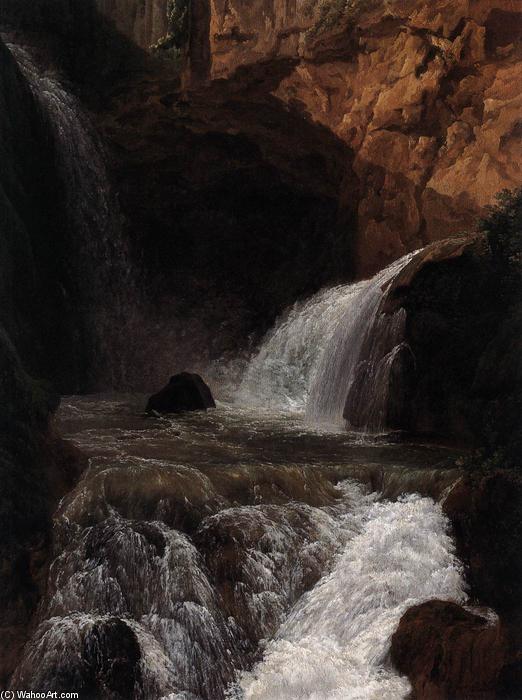
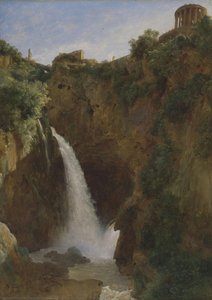
View of the Waterfalls at Tivoli
 Acrylic On Canvas
- WallArt
- Italianate Landscape Tradition
 1788
1788 51.0 x 38.0 cm
 National Gallery of Art
 Read More
Purchase a high-resolution, enhanced digital image, far superior to the online preview.
Each file is meticulously prepared by our in-house specialists using advanced tools and expert manual retouching. We ensure every image has exceptional clarity, precise color accuracy, and fine detail.
The final file is delivered via email within 72 hours, optimized for immediate use in professional, editorial, and print environments. This is the same quality trusted by top-tier design studios, publishers, and galleries.
Digital Image
Download a high-resolution file for personal display, printing, and creative projects. ( Buy Print Buy Hand Made Painting)
Included in Every Digital Image Order
Expert Digital Delivery, Guaranteed
When you choose ArtsDot.com, you're not just getting an image - you're receiving a professionally enhanced digital artwork, crafted with precision and backed by a satisfaction guarantee. Here's everything that comes with your order, automatically:

Fast Email Delivery
Your high-resolution digital image file will be emailed to you within 72 hours of ordering - ready for immediate use.

AI-Enhanced Digital File
Your artwork is professionally optimized using advanced AI tools and manual editing, ensuring maximum detail, clarity, and color accuracy.

Free Lifetime Re-Delivery
Accidentally deleted or lost your file? No worries - we'll resend it to you anytime, free of charge.

No Import Fees - Ever
Enjoy your artwork instantly with zero customs, duties, or delivery fees - digital downloads are always tax-free.

Color Accuracy Guarantee
We ensure your digital image reflects the original colors as closely as possible using professional tools and color management.

60-Day Satisfaction Guarantee
If you're not satisfied with your digital image, we'll revise it or refund 100% within 60 days - no questions asked.

100% Money-Back Guarantee
Not satisfied? Get a full refund within 60 days of receiving your digital file - no questions asked.

Bulk Order Discounts
Buy 3 images, save 10% - Buy 5, save 15% - Buy 10+, save 20%. Great for creative projects, galleries, and agencies.
A Quiet Masterpiece: Exploring Jean-Joseph-Xavier Bidauld’s “View of the Waterfalls at Tivoli”
The landscape painting "View of the Waterfalls at Tivoli," executed in 1788 by Jean-Joseph-Xavier Bidauld, stands as a testament to the understated elegance and profound observation characteristic of Italianate art during the Enlightenment. Unlike the grand narratives favored by many contemporaries, Bidauld’s work eschews ostentation for a meticulously crafted depiction of natural beauty—a deliberate choice that speaks volumes about his artistic sensibilities and reflects the broader cultural preoccupation with idealized representations of the sublime.The Scene: Tivoli's Cascade
Captured on canvas is a breathtaking vista of Tivoli Falls, nestled within the verdant hills of Lazio, Italy. The composition centers around a powerful waterfall plunging into a rocky riverbed, its white foam contrasting sharply against the dark browns and grays of surrounding stone formations. Bidauld’s eye for detail isn't merely descriptive; it strives to convey an emotional response to the grandeur of nature—a feeling echoed in the subtle tonal variations that imbue the scene with atmosphere. The artist skillfully utilizes light and shadow, highlighting textures and creating a sense of depth that draws the viewer into the landscape.Style & Technique: Italianate Influence
Bidauld’s artistic approach firmly aligns with the prevailing stylistic trends of his time—specifically, the influence of Italian Romanticism. This movement championed idealized depictions of nature as a source of spiritual inspiration and sought to capture its majesty through precise observation and tonal harmony. The artist employs a realistic technique, prioritizing accuracy in portraying geological features and water dynamics. Brushstrokes are deliberate yet restrained, blending seamlessly to achieve a smooth surface finish that enhances the overall impression of tranquility and serenity.Historical Context: Enlightenment Sensibility
“View of the Waterfalls at Tivoli” emerged during a period marked by intellectual ferment—the Enlightenment—when thinkers questioned traditional dogma and embraced reason alongside empirical observation. Artists like Bidauld responded to this spirit by turning their gaze outward, seeking solace and beauty in the natural world. The painting reflects the broader cultural fascination with landscapes as emblems of moral virtue and spiritual contemplation – themes central to the philosophical debates of the era.Symbolism & Emotional Impact: Tranquility Amidst Stone
Beyond its visual splendor, “View of the Waterfalls at Tivoli” carries symbolic weight. The waterfall itself represents dynamism and renewal—a powerful force shaping the surrounding environment. Its descent into the riverbed symbolizes transformation and passage, mirroring the cyclical rhythms of nature and hinting at a deeper contemplation of life’s journey. The muted palette contributes to the painting's emotional impact, fostering a mood of quiet reflection and conveying a sense of profound peace—a rare achievement in art history.A Reproduction Worth Admiring
Today, a high-quality reproduction of “View of the Waterfalls at Tivoli” offers an opportunity to experience Bidauld’s masterful artistry firsthand. Its serene beauty transcends time, inviting viewers to reconnect with the timeless allure of the Italian landscape and appreciating the quiet brilliance of a painter who captured the sublime essence of nature with remarkable sensitivity.Related Artworks
Artist Biography
Jean-Joseph-Xavier Bidauld: The Quiet Landscape Painter
Jean-Joseph-Xavier Bidauld (10 April 1758 – 20 October 1846) was a French painter whose career unfolded largely outside the spotlight of Parisian artistic circles, yet yielded remarkable landscapes imbued with an understated beauty and profound sensitivity to Italianate traditions. Born in Carpentras, Provence, Bidauld’s formative years were spent honing his craft alongside his brother, Jean-Pierre Xavier, in Lyon—a city renowned for its textile industry and burgeoning artistic patronage. This early exposure instilled a disciplined approach to painting that would characterize his entire oeuvre.- Early Training & Travels: Bidauld’s formal training began with Jean-Pierre Xavier, who recognized his talent and encouraged him to pursue studies in Lyon. Recognizing the importance of broadening artistic horizons, he embarked on a significant journey to Paris in 1783, where he secured commissions from Dulac, a prominent perfume merchant and art dealer who became instrumental in supporting his subsequent explorations into Italian landscape painting.
- The Florentine Influence: Dulac’s generosity enabled Bidauld to spend five years immersed in the artistic fervor of Florence—a pivotal period that cemented his stylistic preferences. The Tuscan countryside, with its rolling hills and cypress trees, captivated him, profoundly shaping his vision of ideal beauty. He meticulously studied the techniques pioneered by artists like Canaletto and Claude Lorrain, mastering atmospheric perspective and capturing fleeting moments of light and shadow.
- Salon Recognition & Artistic Development: Returning to Paris in 1790, Bidauld swiftly gained acceptance into the Salon—the official art exhibition of the Académie des Beaux-Arts—establishing himself as a respected figure within the Parisian artistic landscape. His participation continued consistently throughout his life, allowing him to refine his style and garner critical acclaim.
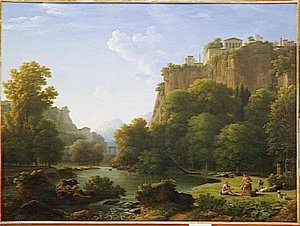
- Notable Works & Patronage: Among Bidauld’s most celebrated paintings is “View of the Bridge and Part of the Town of Cava,” a breathtaking depiction of Lake Cellano and Mount Vesuvius commissioned by the Royal Family of Naples—a testament to his ability to convey grandeur and serenity simultaneously. His landscapes were admired by fellow artists like Camille Corot, who recognized Bidauld’s understated mastery of tonal harmony and compositional balance.
- Legacy & Decline: Despite considerable success during his lifetime, Bidauld experienced a notable decline in popularity after the mid-1820s—primarily due to disputes surrounding the Salon jury and its perceived bias against younger artists like Théodore Rousseau. This controversy overshadowed his artistic achievements and contributed to his impoverished circumstances upon his death in 1846. Nevertheless, Bidauld’s landscapes endure as emblems of Romantic sensibility, embodying a quiet contemplation of nature that continues to resonate with viewers today.
joseph pierre xavier bidauld
1758 - 1846
Quick Facts
- Artistic Movement Or Style: Romantic Landscape
- Artists Or Movements Influenced By This Artist: ['Barbizon School']
- Artists Who Influenced This Artist: ['Camille Corot']
- Date Of Birth: April 10, 1758
- Date Of Death: October 20, 1846
- Full Name: Jean-Joseph-Xavier Bidauld
- Nationality: French
- Notable Artworks: ['View of the Bridge and Part of the Town of Cava']
- Place Of Birth: Carpentras, France

