 Preview
 Send
Send Share
Share
 Details

 Download
 Similars
 X-Ray
X-Ray Diaporama
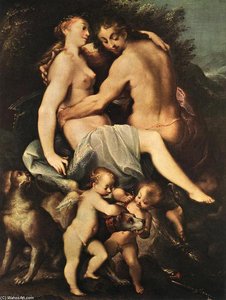
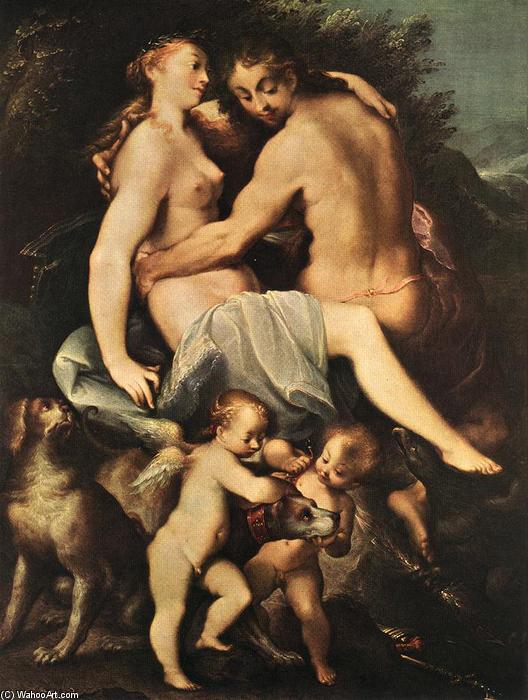
Adonis Parting from Venus
 Oil On Canvas
- WallArt
- Baroque
 Early Modern
 40.0 x 31.0 cm
 Kunsthistorisches Museum
 Read More
Hand Made Oil Reproduction
Hand-painted oil on canvas in your size and frame, made to order by our artists. ( Buy Print Buy Image)




P118B $10

P118H $10

P118W $10

P438Z $10

P508JH $12

P508YH $12

P805H $10

P805Z $10

P919BZ $10

P919G $10

P919XJ $10

P959ZH $10

P968JZ $12

W106C $8

W218G $10

W218JH $8

W218Y $10

W307PJ $10

W316G $10

W316PJ $8

W316Y $10

W398PJ $8

W4111J $10

W500HY $15

W500JH $15

W692G $12

W849H $8

W940BG $15

W953PJ $8




Pick from our preset sizes that match the artwork's original proportions.

You may enter your own dimensions to fit a specific frame or space. If your selected size does not match the original image's proportions, we will either crop the artwork or extend the painting with additional hand-painted elements. A digital mockup will be sent for your approval before production begins.
Please note that the on-screen preview does not reflect the actual cropping or extension. Only the mockup will accurately show the final composition.
While custom sizes are available, we recommend selecting a dimension from the predefined list to preserve the original proportions.
After order, ArtsDot.com team will email client for instructions and provide a mockup preview
Worldwide Delivery () in 3/4 weeks instead of standard 5 weeks. (16 August). No compromise on quality.

Free Worldwide Express Shipping

High-Quality Linen Canvas

Full Shipping Insurance

Customs Tax Refund Guarantee

True Color Matching Guarantee

60-Day Return Policy (Defects Only)

100% Money-Back Guarantee

Bulk Discount Offer
 Glass option is only available in size under 110 CM

Adonis Parting from Venus
Reproduction Medium
Reproduction Size
-


Total Price
$ 263
Artwork Description
The Poignant Farewell: Adonis Parting from Venus
To gaze upon this depiction of Adonis Parting from Venus is to step directly into the heart of classical mythology, where beauty, love, and inevitable separation intertwine in a moment of profound sorrow. The scene captures not merely an encounter, but a poignant farewell—a visual elegy rendered with breathtaking skill. On one side, Adonis, the youthful embodiment of springtime vitality, stands clad in light hues, his gaze already weighted with the melancholy of departure. He holds the bow of the hunter, suggesting a life lived between earthly pursuits and divine affections. Opposite him, Venus, the goddess herself, radiates divine sorrow; her long hair seems to mirror the weight of her parting emotions as she bids adieu to her beloved.
Baroque Drama and Masterful Technique
The artistic hand at work here speaks eloquently of the Baroque period. One can almost feel the dramatic tension captured by the artist, Joseph Heintz the Elder. The technique is characterized by a masterful interplay of light and shadow—the very essence of Baroque drama. Light does not simply illuminate; it sculpts emotion onto the figures' faces and drapery folds. Observe how the warm earth tones dominate the palette, lending an immediate sense of timeless grandeur to the landscape that frames them. This rich colorism, combined with the detailed rendering of every fold in Adonis’ tunic or every curl in Venus’ hair, elevates the piece beyond mere portraiture into a grand narrative statement.
Symbolism Woven into the Landscape
The composition is a carefully orchestrated balance that guides the viewer's eye across the emotional spectrum. At the center, Cupid, the god of love, acts as a sympathetic witness, his presence suggesting that even in separation, the threads of affection remain taut. Below the divine figures, the loyal dogs anchor the scene with an earthly sense of companionship, while the backdrop—a lush landscape punctuated by mountains and trees under a sky hinting at dawn or dusk—provides the perfect stage for mythic drama. These elements are not decorative; they are symbolic anchors, grounding the ethereal emotions in a tangible, natural world.
An Echo of Enduring Romance
For the collector or designer seeking an object imbued with narrative depth, this reproduction offers more than just decoration; it offers contemplation. It speaks to the universal human experience of letting go—the beauty inherent in parting. The emotional resonance is palpable: a mixture of yearning, acceptance, and enduring love. Owning such a piece allows one to curate a space that feels both classically inspired and deeply personal, inviting quiet moments of reflection amidst the vibrant drama of gods and mortals.
Related Artworks

Artist Biography
Michelangelo Buonarroti: A Titan of the Renaissance
Michelangelo, a name synonymous with artistic genius, remains one of the most profoundly influential figures in Western art history. Born March 6th, 1475, in Caprese, Italy – a small village near Florence – his life was a relentless pursuit of perfection across sculpture, painting, architecture, and poetry. He wasn’t merely an artist; he was a sculptor first and foremost, viewing the other disciplines as extensions of his core craft. His legacy isn't simply defined by individual masterpieces but by the revolutionary techniques and emotional depth he brought to his art, forever altering the course of artistic expression.Early Life and Artistic Training
Michelangelo’s early years were marked by a restless spirit and a clear divergence from traditional family expectations. Unlike many young men destined for mercantile pursuits, Michelangelo displayed an unwavering fascination with stone and form. His father, Leonardo di Buonarrota Simoni, recognizing his son's artistic inclinations, apprenticed him at the age of thirteen to Domenico Ghirlandaio, a prominent Florentine painter. This initial training provided a crucial foundation in fresco technique and observation of the natural world – skills that would later inform his monumental works. However, it was Lorenzo de’ Medici, the powerful ruler of Florence, who truly shaped Michelangelo's early development. The Medici family’s patronage afforded him access to the finest sculptors and artists of the time, including Bertoldo di Giovanni, exposing him to classical ideals and fostering a deep appreciation for human anatomy and form. Crucially, he spent years studying the tombs of Roman emperors in the Medici’s private collection, absorbing the grandeur and emotional power of ancient sculpture – an influence that would profoundly impact his own work.Sculptural Masterpieces: David and Pieta
Michelangelo's sculptural achievements are arguably his most enduring legacy. The creation of *David* (1501-1504) in Florence stands as a testament to the artist’s mastery of human anatomy and psychological depth. Carved from a single block of marble, the statue embodies youthful strength, poised determination, and an almost palpable sense of anticipation before battle. It wasn't simply a depiction of a biblical hero; it was a celebration of human potential and civic virtue – a powerful symbol of Florence’s republican ideals. Equally iconic is the *Pieta* (1498-1499), commissioned for St. Peter’s Basilica in Rome. This deeply moving sculpture portrays Mary cradling the body of Christ, demonstrating an unparalleled ability to convey grief, tenderness, and spiritual serenity. The sheer realism of the figures, combined with the delicate handling of marble, created a work that continues to evoke profound emotional responses centuries later.The Sistine Chapel Ceiling: A Divine Vision
Perhaps Michelangelo’s most ambitious undertaking was the fresco painting on the ceiling of the Sistine Chapel in Vatican City (1508-1512). Pope Julius II initially commissioned a monumental equestrian statue, but Michelangelo, struggling with the project and seeking artistic freedom, shifted his focus to the chapel's ceiling. The resulting frescoes are a breathtaking spectacle of biblical narrative – scenes from Genesis, including *The Creation of Adam*, which has become one of the most reproduced images in art history. The sheer scale of the undertaking, combined with Michelangelo’s innovative use of color and dynamic composition, pushed the boundaries of fresco painting and established him as the foremost painter of his time. Working on his back for years, often in uncomfortable positions, he poured his entire being into this monumental work, a testament to his dedication and artistic vision.Architectural Contributions and Legacy
While celebrated primarily as a sculptor and painter, Michelangelo’s architectural contributions were equally significant. He designed the dome of St. Peter's Basilica in Rome, a feat of engineering and artistry that dramatically transformed the skyline of the city. He also oversaw the design of the Piazza del Campidoglio in Rome, a masterpiece of urban planning that exemplifies Renaissance ideals of harmony and proportion. Beyond his specific projects, Michelangelo’s influence extended far beyond his lifetime. His emphasis on anatomical accuracy, emotional intensity, and dramatic composition profoundly impacted subsequent generations of artists – from Raphael to Bernini. He remains an enduring symbol of artistic genius, a testament to the transformative power of human creativity, and a cornerstone of Western art history. His works continue to inspire awe and wonder, reminding us of the profound beauty and complexity that can be achieved through dedicated artistry.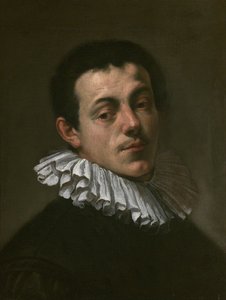
joseph the elder heintz (heinz)
1564 - 1609 , Switzerland
Quick Facts
- Artistic Movement Or Style: Renaissance, Mannerism, Early Renaissance
- Artists Or Movements Influenced By This Artist:
- Raphael
- Bernini
- Artists Who Influenced This Artist:
- Donatello
- Leonardo da Vinci
- Date Of Birth: March 6, 1475
- Date Of Death: February 18, 1564
- Full Name: Michelangelo di Lodovico Buonarroti Simoni
- Nationality: Italian
- Notable Artworks:
- David
- Pieta
- Sistine Chapel ceiling
- Last Judgment
- Place Of Birth: Caprese, Italy
Related Articles

Baroque Drama: Bringing Opulence & Emotion into Contemporary Interiors
Explore the opulent world of Baroque interior design! Discover key elements, modern applications & how to bring dramatic elegance into your home with 's authentic reproductions.
Echoes of Olympus: Mythological Narratives in Western Art Through the Ages
Explore the captivating history of mythological narratives in Western art! From ancient Greece to modern masterpieces, discover iconic artworks & symbolism. Expert analysis and high-quality reproductions at ArtsDot.

The Dramatic Flourish: Exploring the Baroque Movement's Enduring Legacy in Art History
Explore the dramatic world of Baroque art! Discover iconic artists like Caravaggio & Rubens, defining techniques, and its lasting impact on art history. Expert insights for collectors & enthusiasts at ArtsDot.

Baroque Masterpieces: 10 Paintings That Defined an Era |
Journey through the drama & grandeur of Baroque art! Explore 10 masterpieces by Caravaggio, Rembrandt, Rubens & more. Discover stunning oil paintings, rich colors & timeless stories. Find museum-quality reproductions at .

The Visceral Stage: Exploring Dramatic Narratives & Emotional Intensity in Baroque Art
Explore the dramatic world of Baroque art! Discover iconic masters like Caravaggio & Rembrandt, their techniques, and the movement's lasting impact. Expert insights for collectors & enthusiasts at ArtsDot.