Preview
 Send
Send Share
Share
 Details

 Download
 Similars
 X-Ray
X-Ray Diaporama
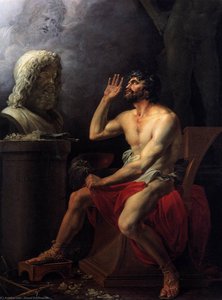
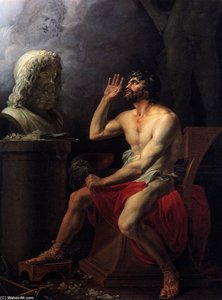
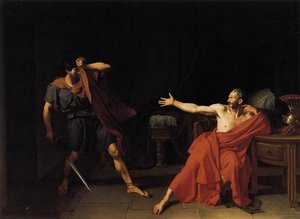
Phidias Chiselling the Bust of Zeus
 Oil
Oil- WallArt
- Baroque
 1802
1802- 19th Century
 99.0 x 74.0 cm
 Academy of Fine Arts Vienna
 Read More
Hand Made Oil Reproduction
Hand-painted oil on canvas in your size and frame, made to order by our artists. ( Buy Print Buy Image)




P118B $10

P118H $10

P118W $10

P438Z $10

P508JH $12

P508YH $12

P805H $10

P805Z $10

P919BZ $10

P919G $10

P919XJ $10

P959ZH $10

P968JZ $12

W106C $8

W218G $10

W218JH $8

W218Y $10

W307PJ $10

W316G $10

W316PJ $8

W316Y $10

W398PJ $8

W4111J $10

W500HY $15

W500JH $15

W692G $12

W849H $8

W940BG $15

W953PJ $8




Pick from our preset sizes that match the artwork's original proportions.

You may enter your own dimensions to fit a specific frame or space. If your selected size does not match the original image's proportions, we will either crop the artwork or extend the painting with additional hand-painted elements. A digital mockup will be sent for your approval before production begins.
Please note that the on-screen preview does not reflect the actual cropping or extension. Only the mockup will accurately show the final composition.
While custom sizes are available, we recommend selecting a dimension from the predefined list to preserve the original proportions.
After order, ArtsDot.com team will email client for instructions and provide a mockup preview
Worldwide Delivery () in 3/4 weeks instead of standard 5 weeks. (28 August). No compromise on quality.

Free Worldwide Express Shipping

High-Quality Linen Canvas

Full Shipping Insurance

Customs Tax Refund Guarantee

True Color Matching Guarantee

60-Day Return Policy (Defects Only)

100% Money-Back Guarantee

Bulk Discount Offer
 Glass option is only available in size under 110 CM

Phidias Chiselling the Bust of Zeus
Reproduction Medium
Reproduction Size
-


Total Price
$ 263
A Moment Frozen in Marble and Spirit
In the evocative masterpiece Phidias Chiselling the Bust of Zeus, the late 18th-century Hungarian master József Dorffmeister invites us into a profound moment of creative transcendence. The painting captures the legendary Greek sculptor Phidias caught in a state of intense spiritual and physical exertion as he works upon the divine features of Zeus. There is a palpable tension in the air, a sense that the boundary between the mortal artist and the immortal deity is thinning with every strike of the chisel. Dorffmeister utilizes a dramatic composition where the subject’s raised hands and expressive gestures suggest not just manual labor, but a form of prayerful communication with the divine. The rich, crimson tones of his robes provide a striking focal point against the surrounding scene, drawing the eye toward the heart of this creative struggle.
The atmosphere of the work is thick with the theatricality characteristic of the late Baroque and early Romantic transitions. As we gaze upon the scene, we are not merely observers of a workshop, but witnesses to a historical drama. The presence of other figures in the background—some seated in quiet contemplation, others standing as silent sentinators of the process—adds layers of social and narrative depth. A subtle inclusion of a clock on the wall serves as a poignant memento mori, reminding the viewer of the fleeting nature of human life in contrast to the eternal endurance of the stone and the gods it seeks to represent. This interplay between the temporal and the eternal is what gives Dorffmeister’s work its enduring emotional resonance.
Technical Mastery and Aesthetic Elegance
Technically, this piece stands as a testament to Dorffmeister’s exceptional ability to manipulate light and shadow to evoke emotion. The artist employs a sophisticated use of chiaroscuro, allowing light to dance across the textures of fabric, skin, and stone. This technique breathes life into the inanimate, making the marble of the bust appear almost soft under the sculptor's touch, while simultaneously highlighting the rugged determination in Phidias’s posture. For the discerning collector or interior designer, this painting offers a magnificent sense of depth and movement that can anchor a room with its classical gravity.
The color palette is both warm and commanding, making it an ideal centerpiece for spaces that require a touch of historical prestige and intellectual stimulation. Whether placed in a grand library, a formal dining hall, or a sophisticated contemporary study, the painting brings with it a legacy of European fine art. Owning a high-quality reproduction of this work means more than just decorating a wall; it is about curating an environment of reflection, celebrating the timeless human pursuit of beauty and the eternal quest to capture the divine through the medium of art.
Related Artworks

Artist Biography
The Baroque Vision of József Dorffmeister
József Dorffmeister, born in Sopron, Hungary, in 1764, was a pivotal figure in the late 18th-century Hungarian art scene – a painter deeply rooted in the traditions of Baroque and Rococo, yet possessing a distinctly individual vision. His life, tragically cut short at the age of forty-three in 1807, coincided with a period of significant artistic ferment within the Habsburg Empire, a time when established styles were being challenged by emerging Romantic ideals. Dorffmeister’s work offers a fascinating glimpse into this transitional era, showcasing both technical mastery and a profound sensitivity to religious subject matter and the human condition. He wasn't merely a craftsman; he was an interpreter of faith and emotion, meticulously rendering scenes that resonated with spiritual depth and dramatic intensity.Early Life and Artistic Training
Dorffmeister’s artistic journey began within his family – his father, also named József Dorffmeister (or Dorffmaister), was a respected painter in his own right, primarily working as an architect painter. This familial connection provided him with an invaluable foundation, immersing young József in the practicalities and aesthetics of visual representation from an early age. He received formal training at the Vienna Academy, a prestigious institution that nurtured numerous talents during this period. However, unlike many of his contemporaries who sought to emulate the grand styles of Italian masters, Dorffmeister seemed to absorb the lessons of the Academy while simultaneously forging his own unique approach – one characterized by a rich palette, dynamic compositions, and an almost theatrical use of light and shadow.Religious Art and Architectural Decoration
Dorffmeister’s most enduring legacy lies in his prolific output of religious paintings and architectural decorations. He was particularly sought after for his frescoes, adorning significant buildings throughout Hungary and beyond. The Episcopal Palace in Szombathely stands as a testament to his skill, housing a breathtaking cycle of scenes from the life of Christ – works that demonstrate his ability to convey profound emotion through carefully rendered figures and evocative settings. Similarly, his contributions to the Rippl-Rónai Museum in Győr are equally impressive, showcasing his talent for creating immersive environments filled with spiritual resonance. These commissions demanded not only artistic skill but also a deep understanding of architectural principles and decorative techniques, further refining his craft.Key Characteristics and Artistic Style
Dorffmeister’s style is often described as Baroque, yet it possesses subtle nuances that distinguish him from purely traditional practitioners. His compositions are frequently dynamic and theatrical, employing diagonal lines and dramatic gestures to draw the viewer's eye and heighten emotional impact. He favored a rich, saturated color palette – deep reds, blues, and golds dominating his works—creating a sense of opulence and grandeur. A key element of his style is his masterful use of chiaroscuro, the interplay of light and shadow, which he employed to sculpt forms, create depth, and imbue his scenes with an atmosphere of mystery and drama. His portraits, though less numerous than his religious works, reveal a keen eye for capturing personality and a subtle understanding of psychological expression.Influences and Legacy
While firmly rooted in the Baroque tradition, Dorffmeister’s work was undoubtedly influenced by the artistic currents of his time. The influence of Italian artists like Caravaggio and Rubens is evident in his dramatic use of light and shadow, while the burgeoning Romantic movement—with its emphasis on emotion and individualism—can be glimpsed in his heightened sense of drama and psychological depth. József Rippl-Rónai, a contemporary painter who also worked extensively in Szombathely, shared Dorffmeister’s artistic sensibilities and often collaborated with him. Today, Dorffmeister's paintings are housed primarily in the Rippl-Rónai Museum in Győr and the Szombathely Episcopal Palace, offering visitors a rare opportunity to experience the beauty and power of his Baroque vision. His work continues to be studied and admired for its technical skill, emotional depth, and enduring spiritual resonance, solidifying his place as one of Hungary’s most important 18th-century painters.
józsef dorffmeister
1764 - 1807 , Hungary
Quick Facts
- Artistic Movement Or Style: Baroque Frescoes
- Artists Or Movements Influenced By This Artist: ['Rippl-Rónai']
- Artists Who Influenced This Artist: ['Father Dorffmeister']
- Date Of Birth: 1764, Sopron
- Date Of Death: 1807, Sopron
- Full Name: József Dorffmeister
- Nationality: Hungarian
- Notable Artworks: ['Phidias Chiselling the Bust of Zeus']
- Place Of Birth: Sopron, Hungary
Related Articles

Baroque Classicism: Reconciling Drama & Order in 17th-Century Art
Explore the captivating world of Baroque Classicism! Discover its history, key artists like Caravaggio & Rubens, and defining characteristics. Expert insights & high-quality reproductions at ArtsDot.

Crimson Threads of Narrative: Exploring Symbolism & Representation in Artworks Featuring the Red Dress
Explore the rich symbolism of the red dress in art history! From ancient power displays to iconic portraits like Cézanne’s 'Madame Cezanne', discover the cultural and artistic significance behind this captivating color. Expert analysis & insights.

Baroque Drama: Bringing Opulence & Emotion into Contemporary Interiors
Explore the opulent world of Baroque interior design! Discover key elements, modern applications & how to bring dramatic elegance into your home with 's authentic reproductions.

Baroque Masterpieces: 10 Paintings That Defined an Era |
Journey through the drama & grandeur of Baroque art! Explore 10 masterpieces by Caravaggio, Rembrandt, Rubens & more. Discover stunning oil paintings, rich colors & timeless stories. Find museum-quality reproductions at .
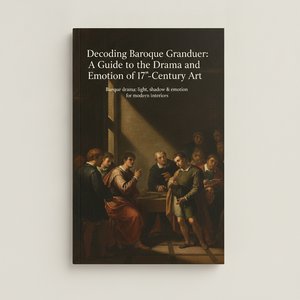
Decoding Baroque Grandeur: A Guide to the Drama and Emotion of 17th-Century Art
Explore the breathtaking drama of 17th-century Baroque art. Our expert guide decodes the use of chiaroscuro, emotional intensity, and historical grandeur to help you appreciate and curate timeless masterpieces for your collection.