 Preview
 Send
Send Share
Share
 Details

 Download
 Similars
 X-Ray
X-Ray Diaporama
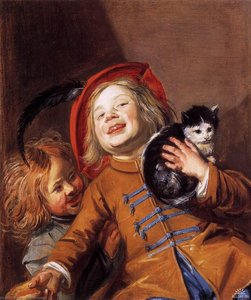
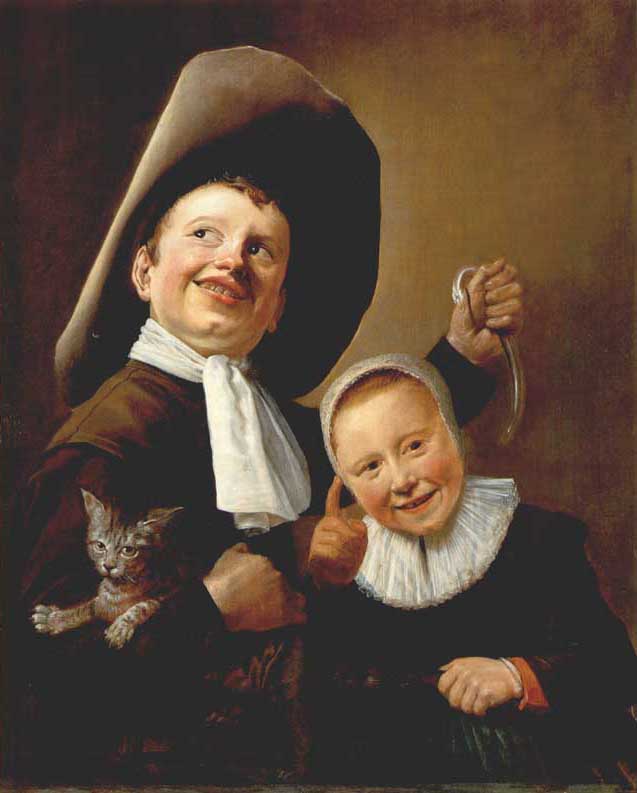
A Boy and a Girl with a Cat and an Eel
 Oil On Canvas
- WallArt
- Dutch Golden Age
 59.0 x 49.0 cm
 National Gallery
 Read More
Giclée / Art Print
Museum-quality giclée or canvas print with fast production and flexible finish options. ( Buy Hand Made Painting Buy Image)




P118B $10

P118H $10

P118W $10

P438Z $10

P508JH $12

P508YH $12

P805H $10

P805Z $10

P919BZ $10

P919G $10

P919XJ $10

P959ZH $10

P968JZ $12

W106C $8

W218G $10

W218JH $8

W218Y $10

W307PJ $10

W316G $10

W316PJ $8

W316Y $10

W398PJ $8

W4111J $10

W500HY $15

W500JH $15

W692G $12

W849H $8

W940BG $15

W953PJ $8




Pick from our preset sizes that match the artwork's original proportions.

You may enter your own dimensions to fit a specific frame or space. If your selected size does not match the original image's proportions, we will either crop the artwork or extend the image with a mirrored or solid-fill edge. A digital mockup will be sent for your approval before production begins.
Please note that the on-screen preview does not reflect the actual cropping or extension. Only the mockup will accurately show the final composition.
While custom sizes are available, we recommend selecting a dimension from the predefined list to preserve the original proportions.
Worldwide Delivery () in 2 weeks instead of standard 4/5 weeks. (22 August)

Free Worldwide Express Shipping

High-Quality Linen Canvas

Full Shipping Insurance

Customs Tax Refund Guarantee

True Color Matching Guarantee

60-Day Return Policy (Defects Only)

100% Money-Back Guarantee

Bulk Discount Offer
 Glass option is only available in size under 110 CM

A Boy and a Girl with a Cat and an Eel
Giclée / Art Print
Reproduction Size
-


Total Price
$ 63
Collectible Description
A Glimpse of Dutch Life: "A Boy and a Girl with a Cat and an Eel" by Judith Leyster
Judith Jans Leyster’s “A Boy and a Girl with a Cat and an Eel,” painted circa 1635, is more than just a charming domestic scene; it's a captivating window into the vibrant world of 17th-century Holland. This seemingly simple portrayal of children interacting with animals and a curious eel offers a rich tapestry of social commentary, playful mischief, and subtle artistic brilliance that continues to intrigue art historians and collectors alike. Housed within the National Gallery in London, the painting’s diminutive size – measuring just 59 x 49 cm – belies the depth of its narrative and the meticulous detail with which Leyster rendered her subjects.
Leyster's style is immediately recognizable as a masterful blend of realism and a distinctly Dutch sensibility. She eschews the rigid formality often associated with courtly portraiture, opting instead for a relaxed, almost spontaneous approach. The figures are depicted in natural poses, engaging in everyday activities—a boy gesturing towards something unseen, a girl playfully directing her finger – creating an immediate sense of intimacy and immediacy. Her use of light is particularly noteworthy; it’s diffused and warm, bathing the scene in a gentle glow that emphasizes the textures of fabrics, fur, and skin. This masterful manipulation of chiaroscuro adds depth and drama to the composition, drawing the viewer's eye to the central figures while subtly hinting at the underlying narrative.
Decoding the Symbols: A Tapestry of Dutch Proverbs
The painting’s enduring appeal lies partly in its layered symbolism. Beyond the immediate depiction of children and animals, Leyster cleverly incorporates elements rooted in Dutch folklore and proverbs. The eel itself is a particularly intriguing symbol; it's often interpreted as representing a “cat-eel,” a term used to describe a cat that has been lured into a trap – a metaphor for someone who has become entangled in a difficult situation. The boy’s gesture, pointing towards something off-canvas, has fueled considerable debate among scholars. Some suggest it alludes to the proverb "Een aal bij de staart hebben," meaning “to hold an eel by the tail,” implying a precarious grasp on something that is slipping away. Others propose connections to kermis games involving cats and eels, reflecting popular entertainment of the time.
The girl’s finger-wagging adds another layer of complexity. It's not simply a reprimand; it suggests a playful challenge or perhaps even a warning. Her expression is ambiguous, inviting viewers to interpret her intentions – is she playfully teasing her brother, or subtly hinting at mischief? This ambiguity is characteristic of Leyster’s work and contributes significantly to the painting’s enduring fascination.
A Pioneer in a Male-Dominated World
Judith Jans Leyster's life and career were remarkable for their time. Born in Haarlem in 1609, she navigated a predominantly male art world, becoming one of the first female artists to be admitted to the St. Luke’s Guild – a significant achievement that underscored her talent and dedication. Despite facing considerable challenges and often being overshadowed by her male counterparts, Leyster produced a prolific body of work encompassing portraits, genre scenes, still lifes, and even illustrations for books. Her rediscovery in 1893 after decades of obscurity is a testament to the enduring value of her art and a reminder that artistic merit transcends gender.
The Enduring Appeal: A Masterpiece of Dutch Genre Painting
"A Boy and a Girl with a Cat and an Eel" remains a powerful example of Dutch Golden Age genre painting. It’s not merely a depiction of childhood; it's a nuanced exploration of human interaction, social customs, and the subtle complexities of everyday life. Leyster’s masterful technique, combined with her insightful use of symbolism, creates a work that is both visually stunning and intellectually stimulating. Reproductions of this captivating painting continue to resonate with art lovers today, offering a glimpse into a bygone era and reminding us of the enduring power of art to illuminate the human experience.
Related Artworks

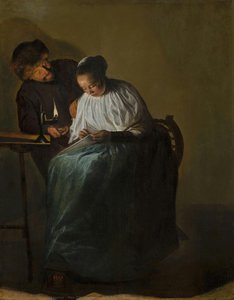
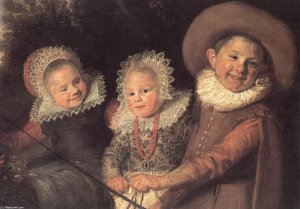
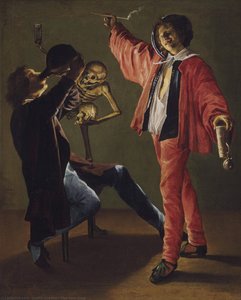
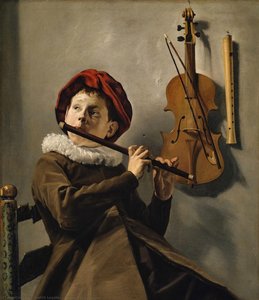
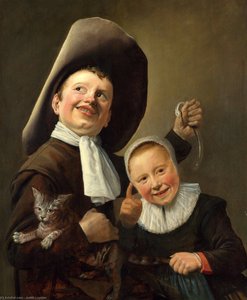
Artist Biography
early life and training
judith jans leyster, a pioneering female painter, was born in july 1609 in haarlem, netherlands. she was the eighth child of jan willemsz leyster, a cloth maker who later became a brewer. while her training is not well-documented, it's believed that she learned painting from frans pietersz de grebber, a respected artist with a workshop in haarlem.artistic career
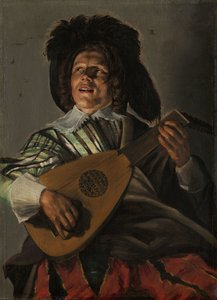
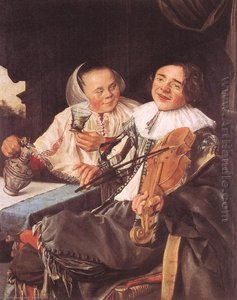
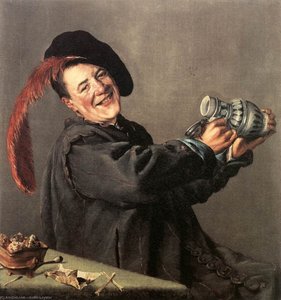
leyster's first known signed works, serenade and jolly topper, date back to 1629 when she was just twenty years old. by 1633, she became a member of the haarlem guild of st. luke, making her one of the first female artists to be part of this prestigious organization.notable works and collaborations
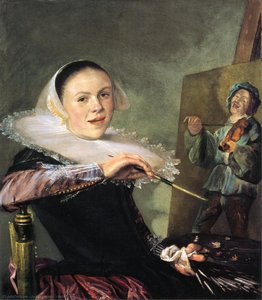
some of leyster's notable works include:- self-portrait (c. 1633), now at the national gallery of art, washington, d.c., which may have been her presentation piece to the guild.
- two illustrations in a book about tulips from 1643, showcasing her versatility.
- a portrait from 1652 and a still life from 1654, discovered in a private collection in the 21st century, demonstrate her enduring skill.
legacy and rediscovery
despite being highly regarded by her contemporaries, leyster's work was largely forgotten after her death in 1660. it wasn't until 1893 that she was rediscovered, and scholars began to correctly attribute her works. today, her paintings are recognized as significant contributions to the dutch golden age.- explore more of leyster's works on ArtsDot.com.
- learn about the dutch golden age and its notable artists at wikipedia.
- discover other female artists from the era on the dutch golden age art movement page.
conclusion
judith jans leyster's trailblazing career as a female painter in the 17th century netherlands has left an indelible mark on art history. her rediscovery and recognition serve as a testament to her enduring talent and the evolving perception of women in the art world. museum name: national gallery of art, washington, d.c.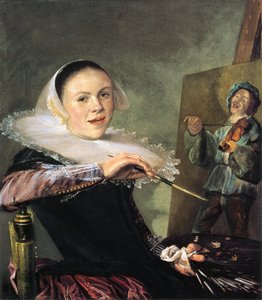
judith jans leyster
1609 - 1660 , Netherlands
Quick Facts
- Artistic Movement Or Style: Dutch Golden Age
- Artists Or Movements Influenced By This Artist: ['Jan Miense Molenaer']
- Artists Who Influenced This Artist: ['Frans Pietersz de Grebber']
- Date Of Birth: July 28, 1609
- Date Of Death: February 10, 1660
- Full Name: Judith Jans Leyster
- Nationality: Dutch
- Notable Artworks:
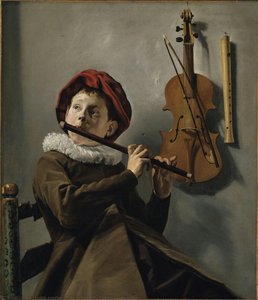
- Young Flute Player
- Merry Company
- Jolly Toper
- Place Of Birth: Haarlem, Netherlands
Related Articles

Illuminating a Century of Change: Artistic Expression & Societal Shifts in 17th-Century Europe
Explore the artistic brilliance of the 17th-century Dutch Golden Age & Baroque period. Discover Rembrandt, genre painting, and chiaroscuro techniques. Expert insights for art lovers & collectors.

The Enduring Legacy of Oil on Canvas: Technique, History & Aesthetic Impact
Explore the rich history & techniques of oil painting – from Renaissance masters to Impressionism. Discover pigments, layering methods, and why this timeless medium endures. Expert insights for artists & art enthusiasts.

Golden Age Reflections: Dutch Baroque Painting & Cultural Innovation
Explore the Dutch Golden Age of painting! Discover key artists like Vermeer & ter Borch, their innovative techniques, and the rich cultural context behind these Baroque masterpieces. Learn about collecting & appreciating this iconic art period.

Oil on Canvas: A Historical & Technical Exploration of a Timeless Artistic Medium
Explore the rich history & enduring techniques of oil painting on canvas. Discover the science behind its longevity, conservation practices, and contemporary relevance. Expert insights for art enthusiasts.
Masterpieces of the 17th Century: Art, History & Decor Inspiration | ArtsDot
Journey through 17th century art with masterpieces by Rembrandt, Vermeer & Caravaggio. Explore Baroque paintings, Dutch Golden Age techniques & timeless beauty. Find museum-quality reproductions and elevate your home decor on ArtsDot.com.