 Preview
 Send
Send Share
Share
 Details

 Download
 Similars
 X-Ray
X-Ray Diaporama
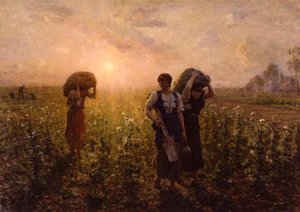
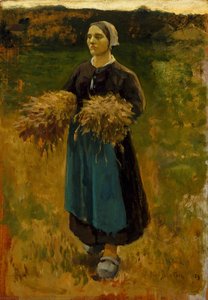
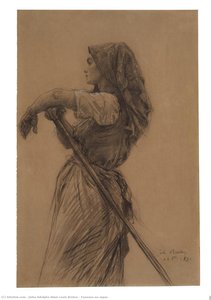
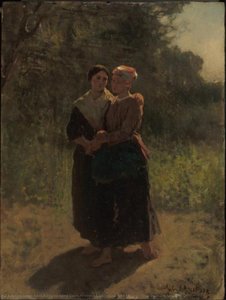
Fin du travail (also known as A travers champs)


 Read More
Hand Made Oil Reproduction
Hand-painted oil on canvas in your size and frame, made to order by our artists. ( Buy Print Buy Image)




P118B $10

P118H $10

P118W $10

P438Z $10

P508JH $12

P508YH $12

P805H $10

P805Z $10

P919BZ $10

P919G $10

P919XJ $10

P959ZH $10

P968JZ $12

W106C $8

W218G $10

W218JH $8

W218Y $10

W307PJ $10

W316G $10

W316PJ $8

W316Y $10

W398PJ $8

W4111J $10

W500HY $15

W500JH $15

W692G $12

W849H $8

W940BG $15

W953PJ $8




Pick from our preset sizes that match the artwork's original proportions.

You may enter your own dimensions to fit a specific frame or space. If your selected size does not match the original image's proportions, we will either crop the artwork or extend the painting with additional hand-painted elements. A digital mockup will be sent for your approval before production begins.
Please note that the on-screen preview does not reflect the actual cropping or extension. Only the mockup will accurately show the final composition.
While custom sizes are available, we recommend selecting a dimension from the predefined list to preserve the original proportions.
After order, ArtsDot.com team will email client for instructions and provide a mockup preview
Worldwide Delivery () in 3/4 weeks instead of standard 5 weeks. (26 August). No compromise on quality.

Free Worldwide Express Shipping

High-Quality Linen Canvas

Full Shipping Insurance

Customs Tax Refund Guarantee

True Color Matching Guarantee

60-Day Return Policy (Defects Only)

100% Money-Back Guarantee

Bulk Discount Offer
 Glass option is only available in size under 110 CM

Fin du travail (also known as A travers champs)
Reproduction Medium
Reproduction Size
-


Total Price
$ 263
Artwork Description
A Golden Afternoon in the French Countryside
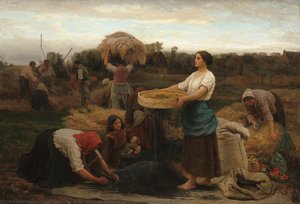
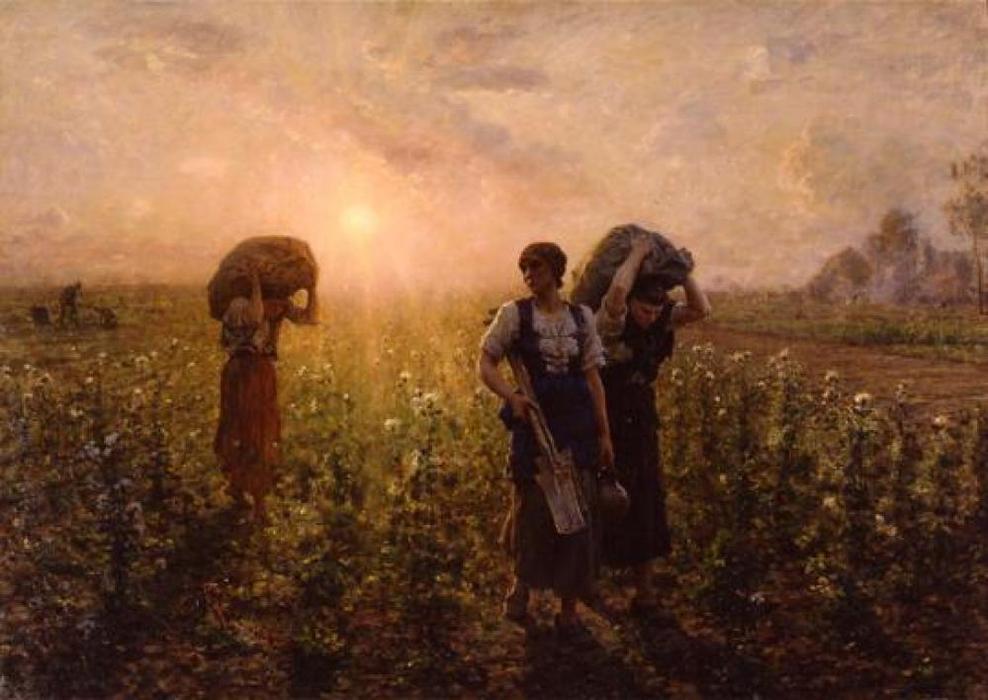
In the soft, amber glow of a late nineteenth-century afternoon, Jules Adolphe Aimé Louis Breton invites us to step into a world where time seems to slow to the rhythm of a gentle breeze. His 1886 masterpiece, Fin du travail (also known as A travers champs), is far more than a mere depiction of a landscape; it is a poetic meditation on the conclusion of a day's toil. As we gaze upon the canvas, we find ourselves walking alongside three figures traversing an expansive field, their silhouettes softened by the warm, golden light that bathes the French countryside. There is a profound sense of movement and purpose in their stride, yet it is tempered by an overwhelming atmosphere of peace and tranquility that settles over the viewer like a summer dusk.
The composition captures a moment of transition, where the heavy burdens of labor are carried home under the watchful eye of a serene sky. Breton, a master of French Realism, utilizes his brush to weave a tapestry of light and texture that breathes life into the mundane. The way the sunlight catches the edges of the travelers' belongings and illuminates the scattered greenery creates a luminous quality that feels almost ethereal. For the collector or interior designer, this painting offers a window into a lost era of pastoral simplicity, providing a focal point that radiates warmth and a sense of groundedness to any sophisticated space.
The Dignity of Labor and the Realist Vision
To understand the soul of Fin du travail, one must look to the artistic lineage of Jules Breton. Having been shaped by the uncompromising influence of Gustave Courbet, Breton embraced the mission of Realism: to portray life with an unflinching eye for truth and a deep respect for the subject matter. In this work, he avoids the overly dramatic or the artificial, choosing instead to find the sublime within the everyday. The figures in the field are not mere decorations; they represent the dignity of the peasantry and the quiet heroism found in the repetitive, essential cycles of rural life.
The technique employed here is a testament to Breton's ability to balance accuracy with emotion. Through a masterful use of warm color palettes—golds, soft greens, and earthy ochres—he creates a sense of harmony between the human subjects and the natural world. The subtle interplay of light and shadow does not just define form; it evokes a feeling of nostalgia and reverence for the land. This emotional resonance is what makes a high-quality reproduction of this piece so captivating; it brings not just a beautiful image into a home, but an enduring spirit of serenity and a connection to the historical heart of France.
An Eternal Inspiration for the Modern Interior
For those seeking to curate an environment of contemplative beauty, Fin du travail serves as an exquisite inspiration. Its soft light and naturalistic themes make it a versatile masterpiece, capable of anchoring a room with its quiet strength. Whether placed in a sun-drenched library or a contemporary living space, the painting acts as a visual respite from the frenetic pace of modern existence. The artwork invites the observer to pause, breathe, and reflect on the simple beauty of the natural world.
Owning a hand-painted reproduction of this work allows for a deep appreciation of Breton's brushwork and his unique ability to capture the essence of the French landscape. It is an investment in atmosphere—a way to surround oneself with the timeless elegance of 19th-century Realism. As the light changes throughout the day in your own home, the golden hues of Fin du travail will continue to cast its soothing glow, reminding all who see it of the enduring beauty found in the quiet conclusion of a day's work.
Related Artworks
Artist Biography
The Poet of the French Countryside
Jules Breton (1827–1906) stands as a cornerstone of French Realism, an artistic movement dedicated to portraying life accurately and truthfully without embellishment—a mission he embraced wholeheartedly in his canvases. Born in the small village of Courrières in the Pas-de-Calais region of northern France, Breton’s early life was marked by modest circumstances but fueled by an unwavering passion for observation and representation. His upbringing, deeply rooted in the agriculturally rich Artois landscape, instilled in him a profound respect for tradition and a love for the land that would remain central to his art throughout his long career. The loss of his mother at a young age and his upbringing by his father, who supervised land for a wealthy landowner, provided him with an intimate connection to the rhythms of rural existence.
While many of his contemporaries sought the grandeur of mythological or historical subjects, Breton turned his gaze toward the dignity of the common laborer. He possessed a rare ability to elevate the everyday—the gleaners, the harvesters, and the shepherds—treating them with an academic grace traditionally reserved for classical figures. This unique synthesis allowed him to become one of the primary transmitters of an idyllic vision of rural life, capturing the beauty of the French countryside through a lens that was both deeply naturalist and profoundly poetic.
Artistic Evolution and the Realist Spirit
Breton’s artistic journey was shaped by a rigorous commitment to the principles of Realism and Naturalism. His early training, which included studies at the College St. Bertin, eventually led him toward a more profound engagement with the masters of his era. He absorbed the uncompromising techniques of the movement, seeking to create art that served as a mirror reflecting society in all its complexities. This period of development was marked by a desire to achieve what he called the grand style—a way to infuse the rustic genre with a sense of monumental importance and timelessness.
His technique was characterized by meticulous detail and a luminous color palette, which he skillfully employed to convey the textures of the natural world. Whether capturing the soft light of dawn over a meadow or the heavy, sun-drenched atmosphere of a summer field, Breton used oil on canvas to achieve remarkable depth. His compositions often evoke a sense of pastoral tranquility, featuring scenes such as:
- Women washing clothes by the riverbank, where the play of light on water reflects the serenity of the landscape.
- Children playing in meadows, capturing the innocence and vitality of youth within the natural setting.
- The rhythmic toil of harvesters, portraying the strength and nobility found in manual labor.
Through these subjects, Breton did not merely decorate a canvas; he created meditations on the enduring relationship between humanity and the earth.
Legacy and Historical Significance
The historical significance of Jules Breton lies in his ability to bridge the gap between the academic traditions of the past and the modern realism of the 19th century. By applying sophisticated, classical methods to the depiction of peasant life, he bestowed a sense of permanence and dignity upon a class of people often overlooked by high art. His work resonated deeply with the public of his time, earning him significant acclaim at the Paris Salon and establishing him as a leading figure in French art.
Beyond his individual canvases, Breton’s influence extended through his family and his role in the broader artistic community. His daughter, Virginie Demont-Breton, would also become a celebrated painter, continuing the legacy of profound observation and technical mastery. Today, the works of Jules Breton remain cherished for their nostalgic power and their ability to transport the viewer to a vanished era of French pastoral life. His paintings serve as a timeless window into the 19th-century soul, reminding us of the quiet beauty found in the simplest moments of existence.
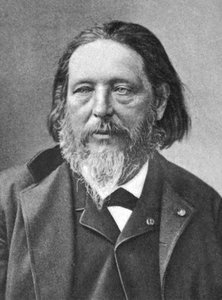
jules adolphe aimé louis breton
1827 - 1906 , France
Quick Facts
- Artistic Movement Or Style: Realism
- Artists Or Movements Influenced By This Artist: ['Romanticism']
- Artists Who Influenced This Artist: ['Honoré Victorin Da']
- Date Of Birth: May 1, 1827
- Date Of Death: July 5, 1906
- Full Name: Jules Adolphe Aimé Louis Breton
- Nationality: French
- Notable Artworks:
- Don Quixote in the Mountains
- Young Girl Thinking
- Study for The Washerwoman
- Place Of Birth: Coutras, France
Related Articles

John Constable's Masterpieces: Explore 25 Iconic Landscapes for Your Home
Journey through John Constable's 25 most celebrated landscapes. Explore Romanticism, Dedham Vale & his masterful use of light in iconic paintings like 'Hay Wain'. Find museum-quality art reproductions and elevate your home decor on ArtsDot.com.

Romantic Landscapes: 10 Masterpieces for Your Home | ArtsDot
Journey through 10 Romantic landscape masterpieces by Friedrich, Turner & Cole. Explore emotional art, sublime nature scenes & iconic 19th-century paintings. Find museum-quality reproductions for your home at ArtsDot.com – discover the full collection online!
Cultivating Visions: A Historical Journey Through Rural Landscapes in Art
Explore the rich history of rural landscape painting with ArtsDot. Discover Impressionist masterpieces, key artists & movements. Find your perfect serene artwork and bring nature's beauty home.
Cultivating Visions: Rural Life & Social Commentary in Art History
Explore the rich history of rural life in art! Discover masterpieces from Dutch Masters to Van Gogh & Courbet. Uncover artistic movements, social significance & expert collecting insights at ArtsDot.
Echoes of Rural Life: Art's Enduring Representations of the Countryside
Explore the rich history of rural life in art! Discover masterpieces from Millet to Mauve & beyond. Learn about Realism, Barbizon School & find inspiration for your home with ArtsDot.