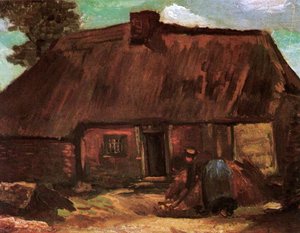
The Pastoral Ideal: Origins & Evolution
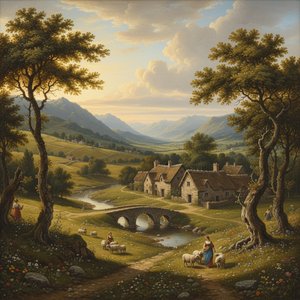 Evoking Arcadia: A Historical & Aesthetic Exploration of Rural Landscape Art
Explore the rich history of pastoral landscape art, from classical Arcadia to Impressionism & beyond. Discover key artists, movements, and how to collect serene rural scenes for your home. Expert insights at ArtsDot.
The allure of rural life has captivated artists for centuries, manifesting as the pastoral ideal – a romanticized vision of shepherds, idyllic landscapes, and harmonious existence with nature. This wasn’t merely an aesthetic preference; it was often a deliberate escape from the complexities of urban life, a yearning for simplicity born in classical antiquity. The roots lie deep within ancient Greek literature, particularly the works of Theocritus and Virgil, who crafted poetic worlds populated by carefree herdsmen and nymphs. These early pastoral poems weren’t necessarily realistic depictions but rather carefully constructed fantasies, offering an idealized counterpoint to the political turmoil and social anxieties of their time. The genre flourished in Rome, becoming a vehicle for exploring themes of love, loss, and mortality within a seemingly tranquil setting. This initial impulse – to find solace and beauty in the natural world – would echo through art history, shaping countless masterpieces.
As civilizations evolved, so too did the pastoral’s meaning. During the Renaissance, artists like Giorgione and Titian infused their landscapes with a newfound sense of realism and emotional depth, while still retaining the underlying theme of idyllic beauty. The 17th-century French painter Nicolas Poussin further refined the genre, imbuing his Arcadian scenes with classical order and philosophical contemplation. The very act of depicting these scenes often carried social weight; it was a statement about the virtues of simplicity and the restorative power of nature – values increasingly appreciated as urban centers grew in size and complexity.
Dutch Masters & the Golden Age of Rural Scenes
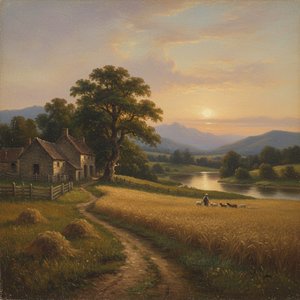 Cultivating Visions: A Historical Exploration of Rural Life in Painting
Explore the rich history of rural life in painting! Discover masterpieces from Dutch Masters to Courbet & Watteau. Uncover the artistic and social significance of idyllic landscapes and peasant scenes.
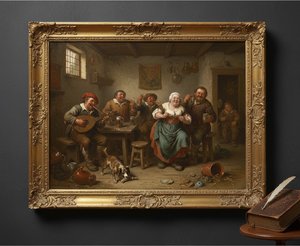
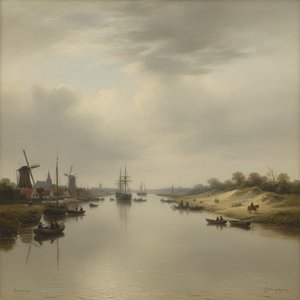
The 17th-century Dutch Golden Age witnessed an extraordinary flourishing of rural life depictions, though often with a markedly different sensibility than their Italian predecessors. While the pastoral ideal wasn’t entirely absent, Dutch artists like Pieter de Bloot and Karel Dujardin focused on the everyday realities of peasant life – not as idealized figures but as working people engaged in honest labor. De Bloot's paintings, for example, capture the quiet dignity of rural existence, showcasing scenes of farmers tending their fields or families gathered around a simple meal. Dujardin, known for his Italianate landscapes populated with Dutch peasants, blended the idyllic setting with a more grounded portrayal of human activity.
This shift reflects the burgeoning merchant class’s values in the Netherlands – a focus on practicality, hard work, and domesticity. Paintings weren't simply decorative; they were often moralizing tales or celebrations of everyday life. Artists like David Teniers the Younger further explored this theme, depicting scenes of peasant festivities and rural interiors with meticulous detail and a keen eye for social observation. The warmth and intimacy of these paintings offer a fascinating glimpse into the lives of ordinary people during a period of unprecedented economic prosperity.
Realism's Gaze: Labor, Identity & Social Critique in Country Life
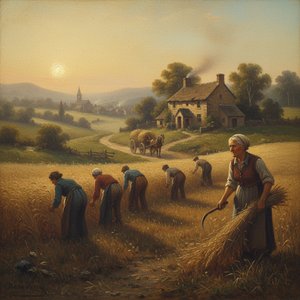 Echoes of Rural Life: Nostalgia, Labor & Identity in Art History
Explore the rich history of rural life in art! Discover how Realism captured labor & identity through masterpieces by Van Gogh, Millet & more. Expert analysis for collectors and enthusiasts.
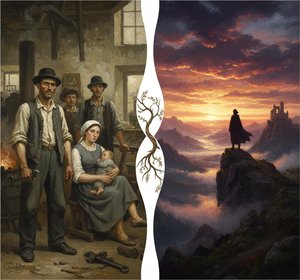
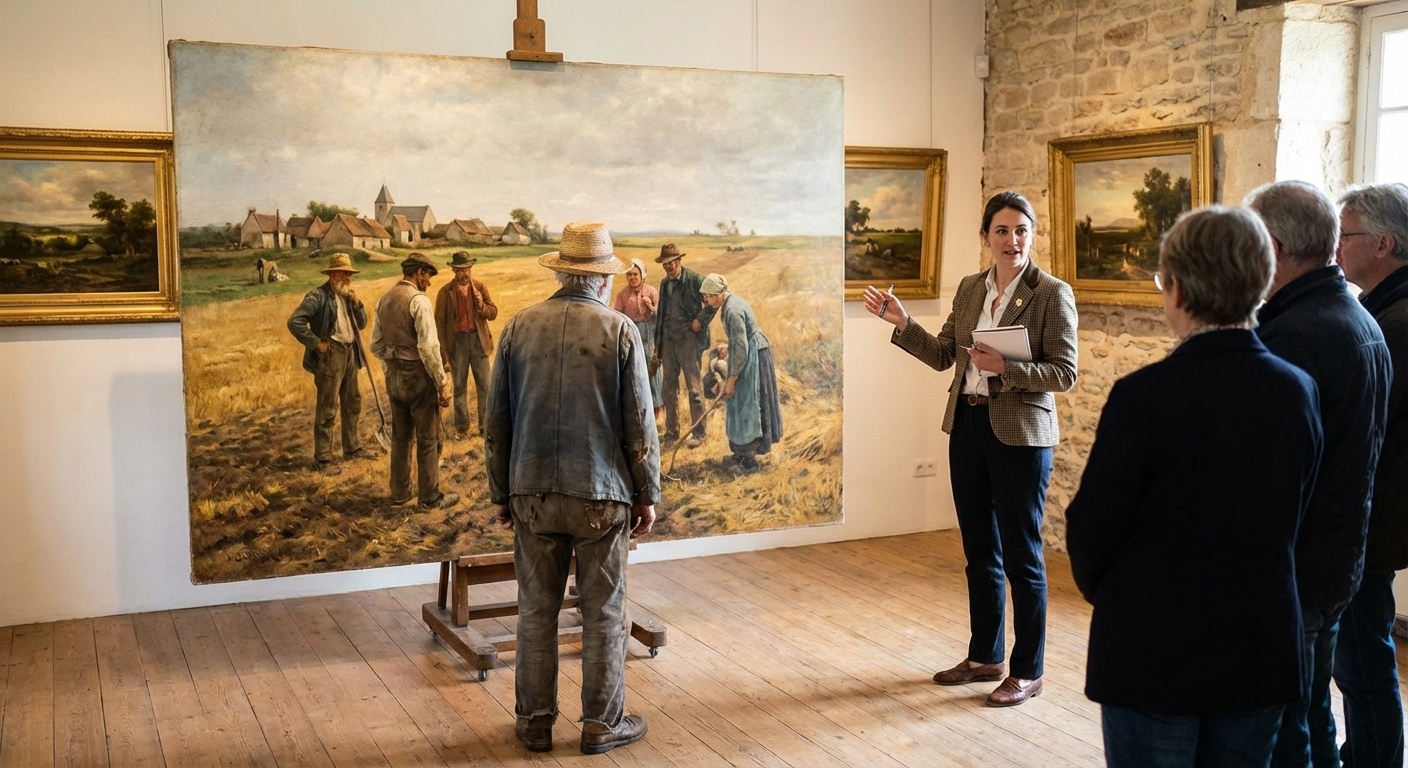
The 19th century brought forth Realism, a movement that fundamentally altered the way rural life was depicted. Artists like Gustave Courbet and Jean-François Millet rejected romanticized notions of peasant existence, instead focusing on the harsh realities of labor, poverty, and social inequality. Courbet’s paintings often portrayed the dignity of working people with unflinching honesty, challenging conventional artistic norms and provoking societal debate. Millet, perhaps most famously known for his painting *The Gleaners*, elevated the plight of rural laborers to a level of profound significance.
Landscape with a Peasant Woman, by Jean-François Millet, exemplifies this shift; it’s not a scene of idyllic beauty but rather a poignant portrayal of hard work and resilience. These artists weren't simply documenting reality; they were making a powerful social statement about the lives of those often overlooked or marginalized. This commitment to portraying the truth – however uncomfortable – marked a significant departure from earlier artistic traditions.
Arcadia Revisited: Romanticizing the Landscape and its Inhabitants
Despite the rise of Realism, the pastoral ideal continued to exert a powerful influence on 19th-century art. The Romantic movement saw artists like Charles-Édouard de Beaumont revisit Arcadian themes, albeit with a heightened sense of emotional intensity and individual expression. Beaumont’s watercolors often depict idyllic landscapes populated by figures engaged in leisurely pursuits, evoking a sense of nostalgia for a simpler way of life. This wasn't necessarily a rejection of Realism but rather an exploration of the emotional resonance of nature and the human connection to the land.
Gossip By The Wayside, by Edmund Bristow, beautifully illustrates this romanticized vision; its warm tones and detailed genre scene create a sense of peaceful harmony. The landscape itself becomes a character in these paintings, imbued with symbolic meaning and emotional weight. This renewed interest in Arcadia reflects a broader cultural yearning for authenticity and connection to the natural world.
From Millet to Van Gogh: Artists Who Championed Peasant Life
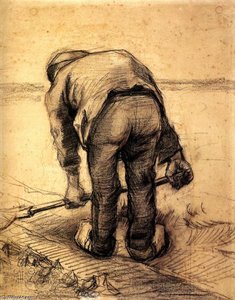
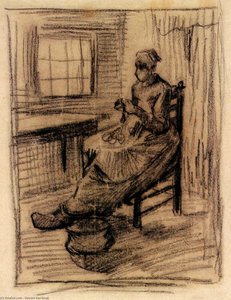
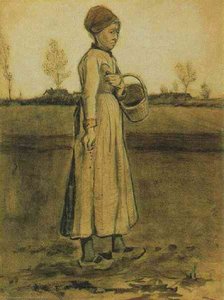
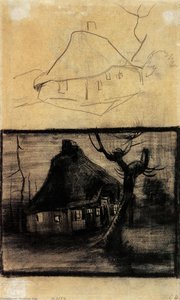
Vincent van Gogh’s engagement with rural life represents a unique culmination of Realism, Romanticism, and personal expression. While deeply influenced by Millet's depictions of peasant labor, Van Gogh infused his paintings with an unparalleled emotional intensity and stylistic innovation. His early works often portray the harsh realities of rural existence – scenes of poverty, hardship, and isolation – but even in these somber depictions, there’s a profound sense of empathy and respect for the working class.
Van Gogh didn't simply document reality; he sought to convey his emotional response to it. His use of color, brushstroke, and composition creates a visceral experience for the viewer, inviting them to connect with the subjects on a deeply personal level. His paintings offer a powerful testament to the dignity of human labor and the beauty that can be found even in the most challenging circumstances.
Collecting Rural Visions: Building a Serene Art Collection
The enduring appeal of rural life depictions makes them an excellent choice for building a serene and meaningful art collection. Whether you’re drawn to the idyllic landscapes of the Dutch Masters, the social commentary of Realist painters, or the emotional intensity of Van Gogh, there's a wealth of options to choose from. Consider exploring works that resonate with your personal values and aesthetic preferences.
At ArtsDot.com, we offer a curated selection of handmade oil paintings and museum-quality prints featuring masterpieces from across art history. From classic pastoral scenes to powerful depictions of peasant life, our collection allows you to bring the beauty and tranquility of the countryside into your home. We also provide custom reproduction services, allowing you to transform your favorite photos into stunning artworks in the style of a chosen artist. Explore our extensive library today and discover the perfect piece to cultivate your own vision of rural paradise.