 Preview
 Send
Send Share
Share
 Details

 Download
 Similars
 X-Ray
X-Ray Diaporama
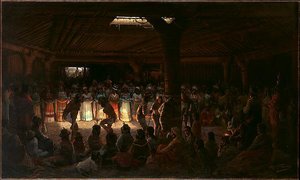
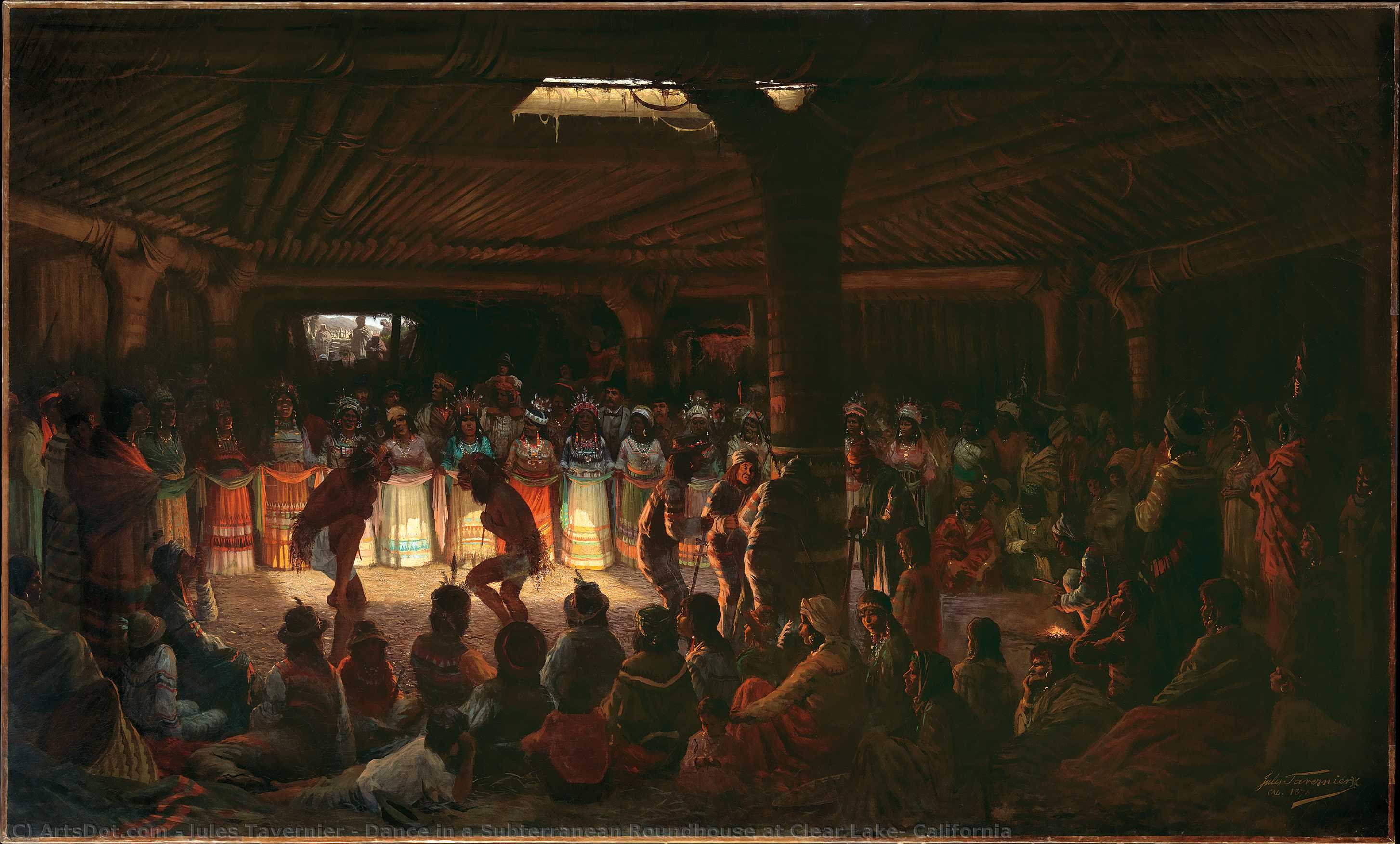
Dance in a Subterranean Roundhouse at Clear Lake, California
 Acrylic On Canvas
- WallArt
- American Realism
 1878
1878- 19th Century
 122.0 x 184.0 cm
 Metropolitan Museum of Art
 Read More
Hand Made Oil Reproduction
Hand-painted oil on canvas in your size and frame, made to order by our artists. ( Buy Print Buy Image)




P118B $10

P118H $10

P118W $10

P438Z $10

P508JH $12

P508YH $12

P805H $10

P805Z $10

P919BZ $10

P919G $10

P919XJ $10

P959ZH $10

P968JZ $12

W106C $8

W218G $10

W218JH $8

W218Y $10

W307PJ $10

W316G $10

W316PJ $8

W316Y $10

W398PJ $8

W4111J $10

W500HY $15

W500JH $15

W692G $12

W849H $8

W940BG $15

W953PJ $8




Pick from our preset sizes that match the artwork's original proportions.

You may enter your own dimensions to fit a specific frame or space. If your selected size does not match the original image's proportions, we will either crop the artwork or extend the painting with additional hand-painted elements. A digital mockup will be sent for your approval before production begins.
Please note that the on-screen preview does not reflect the actual cropping or extension. Only the mockup will accurately show the final composition.
While custom sizes are available, we recommend selecting a dimension from the predefined list to preserve the original proportions.
After order, ArtsDot.com team will email client for instructions and provide a mockup preview
Worldwide Delivery () in 3/4 weeks instead of standard 5 weeks. (17 August). No compromise on quality.

Free Worldwide Express Shipping

High-Quality Linen Canvas

Full Shipping Insurance

Customs Tax Refund Guarantee

True Color Matching Guarantee

60-Day Return Policy (Defects Only)

100% Money-Back Guarantee

Bulk Discount Offer
 Glass option is only available in size under 110 CM

Dance in a Subterranean Roundhouse at Clear Lake, California
Reproduction Medium
Reproduction Size
-


Total Price
$ 263
Artwork Description
A Glimpse into Pomo Ritual: Jules Tavernier’s Masterpiece
Jules Tavernier's “Dance in a Subterranean Roundhouse at Clear Lake, California” isn’t merely a painting; it’s a portal. Painted in 1878 during a pivotal moment of cultural exchange and encroaching Western influence, this work offers an intimate, almost voyeuristic view into the sacred practices of the Elem Pomo people of Northern California. Tavernier, a French-born artist who embraced the American West with an adventurous spirit, was commissioned by Tiburcio Parrott, a prominent banker, to document a ceremonial dance held within a xe-xwan – a subterranean roundhouse, symbolic of life’s cyclical nature and deeply connected to the earth. The painting transcends a simple depiction of a historical event; it's a poignant meditation on tradition, displacement, and the complex relationship between indigenous communities and the expanding forces of Western civilization.
Illumination and Intimacy: The Artistic Technique
Tavernier’s skill lies not just in his subject matter but also in his masterful execution. Rendered in rich oil paints on canvas measuring 122 x 184 cm, the painting is a testament to his technical prowess. He employs a dramatic chiaroscuro – a stark contrast between light and shadow – to create an atmosphere of both mystery and immediacy. The interior of the roundhouse is plunged into a dim, almost ethereal glow, suggesting the sacredness of the space and hinting at the rituals taking place within. The artist’s attention to detail is remarkable; from the intricate patterns woven into the dancers' garments to the subtle expressions on their faces, every element contributes to a sense of realism and authenticity. Tavernier’s use of color is equally compelling – earthy tones dominate, punctuated by flashes of vibrant red and ochre, mirroring the natural palette of the Pomo landscape and their ceremonial attire.
A Window into a Lost World: Historical Context
The painting was created during a period of profound transformation in California. The arrival of European settlers brought with it not only economic opportunity but also devastating consequences for indigenous populations. The Elem Pomo, like many other tribes, faced displacement, disease, and the systematic erosion of their traditional way of life. Tavernier’s commission by Tiburcio Parrott, a figure involved in the exploitation of California's mineral resources (including mercury mining), adds a layer of complexity to the work. The painting subtly critiques this encroachment, presenting a respectful depiction of Pomo culture while simultaneously acknowledging the looming threat posed by Western expansion. The inclusion of Parrott and his companions within the scene underscores the dynamic between observers and observed – a visual representation of the encounter that shaped California’s history.
Symbolism and Resonance: The Roundhouse as Life
The central image—the subterranean roundhouse itself—is profoundly symbolic. In Pomo cosmology, the xe-xwan represented the cyclical nature of life, death, and rebirth. Its circular form mirrored the earth’s shape and symbolized the interconnectedness of all things. The act of dancing within this space was believed to strengthen community bonds, honor ancestors, and ensure the continuity of cultural traditions. Tavernier's rendering of the roundhouse isn’t merely architectural; it’s a visual embodiment of Pomo spirituality – a reminder of their deep connection to the land and their enduring resilience in the face of adversity. The painting invites us to contemplate not just the dance itself, but also the profound significance of this sacred space and the cultural values it represents.
Related Artworks


Artist Biography
Mary Stevenson Cassatt: A Pioneer of American Impressionism
Mary Stevenson Cassatt, born in Allegheny City (now part of Pittsburgh), Pennsylvania, on May 21, 1844, stands as a pivotal figure in the transition of American art from academic tradition to the vibrant innovations of the late 19th century. Her journey was one marked by both perseverance and profound artistic evolution, ultimately establishing her as one of the most significant female artists of her time – and the only American officially associated with the Impressionist movement. Initially trained within the confines of Pennsylvania’s Academy of Fine Arts, Cassatt quickly recognized that the rigid structures of academic art did not align with her burgeoning vision. Driven by a desire to capture fleeting moments and intimate human experiences, she embarked on a transformative path, spending nearly a decade studying in Paris, the epicenter of artistic experimentation during this period.- Early Influences: Cassatt’s early training provided a solid foundation in classical techniques, but her true artistic awakening occurred through exposure to the works of French masters and, crucially, the burgeoning Impressionist movement.
- Parisian Sojourn (1865-1870): Her time in Paris was instrumental. She studied under Jean-Léon Gérôme, a respected academic painter, gaining technical skills but also encountering the revolutionary ideas of artists like Degas and Manet. Crucially, she began to copy works by Old Masters such as Correggio and Parmigianino, absorbing their compositional techniques and understanding of light and shadow.
- The Impressionist Circle: Cassatt’s most significant connection was with the group of independent artists known as the Impressionists. While she exhibited in four of their eight exhibitions between 1879 and 1886, her relationship with the movement was complex. She maintained a distinct artistic voice, often diverging from the group's focus on landscapes and urban scenes, instead concentrating on intimate depictions of women and children.
Subject Matter and Artistic Style: Capturing Intimacy and Modern Life
Cassatt’s oeuvre is characterized by a remarkable sensitivity to the everyday lives of women—particularly mothers and their young children—and a keen observation of modern Parisian life. Unlike many of her male contemporaries, she eschewed grand historical or mythological subjects, choosing instead to portray scenes of domesticity, leisure, and quiet contemplation. Her paintings are imbued with a delicate intimacy, often capturing fleeting moments of connection and vulnerability. She skillfully employed soft brushstrokes, subtle color palettes, and carefully considered compositions to create an atmosphere of serene realism.- The Mother-Child Theme: Cassatt’s most enduring subject matter is the mother-child relationship. Works like *Little Girl in a Blue Armchair* (1879) and *The Child's Bath* (1882) are renowned for their tender portrayal of maternal love and the innocence of childhood.
- Theater and Opera: Cassatt also depicted scenes from Parisian theaters and opera houses, capturing the elegance and social dynamics of these venues with a keen eye for detail and a subtle sense of humor.
- Printmaking: Beyond painting, Cassatt was a prolific printmaker, creating drypoints and etchings that explored similar themes of domesticity and female experience. Her prints often served as studies for her paintings, allowing her to experiment with composition and technique.
Influences and Legacy: A Bridge Between Tradition and Modernity
Cassatt’s artistic development was profoundly shaped by a confluence of influences. The Impressionists, particularly Degas, provided her with invaluable guidance on brushwork, color theory, and composition. However, she also drew inspiration from Japanese prints, which introduced her to flattened perspectives, bold outlines, and unconventional cropping—techniques that she incorporated into her own work. Furthermore, her study of Old Masters instilled in her a deep appreciation for classical form and technique, which she skillfully blended with her modern sensibilities.- Degas’s Influence: Cassatt's relationship with Degas was particularly significant. He encouraged her to develop her own artistic voice while providing critical feedback on her work.
- Japanese Prints: The influence of Japanese prints is evident in Cassatt’s use of bold outlines, simplified forms, and flattened perspectives.
- A Pioneer for Women Artists: Cassatt's success as a professional artist—particularly within the prestigious Impressionist circle—represented a significant achievement for women in the art world during a time when opportunities were severely limited. She paved the way for future generations of female artists to pursue their creative ambitions.
Historical Significance and Enduring Relevance
Mary Stevenson Cassatt’s contribution to American art is undeniable. Her innovative approach to subject matter, her masterful technique, and her unwavering commitment to capturing the essence of modern life have secured her a place among the most important artists of the late 19th century. Her work continues to resonate with audiences today, offering a poignant glimpse into the lives of women in a rapidly changing world. She remains an inspiring example of artistic vision, perseverance, and the power of art to illuminate the human experience. Her legacy extends beyond her individual paintings; she stands as a symbol of female empowerment and artistic freedom within a historically restrictive environment.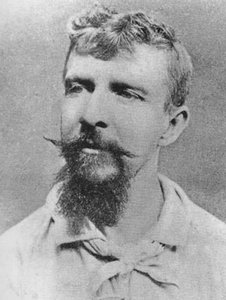
jules tavernier
1844 - 1889 , France
Quick Facts
- Artistic Movement Or Style: Impressionism
- Artists Or Movements Influenced By This Artist: ['Post-Impressionism']
- Artists Who Influenced This Artist:
- Edgar Degas
- Édouard Manet
- Date Of Birth: 1844
- Date Of Death: 1926
- Full Name: Mary Stevenson Cassatt
- Nationality: American
- Notable Artworks:
- The Child's Bath
- Little Girl in a Blue Armchair
- Mother and Child
- Place Of Birth: Allegheny City, PA, USA
Related Articles

Grant Wood & American Regionalism: Identity, Myth & the Rural Landscape
Explore the world of Grant Wood & American Regionalism with ArtsDot. Discover the symbolism behind 'American Gothic', recurring themes, and the movement's lasting impact on art history. High-quality reproductions available.

Shadow Catcher: Edward S. Curtis & the Ethnographic Portraiture of a Vanishing West
Explore the life & work of Edward S. Curtis, the 'Shadow Catcher,' and his groundbreaking photographic documentation of Native American cultures. Discover iconic images from *The North American Indian* and a critical look at his lasting legacy.
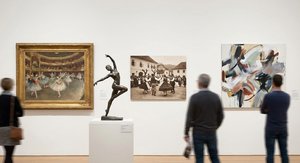
The Rhythmic Canvas: Exploring Representations of Dance Across Art History
Explore the captivating history of dance in art! From Degas' ballet scenes to abstract expressions, discover how artists have captured movement and cultural significance across time. Expert insights for collectors & enthusiasts.

George Catlin: Witnessing & Representing Indigenous Life on the American Frontier
Explore the captivating art of George Catlin, renowned for his vivid portraits & landscapes documenting Native American life on the frontier. Discover a vanishing world through stunning paintings and historical context.

James Otto Lewis: Navigating American Modernism Through Regional Identity & Stylistic Innovation
Explore the captivating portraits of James Otto Lewis, a pivotal figure bridging 19th-century realism & American Modernism. Discover his groundbreaking work documenting Native American culture and regional identity.