

 Preview
 Send
Send Share
Share
 Details

 Download
 Similars
 X-Ray
X-Ray Diaporama
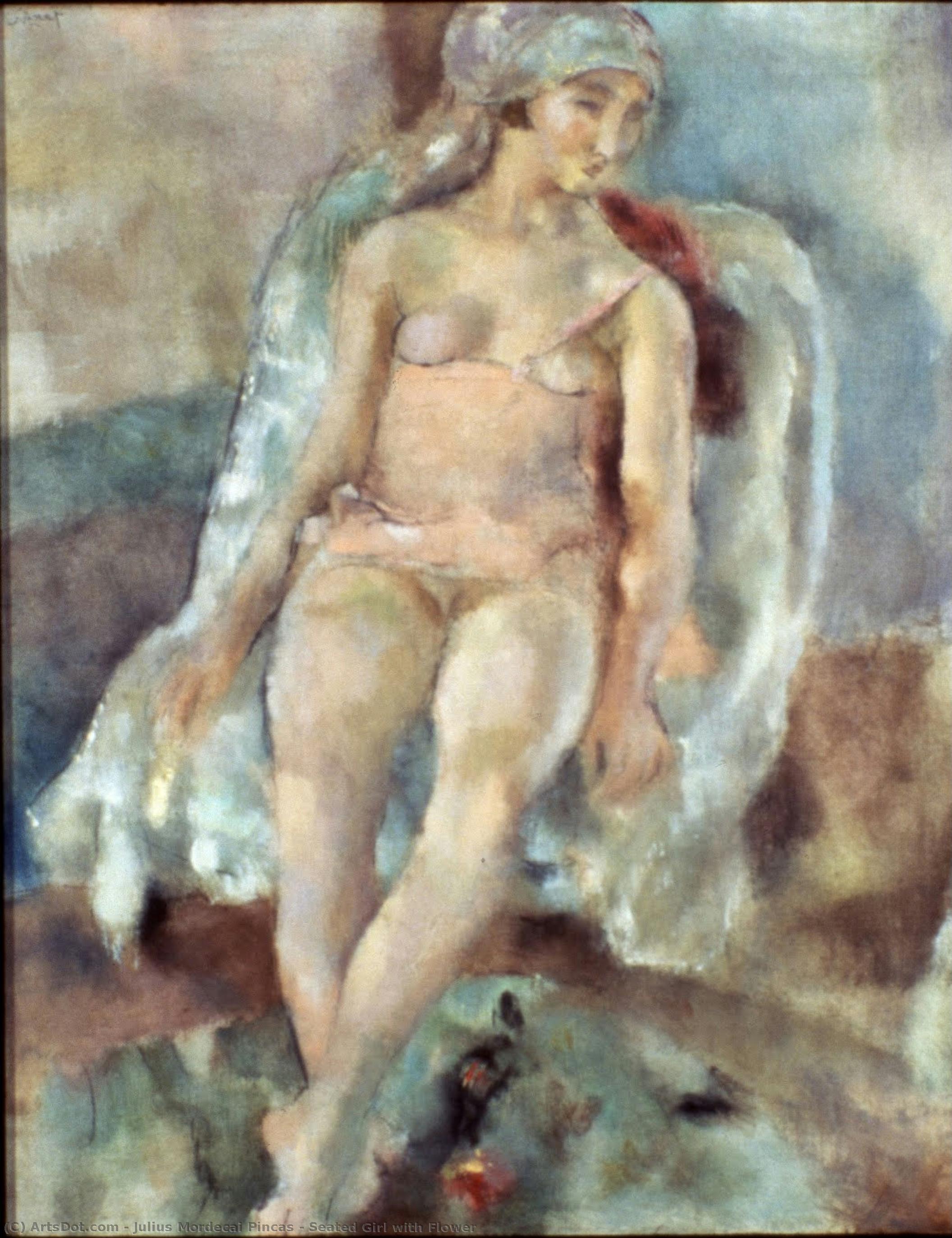
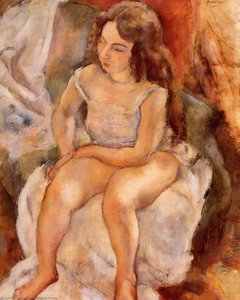
Seated Girl with Flower


 Read More
Purchase a high-resolution, enhanced digital image, far superior to the online preview.
Each file is meticulously prepared by our in-house specialists using advanced tools and expert manual retouching. We ensure every image has exceptional clarity, precise color accuracy, and fine detail.
The final file is delivered via email within 72 hours, optimized for immediate use in professional, editorial, and print environments. This is the same quality trusted by top-tier design studios, publishers, and galleries.
Digital Image
Download a high-resolution file for personal display, printing, and creative projects. ( Buy Print Buy Hand Made Painting)
Included in Every Digital Image Order
Expert Digital Delivery, Guaranteed
When you choose ArtsDot.com, you're not just getting an image - you're receiving a professionally enhanced digital artwork, crafted with precision and backed by a satisfaction guarantee. Here's everything that comes with your order, automatically:

Fast Email Delivery
Your high-resolution digital image file will be emailed to you within 72 hours of ordering - ready for immediate use.

AI-Enhanced Digital File
Your artwork is professionally optimized using advanced AI tools and manual editing, ensuring maximum detail, clarity, and color accuracy.

Free Lifetime Re-Delivery
Accidentally deleted or lost your file? No worries - we'll resend it to you anytime, free of charge.

No Import Fees - Ever
Enjoy your artwork instantly with zero customs, duties, or delivery fees - digital downloads are always tax-free.

Color Accuracy Guarantee
We ensure your digital image reflects the original colors as closely as possible using professional tools and color management.

60-Day Satisfaction Guarantee
If you're not satisfied with your digital image, we'll revise it or refund 100% within 60 days - no questions asked.

100% Money-Back Guarantee
Not satisfied? Get a full refund within 60 days of receiving your digital file - no questions asked.

Bulk Order Discounts
Buy 3 images, save 10% - Buy 5, save 15% - Buy 10+, save 20%. Great for creative projects, galleries, and agencies.
Collectible Description
Julius Mordecai Pincas: A Portrait of Innocence Amidst Parisian Shadows
Julius Mordecai Pincas (Jules Pascin), born March 31, 1885, in Vidin, Bulgaria, stands as a singular figure within the School of Paris—a movement that redefined modern art through its embrace of expressive color and psychological depth. His artistic journey began amidst familial disapproval regarding his penchant for satirical sketches, yet he swiftly cultivated an extraordinary talent, studying art in Vienna and Munich before establishing himself in the bohemian heart of Paris.
“Seated Girl with Flower,” painted in 1927, exemplifies Pincas’s distinctive style—characterized by bold hues, dynamic brushstrokes, and a profound sensitivity to human emotion. This captivating portrait captures a young woman seated gracefully on a chair with her legs crossed, adorned in lingerie that subtly hints at vulnerability. The composition is meticulously balanced, featuring two birds perched strategically – one near the top left corner and another in the upper right—adding layers of visual interest.
The painting’s palette explodes with vibrant shades of crimson, ochre, and emerald green, skillfully blended to create an atmosphere of warmth and intimacy. Pincas's technique employs loose brushwork, allowing for textural variation and conveying a palpable sense of movement. Unlike Impressionists who sought to capture fleeting moments of light, Pascin delves into the inner landscape of his subject, inviting viewers to contemplate her gaze—directed outwards with quiet contemplation.
Beyond its aesthetic beauty, “Seated Girl with Flower” resonates with symbolic significance. The bird motifs represent freedom and aspiration, mirroring the youthful spirit embodied by the woman in the chair. Furthermore, the posture itself conveys a sense of repose and serenity – qualities that Pincas consistently pursued in his artistic endeavors.
This artwork resides within the Kunsthalle Bremen’s collection, showcasing its enduring appeal to art connoisseurs and collectors alike. Its reproduction offers an opportunity to experience the brilliance of Jules Pascin's vision—a testament to his mastery of color, composition, and psychological portrayal.
Related Artworks


Artist Biography
Julius Mordecai Pincas (Jules Pascin): A Biography
Early Life and Origins
- Birth and Family: Julius Mordecai Pincas, known as Jules Pascin, was born on March 31, 1885, in Vidin, Bulgaria. He came from a wealthy Sephardic Jewish family involved in grain trading.
- Early Influences: The family moved to Bucharest in 1892, where young Julius first showed an interest in art, even sketching at a local brothel. His early artistic inclinations were initially met with disapproval from his father.
- Education and Pseudonym: He studied art in Vienna (1902) and Munich (1903), where he connected with artists like Paul Klee and Wassily Kandinsky. To avoid family embarrassment regarding his satirical drawings, he adopted the pseudonym “Pascin” – an anagram of his surname.
Parisian Years and Artistic Development
- Arrival in Paris: In 1905, Pascin moved to Paris, becoming part of the vibrant artistic community. He quickly integrated into circles like “Les Dômiers” at Café le Dome.
- Early Style and Influences: His early Parisian works were influenced by Fauvism and Cézanne, focusing on portraits and nudes. He also studied at the Académie Matisse and drew inspiration from 18th-century masters like Greuze and Watteau.
- Developing a Unique Voice: Pascin’s style evolved to become distinctly his own – characterized by bold colors, expressive brushwork, and often depicting intimate scenes of modern life. He excelled in watercolors, drawings, and paintings.
Themes and Artistic Style
- Recurring Subjects: Women were a central theme in Pascin’s work, portrayed in casual, often nude or partially dressed poses. He captured their vulnerability and sensuality with remarkable sensitivity.
- Bold Colors & Composition: His paintings are known for their vibrant color palettes and carefully balanced compositions. He skillfully used light and shadow to create depth and atmosphere.
- Psychological Depth: Beyond mere representation, Pascin’s work often hinted at underlying psychological complexities and emotional states of his subjects.
Major Works and Achievements
- Nude with a Green Hat (1925): A striking example of his nude studies, showcasing his mastery of color and form. Currently housed at the Cincinnati Art Museum.
- Little Girl on an Armchair (1925): Demonstrates his ability to capture innocence and beauty in a domestic setting.
- Loose Women (1911): A provocative work that reflects the changing social norms of the early 20th century.
- Portrait of Hermine David (1918): A notable portrait held at the Musée National d'Art Moderne, Centre Pompidou in Paris.
Historical Significance and Legacy
- School of Paris: Pascin was a prominent figure within the School of Paris – a collective of expatriate artists who shaped modern art in the early 20th century.
- Influence on Later Artists: His work influenced subsequent generations of artists with its expressive style and focus on human emotion.
- Tragic End: Despite his artistic success, Pascin struggled with depression and alcoholism throughout his life. He tragically took his own life in 1930 at the age of 45.
- Continued Appreciation: Today, Jules Pascin’s paintings are celebrated for their beauty, sensitivity, and historical significance. His works can be found in major museums worldwide and continue to inspire art lovers through reproductions offered by platforms like ArtsDot.com.
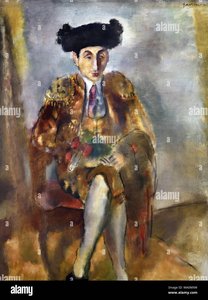
julius mordecai pincas
1885 - 1930 , Bulgaria
Quick Facts
- Birth Date: 1885-03-31
- Birth Place: Vidin, Bulgaria
- Death Date: 1930-06-02
- Influenced By:
- Impressionism
- Cézanne
- Fauvism
- Movement: School of Paris, Expressionism
- Name: Julius Mordecai Pincas (Jules Pascin)
- Nationality: Bulgarian, American
- Notable Works:
- Nude with a Green Hat
- Little Girl on an Armchair
- Loose Women
- Portrait of Hermine David

