 Send
Send Share
Share
 Details

 Download
 Similars
 Diaporama
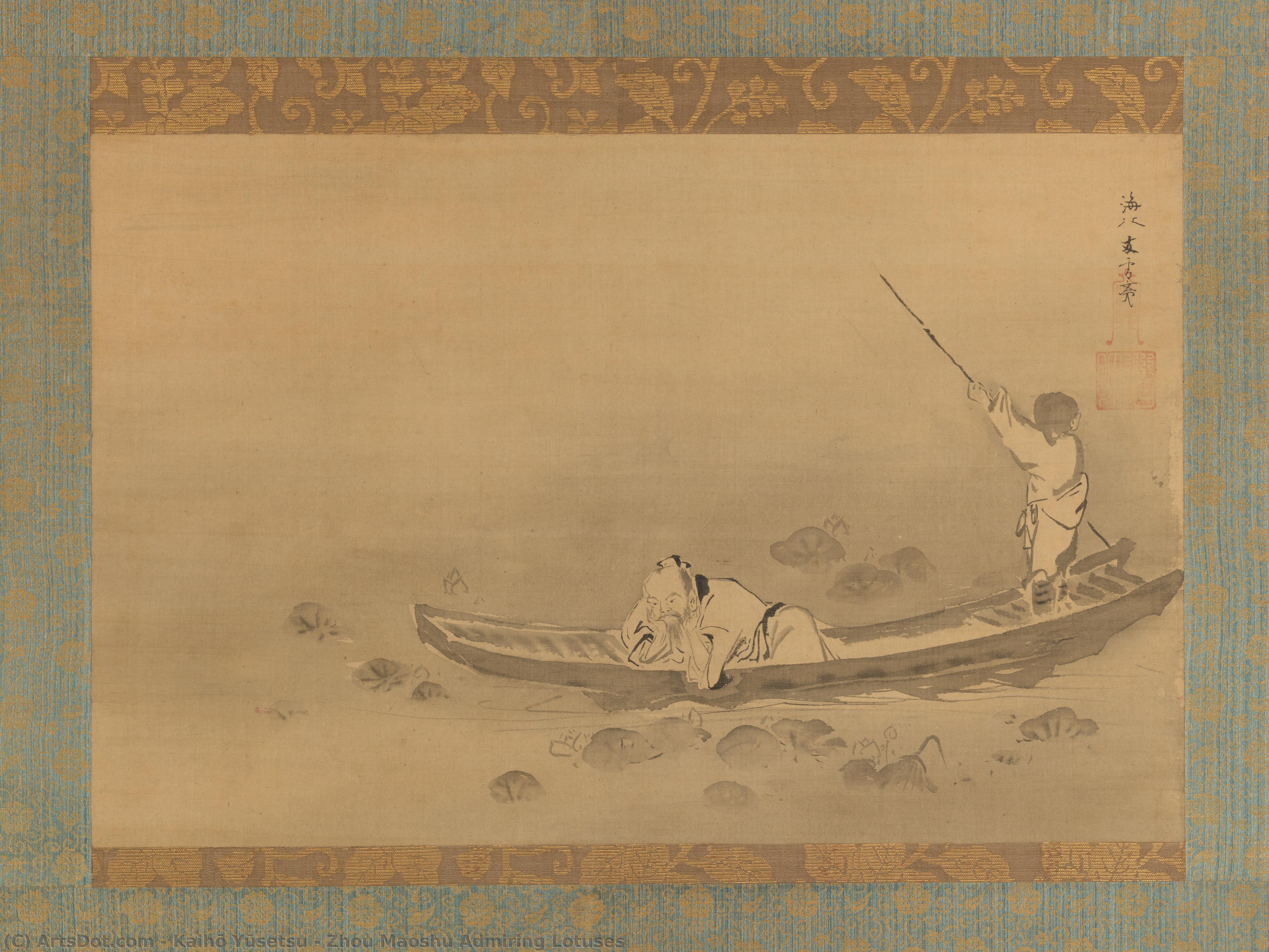
Zhou Maoshu Admiring Lotuses
 Silk
Silk- Textile
- Kano School
 601
601- Early Modern
 32.0cm x 50.0cm
 Read More
Hand Made Oil Reproduction
Hand-painted oil on canvas in your size and frame, made to order by our artists. ( Buy Print Buy Image)




































Pick from our preset sizes that match the artwork's original proportions.

You may enter your own dimensions to fit a specific frame or space. If your selected size does not match the original image's proportions, we will either crop the artwork or extend the painting with additional hand-painted elements. A digital mockup will be sent for your approval before production begins.
Please note that the on-screen preview does not reflect the actual cropping or extension. Only the mockup will accurately show the final composition.
While custom sizes are available, we recommend selecting a dimension from the predefined list to preserve the original proportions.
After order, ArtsDot.com team will email client for instructions and provide a mockup preview
Worldwide Delivery () in 3/4 weeks instead of standard 5 weeks. (22 August). No compromise on quality.

Free Worldwide Express Shipping

High-Quality Linen Canvas

Full Shipping Insurance

Customs Tax Refund Guarantee

True Color Matching Guarantee

60-Day Return Policy (Defects Only)

100% Money-Back Guarantee

Bulk Discount Offer
 Glass option is only available in size under 110 CM

Zhou Maoshu Admiring Lotuses
Reproduction Medium
Reproduction Size
-


Total Price
$ 263
Artwork Description
A Moment of Contemplative Serenity
In the delicate interplay of silk and ink, Kaihō Yūsetsu captures a profound moment of intellectual and spiritual communion with nature. The painting, titled Zhou Maoshu Admiring Lotuses, invites the viewer into a tranquil aquatic realm where time seems to suspend itself. At its heart is the venerable scholar Zhou Maoshu, a figure of immense historical weight in Neo-Confucian thought. As he leans over the edge of his boat, chin resting thoughtfully in his hands, his gaze is fixed upon the scattered lotuses dancing across the pond's surface. This is not merely a depiction of a man looking at flowers; it is a visual meditation on the pursuit of virtue and the quiet beauty found in moments of solitary reflection.
The composition is masterfully balanced, utilizing a symmetrical arrangement that instills an immediate sense of harmony within the viewer. Two figures navigate the gentle currents—one seated at the bow and another standing at the stern—their rhythmic rowing providing a subtle pulse to the otherwise still scene. The presence of three fish, darting through the depths near the boat, adds a layer of lifelike vitality to the composition. These small, shimmering details break the stillness, reminding us of the continuous, hidden life flowing beneath the surface of our perceived reality.
Symbolism and the Virtuous Soul
To understand this masterpiece, one must look through the lens of the philosopher it portrays. Zhou Maoshulated (also known as Zhou Dunyi) famously penned the essay On the Love of the Lotus, in which he elevated the flower to a symbol of moral integrity. To him, the lotus was a "man of virtue," rising from the mud yet remaining unstained and pure. By depicting the scholar in such intimate proximity to these blooms, Yūsetsu weaves a narrative of character and ethics. The painting serves as an allegory for the ideal human condition: the ability to exist within the complexities and "muddiness" of the world while maintaining a pristine and noble spirit.
The artist’s background in the Kaihō school further enriches this symbolic depth. Yūsetsu’s work often explores the profound cosmic principles of Taiji (the supreme polarity) and the balance of Yin and Yang. In this piece, the fluid motion of the water against the stillness of the scholar creates a perfect visual manifestation of these dualities. The interplay between the physical world—the boat, the oars, the fish—and the metaphysical world—the pursuit of wisdom and virtue—is captured with breathtaking subtlety.
An Elegant Addition to the Refined Interior
For the discerning collector or interior designer, Zhou Maoshu Admiring Lotuses offers more than just aesthetic beauty; it provides a focal point for mindfulness. The soft textures of the silk-style reproduction and the muted, natural palette make it an exquisite addition to spaces dedicated to study, relaxation, or quiet conversation. Its historical resonance and the sophisticated themes of Neo-Confucianism lend an air of intellectual prestige to any curated collection.
Whether placed in a contemporary minimalist setting to provide a touch of organic warmth or integrated into a traditional gallery arrangement, this artwork commands attention through its understated elegance. It is a piece that rewards repeated viewing, revealing new layers of detail and emotional depth with every encounter. Owning a high-quality reproduction of this work allows one to bring the timeless peace of the Edo-period masters into the modern home, fostering an environment of grace, wisdom, and enduring tranquility.
Related Artworks


Artist Biography
biography of a noted artist
kaihō yūsetsu, a japanese painter from the kaihō school, lived from 1598 to 1677. born into a military family in kyoto, he later moved to edo (now tokyo), where his artistic career flourished. following in the footsteps of his father, kaihō yūshō, yūsetsu became a prominent figure in japanese art, particularly influencing zhu xi, the architect of neo-confucianism.artistic contributions and style
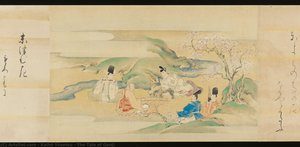
yūsetsu's work was characterized by its focus on taiji (supreme polarity) and wuji (limitless potential), as well as the yin and yang, and the wu xing (the five phases). his artistic style, while rooted in traditional japanese painting, also reflected chinese influences, making him a unique contributor to the evolution of japanese art.- attributed to kaihō yūsetsu, the tale of genji, showcases his mastery of japanese literature and art.
- his work, zhou maoshu admiring lotuses (the kanō school style art movement), demonstrates his skill in capturing the essence of chinese influences in japanese painting.
- as a member of the kaihō school, yūsetsu's paintings often featured bright colors and bold outlines, reflecting the distinctive japanese traditions that defined this art movement.
legacy and influence
yūsetsu's influence on subsequent generations of artists is evident in his contributions to the kaihō school, which continued to thrive long after his passing. his work can be found in various museums, including the mary griggs burke collection at the metropolitan museum of art (kaihō yūsetsu - the metropolitan museum of art).- kaihō yūsetsu's paintings, such as those in the collection of the tokyo fuji art museum, demonstrate his lasting impact on japanese art.
- his legacy is also reflected in the seiji togo memorial yasuda kasai museum of art, which showcases the evolution of japanese painting, including works from the kaihō school.
conclusion
kaihō yūsetsu's life and work serve as a testament to his significant contributions to japanese art. through his unique blend of traditional and chinese influences, he has left an indelible mark on the world of painting. his legacy continues to inspire artists and art enthusiasts alike, ensuring his place in the annals of japanese art history.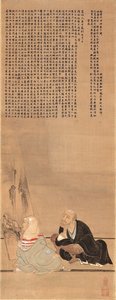
kaihō yūsetsu
1598 - 1677 , Japan
Quick Facts
- Artistic Movement Or Style: Baroque
- Artists Who Influenced This Artist: ['Michelangelo, Raphael],\n "Artists or movements influenced by this artist": ["Caravaggio", "Baroque style"]\n}']
- Date Of Birth: December 7, 1598
- Date Of Death: November 28, 1680
- Full Name: Gian Lorenzo Bernini
- Nationality: Italian
- Notable Artworks:
- David
- Apollo and Daphne
- Rape of Proserpina
- Fountain of Four Rivers
- Place Of Birth: Rome, Italy
Related Articles
The Hague School: Realism, Atmosphere & the Dawn of Dutch Impressionism
Explore the Hague School's pivotal role in Dutch art history. Discover realism, atmospheric landscapes & its influence on Impressionism. Learn about key artists like Mauve & Maris with ArtsDot.

Hudson River School: 10 Masterpieces That Capture America's Wild Beauty | ArtsDot
Journey through America's breathtaking landscapes with our guide to the Top 10 Hudson River School masterpieces. Explore Thomas Cole, Frederic Church & more! Find museum-quality art reproductions and elevate your home decor at ArtsDot.com.
Léonard Foujita: A Poetic Synthesis of Japanese Sensibility & European Modernism
Discover the captivating world of Léonard Foujita, a master bridging Japanese aesthetics & European Modernism. Explore his signature style, diverse works, and enduring legacy – essential reading for discerning art collectors.

Hokusai's Masterpieces: 25 Iconic Prints & Paintings for Art Lovers | ArtsDot
Journey through Katsushika Hokusai’s 25 most iconic artworks, including *The Great Wave*. Explore the ukiyo-e master's history, style & timeless Japanese woodblock prints. Find museum-quality reproductions for your home at ArtsDot.com.

Utagawa Kuniyoshi: A Master of Japanese Ukiyo-e – Narrative Innovation & the Fusion of Tradition with Popular Culture
Explore the captivating world of Utagawa Kuniyoshi, a master of Japanese ukiyo-e woodblock prints. Discover his innovative warrior scenes, vibrant landscapes & lasting legacy in 19th-century art history.