 Preview
 Send
Send Share
Share
 Details

 Download
 Similars
 X-Ray
X-Ray Diaporama
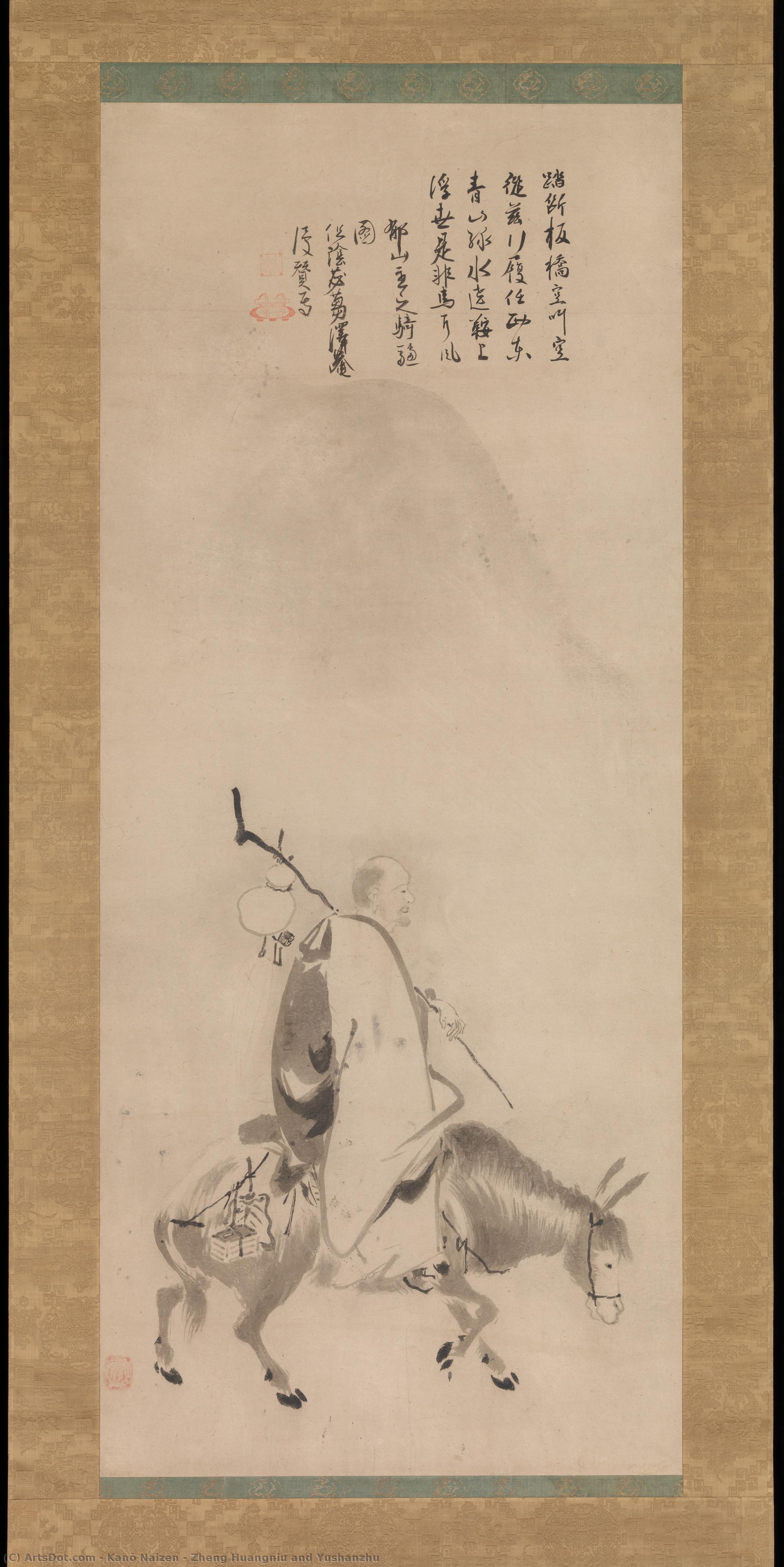
Zheng Huangniu and Yushanzhu
 Japanese Traditional Painting
 601
601 112.0cm x 47.0cm
 Read More
Hand Made Oil Reproduction
Hand-painted oil on canvas in your size and frame, made to order by our artists. ( Buy Print Buy Image)




































Pick from our preset sizes that match the artwork's original proportions.

You may enter your own dimensions to fit a specific frame or space. If your selected size does not match the original image's proportions, we will either crop the artwork or extend the painting with additional hand-painted elements. A digital mockup will be sent for your approval before production begins.
Please note that the on-screen preview does not reflect the actual cropping or extension. Only the mockup will accurately show the final composition.
While custom sizes are available, we recommend selecting a dimension from the predefined list to preserve the original proportions.
After order, ArtsDot.com team will email client for instructions and provide a mockup preview
Worldwide Delivery () in 3/4 weeks instead of standard 5 weeks. (31 August). No compromise on quality.

Free Worldwide Express Shipping

High-Quality Linen Canvas

Full Shipping Insurance

Customs Tax Refund Guarantee

True Color Matching Guarantee

60-Day Return Policy (Defects Only)

100% Money-Back Guarantee

Bulk Discount Offer
 Glass option is only available in size under 110 CM

Zheng Huangniu and Yushanzhu
Reproduction Medium
Reproduction Size
-


Total Price
$ 263
Related Artworks
Artist Biography
biography of a noted artist
kanō naizen, a prominent figure in the kanō school of painting, lived from 1570 to 1616. as a member of this esteemed family of painters, he was known for his captivating works, particularly his byōbu screen paintings of nanban (southern barbarians, i.e., europeans).early life and training
born in 1570, kanō naizen was the middle son of kanō eitoku, the head of the school. he was younger brother to kanō mitsunobu, the heir to the kano school, and older brother to kanō takanobu. naizen also had an adopted brother, the renowned kanō sanraku. naizen's training took place within the head kanō workshop in kyoto, where he worked alongside his family members to restore numerous imperial buildings, buddhist temples, and shinto shrines that were destroyed during the kamakura period and the genpei wars.notable works and style
in 1610-15, naizen moved to edo (modern-day tokyo), the new administration capital, at the behest of the tokugawa shogunate. his style, while often overshadowed by his father and brothers, is particularly notable for its byōbu screen paintings of nanban. one of his more famous works, "festivals of toyokuni", was produced in 1605 for the seventh anniversary of the death of kampaku toyotomi hideyoshi, whose posthumous name was toyokuni daimyōjin. this piece is a prime example of his skill in capturing the essence of nanban.- view kanō naizen's artworks on ArtsDot.com
- read more about kanō naizen on wikipedia
- explore the kanō school and its influence on japanese painting at the kanō school style art movement
legacy
naizen's personal name was shigesato, which he acquired upon officially entering the kanō school. his legacy, though sometimes overshadowed by his family members, remains significant in the realm of japanese painting, particularly in the context of byōbu screen paintings.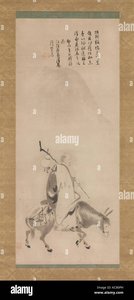
kanō naizen
1570 - 1616 , Japan
Quick Facts
- Artistic Movement Or Style: Kanō School
- Artists Or Movements Influenced By This Artist: ['Tosa School']
- Artists Who Influenced This Artist: ['Kanō Eitoku']
- Date Of Birth: Kyoto, Japan (1570)
- Date Of Death: 1616
- Full Name: Kanō Naizen
- Nationality: Japanese
- Notable Artworks:
- Festivals of Toyokuni
- Namban folding screens
- Place Of Birth: Kyoto
Related Articles
Ephemeral Expressions: Exploring the Nuances of Ink on Paper Through History & Contemporary Art
Explore the captivating world of ink wash painting – from its ancient origins to contemporary masters. Discover techniques, symbolism & conservation insights with ArtsDot.com.

Serenity on Canvas: A Guide to the Timeless Beauty of Japanese Landscape Painting
Discover the serene beauty of Japanese landscape painting. From Hokusai's iconic woodblock prints to meditative sumi-e ink washes, explore a visual journey through the 'floating world' and learn how to bring this timeless Zen aesthetic into your modern home decor.

Hokusai's Masterpieces: 25 Iconic Prints & Paintings for Art Lovers | ArtsDot
Journey through Katsushika Hokusai’s 25 most iconic artworks, including *The Great Wave*. Explore the ukiyo-e master's history, style & timeless Japanese woodblock prints. Find museum-quality reproductions for your home at ArtsDot.com.
Ephemeral Lines: Exploring Emotional Resonance in Ink Sketching Traditions
Explore the profound art of ink sketching! Discover techniques to express emotion, master line work, and cultivate artistic sensitivity. Learn from historical masters & unlock your creative potential.
Xie Zhiliu: A Legacy of Ink Wash Painting & Modern Chinese Literati Tradition
Explore the legacy of Xie Zhiliu, a master of Chinese ink wash painting & prominent figure in modern art. Discover his techniques, influences, and contributions to literati tradition. A guide for discerning collectors.