

 Preview
 Send
Send Share
Share
 Details

 Download
 Similars
 X-Ray
X-Ray Diaporama
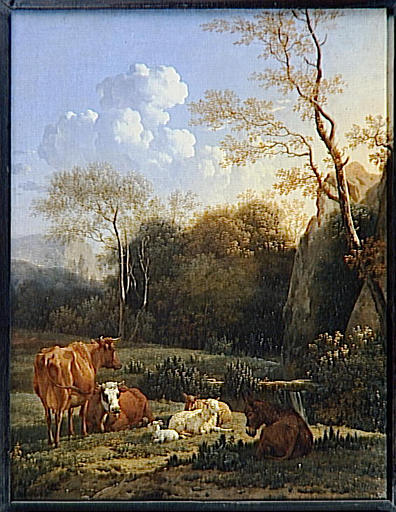
LE BOCAGE


 Read More
Purchase a high-resolution, enhanced digital image, far superior to the online preview.
Each file is meticulously prepared by our in-house specialists using advanced tools and expert manual retouching. We ensure every image has exceptional clarity, precise color accuracy, and fine detail.
The final file is delivered via email within 72 hours, optimized for immediate use in professional, editorial, and print environments. This is the same quality trusted by top-tier design studios, publishers, and galleries.
Digital Image
Download a high-resolution file for personal display, printing, and creative projects. ( Buy Print Buy Hand Made Painting)
Included in Every Digital Image Order
Expert Digital Delivery, Guaranteed
When you choose ArtsDot.com, you're not just getting an image - you're receiving a professionally enhanced digital artwork, crafted with precision and backed by a satisfaction guarantee. Here's everything that comes with your order, automatically:

Fast Email Delivery
Your high-resolution digital image file will be emailed to you within 72 hours of ordering - ready for immediate use.

AI-Enhanced Digital File
Your artwork is professionally optimized using advanced AI tools and manual editing, ensuring maximum detail, clarity, and color accuracy.

Free Lifetime Re-Delivery
Accidentally deleted or lost your file? No worries - we'll resend it to you anytime, free of charge.

No Import Fees - Ever
Enjoy your artwork instantly with zero customs, duties, or delivery fees - digital downloads are always tax-free.

Color Accuracy Guarantee
We ensure your digital image reflects the original colors as closely as possible using professional tools and color management.

60-Day Satisfaction Guarantee
If you're not satisfied with your digital image, we'll revise it or refund 100% within 60 days - no questions asked.

100% Money-Back Guarantee
Not satisfied? Get a full refund within 60 days of receiving your digital file - no questions asked.

Bulk Order Discounts
Buy 3 images, save 10% - Buy 5, save 15% - Buy 10+, save 20%. Great for creative projects, galleries, and agencies.
Collectible Description
A Pastoral Vision in Earth Tones: Karel Dujardin’s “Le Bocage”
Karel Dujardin's "Le Bocage," painted around 1656, is more than just a depiction of a rural scene; it’s a carefully constructed meditation on the harmony between humanity and nature, rendered with the meticulous realism characteristic of Dutch Golden Age landscape painting. This artwork transports the viewer to a tranquil corner of the Netherlands, a place where the rhythms of farm life unfold beneath an expansive sky. The composition immediately draws the eye towards a central grouping of cows and sheep grazing within a densely wooded area, their forms subtly off-center – a classic technique designed to create visual interest and guide the observer’s gaze through the scene. A winding path, barely discernible amidst the foliage, beckons us into this idyllic world, while the high horizon line emphasizes the vastness of the sky, imbuing the landscape with a sense of spaciousness and serenity.The Language of Light and Earth
Dujardin’s masterful use of color establishes an immediate mood of quiet contemplation. The palette is dominated by earthy tones – rich browns, deep greens, muted yellows, and subtle blues – evoking the textures and hues of the natural world. Sunlight filters through the trees in dappled patterns, casting warm glows upon the animals and illuminating patches of ground, while cooler shadows linger in the foreground, creating a dynamic interplay of light and dark. This careful manipulation of value not only adds depth to the scene but also suggests the tactile quality of bark, fur, and soil – inviting us to almost feel the coolness of the shade and the warmth of the sun on our skin. The artist’s brushstrokes are visible yet controlled, contributing to a sense of both immediacy and refinement.Technique and Detail: A Masterclass in Dutch Realism
Examining the painting reveals Dujardin's sophisticated technique. He employs a combination of loose and precise brushwork, skillfully blending colors to create subtle transitions and atmospheric effects. Glazes – thin layers of translucent paint – are likely utilized to achieve luminous highlights and deepen the richness of the earth tones. The artist’s attention to detail is remarkable; individual blades of grass, the texture of tree bark, and the varied forms of the livestock are rendered with a keen eye for naturalism. Linear perspective subtly guides our vision into the distance, while atmospheric perspective – the fading of colors and details in the background – convincingly conveys depth and scale. The composition itself is rooted in classical principles, mirroring the works of artists like Jan Steen and Pieter van Laer, yet infused with Dujardin’s unique sensibility.Symbolism and Emotional Resonance
“Le Bocage” transcends a simple depiction of rural life; it carries symbolic weight. The scene evokes feelings of abundance, prosperity, and the simple pleasures associated with country living. The presence of livestock – cows and sheep – traditionally represents wealth and fertility within pastoral settings. The tranquil atmosphere and gentle lighting contribute to a profound sense of serenity and contentment, inviting us to pause and appreciate the beauty of the natural world. It’s a reminder of a time when life moved at a slower pace, intimately connected with the rhythms of the seasons and the bounty of the land. The artwork speaks to a fundamental human desire for connection with nature – a longing that remains powerfully relevant today.A Timeless Reproduction
ArtsDot offers meticulously crafted hand-painted reproductions of “Le Bocage,” allowing you to bring this exquisite masterpiece into your home or office. Each reproduction is created by skilled artists using the same techniques and materials as Dujardin, ensuring an authentic representation of his vision. Whether you’re a seasoned art collector or simply seeking a beautiful addition to your décor, a ArtsDot reproduction of “Le Bocage” provides a tangible connection to one of the Dutch Golden Age's most beloved landscape painters – a timeless testament to the beauty and tranquility of the natural world.Related Artworks
Artist Biography
A Life Immersed in Light and Landscape
Karel Dujardin, a name resonating softly within the pantheon of Dutch Golden Age masters, was born in Amsterdam in 1626 – though some records suggest 1622. His life unfolded during a period of unprecedented artistic flourishing in the Netherlands, yet his path wasn’t one of immediate acclaim but rather a gradual unfolding of talent nurtured by careful study and extensive travel. Details surrounding his early years remain somewhat elusive, shrouded in the mists of time, however it is widely accepted that he received foundational training under Nicolaes Berchem, a painter celebrated for his idyllic landscapes populated with animals. This mentorship proved pivotal, instilling in Dujardin a deep appreciation for naturalism and a keen eye for capturing the subtle nuances of light and atmosphere. But Dujardin’s artistic journey wasn't confined to the studios of Amsterdam; he possessed an adventurous spirit that led him to Rome, where he became a member of the *Bentvueghels*, a society of predominantly Dutch and Flemish painters who embraced a bohemian lifestyle and often adopted satirical nicknames. In Rome, he was known as “Barba di Becco” or "Goat-Beard," a moniker likely referencing his distinctive facial hair, and it was here that his artistic voice truly began to mature.The Italianate Influence and Artistic Style
Dujardin’s time in Italy profoundly shaped his artistic style. He wasn't merely replicating the landscapes he encountered; instead, he synthesized them with the Dutch tradition of genre painting, creating a unique blend that captivated audiences on both sides of the Alps. His paintings are characterized by meticulous detail and a remarkable ability to depict scenes of everyday life – rural scenes brimming with animals, peasants engaged in their daily routines, and tranquil pastoral settings. He possessed an exceptional talent for capturing the play of light and shadow, imbuing his canvases with a sense of warmth and realism. While influenced by Italian masters, Dujardin didn’t simply imitate; he filtered these influences through his own Dutch sensibility, resulting in works that are both evocative and grounded in observation. Woman Milking a Red Cow, for example, exemplifies his skill in portraying rural life with remarkable precision, while Farm Animals in the Shade of a Tree showcases his ability to capture tranquil scenes, highlighting the harmonious relationship between humans and nature. His exposure to Italian culture is also evident in works like Rest at an Italian Inn, where he seamlessly blends Dutch genre painting traditions with evocative Italianate settings.Beyond Genre: Portraits and a Glimpse into Self
While Dujardin is best known for his landscapes and genre scenes, his artistic repertoire extended beyond these subjects. He also undertook portraiture, demonstrating his versatility as an artist. The Regents of the Spinhuis and Nieuwe Werkhuis, Amsterdam (1669), a notable group portrait, reveals his skill in capturing individual likenesses within a larger composition, showcasing not only technical proficiency but also a sensitivity to character. Perhaps offering the most intimate glimpse into the artist’s own world is his Self-Portrait (1662). This work provides a direct connection to Dujardin himself, allowing viewers to contemplate the man behind the brushstrokes and gain insight into his personality and artistic vision. It's a study in quiet contemplation, revealing an artist deeply engaged with his craft and aware of his place within the artistic landscape of his time.Legacy and Historical Significance
Karel Dujardin’s legacy extends far beyond the confines of the Dutch Golden Age. His works continue to be admired for their technical brilliance, evocative atmosphere, and insightful depictions of everyday life. He wasn't a revolutionary in the same vein as Rembrandt or Vermeer, but his contribution was significant nonetheless – he refined and perfected a particular genre, elevating it through his meticulous observation and masterful technique. His paintings are held in esteemed collections worldwide, including the Mauritshuis Royal Picture Gallery in The Hague and the National Gallery in London, testament to their enduring appeal and artistic merit. Dujardin’s influence can be seen in the works of later artists who sought to capture the beauty of the natural world and the dignity of ordinary people. He stands as a representative figure of an era that celebrated observation, craftsmanship, and the quiet moments of life – a legacy that continues to resonate with audiences today. He exemplifies the Dutch Golden Age’s focus on meticulous detail and the celebration of everyday existence, leaving behind a body of work that offers a captivating window into a bygone world.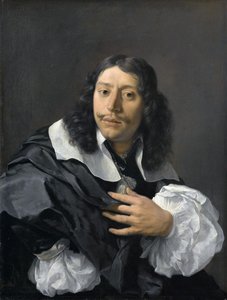
Karel Dujardin
1626 - 1678 , Netherlands
Quick Facts
- Artistic Movement Or Style: Dutch Golden Age painting
- Artists Who Influenced This Artist:
- Nicolaes Berchem
- Rembrandt van Rijn
- Date Of Birth: September 27, 1626
- Date Of Death: 1678
- Full Name: Karel Dujardin
- Nationality: Dutch
- Notable Artworks:
- Woman Milking a Red Cow
- Farm Animals in the Shade...
- Rest at an Italian Inn
- Self-Portrait (1662)
- The Regents of the Spinhuis...
- Place Of Birth: Amsterdam, Netherlands

