 Preview
 Send
Send Share
Share
 Details

 Download
 Similars
 X-Ray
X-Ray Diaporama
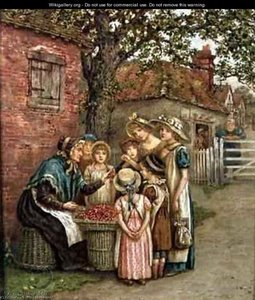
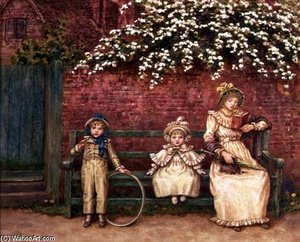
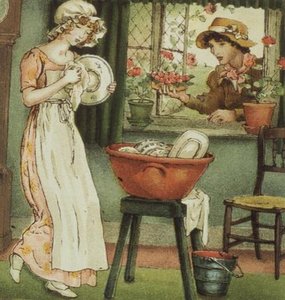
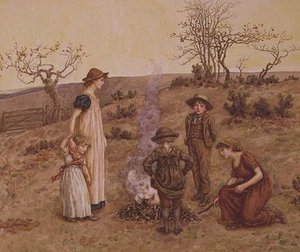
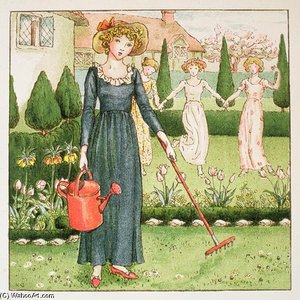
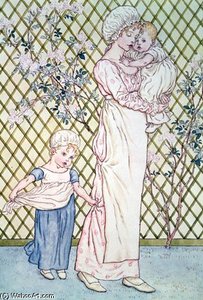
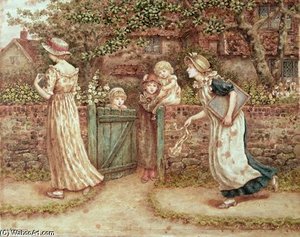
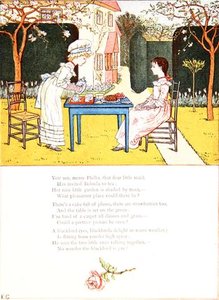
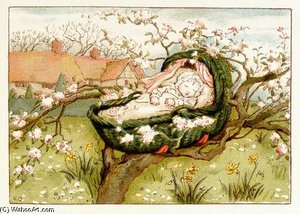
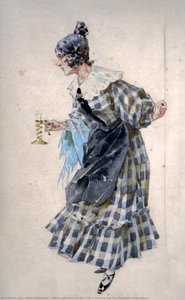
March Illustration For The Almanac


 Read More
Hand Made Oil Reproduction
Hand-painted oil on canvas in your size and frame, made to order by our artists. ( Buy Print Buy Image)




































Pick from our preset sizes that match the artwork's original proportions.

You may enter your own dimensions to fit a specific frame or space. If your selected size does not match the original image's proportions, we will either crop the artwork or extend the painting with additional hand-painted elements. A digital mockup will be sent for your approval before production begins.
Please note that the on-screen preview does not reflect the actual cropping or extension. Only the mockup will accurately show the final composition.
While custom sizes are available, we recommend selecting a dimension from the predefined list to preserve the original proportions.
After order, ArtsDot.com team will email client for instructions and provide a mockup preview
Worldwide Delivery () in 3/4 weeks instead of standard 5 weeks. (16 August). No compromise on quality.

Free Worldwide Express Shipping

High-Quality Linen Canvas

Full Shipping Insurance

Customs Tax Refund Guarantee

True Color Matching Guarantee

60-Day Return Policy (Defects Only)

100% Money-Back Guarantee

Bulk Discount Offer
 Glass option is only available in size under 110 CM

March Illustration For The Almanac
Reproduction Medium
Reproduction Size
-


Total Price
$ 313
Related Artworks
Artist Biography
A Childhood Reverie: The Life and Art of Kate Greenaway
Born in the bustling heart of Victorian London in 1846, Catherine “Kate” Greenaway emerged as a beacon of gentle artistry during an era often defined by industrial grit. Her story is one woven with threads of familial creativity and a deep-seated yearning for the idyllic—a longing that would ultimately define her enduring legacy. The daughter of an engraver, John Greenaway, and a dressmaker, Elizabeth, Kate’s early life was steeped in visual culture. Her father's profession exposed her to the intricacies of line and form, while her mother’s world of fabrics and fashion instilled a keen eye for detail and color. These formative influences, coupled with childhood summers spent in the tranquil countryside of Rolleston, Nottinghamshire, laid the foundation for the enchanting aesthetic that would soon captivate audiences worldwide. The rural landscapes, brimming with wildflowers and pastoral scenes, became deeply etched in her memory, serving as a constant source of inspiration throughout her career.Forging a Unique Style: Influences and Artistic Development
Kate Greenaway’s artistic journey was not solely shaped by idyllic memories; it was also informed by rigorous academic training. She studied at several prominent art schools—the South Kensington School of Art, the Royal Female School of Art, and finally, the Slade School of Fine Art—where she honed her technical skills in graphic design and fine arts. However, Greenaway chafed against the strict emphasis on copying prevalent in these institutions. She sought to break free from rigid conventions, yearning for a more expressive and imaginative approach. This desire for artistic independence led her to explore alternative avenues, initially designing Christmas and Valentine’s cards—a burgeoning market at the time. A pivotal moment arrived with her collaboration with wood-block engraver Edmund Evans. Their partnership proved remarkably fruitful, resulting in publications that would redefine children's book illustration. Early influences included artists like John Leech, John Gilbert, and Kenny Meadows, whose work her father engraved, as well as the rich visual narratives found within illustrated editions of Shakespeare and fairy tales. But it was Greenaway’s ability to synthesize these influences with her own unique sensibility that truly set her apart.The "Kate Greenaway Style" and Lasting Achievements
The publication of Under the Window in 1879 marked a watershed moment, not only for Kate Greenaway but for the entire landscape of children’s literature. The book's immediate success established her signature style—a whimsical depiction of children adorned in elaborate 18th-century costumes, set against the backdrop of a charmingly idealized Queen Anne aesthetic. This “Kate Greenaway Style” quickly became immensely popular, imitated widely and influencing fashion, interior design, and decorative arts. Her illustrations weren’t merely pretty pictures; they were carefully constructed narratives that celebrated childhood play, domestic life, and beloved fairy tales with meticulous detail and a delicate watercolor technique. Following Under the Window, Greenaway continued to produce a prolific body of work throughout the 1880s and 1890s, including titles like A Posy Book, The Baby’s Book of Songs and Nursery Rhymes, and an alphabet book that further cemented her reputation. Her ability to capture a sense of innocence and nostalgia resonated deeply with Victorian audiences, offering a comforting escape from the realities of industrial life.A Legacy of Charm and Innovation
Kate Greenaway’s historical significance extends far beyond her artistic achievements. Her work reflected—and subtly challenged—the Victorian fascination with childhood innocence and idealized domesticity. While embracing traditional themes, she infused them with a sense of imaginative storytelling and expressive characterization that broke from strict realism. She revolutionized children's book illustration, establishing a new standard for artistic quality and narrative depth. Moreover, Greenaway’s success as a female artist in a male-dominated field paved the way for future generations of women illustrators and artists. Her illustrations continue to be celebrated today for their beauty, charm, and enduring appeal—a testament to her unique vision and lasting impact on Victorian aesthetics. She didn't just illustrate stories; she created worlds that invited readers to step into a realm of gentle fantasy and timeless grace.- Major Works: Under the Window, A Posy Book, The Baby’s Book of Songs and Nursery Rhymes.
- Key Characteristics: Depictions of children in 18th-century attire, Queen Anne style settings, delicate watercolor technique.
- Lasting Influence: Revolutionized children's book illustration, impacted fashion and design, inspired future generations of female artists.
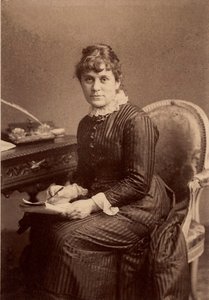
Kate Greenaway
1846 - 1901 , United Kingdom
Quick Facts
- Artistic Movement Or Style: Victorian illustration
- Artists Or Movements Influenced By This Artist:
- Children's illustration
- Victorian design
- Artists Who Influenced This Artist:
- John Leech
- John Gilbert
- Kenny Meadows
- Date Of Birth: 1846
- Date Of Death: 1901
- Full Name: Kate Greenaway
- Nationality: British
- Notable Artworks:
- Under the Window
- A Posy Book
- Little Boys and Girls
- Place Of Birth: Hoxton, UK
Related Articles

Watercolor Wonders: 10 Masterpieces That Redefined Art History | ArtsDot
Journey through 10 legendary watercolor masterpieces by Sargent, Turner & Homer! Explore iconic landscapes, portraits & floral art that redefined history. Find museum-quality reproductions and curated decor ideas at ArtsDot.com.

Ephemeral Visions: Exploring the Artistic Legacy & Contemporary Practice of Watercolor Painting
Explore the captivating world of watercolor painting! Discover its rich history, essential techniques, influential artists & collecting tips. A comprehensive guide for art enthusiasts from ArtsDot.

Ephemeral Visions: Exploring the History & Emotional Resonance of Watercolor Painting
Explore the captivating history of watercolor painting, from ancient techniques to modern masters like Kandinsky & Blake. Discover essential artists, collecting tips & the emotional power of this luminous medium. Expert insights for art enthusiasts.

Ephemeral Visions: Exploring the Artistic Legacy & Nuances of Watercolor Painting
Explore the captivating world of watercolor painting! Discover its rich history, essential techniques, influential artists & collecting tips from art experts. A comprehensive guide for enthusiasts.
The Enduring Appeal of Watercolor: History, Techniques & Contemporary Practice
Explore the captivating world of watercolor painting! Discover its rich history, essential techniques, influential artists, and collecting tips. A comprehensive guide for art enthusiasts.