 Preview
 Send
Send Share
Share
 Details

 Download
 Similars
 X-Ray
X-Ray Diaporama
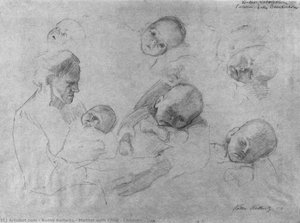
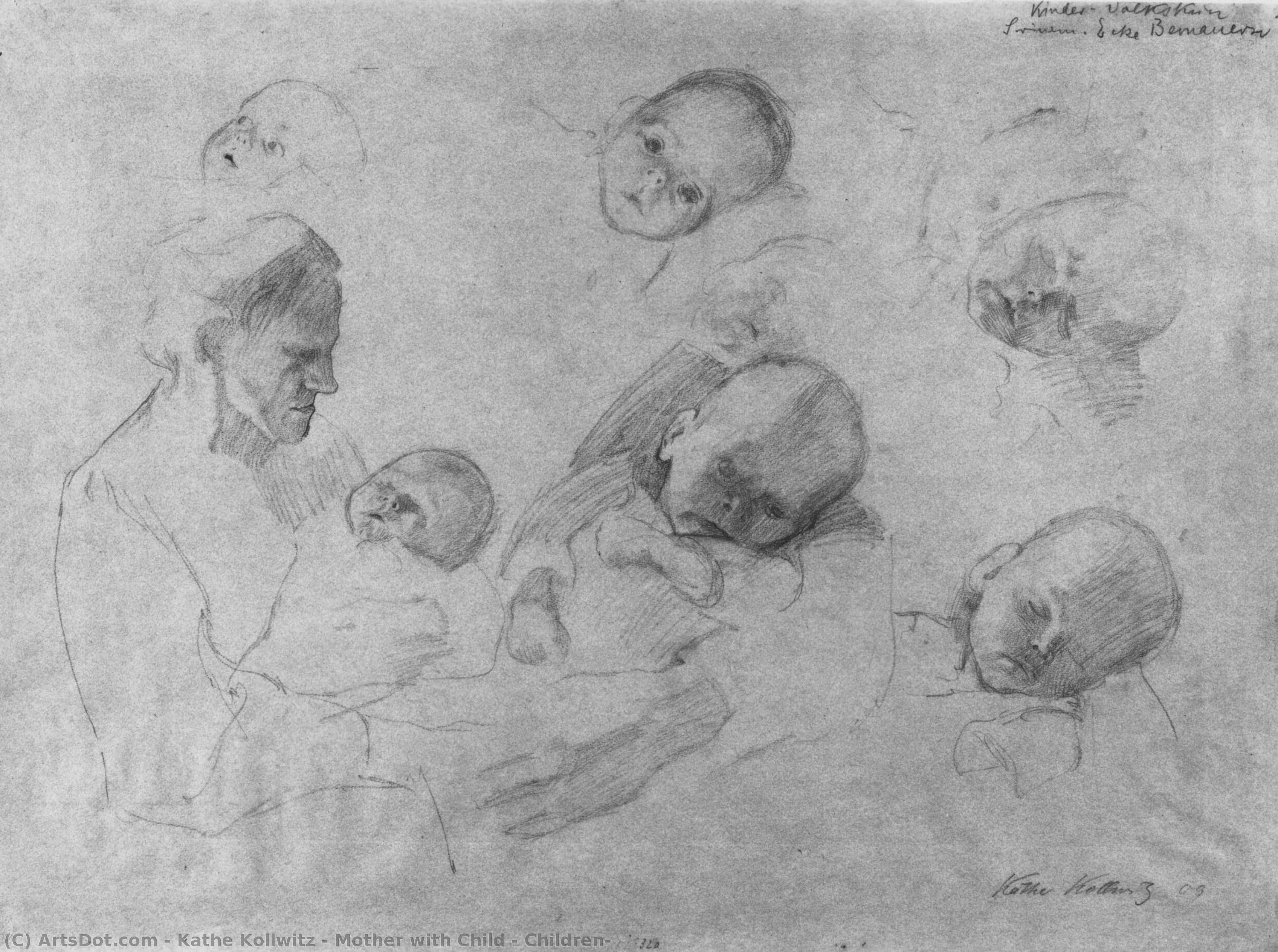
Mother with Child / Children
 Acrylic On Canvas
- WallArt
- Expressionistic Realism
 1909
1909 47.0 x 63.0 cm
 Kunsthalle Bremen
 Read More
Hand Made Oil Reproduction
Hand-painted oil on canvas in your size and frame, made to order by our artists. ( Buy Print Buy Image)




P118B $10

P118H $10

P118W $10

P438Z $10

P508JH $12

P508YH $12

P805H $10

P805Z $10

P919BZ $10

P919G $10

P919XJ $10

P959ZH $10

P968JZ $12

W106C $8

W218G $10

W218JH $8

W218Y $10

W307PJ $10

W316G $10

W316PJ $8

W316Y $10

W398PJ $8

W4111J $10

W500HY $15

W500JH $15

W692G $12

W849H $8

W940BG $15

W953PJ $8




Pick from our preset sizes that match the artwork's original proportions.

You may enter your own dimensions to fit a specific frame or space. If your selected size does not match the original image's proportions, we will either crop the artwork or extend the painting with additional hand-painted elements. A digital mockup will be sent for your approval before production begins.
Please note that the on-screen preview does not reflect the actual cropping or extension. Only the mockup will accurately show the final composition.
While custom sizes are available, we recommend selecting a dimension from the predefined list to preserve the original proportions.
After order, ArtsDot.com team will email client for instructions and provide a mockup preview
Worldwide Delivery () in 3/4 weeks instead of standard 5 weeks. (17 August). No compromise on quality.

Free Worldwide Express Shipping

High-Quality Linen Canvas

Full Shipping Insurance

Customs Tax Refund Guarantee

True Color Matching Guarantee

60-Day Return Policy (Defects Only)

100% Money-Back Guarantee

Bulk Discount Offer
 Glass option is only available in size under 110 CM

Mother with Child / Children
Reproduction Medium
Reproduction Size
-


Total Price
$ 388
Artwork Description
Käthe Kollwitz’s “Mother With Child in Arms”: A Testament to Maternal Resilience
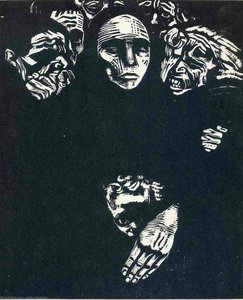
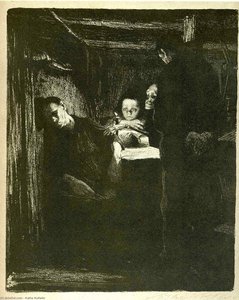
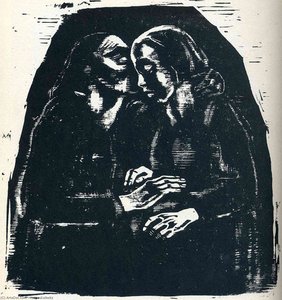
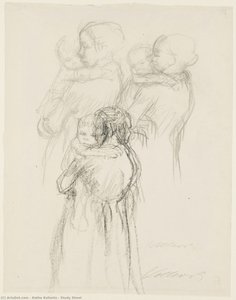
The lithograph *Mother With Child in Arms*, created by Käthe Kollwitz in 1920, stands as a poignant emblem of the artist's unwavering dedication to portraying the profound complexities of motherhood amidst the turbulent backdrop of World War I. More than just a depiction of familial tenderness, it’s a visceral exploration of vulnerability and protective strength—themes central to Kollwitz’s artistic vision and deeply resonant with viewers today.- Subject Matter: Kollwitz meticulously captures a scene of quiet intimacy – a mother cradling her child in arms. The composition deliberately eschews grand gestures or dramatic poses, prioritizing instead the subtle nuances of human connection. This focus on everyday life reflects Kollwitz’s belief that art should illuminate the realities of ordinary existence and grapple with universal themes of compassion and sorrow.
- Style: Kollwitz's work firmly resides within the Expressionist movement, characterized by its rejection of objective representation in favor of conveying inner emotion. The lithograph’s flattened perspective and simplified forms serve to heighten the emotional impact, prioritizing feeling over precise visual accuracy. This stylistic choice aligns perfectly with Kollwitz’s desire to communicate profound psychological truths about human experience.
- Technique: Kollwitz employed a masterful combination of etching and sandpaper techniques—a painstaking process that demanded considerable skill and patience. Sandpaper was used to roughen the surface of the paper, creating texture and enhancing the tonal range achievable through etching. The artist meticulously applied lines and marks, layering them with delicate precision to build up areas of shadow and imbue the image with palpable emotion.
- Historical Context: Produced during the First World War, *Mother With Child in Arms* speaks directly to the anxieties and uncertainties experienced by families grappling with loss and hardship. Kollwitz’s artistic output was profoundly influenced by her personal experiences—the death of her son during the war—and she channeled these emotions into her art as a means of confronting grief and advocating for social justice.
- Symbolism: The image embodies powerful symbolic representations of maternal love and resilience. The mother's posture conveys unwavering protection, mirroring the instinctive instinct to safeguard one’s offspring. Simultaneously, Kollwitz subtly hints at the pervasive sorrow associated with loss—a poignant acknowledgment of the inescapable realities of human existence.
Related Artworks
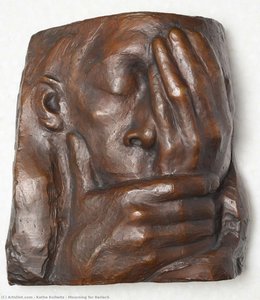
Artist Biography
Early Life and Artistic Awakening
Käthe Kollwitz, born Käthe Schmidt on July 8, 1867, in Königsberg (now Kaliningrad, Russia), emerged from a family deeply rooted in both intellectual ferment and social conscience. Her father, Karl Schmidt, was a progressive political figure—a radical social democrat and mason—while her maternal grandfather, Julius Rupp, instilled in young Käthe a potent blend of religious conviction and socialist ideals. This unique upbringing proved foundational, shaping not only her worldview but also the very core of her artistic expression. Even as a child, Kollwitz demonstrated an innate talent for drawing, encouraged by her father who recognized and nurtured her burgeoning creativity. Formal training began at age twelve under the guidance of local artists Gustav Naujok and Rudolf Mauer in Königsberg, laying the groundwork for a lifelong dedication to visual storytelling. These early lessons weren’t merely technical exercises; they were the first steps on a path toward becoming a powerful voice for the marginalized and oppressed. She continued her studies in Berlin and Munich, immersing herself in the artistic currents of the late 19th century, but always returning to the human condition as her central subject.The Crucible of Experience: Art and Social Commentary
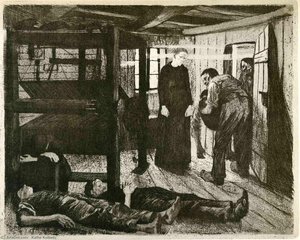
Kollwitz’s marriage to Karl Kollwitz in 1891 marked a pivotal moment, both personally and artistically. The couple settled in Berlin, where Karl practiced medicine among the city's impoverished working class. This direct exposure to hardship and suffering profoundly impacted Käthe’s artistic vision. Initially, her work focused on depicting the realities of working-class life, imbued with the social democratic principles she had absorbed from her family. However, it was *The Weavers Cycle* (1894-1898), a series of prints inspired by Gerhart Hauptmann's play of the same name, that catapulted Kollwitz to widespread recognition. This powerful work vividly portrayed the desperation and revolt of Silesian weavers facing economic exploitation—a stark indictment of social injustice rendered with unflinching honesty. She didn’t shy away from portraying the brutal realities she witnessed; instead, she embraced them as essential components of her artistic truth. Following *The Weavers*, Kollwitz embarked on *The Peasants' War Cycle* (1902-1908), exploring themes of rebellion and oppression through the lens of 16th-century German history. These early cycles established her reputation as an artist deeply committed to social realism, yet already hinting at the emotional intensity that would become a hallmark of her style.Loss, Grief, and the Expressionist Impulse
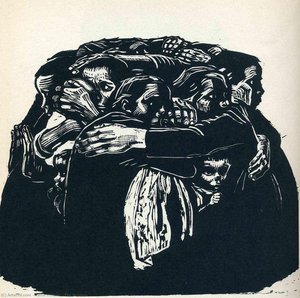
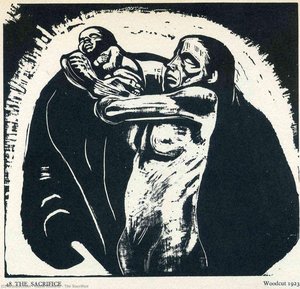
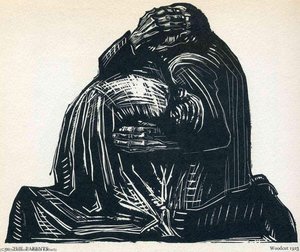
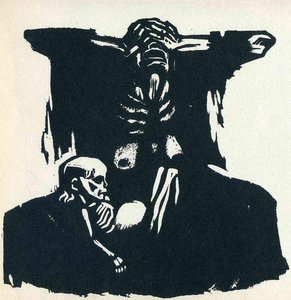
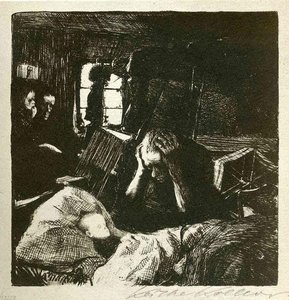
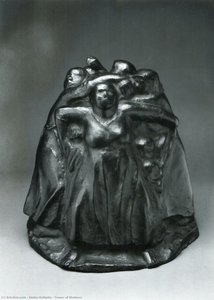
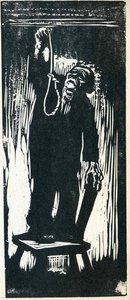
The First World War brought unimaginable tragedy into Kollwitz’s life. The death of her son, Peter, in 1914 shattered her world and irrevocably altered the course of her art. Grief became a central theme, permeating works like *Death with Girl in Her Lap*, a haunting depiction of maternal sorrow that transcends specific loss to embody universal mourning. This period also saw a shift in her artistic style, moving away from strict realism toward a more emotionally charged Expressionism. While she never fully abandoned representational forms, Kollwitz began to simplify shapes and amplify emotional impact through stark contrasts and dramatic compositions. Works like *Old Man with Noose* and *Tower of Mothers* exemplify this evolution—raw, visceral expressions of despair and the devastating consequences of war. Her mastery of printmaking techniques – etching, lithography, woodcuts – allowed her to achieve these effects, utilizing aquatint and sandpaper to create dramatic textures and tonal variations.Recognition, Resilience, and Enduring Legacy
Despite facing immense personal hardship, Kollwitz continued to create art that challenged societal norms and gave voice to the voiceless. In 1919, she achieved a historic milestone by becoming the first woman elected to the Prussian Academy of Arts—a testament to her artistic achievements and growing influence. However, this recognition was short-lived. With the rise of Nazism in Germany, Kollwitz was forced to resign from the Academy in 1933, and her work was banned as “degenerate art.” Undeterred, she turned to sculpture in her later years, continuing to explore themes of grief, loss, and resilience in bronze and stone. She died near Dresden in 1945, during the final days of World War II, a poignant end for an artist who had dedicated her life to bearing witness to human suffering. Today, Käthe Kollwitz is celebrated as a pivotal figure in Expressionism and a powerful advocate for social justice. Her art continues to resonate with audiences worldwide, reminding us of the enduring power of empathy and the importance of confronting difficult truths. The Käthe Kollwitz Museum in Berlin stands as a lasting tribute to her legacy, ensuring that her profound artistic vision will continue to inspire generations to come.Influences and Artistic Style
Kollwitz’s artistic development was shaped by several key influences. Max Klinger's print series *Ein Leben* (A Life) profoundly impacted her early work, demonstrating the potential of graphic cycles for narrative storytelling. The plays of Gerhart Hauptmann provided thematic inspiration for works like *The Weavers*, while her husband’s medical practice exposed her to the harsh realities faced by Berlin’s working class. However, Kollwitz wasn't merely a recorder of external events; she possessed an exceptional ability to translate personal experience into universal emotions. Her style is characterized by its raw emotional intensity, simplified forms, and masterful use of light and shadow. While rooted in realism, her work transcends mere representation, delving into the psychological depths of human suffering. She wasn’t interested in beauty for beauty's sake; she sought to create art that would provoke thought, inspire empathy, and ultimately contribute to a more just world. Her legacy is not simply one of artistic innovation but also of moral courage. Kollwitz remains an enduring symbol of the artist as social conscience.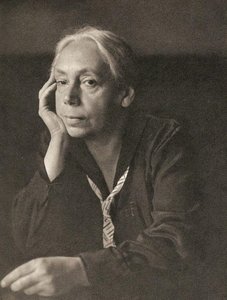
Käthe Kollwitz
1867 - 1945 , Russia
Quick Facts
- Artistic Movement Or Style: Expressionism
- Artists Or Movements Influenced By This Artist: ['Expressionism']
- Artists Who Influenced This Artist:
- Max Klinger
- Gerhart Hauptmann
- Date Of Birth: July 8, 1867
- Date Of Death: 1945
- Full Name: Käthe Kollwitz
- Nationality: German
- Notable Artworks:
- The Weavers Cycle
- Death with Girl in Her Lap
- Old Man with Noose
- The Peasants’ War Cycle
- Place Of Birth: Kaliningrad, Russia
Related Articles
German Expressionism's 10 Defining Masterpieces | Art for Your Home
Explore 10 defining German Expressionism masterpieces – from Munch's 'The Scream' to Kandinsky’s abstracts. Discover the artists, stories & bold colors behind this powerful art movement. Find museum-quality reproductions at ArtsDot.com.
Top 10 Lithographs That Revolutionized Art | ArtsDot
Explore 10 legendary lithographs by Toulouse-Lautrec, Munch & Picasso that redefined art! Discover the stories behind these iconic prints and find museum-quality reproductions for your home decor at ArtsDot.com. Explore the full collection online.

The Visceral Cry of a Nation: Exploring Emotion & Distortion in German Expressionism
Explore the powerful world of German Expressionism with ArtsDot. Discover Kirchner, Nolde & Die Brücke's emotive masterpieces. Learn about this pivotal art movement and its lasting impact on modern art.
Figurative Expressionism: Emotional Intensity & Subjective Reality in 20th-Century Art
Explore the powerful world of Figurative Expressionism with ArtsDot. Discover key artists like Kirchner & Beckmann, understand its emotional depth, and learn how to collect this influential 20th-century art movement.
Echoes of Trauma & Hope: Representing Transformation in Artworks of 1918
Explore the profound artistic responses to World War I's trauma & hope. Discover Expressionist masterpieces by Bacon, de Kooning & more. Expert insights for collectors & art enthusiasts at ArtsDot.