 Preview
 Send
Send Share
Share
 Details

 Download
 Similars
 X-Ray
X-Ray Diaporama
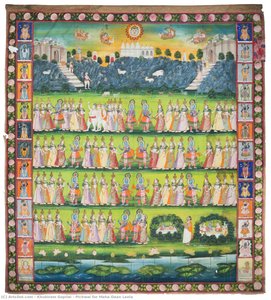
Pichwai for Maha Daan Leela


 Read More
Hand Made Oil Reproduction
Hand-painted oil on canvas in your size and frame, made to order by our artists. ( Buy Print Buy Image)




P118B $10

P118H $10

P118W $10

P438Z $10

P508JH $12

P508YH $12

P805H $10

P805Z $10

P919BZ $10

P919G $10

P919XJ $10

P959ZH $10

P968JZ $12

W106C $8

W218G $10

W218JH $8

W218Y $10

W307PJ $10

W316G $10

W316PJ $8

W316Y $10

W398PJ $8

W4111J $10

W500HY $15

W500JH $15

W692G $12

W849H $8

W940BG $15

W953PJ $8




Pick from our preset sizes that match the artwork's original proportions.

You may enter your own dimensions to fit a specific frame or space. If your selected size does not match the original image's proportions, we will either crop the artwork or extend the painting with additional hand-painted elements. A digital mockup will be sent for your approval before production begins.
Please note that the on-screen preview does not reflect the actual cropping or extension. Only the mockup will accurately show the final composition.
While custom sizes are available, we recommend selecting a dimension from the predefined list to preserve the original proportions.
After order, ArtsDot.com team will email client for instructions and provide a mockup preview
Worldwide Delivery () in 3/4 weeks instead of standard 5 weeks. (24 August). No compromise on quality.

Free Worldwide Express Shipping

High-Quality Linen Canvas

Full Shipping Insurance

Customs Tax Refund Guarantee

True Color Matching Guarantee

60-Day Return Policy (Defects Only)

100% Money-Back Guarantee

Bulk Discount Offer
 Glass option is only available in size under 110 CM

Pichwai for Maha Daan Leela
Reproduction Medium
Reproduction Size
-


Total Price
$ 263
Artwork Description
A Divine Procession in Pigment
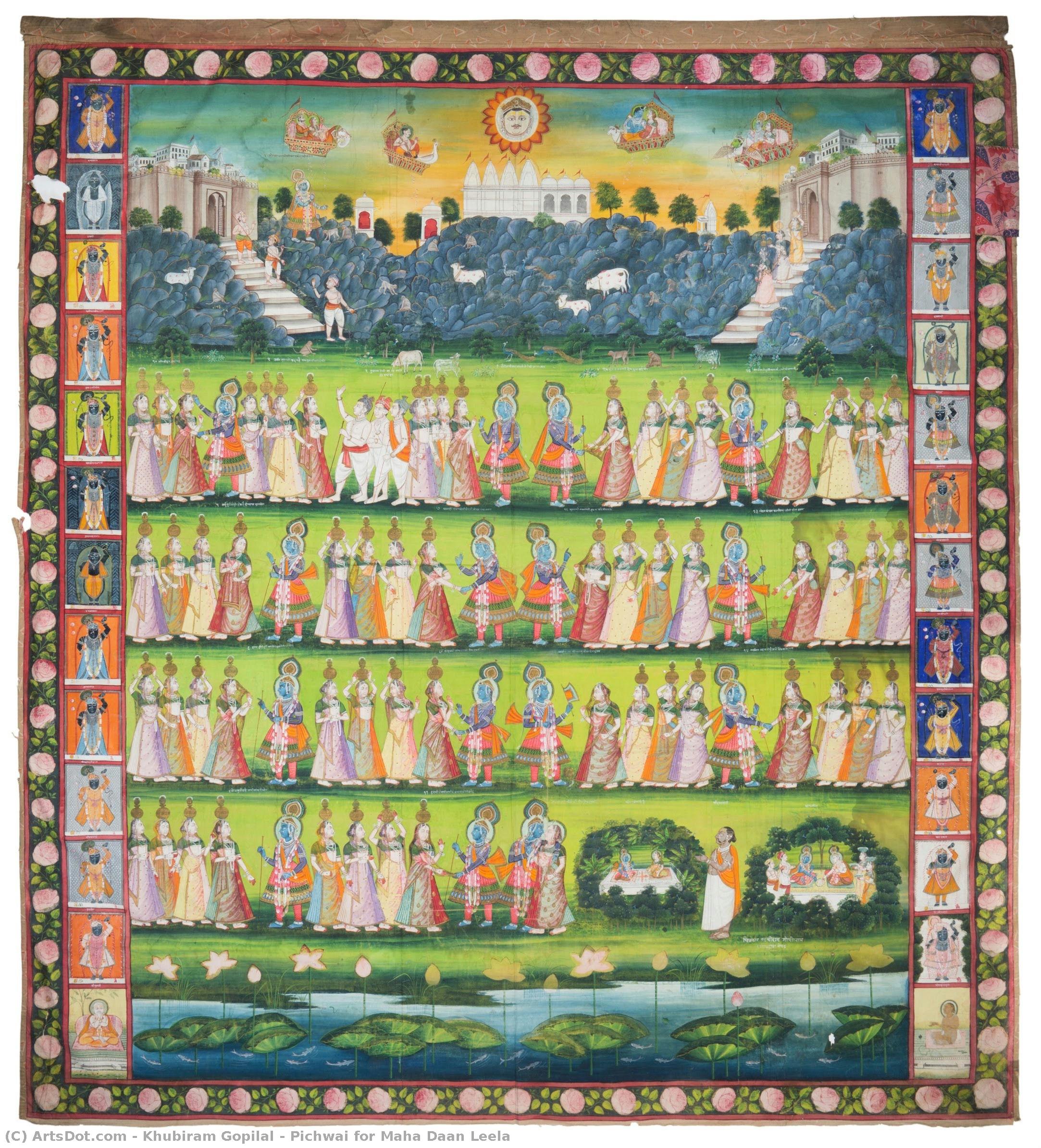
In the vibrant heart of Nathdwara, where devotion meets artistry, the Pichwai for Maha Daan Leela emerges as a breathtaking window into a celestial narrative. Created around 1900 by the master artist Khubiram Gopilal, this expansive masterpiece captures the "festival of the toll," a poignant moment in the Krishna legend where Shrinathji exacts a tribute from the gopis of Vraj. As one gazes upon this work, the eye is immediately swept into a rhythmic, colorful procession. The painting unfolds in intricate registers, guiding the viewer through a bustling landscape populated by devotees, majestic horses, and gentle cows, all moving through a world that feels simultaneously grounded in Indian tradition and elevated by divine presence.
The composition is a masterclass in narrative layering. In the upper reaches of the canvas, the city of Vraja rises toward the heavens, surrounded by the sacred architecture of temple complexes. Floating amidst the clouds, deities descend in jewel-encrusted gold chariots pulled by their celestial vahanas, centered by the radiant glow of Surya, the sun god. This vertical movement creates a sense of cosmic order, connecting the earthly toil of the gopis with the eternal realm of the gods. At the very base of this spiritual journey, the chaos of the procession settles into a moment of profound intimacy: Krishna and Radha are depicted in a tender embrace on the banks of a river, lush with flowering lotuses, offering a serene emotional anchor to the lively scene above.
The Mastery of the Khubiram-Gopilal Studio
To appreciate this pichwai is to understand the revolutionary spirit of Khubiram Gopilal. Operating from a renowned painting studio in Rajasthan, Gopilal was a pioneer who dared to blend the ancient traditions of manorath paintings—devotional portraits intended as mementary for pilgrims—with the emerging influence of photographic techniques. This unique stylistic fusion lends the piece an uncanny sense of presence; while the figures are steeped in classical iconography, there is a clarity and a captured "moment" that feels strikingly modern for the turn of the century. The artist’s ability to balance the delicate Devanagari inscriptions with lush, organic borders of pink roses and verdant leaves demonstrates a sophisticated command over both text and texture.
For the discerning collector or interior designer, this reproduction offers more than mere decoration; it provides a focal point of profound cultural depth. The palette, rich with traditional pigments, evokes a sense of warmth and vitality that can transform a space, bringing the storied atmosphere of an Indian temple into a contemporary setting. Whether placed in a grand gallery or as a centerpiece in a curated living space, the Pichwai for Maha Daan Leela serves as a testament to the enduring power of sacred art—a piece that invites continuous rediscovery through its intricate details, its rhythmic movement, and its timeless celebration of divine love and cultural heritage.
Related Artworks
Artist Biography
early life and career
khubiram gopilal, an indian artist, was born in 1891 in nathdwara, india, and passed away in 1970. his artistic journey began with a focus on portrait painting, specifically the style known as manorath paintings. these paintings were created for pilgrims visiting the temple at nathdwara as mementos of their worship of the young krishna.artistic style and significance
gopilal's work is characterized by its unique approach to portraiture, blending traditional indian elements with photographic techniques. as a painter, studio photographer, and collagist, he specialized in capturing the essence of his subjects. his version of lord shiva's portrait, released in 1930, is a notable example of his skill.notable works
* maha daan leela or the 'festival of the toll' in nathdwara: a large pichwai showcasing gopilal's mastery of capturing the spirit of indian culture. * featured in monash gallery of art and google arts & culturelegacy and impact
gopilal's contributions to indian art are undeniable. his work has been featured in prominent galleries, including the national gallery of modern art (india), highlighting his influence on modern indian painting.- his unique style has inspired generations of artists, both in india and globally.
- gopilal's work serves as a bridge between traditional indian art forms and modern photographic techniques.
- as an artist, he played a crucial role in promoting cultural diplomacy through his art.
conclusion
khubiram gopilal's artistic legacy is a testament to the power of indian art. through his manorath paintings, he has left an indelible mark on the world of art, inspiring future generations with his unique blend of traditional and modern techniques. recommended reading: * pablo picasso: the fool (symbolism, watercolour) * sandra ramos: a cuban contemporary painter exploring nationality, gender, and identity.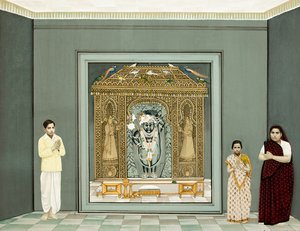
khubiram gopilal
1891 - 1970 , India
Quick Facts
- Artistic Movement Or Style: Regionalism
- Artists Or Movements Influenced By This Artist: ['American Regionalism']
- Artists Who Influenced This Artist: ['Paul Gauguin']
- Date Of Birth: February 13, 1891
- Date Of Death: 1970
- Full Name: Grant Wood
- Nationality: American
- Notable Artworks:
- Shrine Quartet
- July Fifteenth
- Tree Planting
- Place Of Birth: Anamosa, Iowa, USA
Related Articles
Raja Ravi Varma: Bridging Tradition & Modernity in 19th-Century Indian Art
Explore the life & art of Raja Ravi Varma, a pioneer who fused European techniques with Indian iconography. Discover his iconic paintings, lasting legacy, and influence on modern Indian art at ArtsDot.
Sacred Narratives Embodied: A Comprehensive Exploration of Religious Iconography in Art History
Explore the rich history of religious iconography in art! Discover symbolism, movements & masterpieces from Byzantine to Renaissance periods. Expert insights for collectors and enthusiasts at ArtsDot.
Sacred Narratives on Canvas: Exploring Religious Painting Through History
Explore the rich history of religious painting with ArtsDot.com! Discover iconic artworks, symbolism & techniques from antiquity to the Renaissance. Enhance your art appreciation today.
Sacred Narratives on Canvas: Exploring Religious Scenes & Their Enduring Influence
Explore the rich history of religious art from Giotto to the Renaissance masters with ArtsDot. Discover symbolism, techniques & enduring legacies. Museum-quality reproductions available.

Sacred Visions: Exploring Faith & Devotion in Religious Art Across Cultures
Explore the rich history of religious art across cultures! Discover symbolism, Renaissance masterpieces & the power of color in devotional works. Expert insights for collectors and enthusiasts.