 Preview
 Send
Send Share
Share
 Details

 Download
 Similars
 X-Ray
X-Ray Diaporama
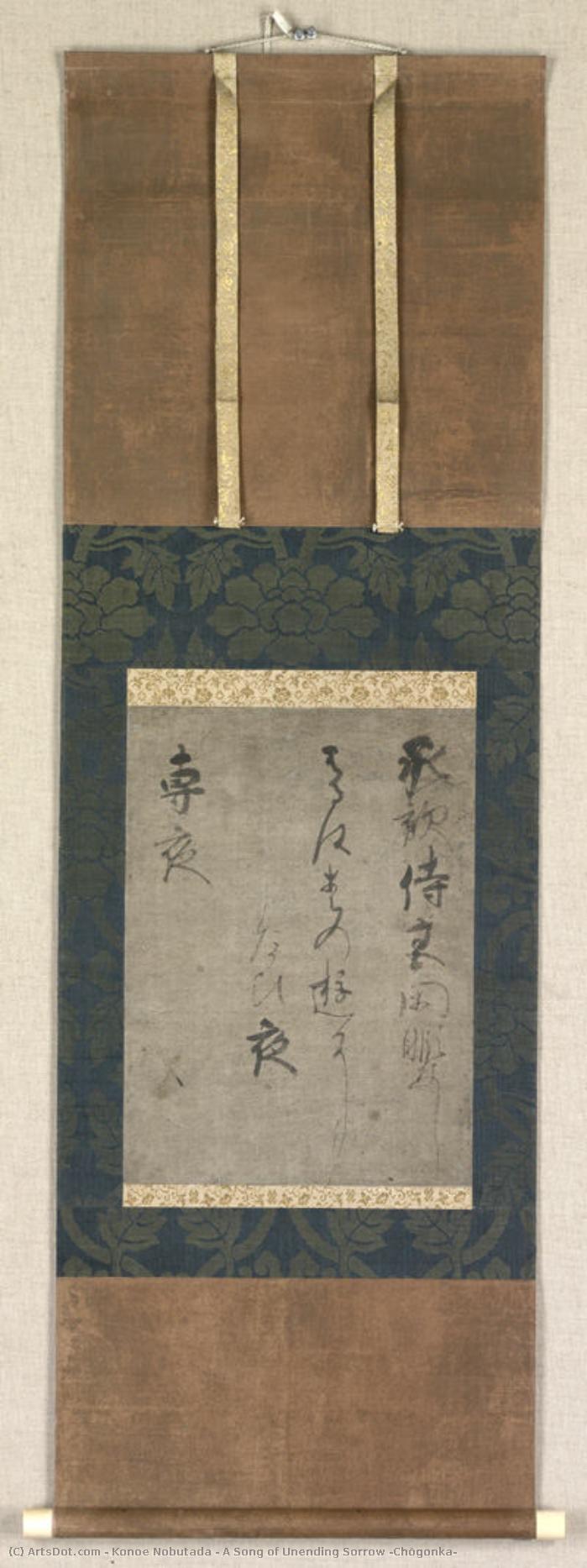
A Song of Unending Sorrow (Chōgonka)
 Japanese Court Art
 601
601 41.0cm x 30.0cm
 Read More
Purchase a high-resolution, enhanced digital image, far superior to the online preview.
Each file is meticulously prepared by our in-house specialists using advanced tools and expert manual retouching. We ensure every image has exceptional clarity, precise color accuracy, and fine detail.
The final file is delivered via email within 72 hours, optimized for immediate use in professional, editorial, and print environments. This is the same quality trusted by top-tier design studios, publishers, and galleries.
Digital Image
Download a high-resolution file for personal display, printing, and creative projects. ( Buy Print Buy Hand Made Painting)
Included in Every Digital Image Order
Expert Digital Delivery, Guaranteed
When you choose ArtsDot.com, you're not just getting an image - you're receiving a professionally enhanced digital artwork, crafted with precision and backed by a satisfaction guarantee. Here's everything that comes with your order, automatically:

Fast Email Delivery
Your high-resolution digital image file will be emailed to you within 72 hours of ordering - ready for immediate use.

AI-Enhanced Digital File
Your artwork is professionally optimized using advanced AI tools and manual editing, ensuring maximum detail, clarity, and color accuracy.

Free Lifetime Re-Delivery
Accidentally deleted or lost your file? No worries - we'll resend it to you anytime, free of charge.

No Import Fees - Ever
Enjoy your artwork instantly with zero customs, duties, or delivery fees - digital downloads are always tax-free.

Color Accuracy Guarantee
We ensure your digital image reflects the original colors as closely as possible using professional tools and color management.

60-Day Satisfaction Guarantee
If you're not satisfied with your digital image, we'll revise it or refund 100% within 60 days - no questions asked.

100% Money-Back Guarantee
Not satisfied? Get a full refund within 60 days of receiving your digital file - no questions asked.

Bulk Order Discounts
Buy 3 images, save 10% - Buy 5, save 15% - Buy 10+, save 20%. Great for creative projects, galleries, and agencies.
Collectible Description
Related Artworks
Artist Biography
The Ethereal Worlds of Konoe Nobutada
Konoe Nobutada is a contemporary Japanese artist whose work exists in a fascinating space between tradition and innovation, realism and dreamscape. While biographical details remain intentionally scarce – Nobutada prefers the paintings themselves to speak for his story – his art has rapidly garnered international recognition for its haunting beauty and technical mastery. Born in Japan (the exact year remains undisclosed), Nobutada emerged as a significant figure within a resurgence of interest in classical Japanese painting techniques, specifically those associated with the Nihonga style, yet he doesn’t simply replicate the past; he reimagines it. He is currently living and working, continuing to produce pieces that captivate audiences worldwide.A Legacy Rooted in Tradition
Nobutada's artistic foundation lies deeply embedded within the rich history of Nihonga, a style of Japanese painting that emerged in the late 19th century as a reaction against Western art influences. Nihonga painters sought to revive pre-Meiji Restoration (1868) artistic practices, utilizing traditional materials like mineral pigments derived from natural sources – stone dusts, shells, and plant dyes – applied with brushes made of animal hair onto handmade washi paper. This commitment to authentic materials is central to Nobutada’s process. He painstakingly grinds his own pigments, a labor-intensive practice that imbues each work with a unique luminosity and texture. However, unlike many practitioners who focus on historical or narrative subjects, Nobutada employs these techniques to create intensely personal and symbolic imagery. His paintings aren't illustrations of the past; they are explorations of inner landscapes, often featuring solitary figures – predominantly women – enveloped in atmospheric settings that evoke both serenity and melancholy.The Language of Symbolism
Nobutada’s work is characterized by a profound sense of symbolism, though its interpretation remains deliberately open-ended. Recurring motifs include water, mist, flowers (particularly cherry blossoms and camellias), and birds—each carrying layers of cultural meaning within the Japanese aesthetic tradition. Water, for instance, often represents the flow of time, purification, or the subconscious mind. Mist obscures and reveals simultaneously, suggesting hidden depths and emotional ambiguity. The delicate beauty of blossoms speaks to the ephemeral nature of life and the poignant acceptance of impermanence – a core tenet of Buddhist philosophy. His figures are rarely depicted with direct eye contact, fostering a sense of introspection and inviting viewers to project their own emotions onto them. Nobutada’s palette is typically restrained, favoring muted tones of blues, grays, greens, and ochres, which contribute to the dreamlike quality of his paintings. He masterfully uses subtle gradations of color and light to create an ethereal atmosphere that draws the viewer into a meditative state.Technical Brilliance and Contemporary Vision
Nobutada’s technical skill is exceptional. He employs layering techniques – building up thin washes of pigment over extended periods – to achieve remarkable depth and luminosity. This process, known as kasane, requires immense patience and control. His brushwork is incredibly precise, yet it never feels rigid or mechanical; there’s a fluidity and grace that suggests effortless mastery. While deeply rooted in tradition, Nobutada isn't afraid to experiment with composition and scale. He often creates large-format paintings, which are unusual for Nihonga, allowing the viewer to become fully immersed in his world.- His work challenges conventional notions of representation.
- He blends realism with abstraction.
- Nobutada’s paintings are not simply beautiful objects; they are portals to another realm.